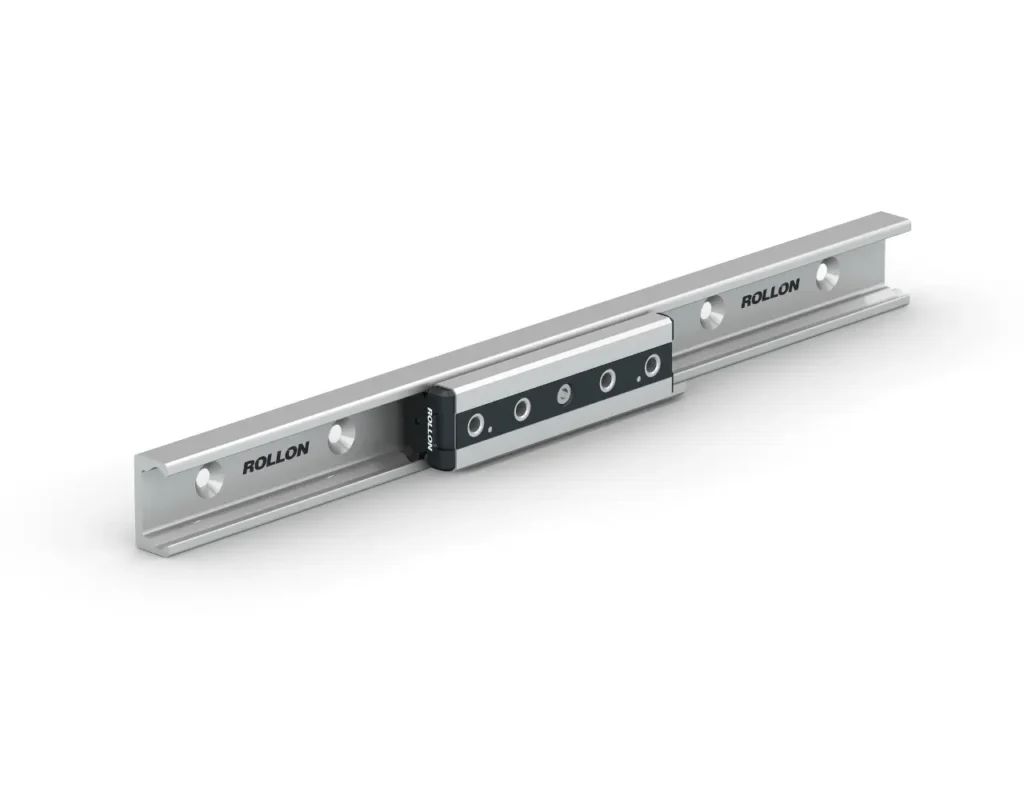
 Linear guides
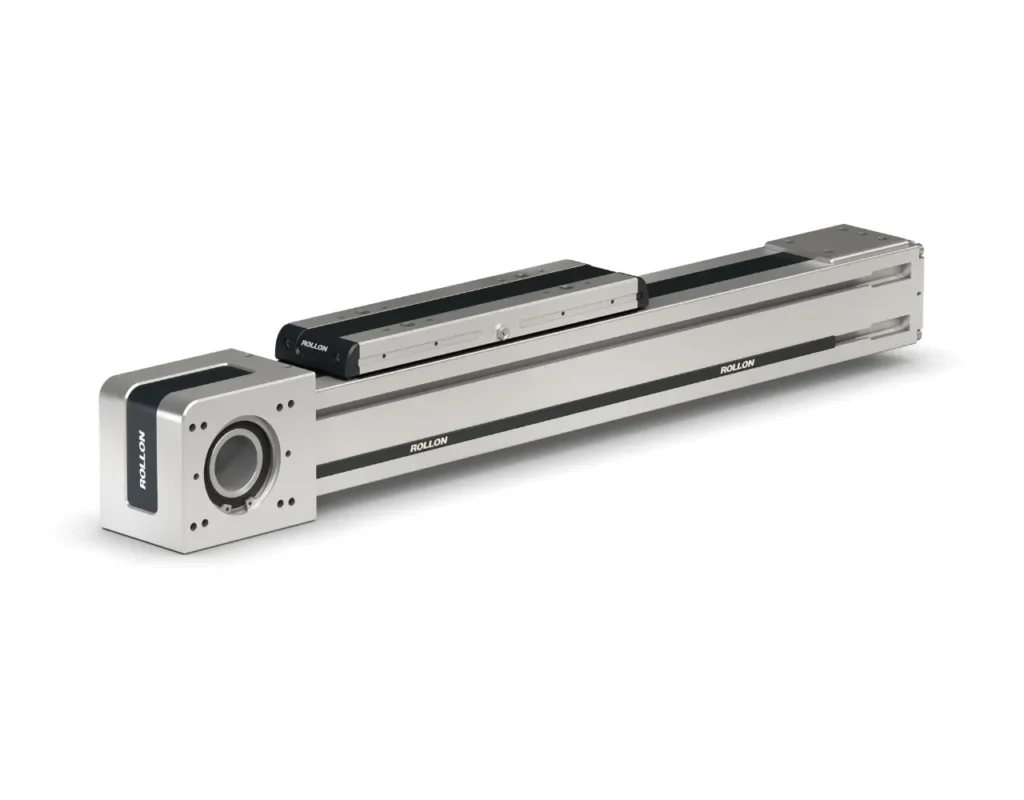 Linear actuators
 XP Xtrem Position
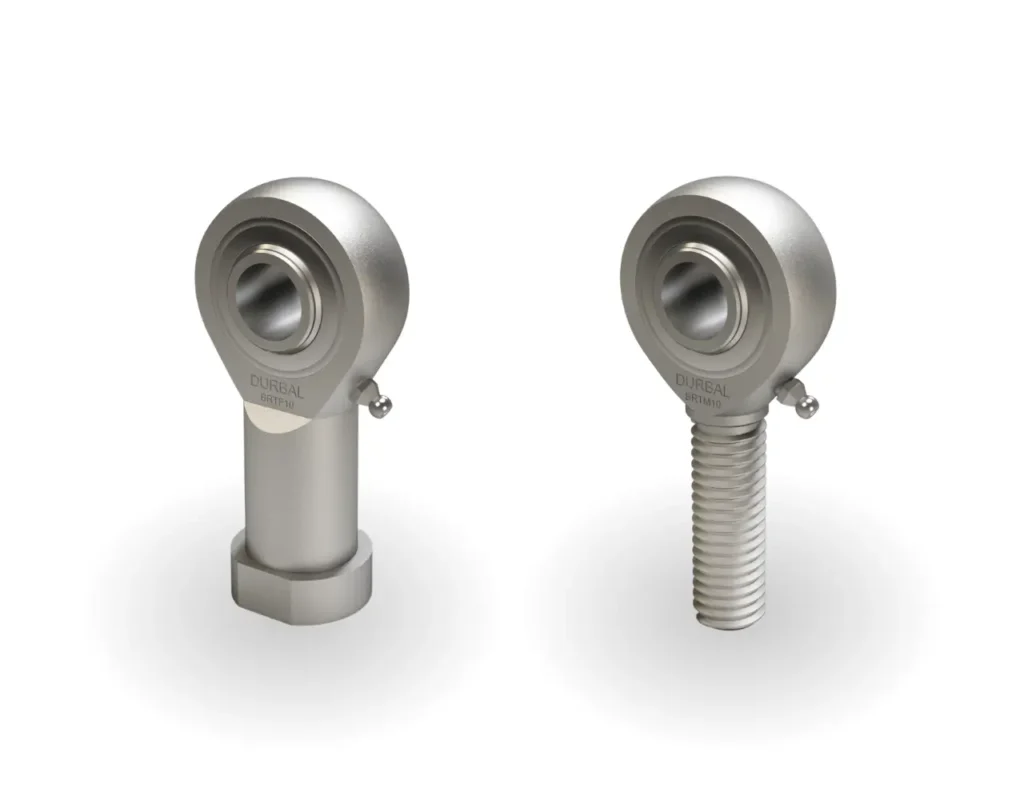 Rod ends
 Telescopic rails
 Multi-axis
 XL Xtrem Load
 Spherical plain bearings
 Curved guides
 Robot transfer units
 XT Xtrem Transport
 Needle roller bearings
 Cam followers
 Circular systems
 Rollon RB
 Locknuts and rings
 Aerospace
 Building and Furniture
 Electronics
 Food & Beverage
 Healthcare
 Industrial machines
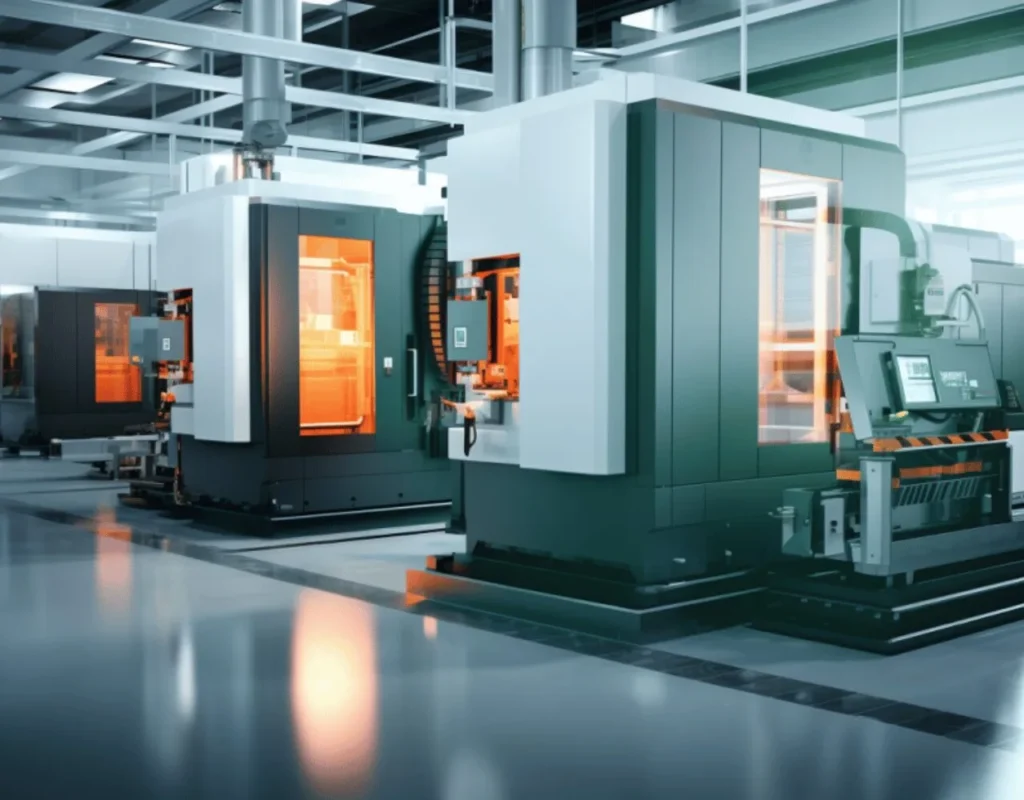 Machine tool
 Material Handling
 Packaging
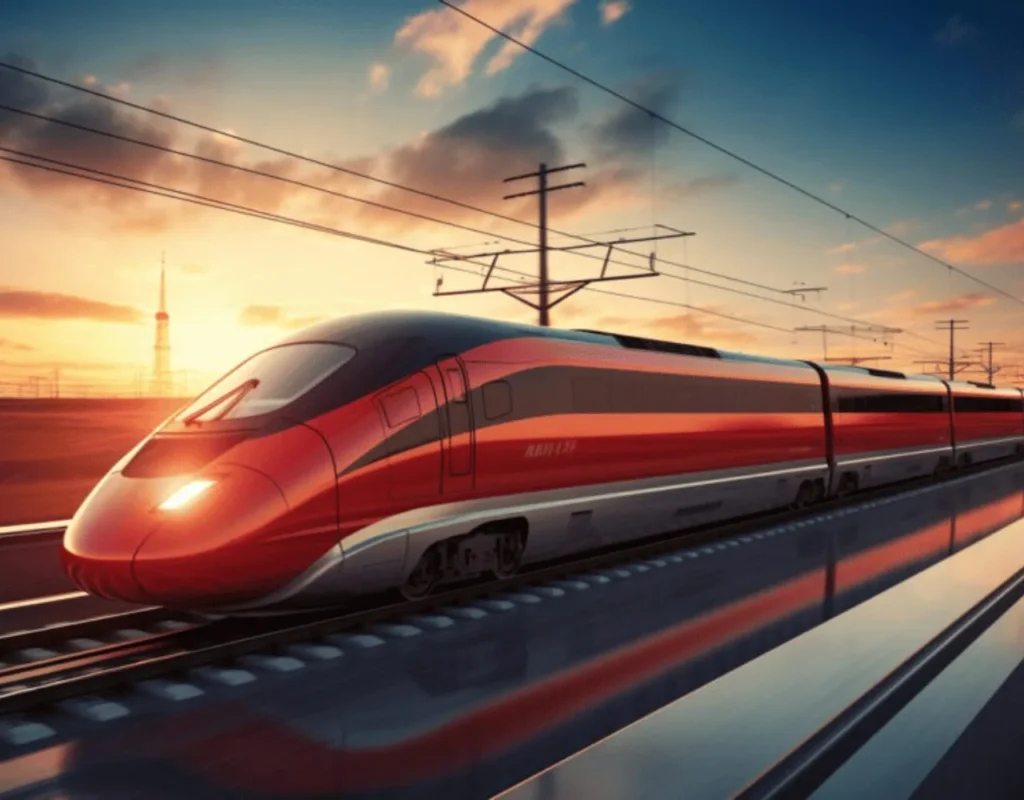 Railway
 Robotics & Automation
 Special Vehicles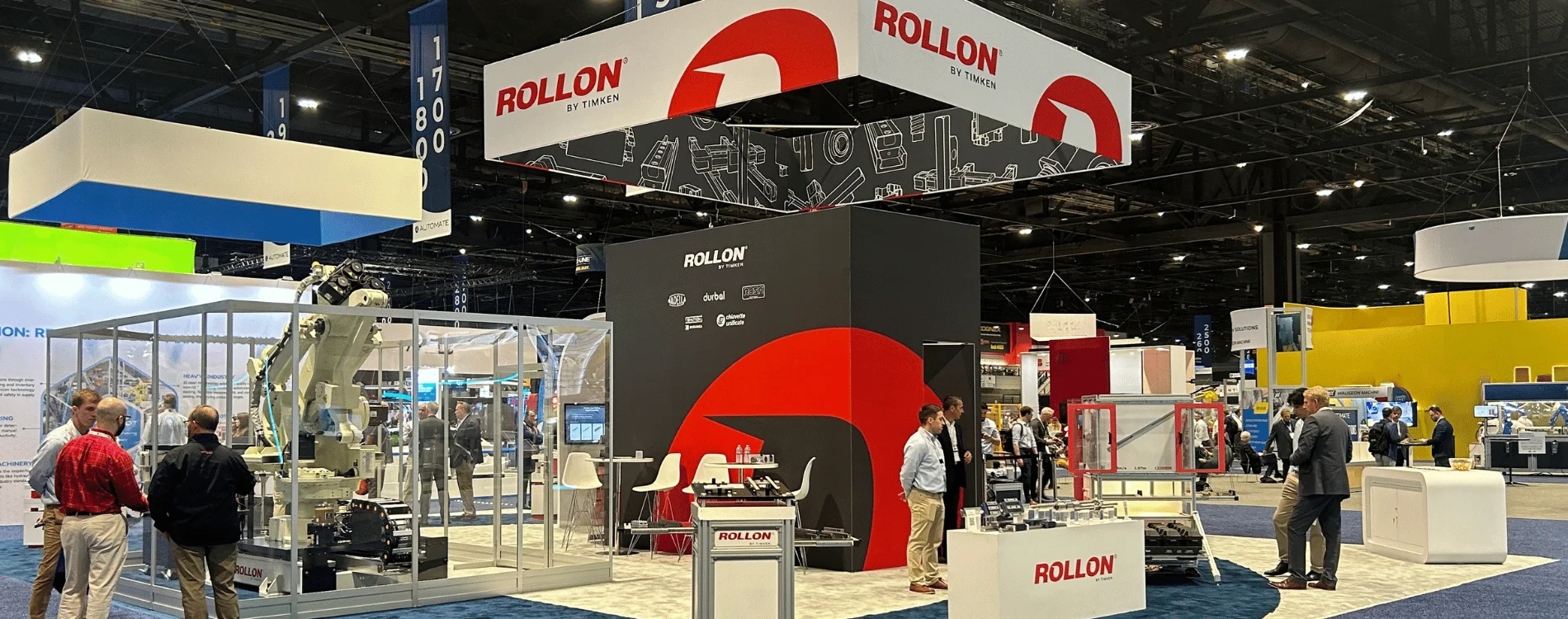



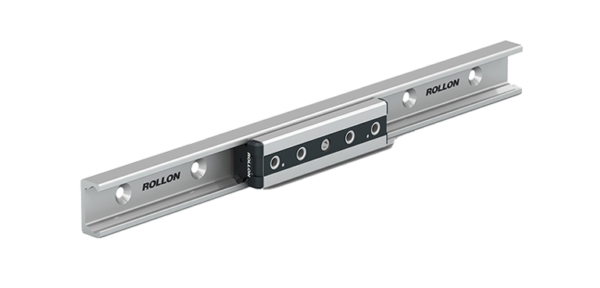
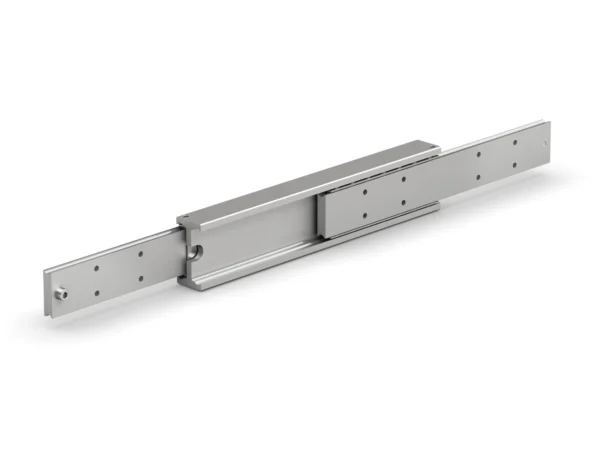
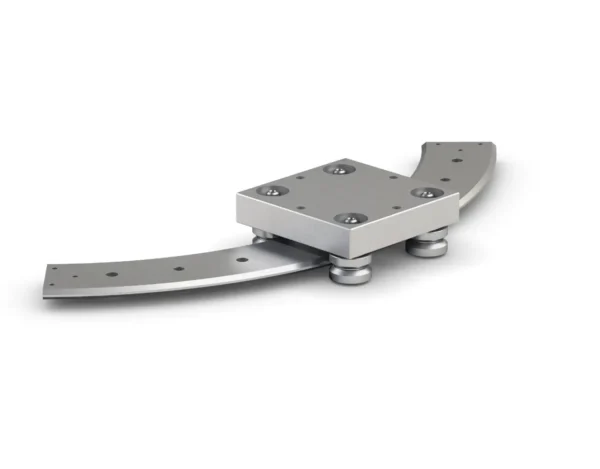
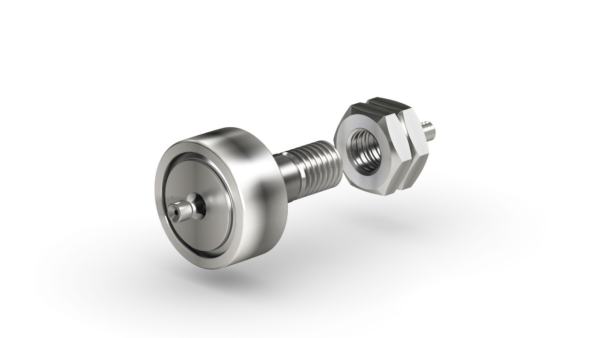
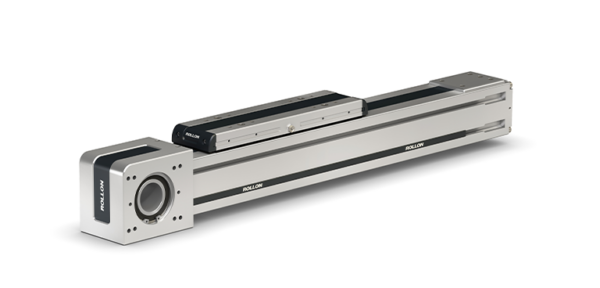






















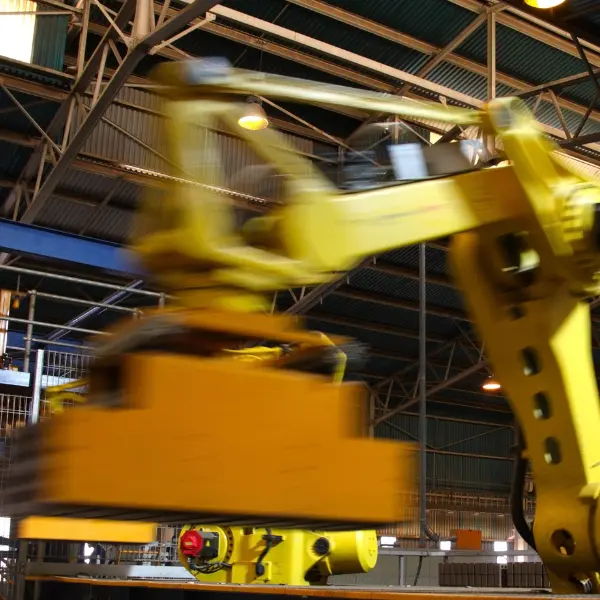


When designing linear motion systems, the concepts of dynamic load and static load are essential for ensuring reliability and long service life. Both loads affect how a linear rail behaves under real operating conditions, from continuous movement to stationary support. Choosing the right Rollon rail based on these parameters ensures precise performance, reduced wear, and safe operation in industrial applications.
Dynamic Load in Linear Motion
Dynamic load refers to any force that changes over time, such as those generated by acceleration, deceleration, vibration, or repeated motion cycles. In linear motion, dynamic loads act on rails, carriages, and actuators while they are in operation. Because these forces fluctuate in intensity and direction, rails must resist them without deformation or premature wear.
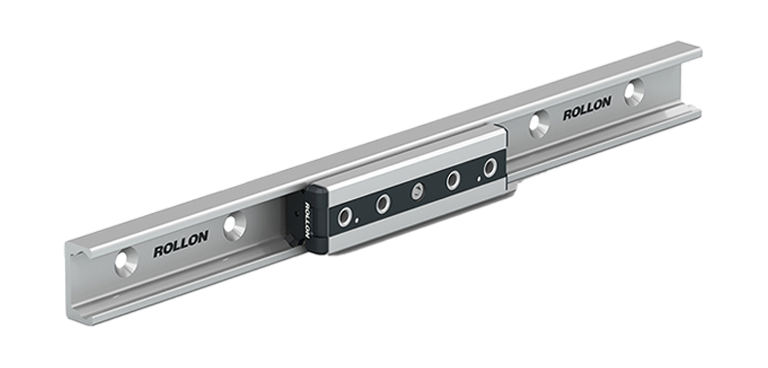
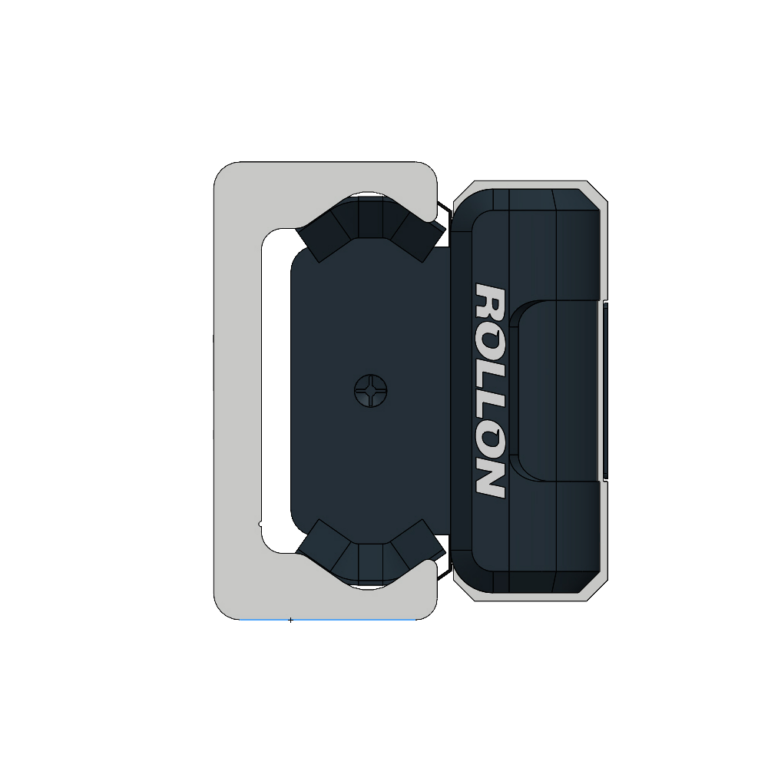
Rollon’s Compact Rail is particularly effective at managing dynamic loads. Thanks to its self-aligning design, it can compensate for misalignments and distribute forces evenly, ensuring smooth motion even in harsh environments. This makes it ideal for packaging machines, transport systems, and automation setups exposed to vibration.
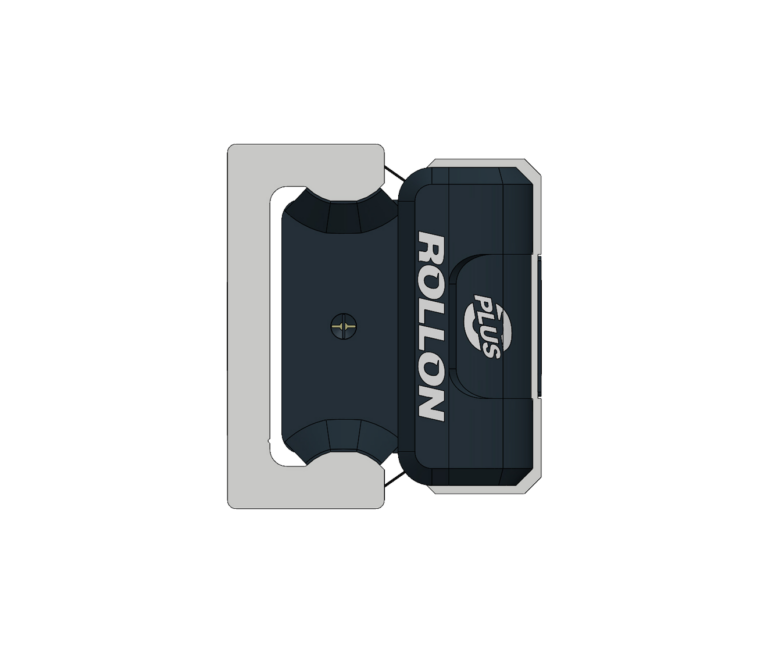
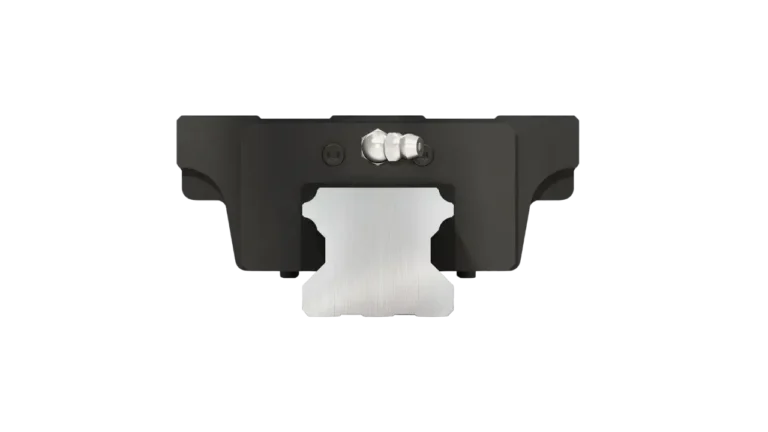
For applications requiring extreme rigidity and precision under continuous dynamic forces, Rollon’s Mono Rail provides high load capacity and exceptional accuracy, maintaining reliable performance even at high speeds or under heavy tool forces.

What is Static Load
Static load is a constant force applied to a linear component while it is at rest. It represents the maximum load a rail can support without permanent deformation when stationary. Typical examples include the weight of a machine table when idle or doors held in position by their guides.
The Compact Rail’s solid construction ensures stability under static loads, making it suitable for applications like train door systems, where rails must resist constant forces even when not in motion. Similarly, the Mono Rail excels in static conditions where high precision must be preserved, such as CNC worktables or machining centers, holding components in place without drift.
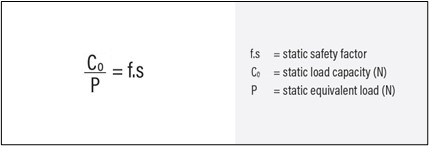
Dynamic Load vs Static Load: Key Differences
While dynamic load involves motion and fluctuating forces, static load refers to constant support without movement. Both are critical as insufficient capacity may lead to permanent rail deformation, while poor dynamic performance can cause vibration, uneven wear, and reduced bearing life.
Rollon’s Compact Rail is ideal where vibration, misalignment, or dirt are present, as its self-aligning feature protects both static and dynamic performance. The Mono Rail, with its high rigidity, is designed for clean environments and precision applications where both static and dynamic stability are required.
Applying Load Ratings to Rollon Linear Rails and Actuators
When specifying linear rails, it’s important to evaluate how much of the total force will act as a dynamic load and how much as a static load. Designers should compare both ratings to ensure the chosen rail will perform across its full-service life.
Operating conditions also influence load handling. The Compact Rail performs well in challenging environments with misalignment or contamination, while the Mono Rail is the go-to choice for precision machining and high rigidity requirements. Correct load distribution also extends maintenance intervals, reducing downtime.
Choosing the Right Rollon Component for Your Load Profile
If your application involves vibrations, dirt, or alignment errors, such as automated handling or transport lines, the Compact Rail helps stabilize dynamic loads while maintaining static strength. For tasks requiring maximum precision and stiffness, such as heavy cutting or high-accuracy positioning, the Mono Rail ensures stable support under both load types. By matching the rail’s performance to your specific load profile, you safeguard uptime, accuracy, and long-term durability of your system.
FAQs
What is a dynamic load rating on a linear rail?
It is the maximum load a rail can carry while in motion over its rated service life, taking into account fatigue resistance under repeated cycles.
How is static load capacity calculated and why is it lower than dynamic load?
Static load capacity is based on the maximum force a rail can withstand without permanent deformation when stationary. It is typically lower because it is limited by contact stresses that cause brinelling or indentation.
When should I size a Rollon rail based on static load instead of dynamic load?
Static load should be prioritized when rails must withstand heavy forces during clamping, or in applications exposed to shock or emergency stops.
Can exceeding dynamic load ratings shorten bearing life?
Surpassing the dynamic load rating accelerates fatigue, leading to premature wear, vibration issues, and early failure.