
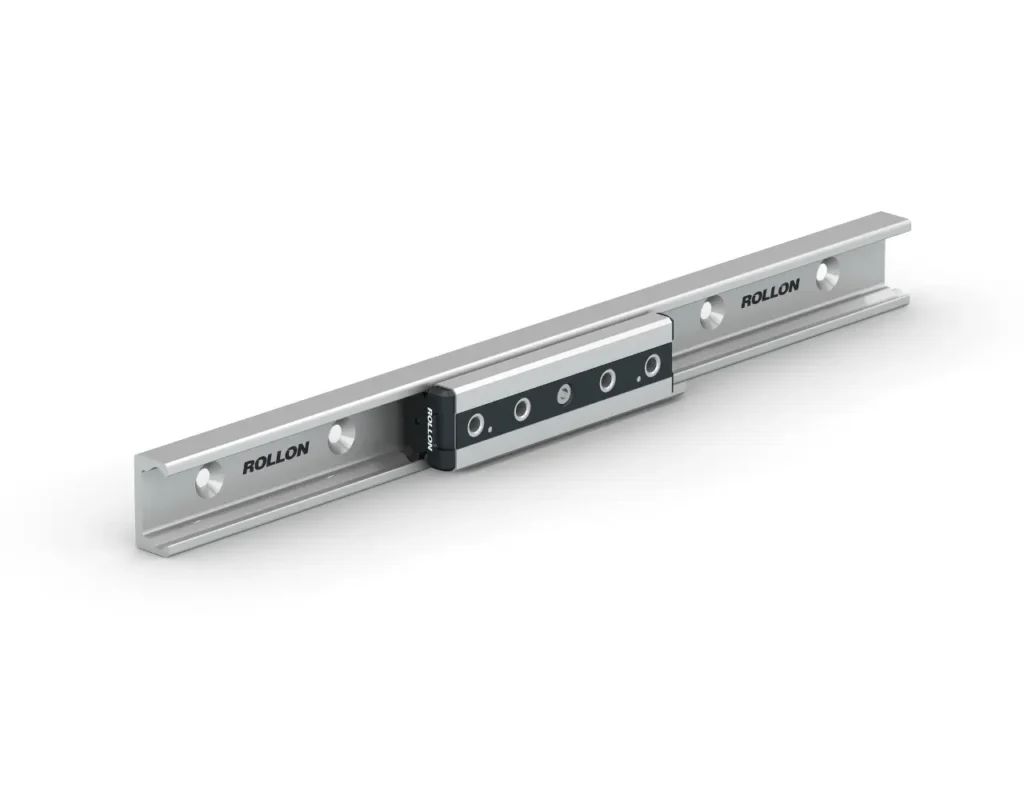
 Linear guides
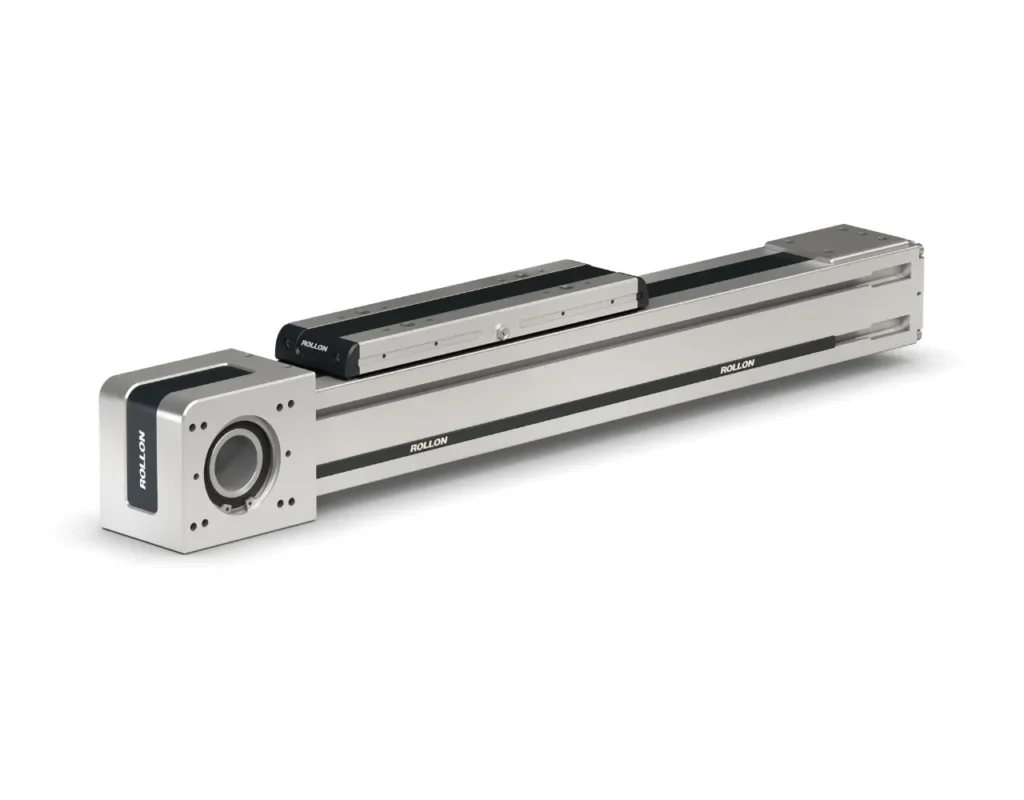 Linear actuators
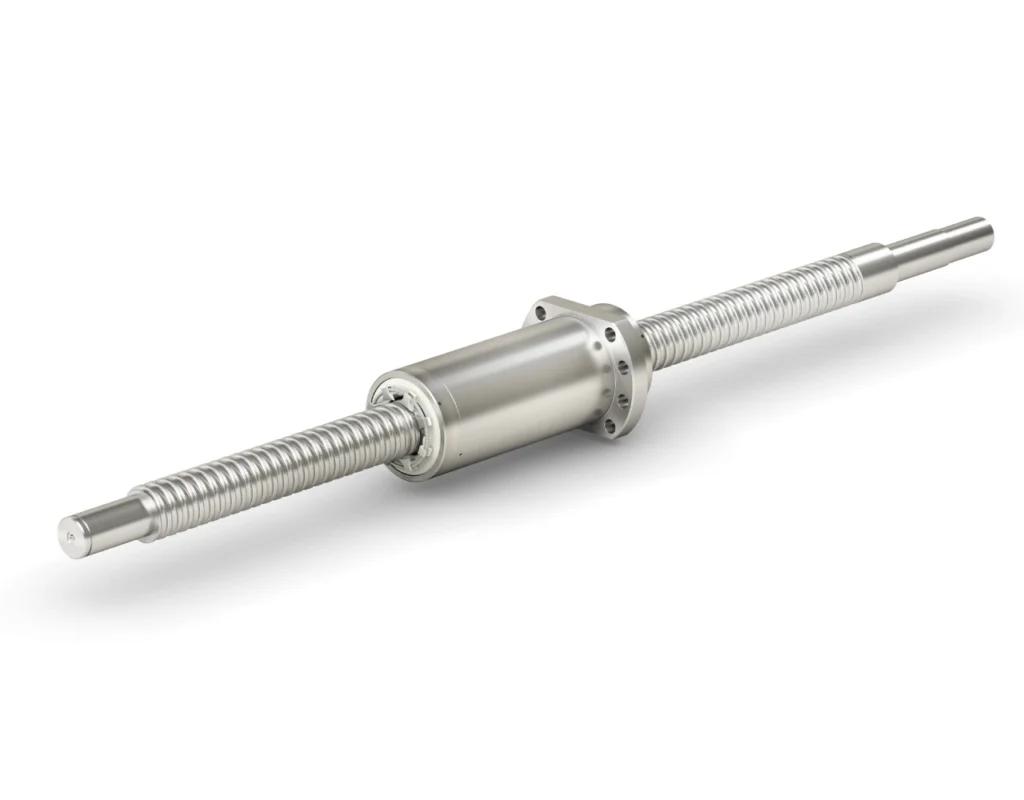 XP Xtrem Position
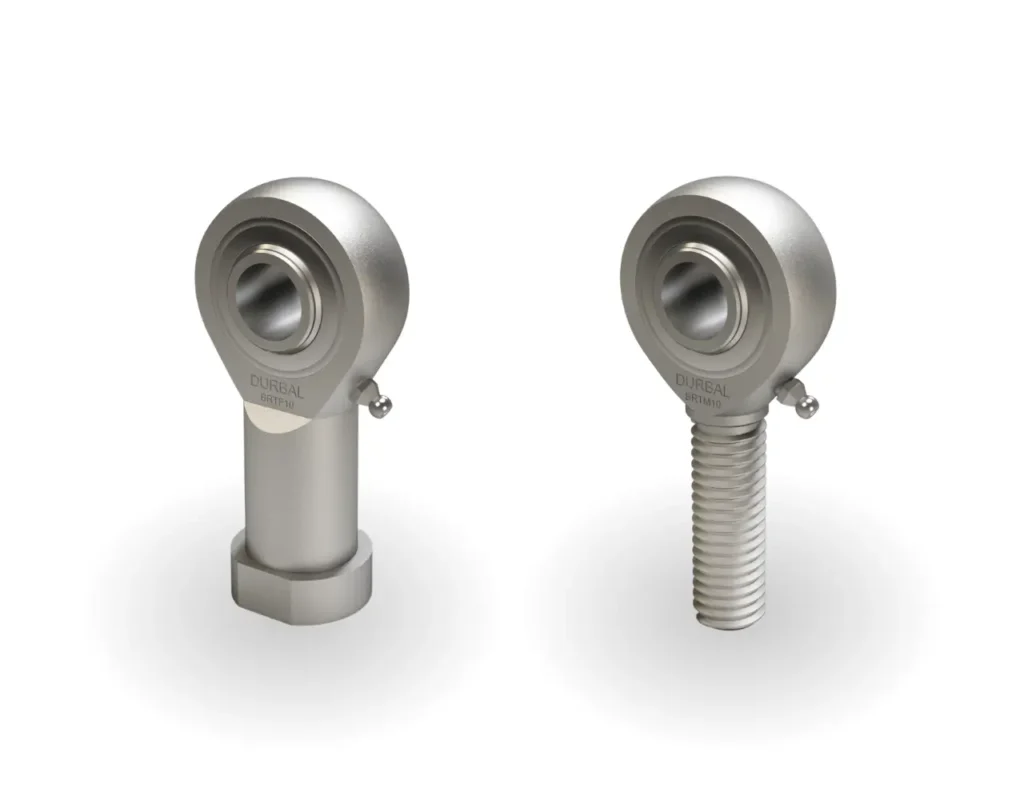 Rod ends
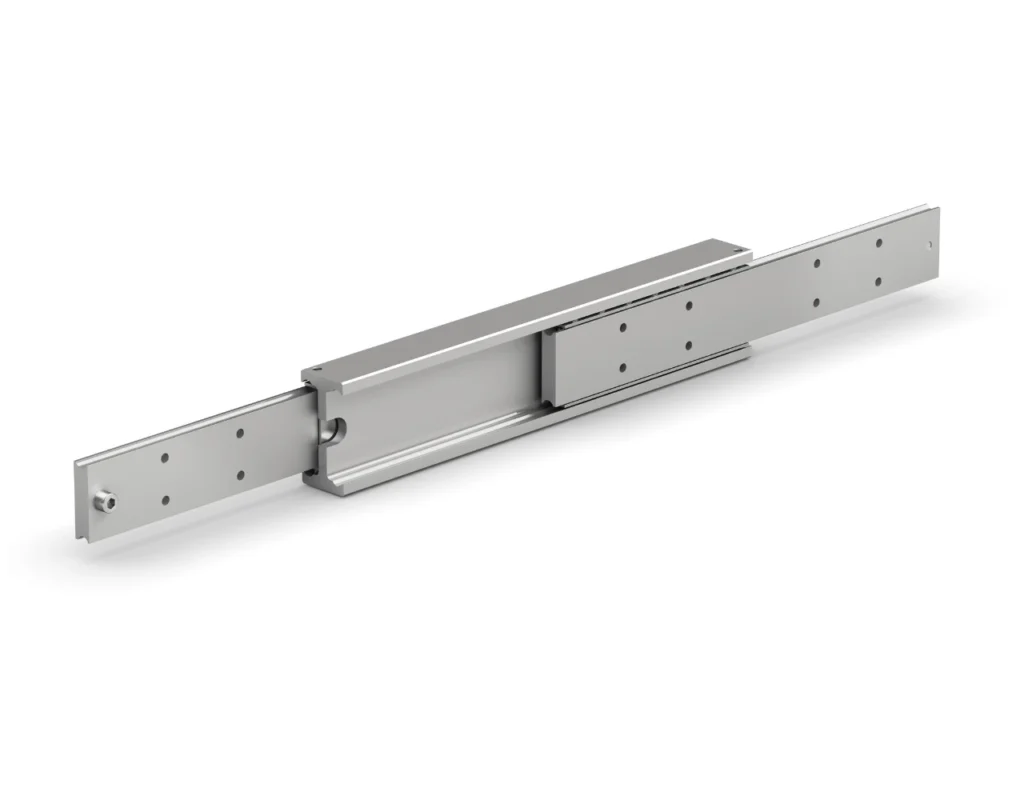 Telescopic rails
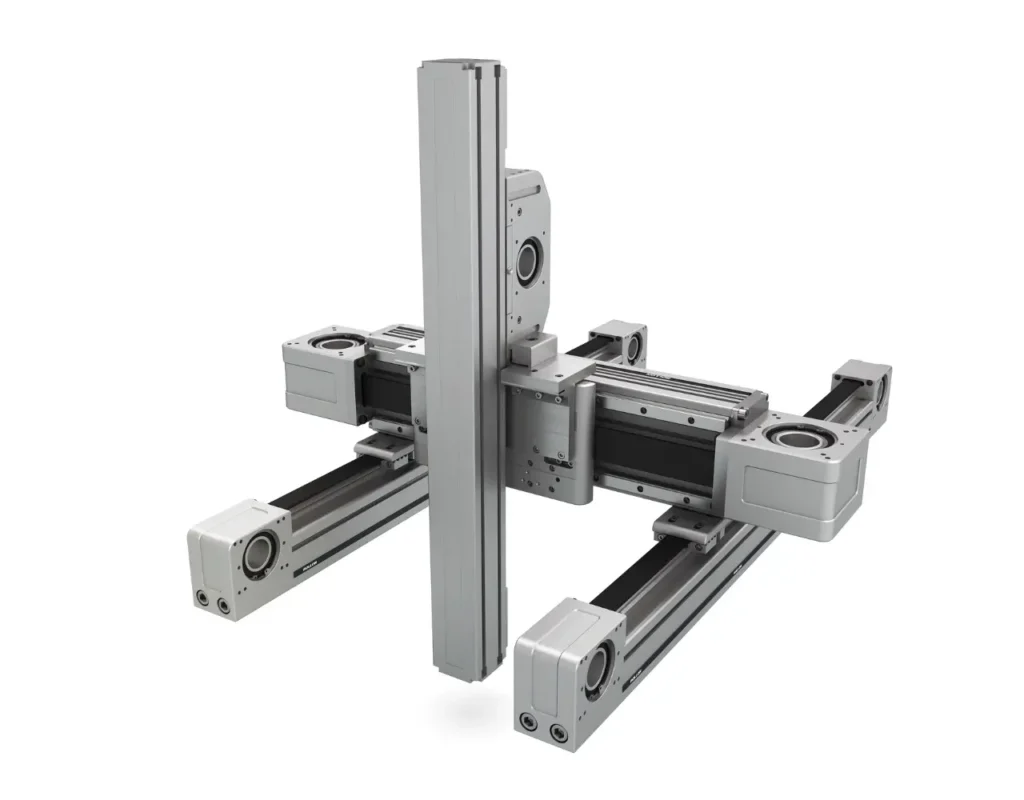 Multi-axis
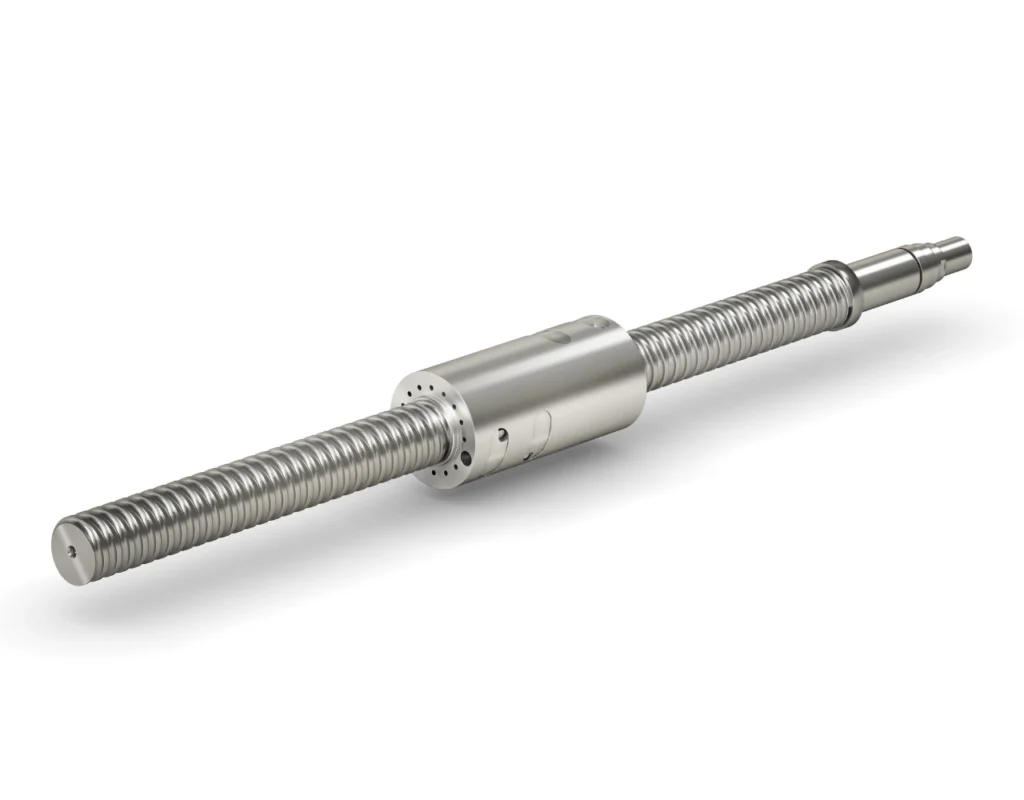 XL Xtrem Load
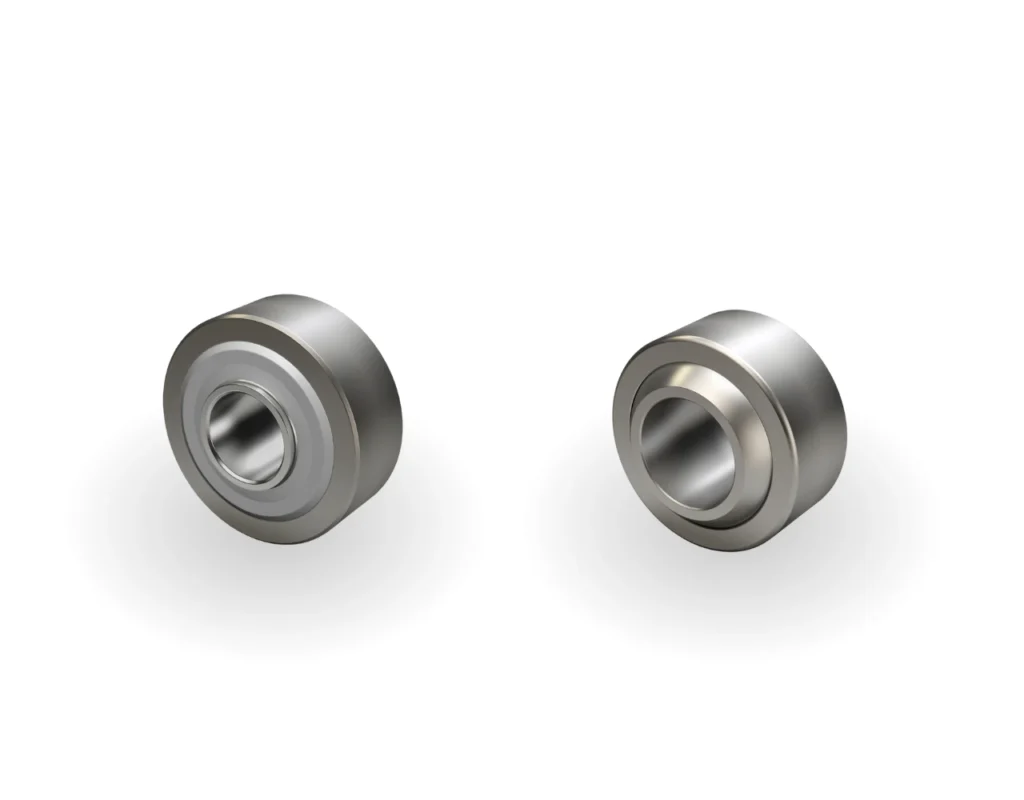 Spherical plain bearings
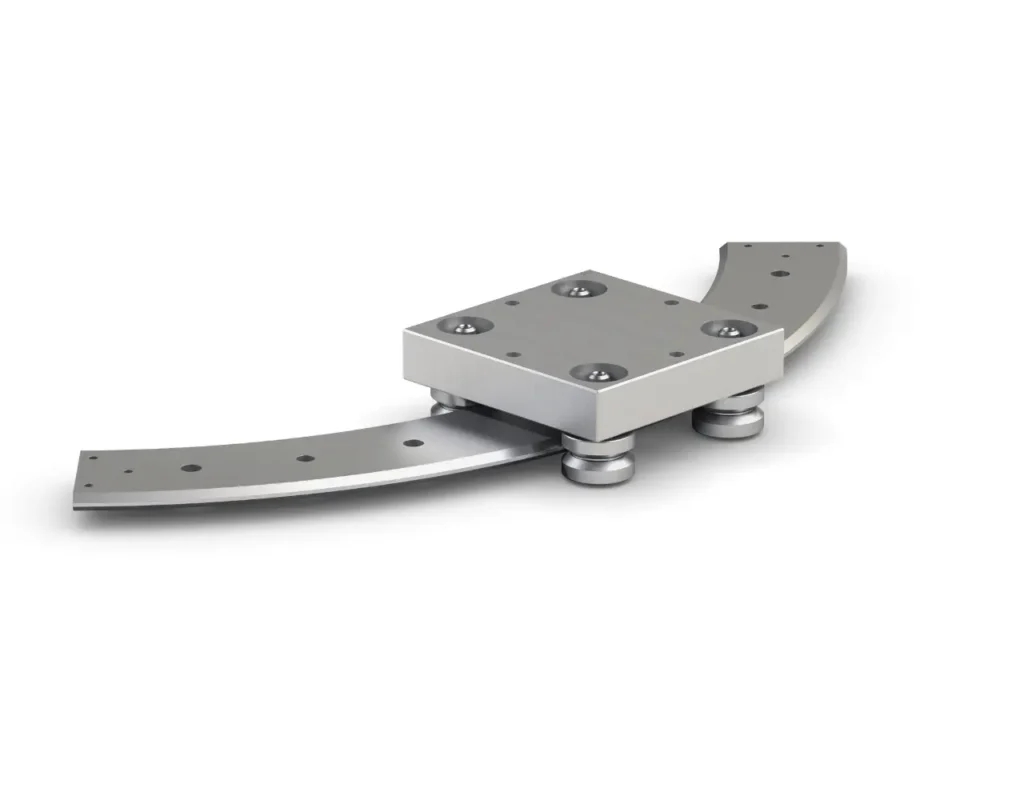 Curved guides
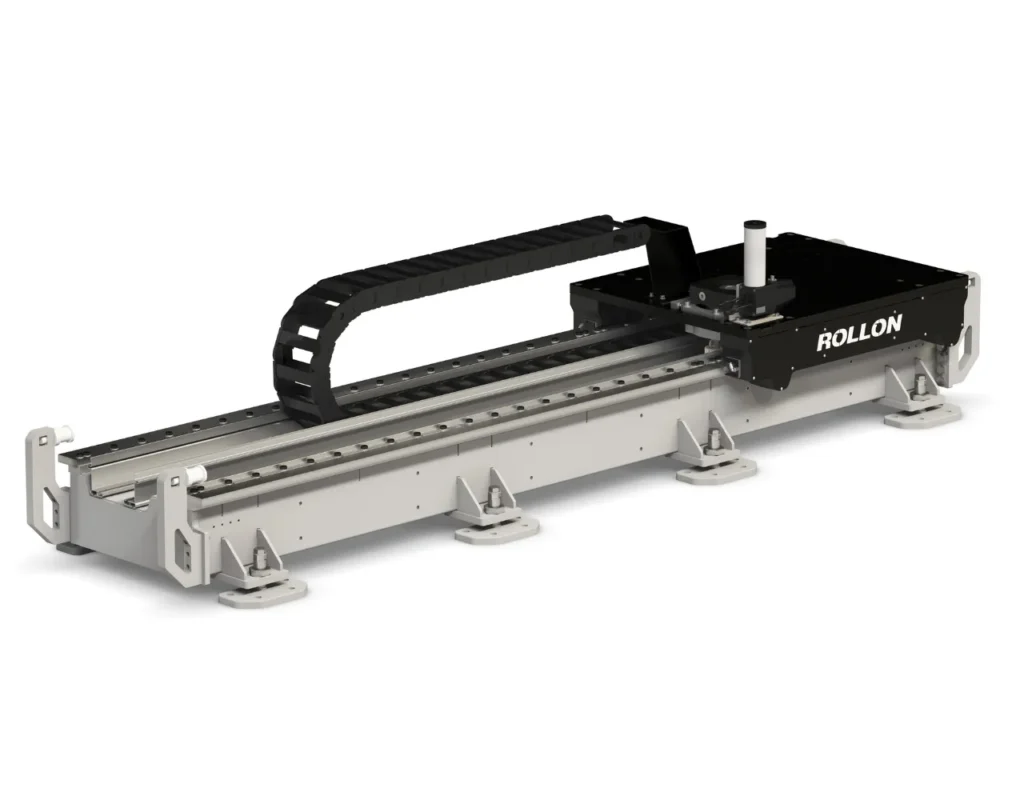 Robot transfer units
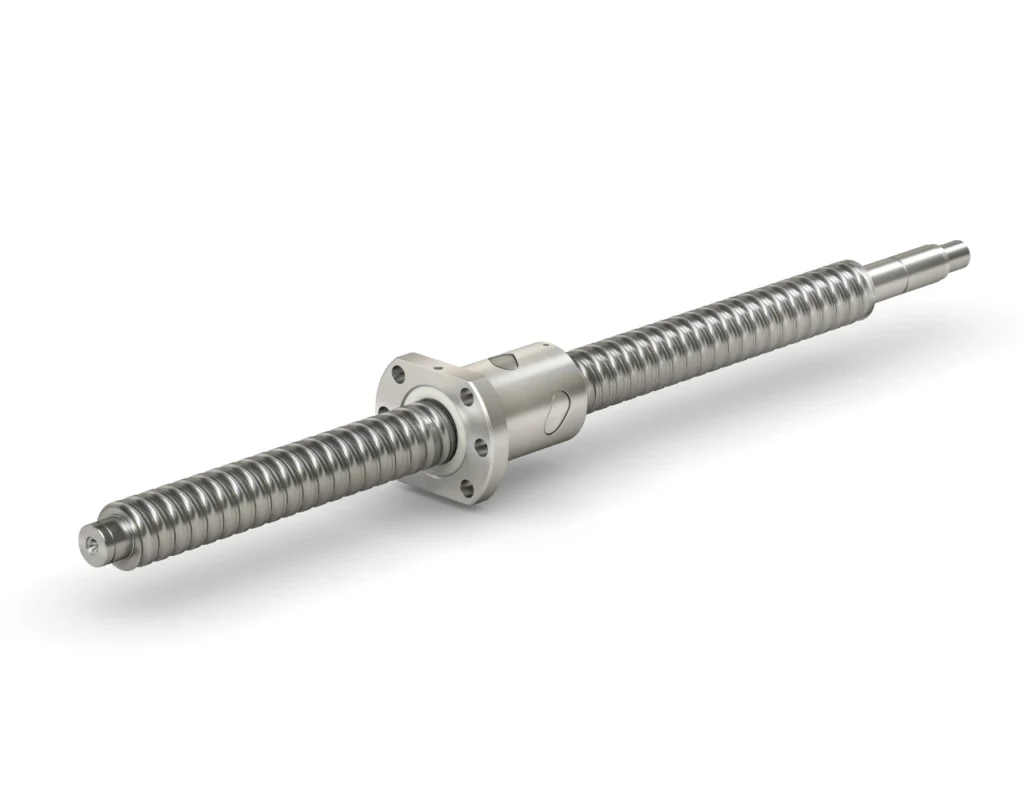 XT Xtrem Transport
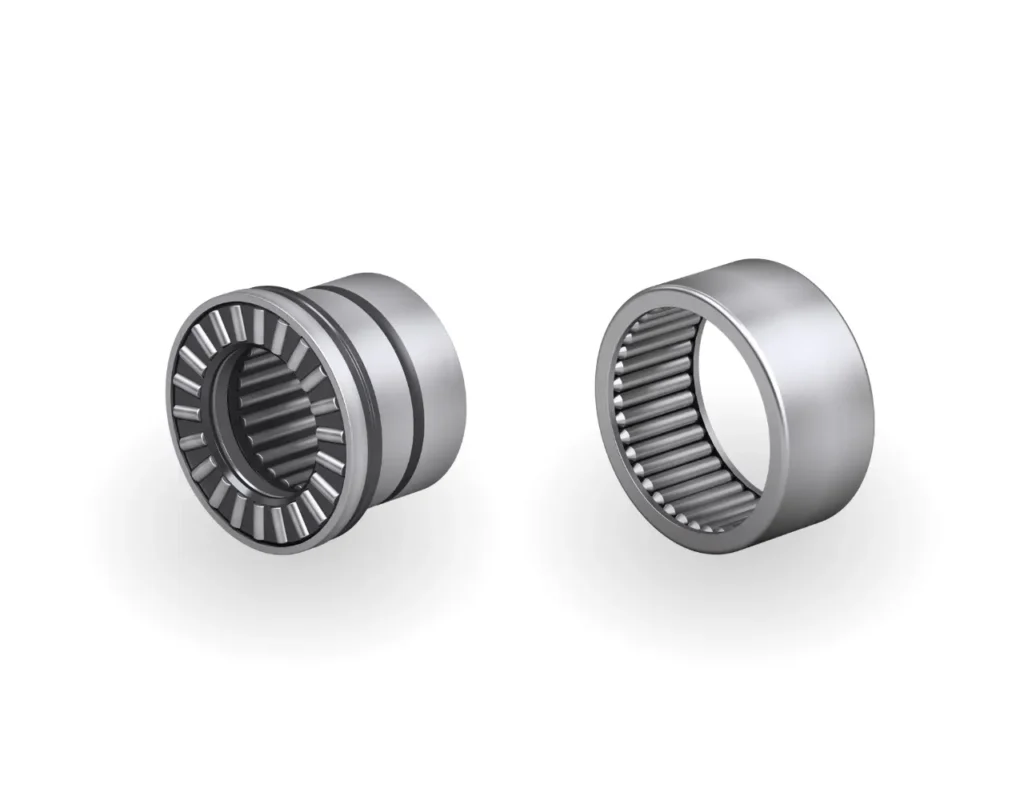 Needle roller bearings
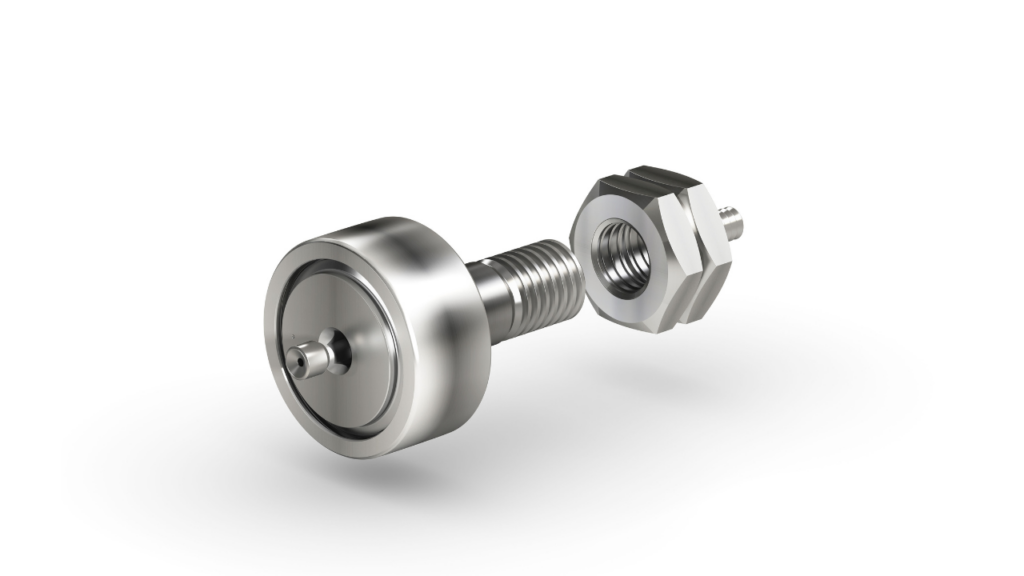 Cam followers
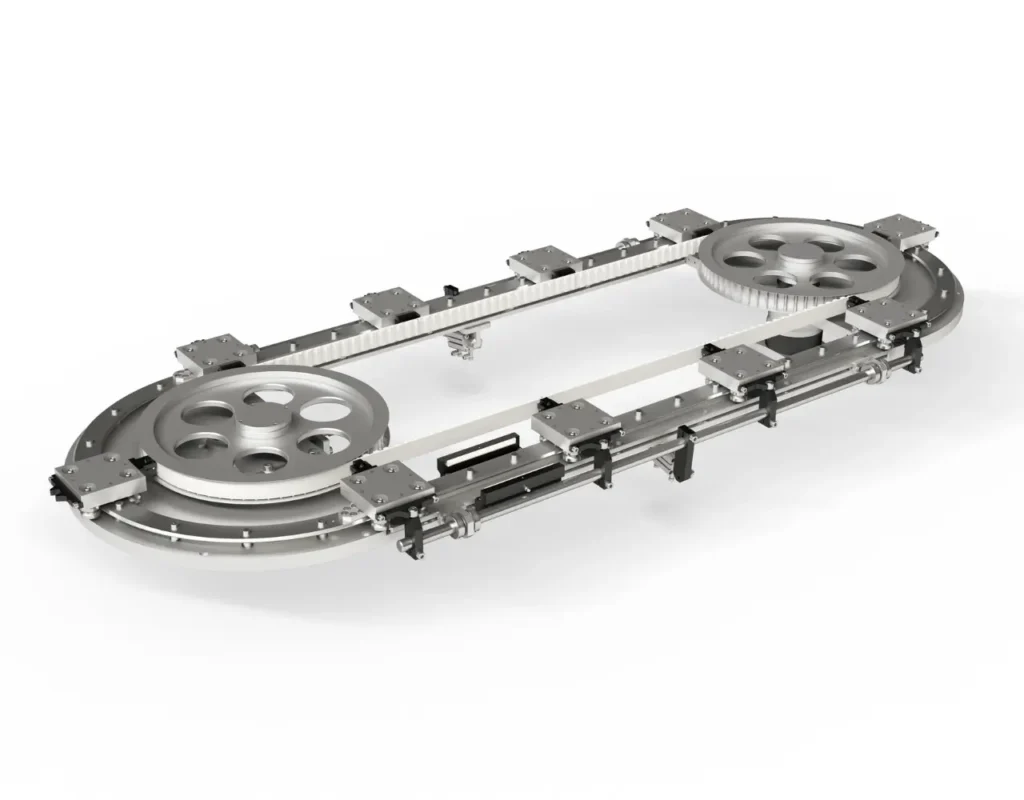 Circular systems
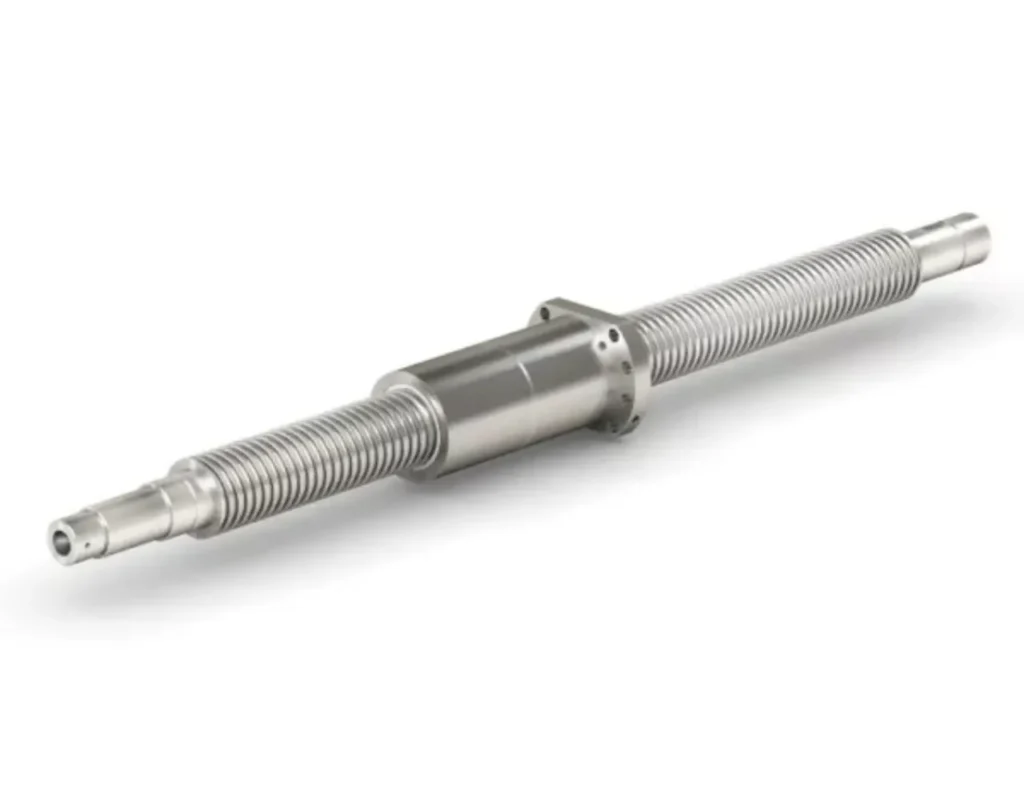 Rollon RB
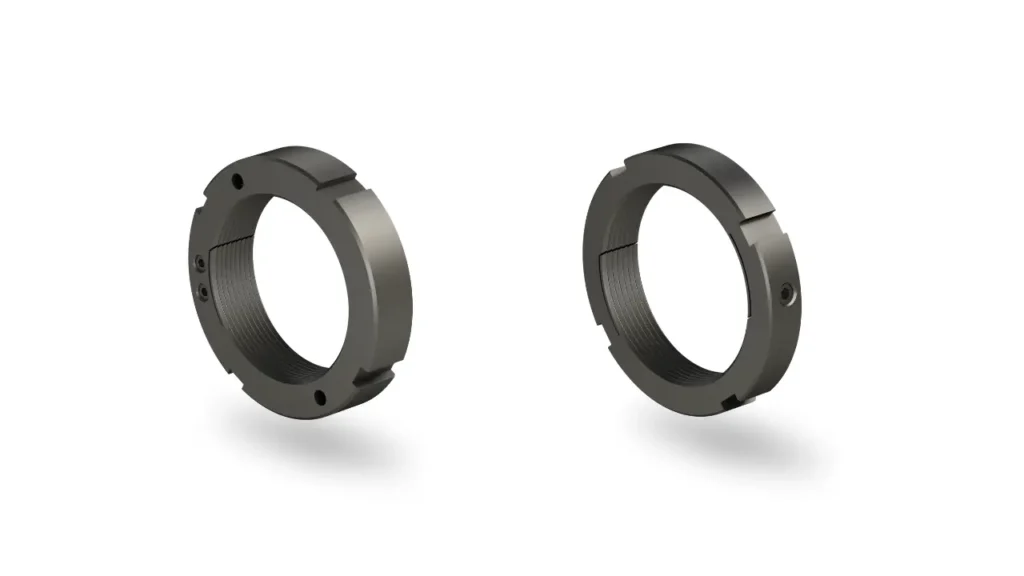 Locknuts and rings
 Aerospace
 Building and Furniture
 Electronics
 Food & Beverage
 Healthcare
 Industrial machines
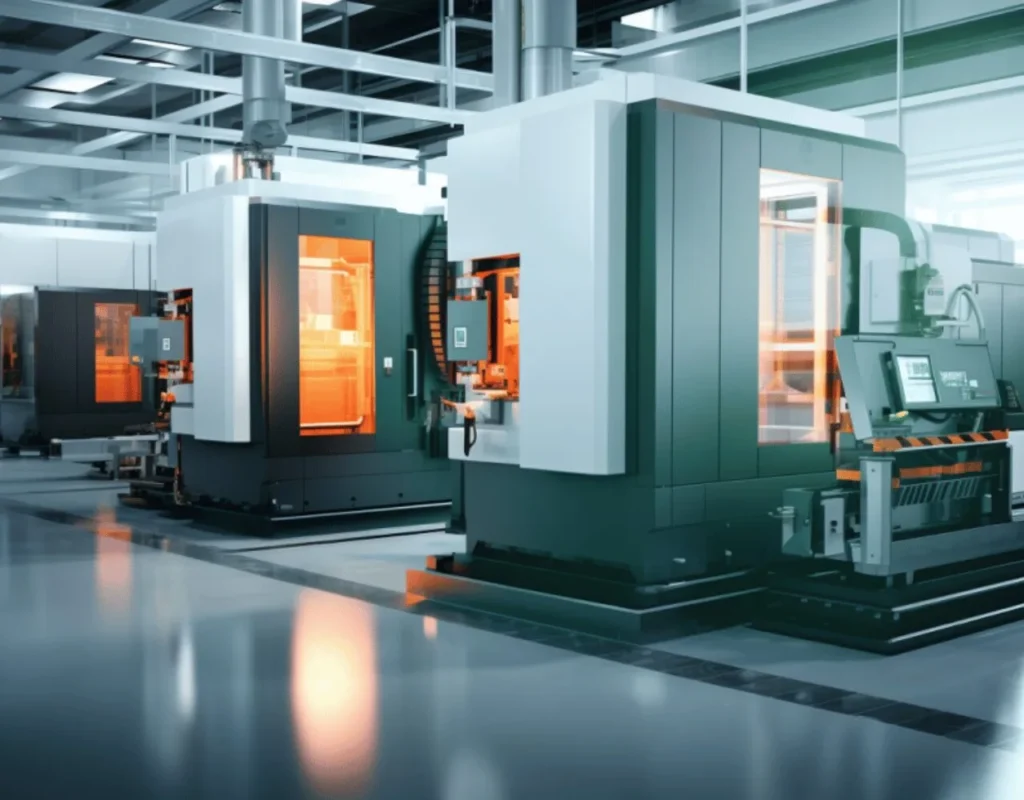 Machine tool
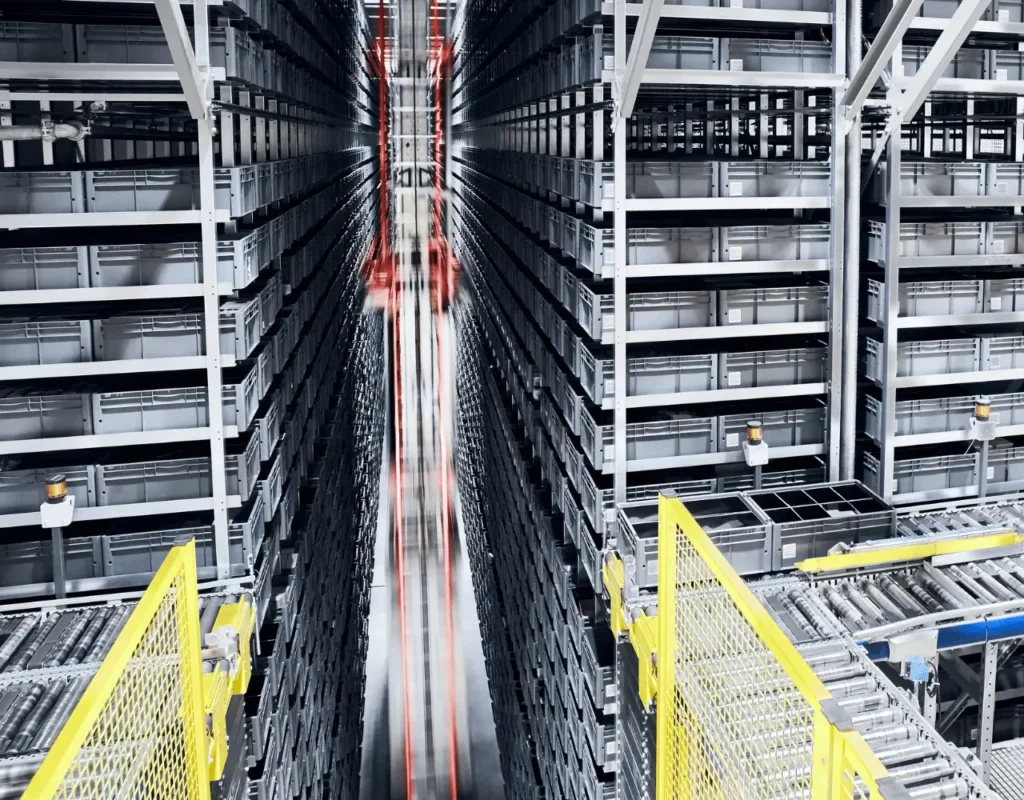 Material Handling
 Packaging
 Railway
 Robotics & Automation
 Special Vehicles



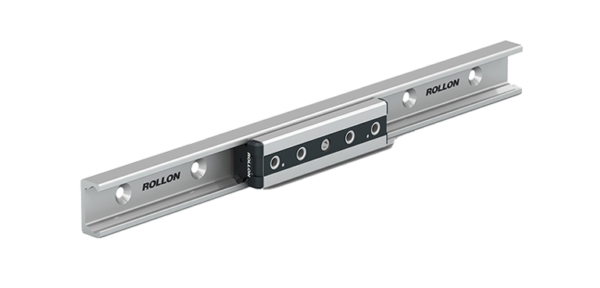
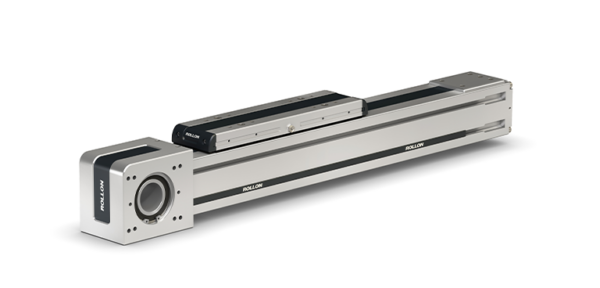






















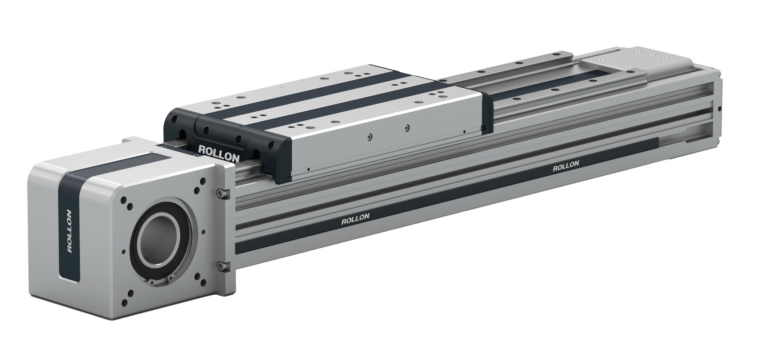
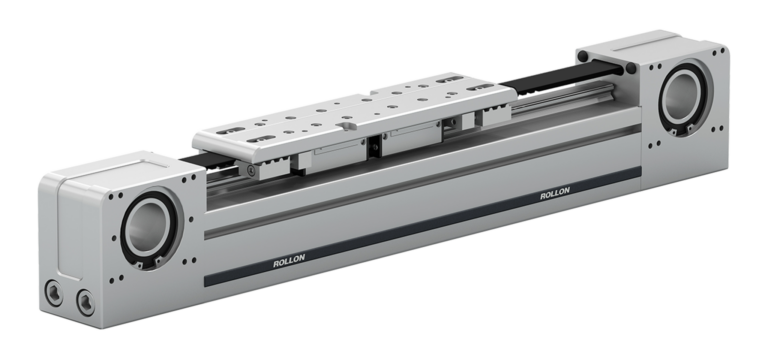
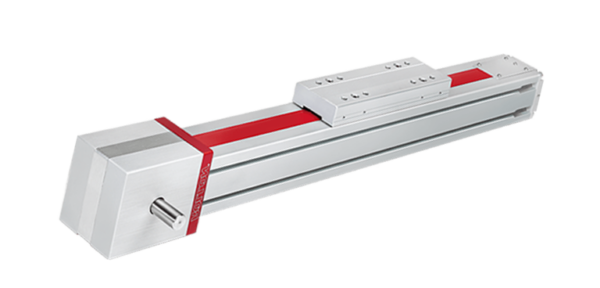
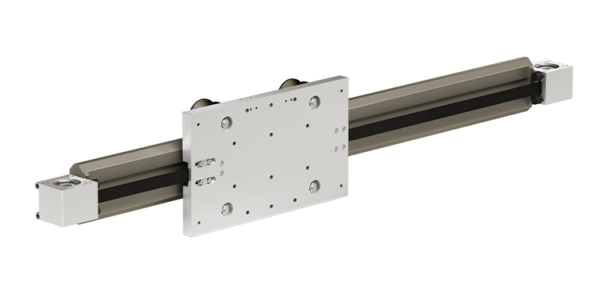
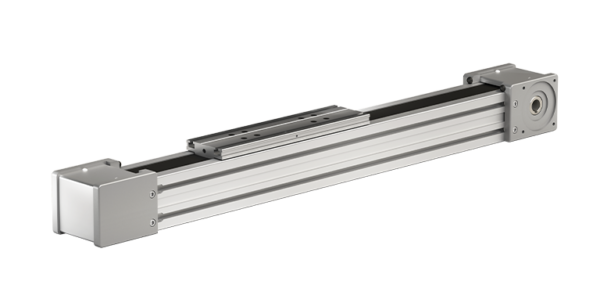
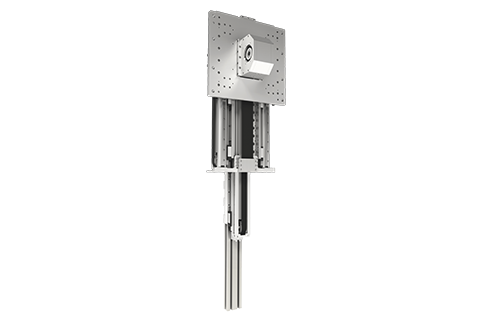
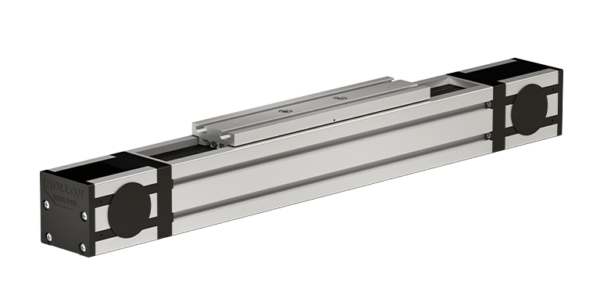
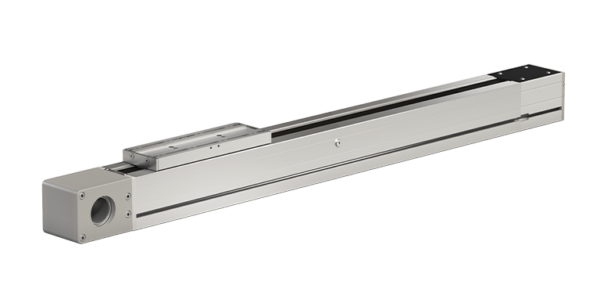
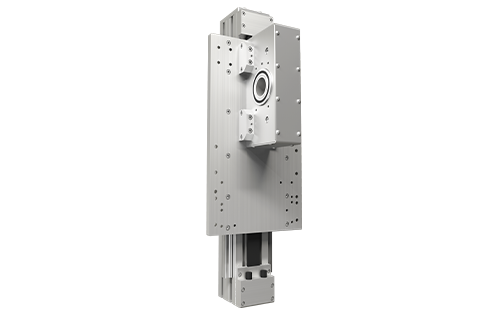
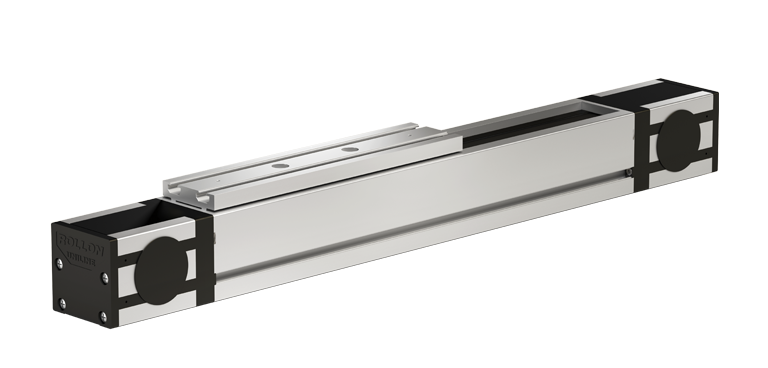

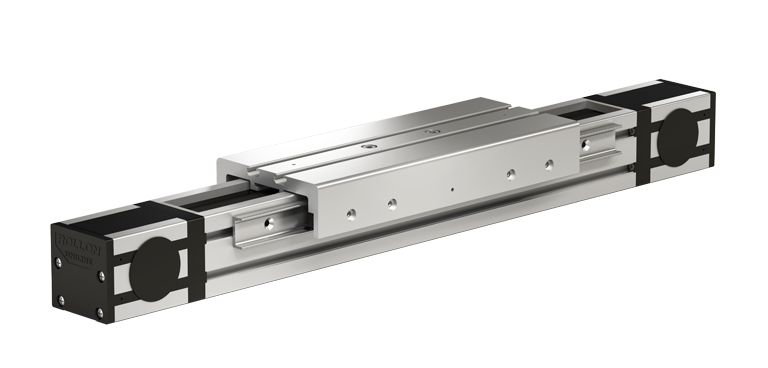
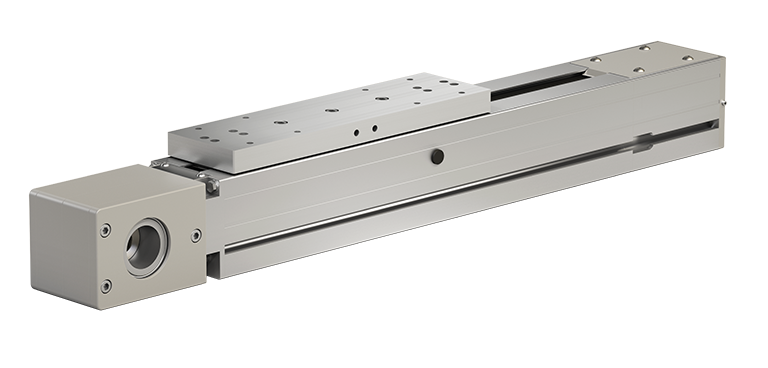
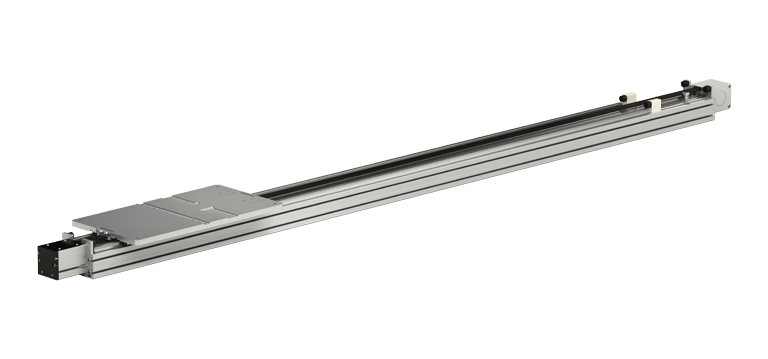
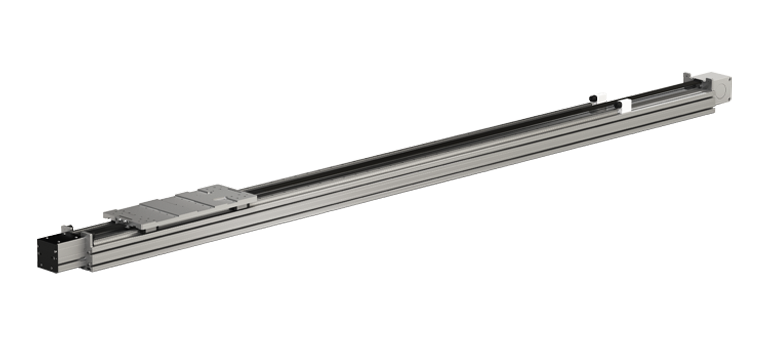
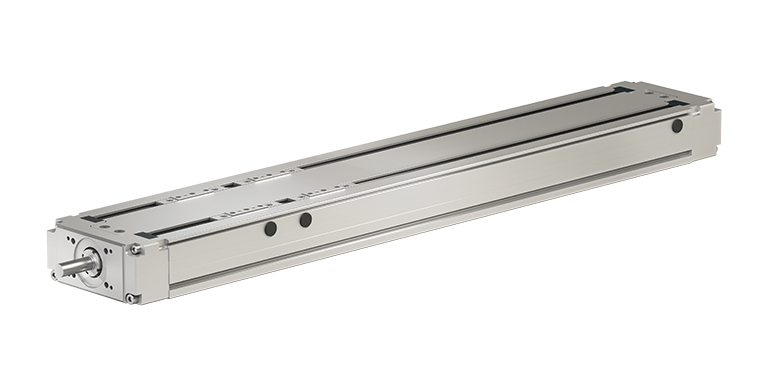
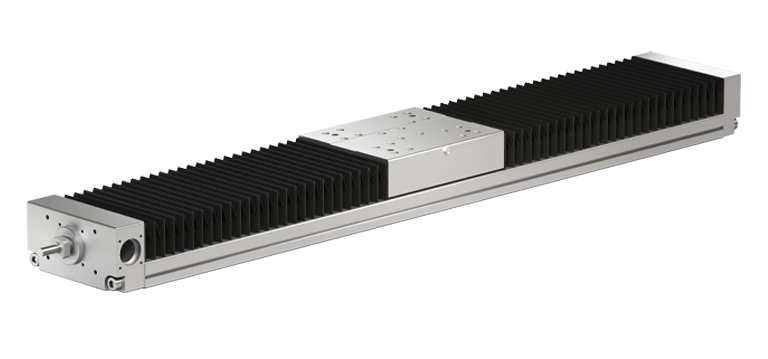
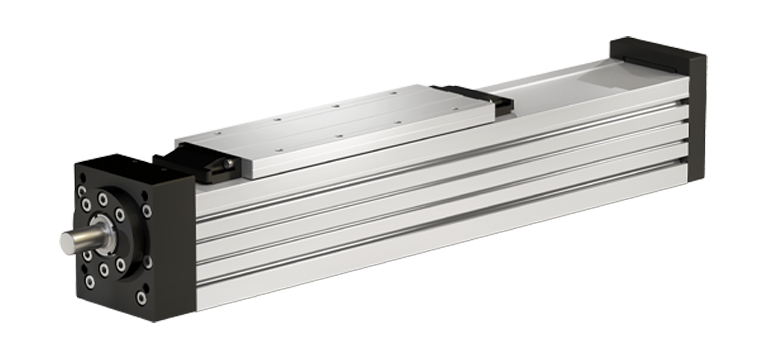
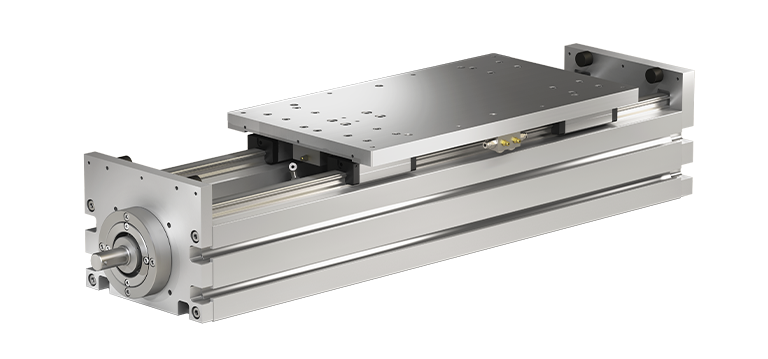
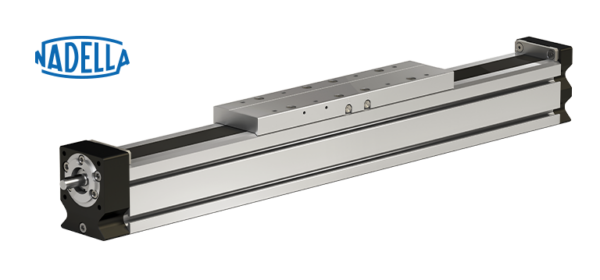
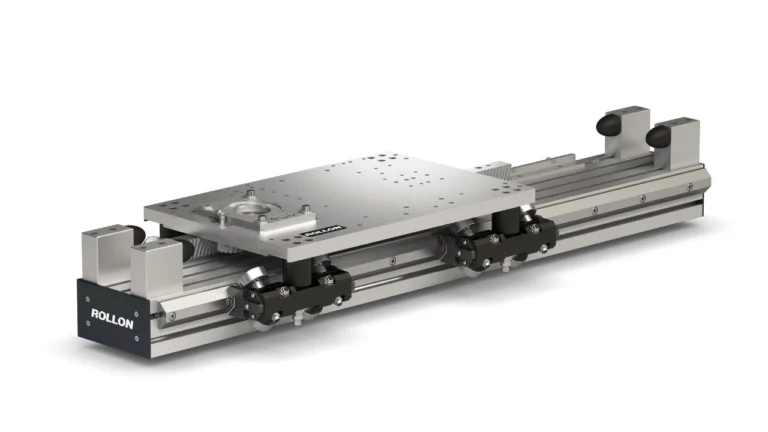
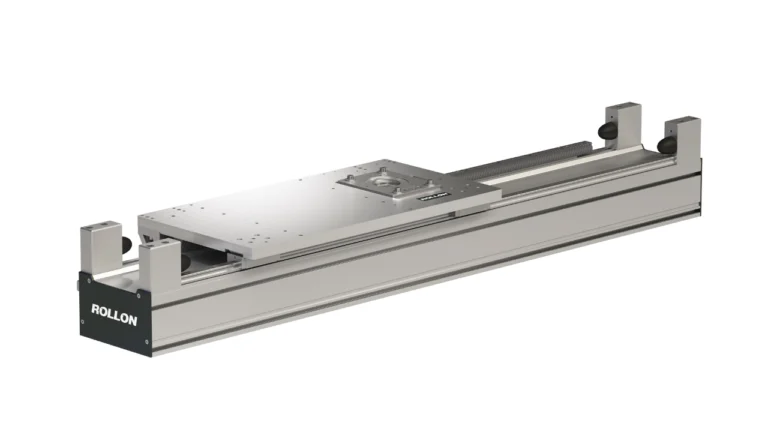
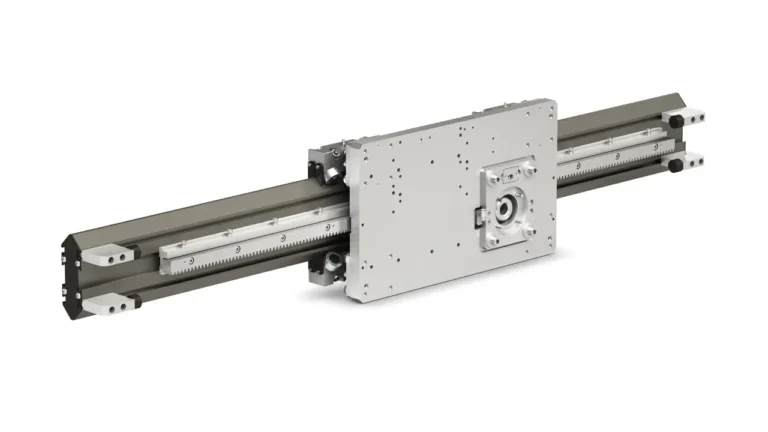
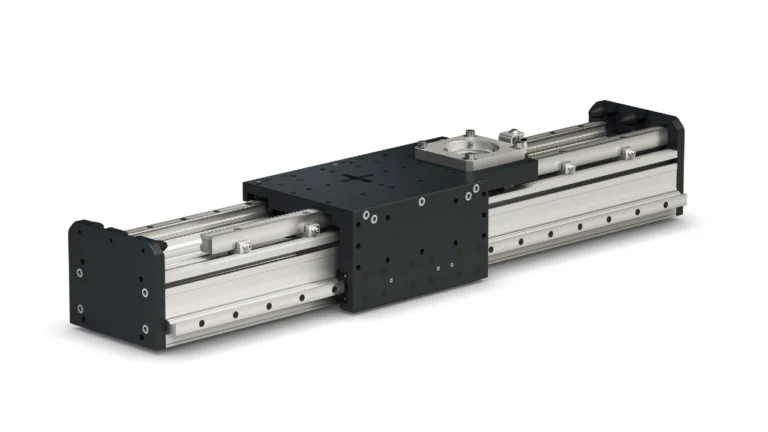
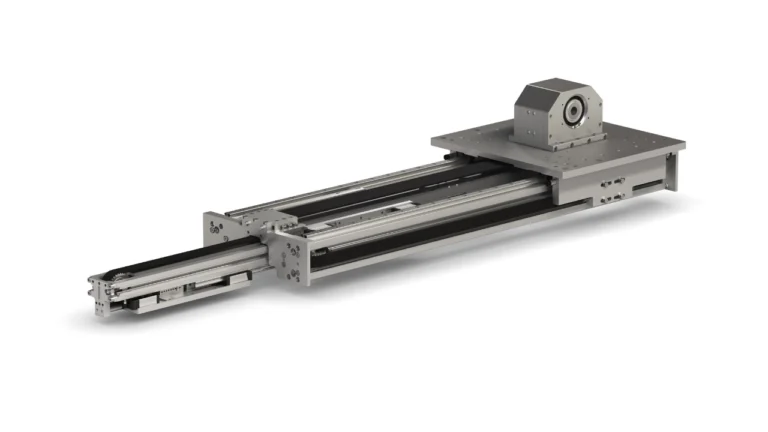
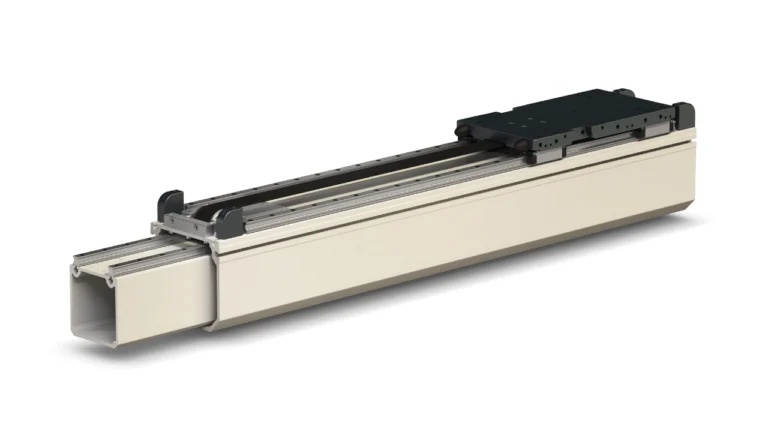
What are industrial linear actuators
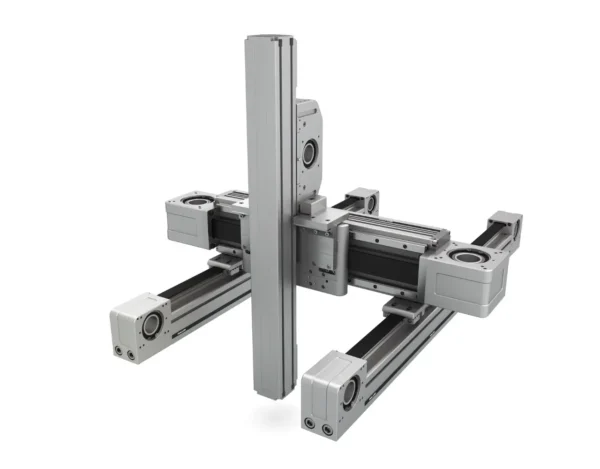
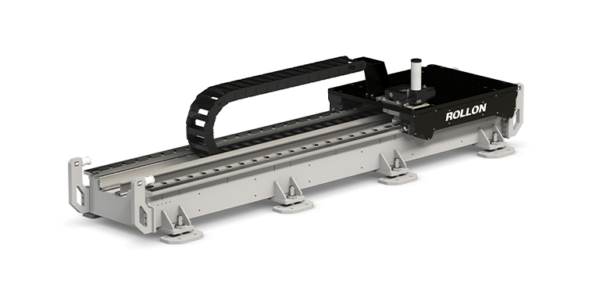
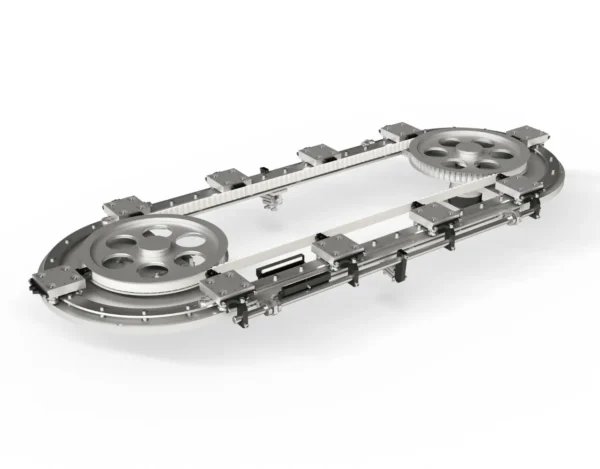
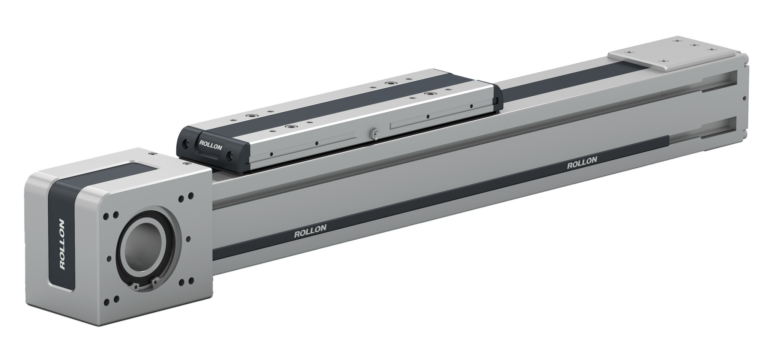
Industrial linear motion actuators are motion devices engineered to deliver dependable linear travel under load. They are widely used in manufacturing, material handling, packaging, robotics and automated assembly lines. Built to ensure durability and accuracy, industrial linear actuators can be configured as belt-driven, screw-driven or rack-and-pinion systems, and are often combined with guides and carriages to form a complete linear axis or linear module capable of supporting high speeds, long strokes or demanding cycle rates.
How do linear actuators work?
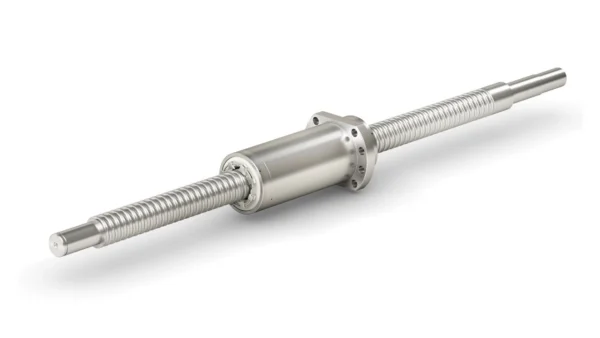
A linear motion actuator works by converting rotational movement into straight-line displacement. Depending on the design, this conversion may occur through a ball screw, a belt system, or a rack-and-pinion mechanism. The actuator then moves a carriage or platform along a guided path, providing accurate and repeatable motion for automated processes.
How to use linear actuators?
Using linear actuators involves selecting the right model for the required speed, load, stroke length and environmental conditions, then integrating it into the machine’s motion system. Proper alignment, lubrication and regular maintenance help ensure reliable performance and long service life.
- All
- Aerospace
- Building and Furniture
- Electronics
- Food & Beverage
- Industrial Machines
- Machine Tool
- Healthcare
- Material Handling
- Packaging
- Railway
- Robotics & Automation
- Special Vehicles
- Vertical Farming