 Linear guides
 Linear actuators
 XP Xtrem Position
 Rod ends
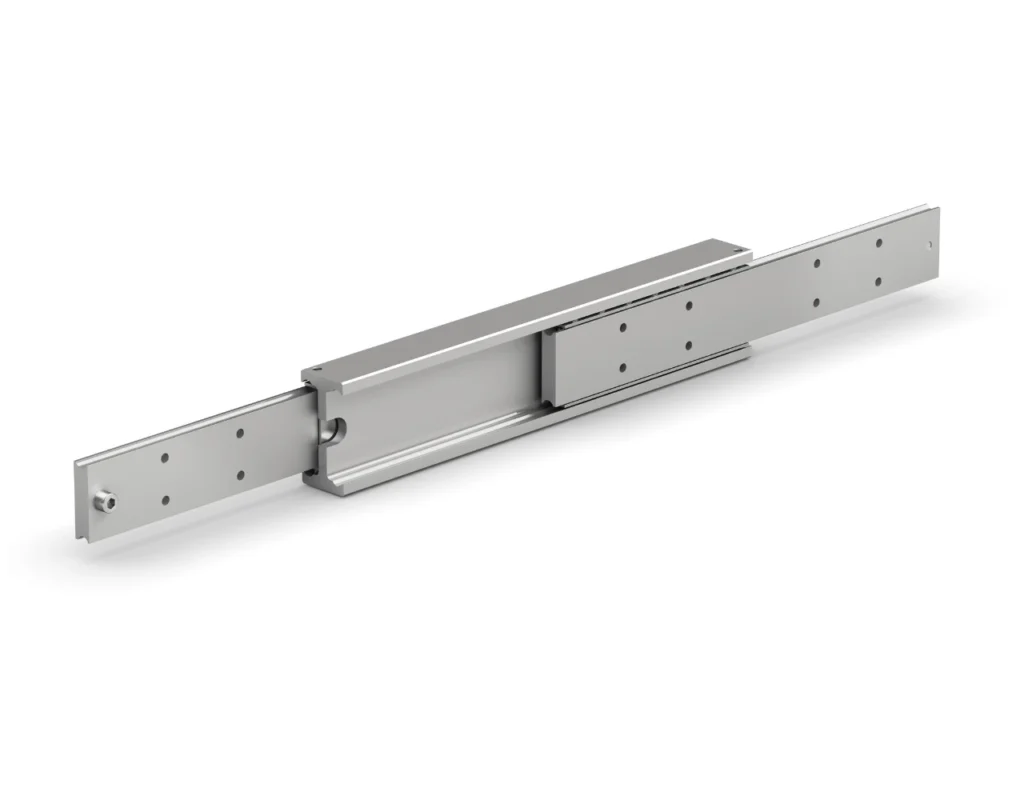 Telescopic rails
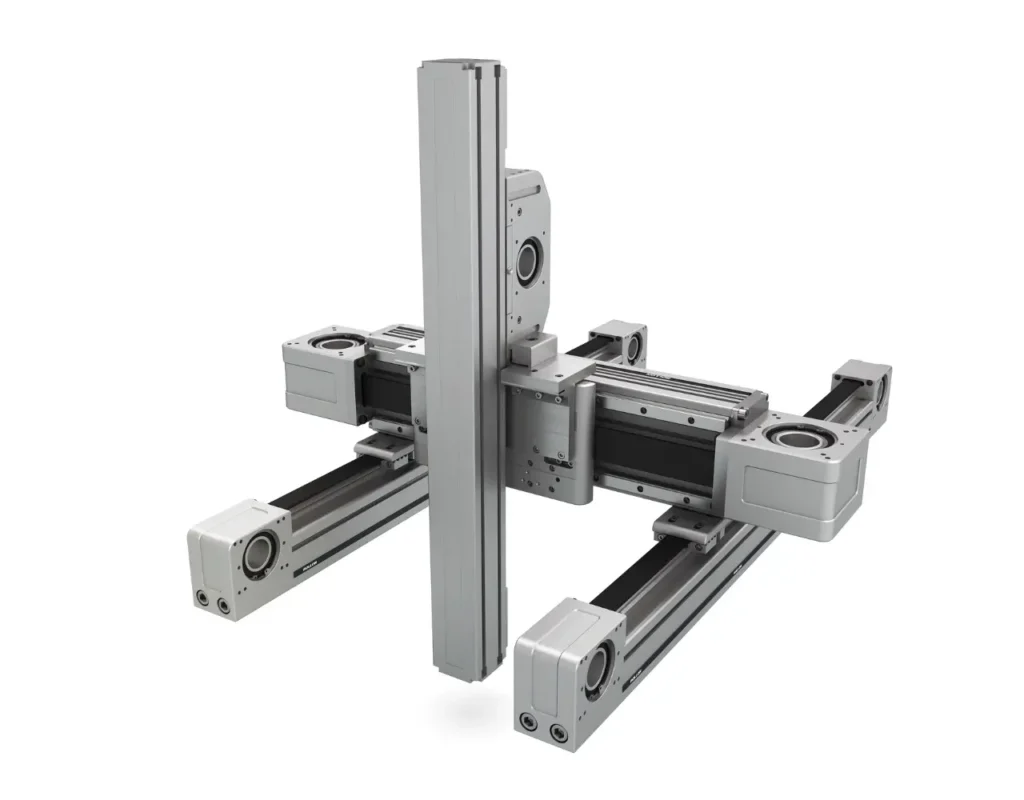 Multi-axis
 XL Xtrem Load
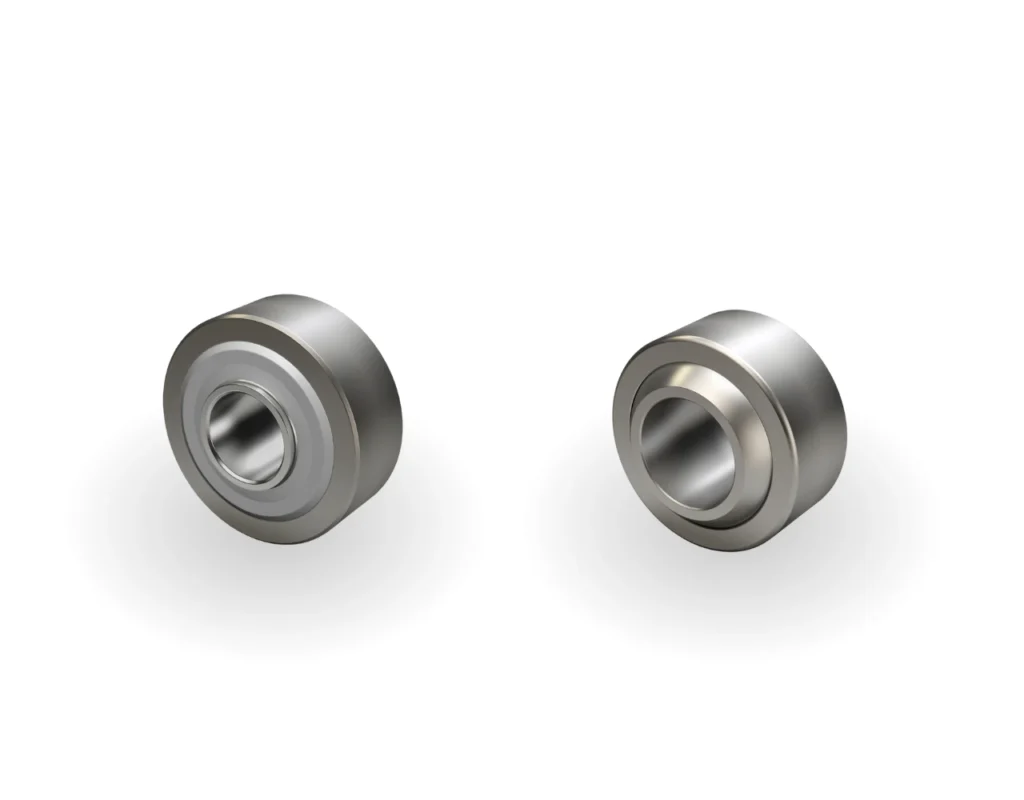 Spherical plain bearings
 Curved guides
 Robot transfer units
 XT Xtrem Transport
 Needle roller bearings
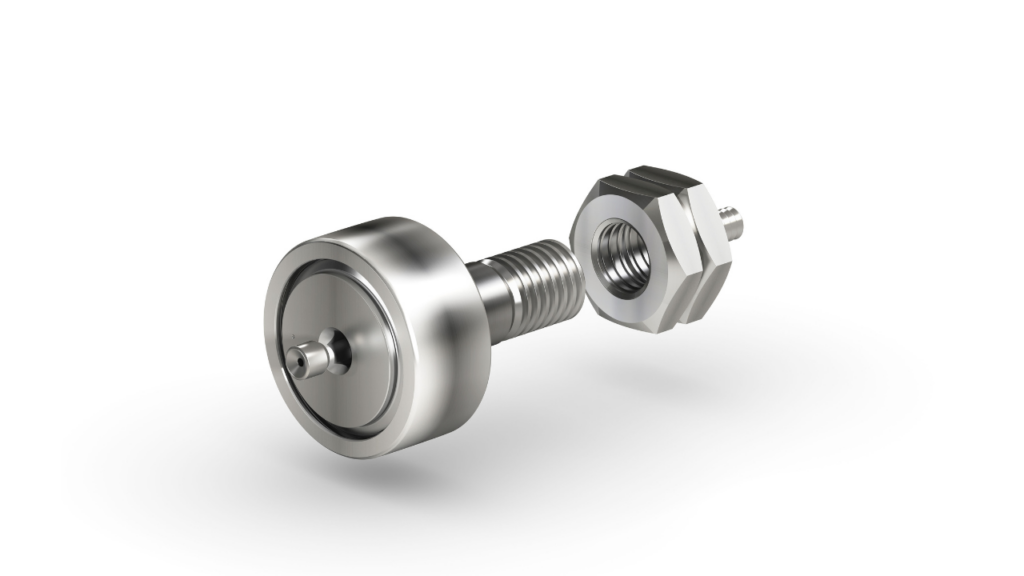 Cam followers
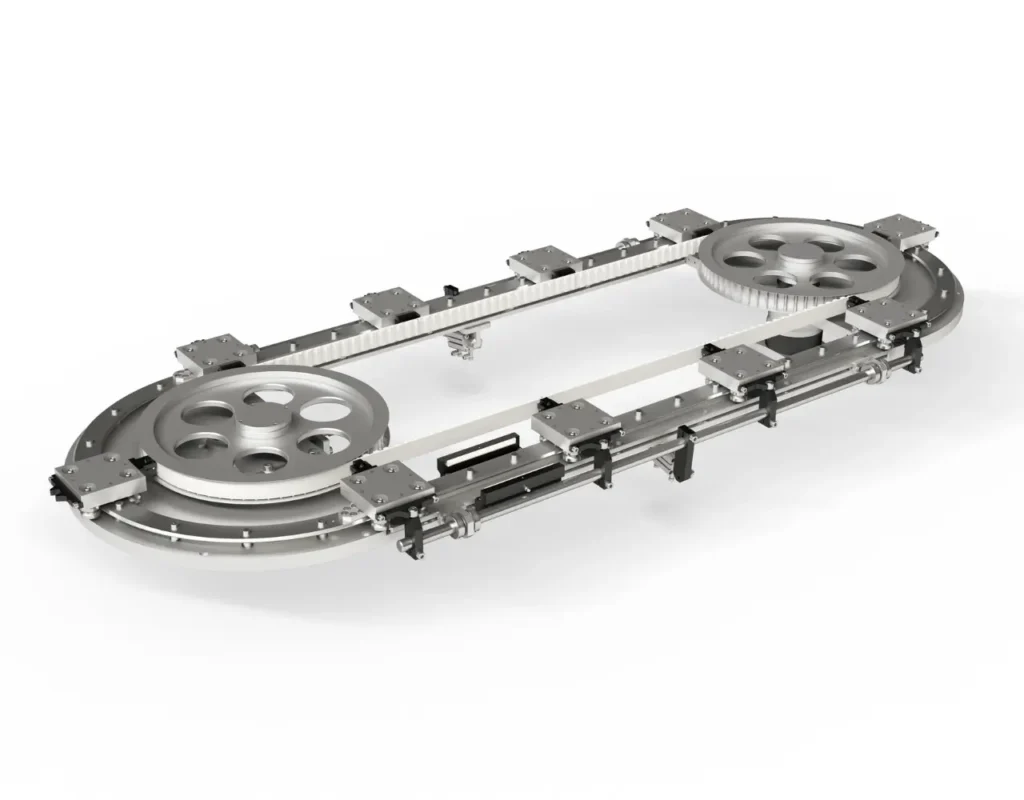 Circular systems
 Rollon RB
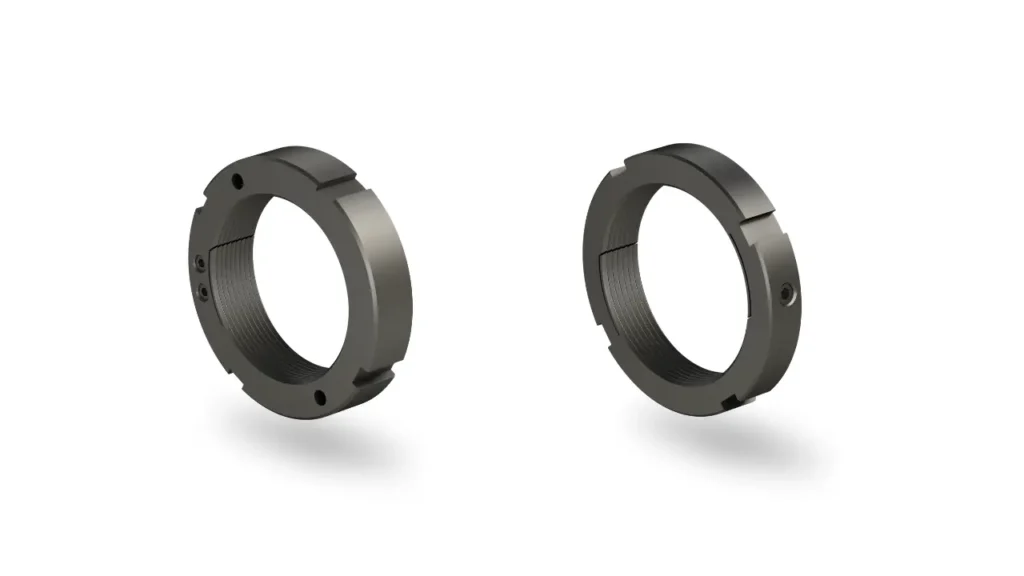 Locknuts and rings
 Aerospace
 Building and Furniture
 Electronics
 Food & Beverage
 Healthcare
 Industrial machines
 Machine tool
 Material Handling
 Packaging
 Railway
 Robotics & Automation
 Special Vehicles



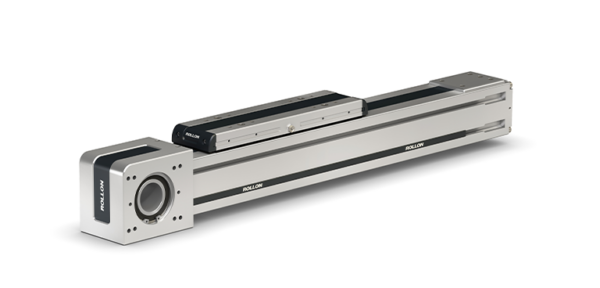
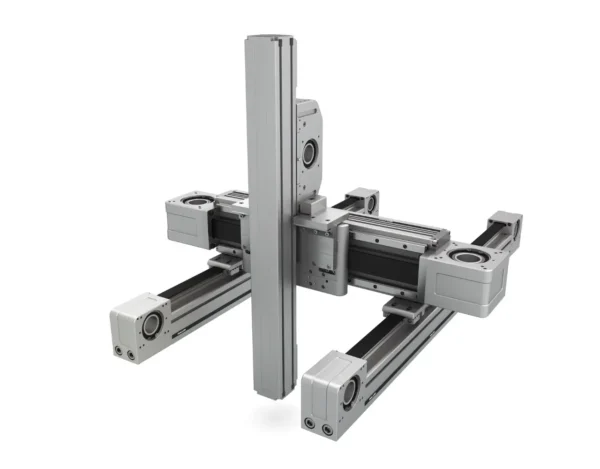
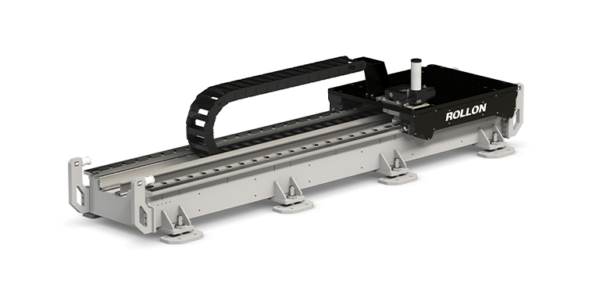
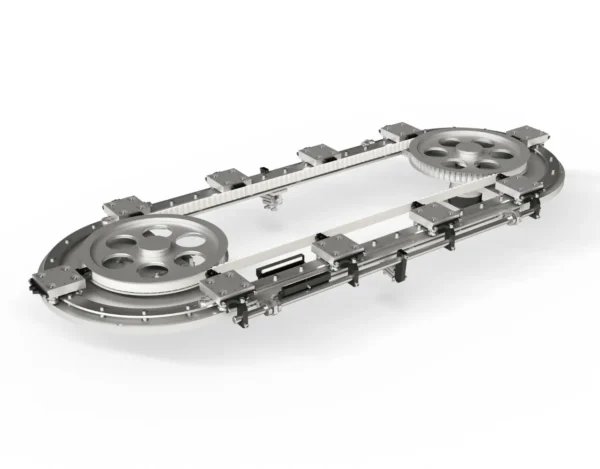






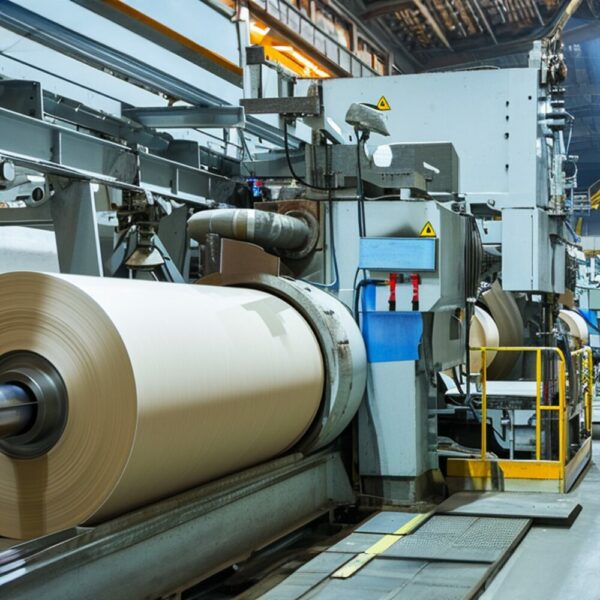


















Across all industries, there is a global trend towards electrification — the design and use of motion systems based on electric motors rather than internal combustion, fluid power, or even manual means. The driving factor? An evolution is underway to make all industrial settings cleaner, quieter, and more efficient. Electric systems help machine builders satisfy all these objectives.
Leading the migration from fluid power to electric power are the machine-tool, aerospace, and off-highway industries.
For the special case of replacing hydraulic cylinders, electric-motor linear actuation can use rack-and-pinion sets, leadscrews and jackscrews, roller screws, and ball screws. However, ball screws are often the most efficient and viable of these options for replacing hydraulics.
This white paper details how ball screw-based actuation differs from that based on hydraulic cylinders — and where the two technologies compete. Also detailed are the sizes, geometries, and capabilities of large-format ball screws that offer an alternative to fluid power in challenging applications.
Ball screw actuation and variations
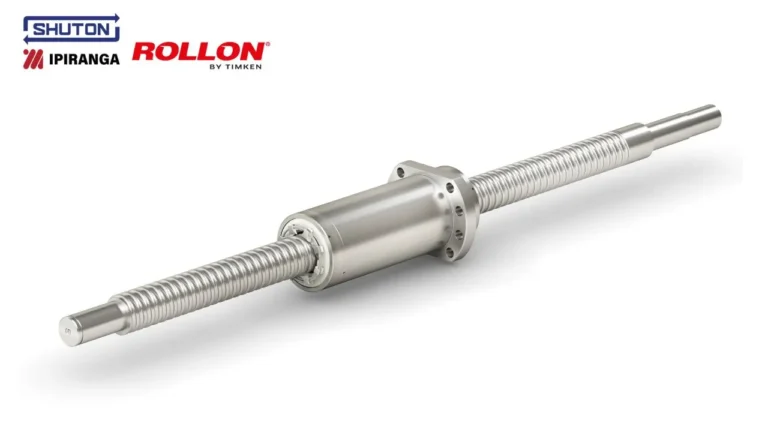
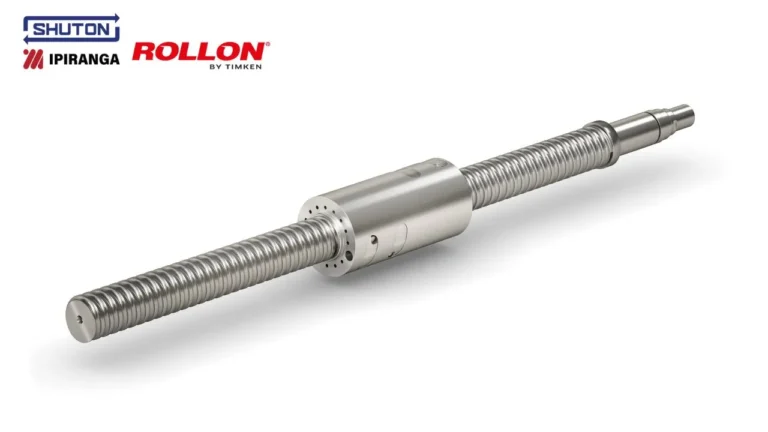
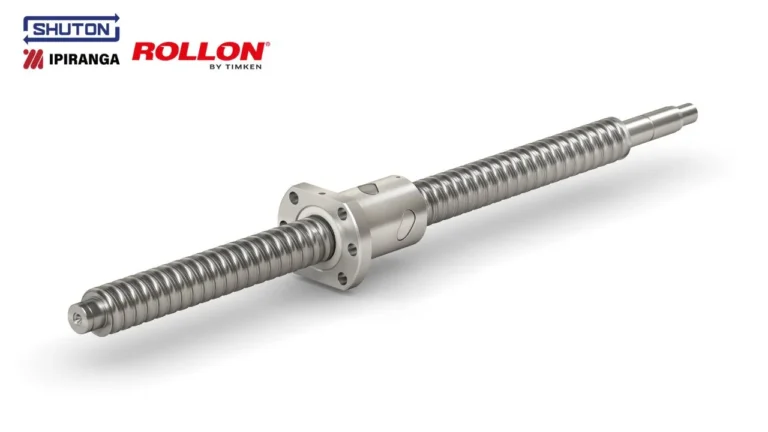
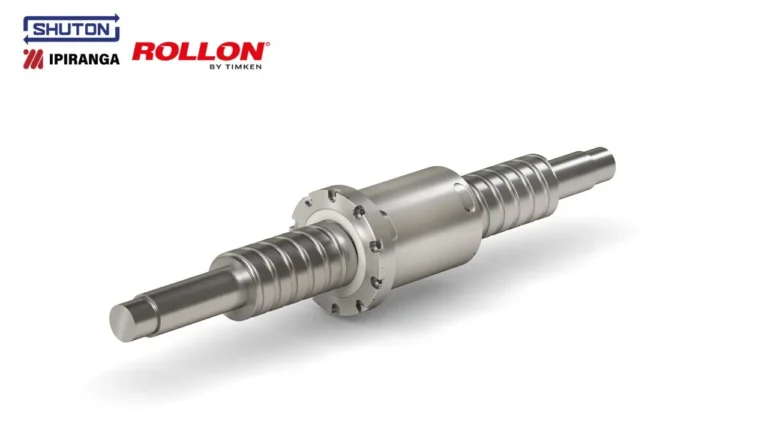
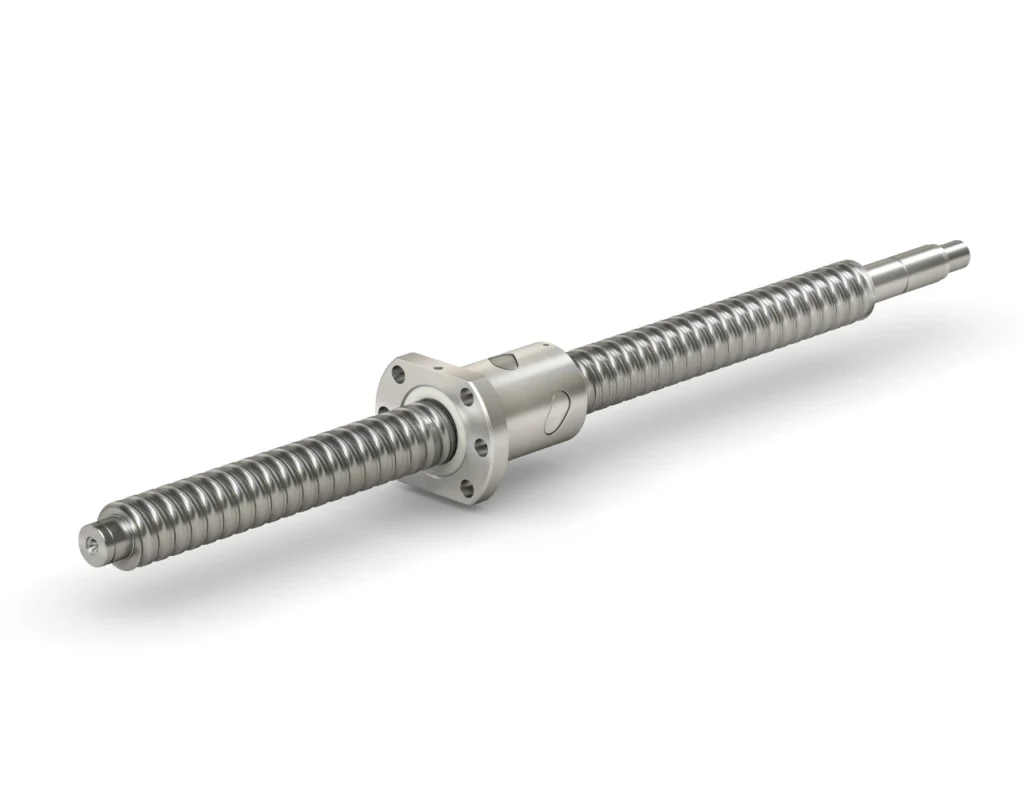
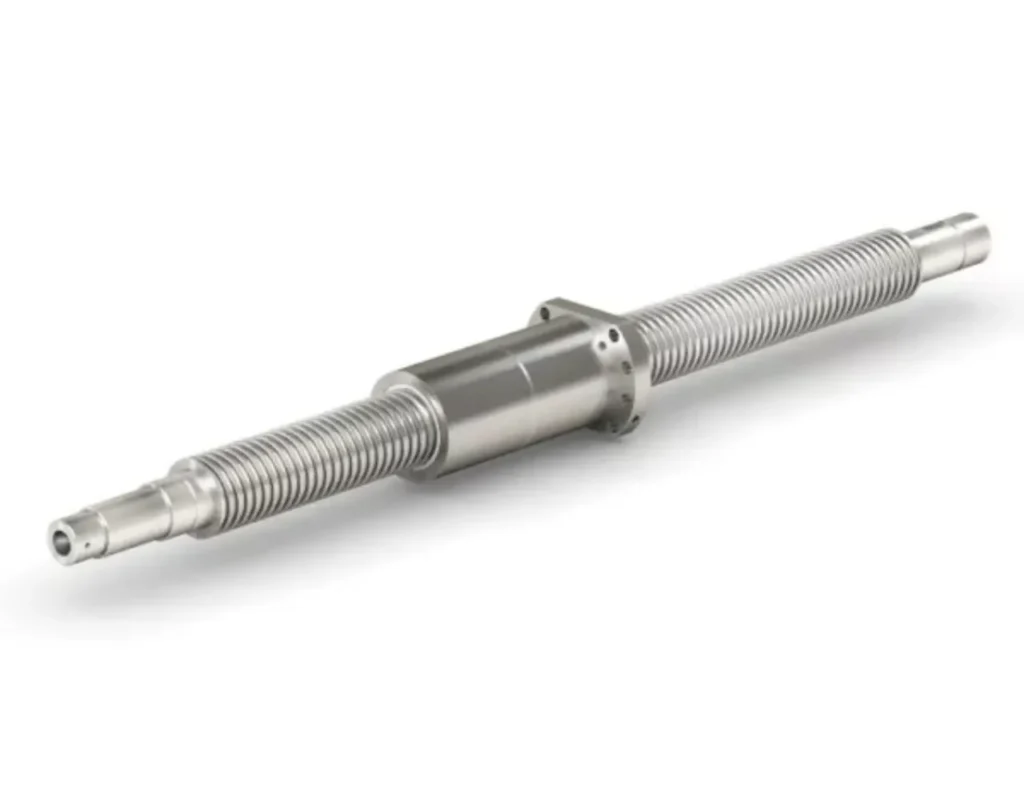
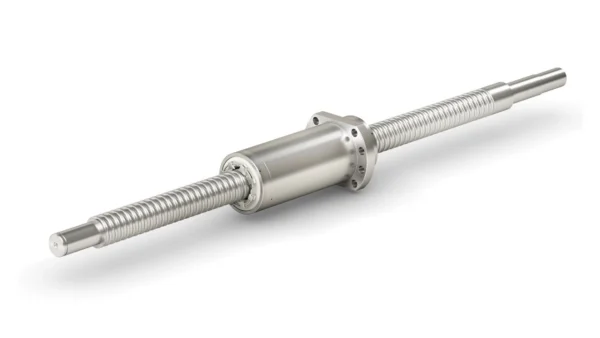
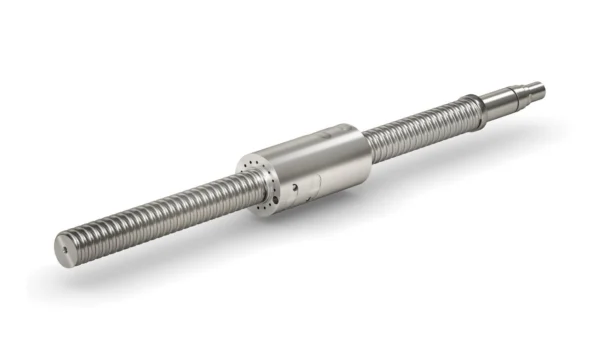
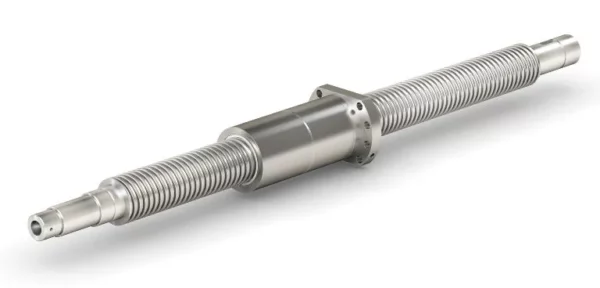
Ball screws — with typical maximum-output forces of 1 to 200 kN — are efficient and precise mechanical motion components that convert the rotary output of an electric motor into translational (linear) motion. The greatest benefit of these rotary-to-linear components is their extremely low-friction operation.
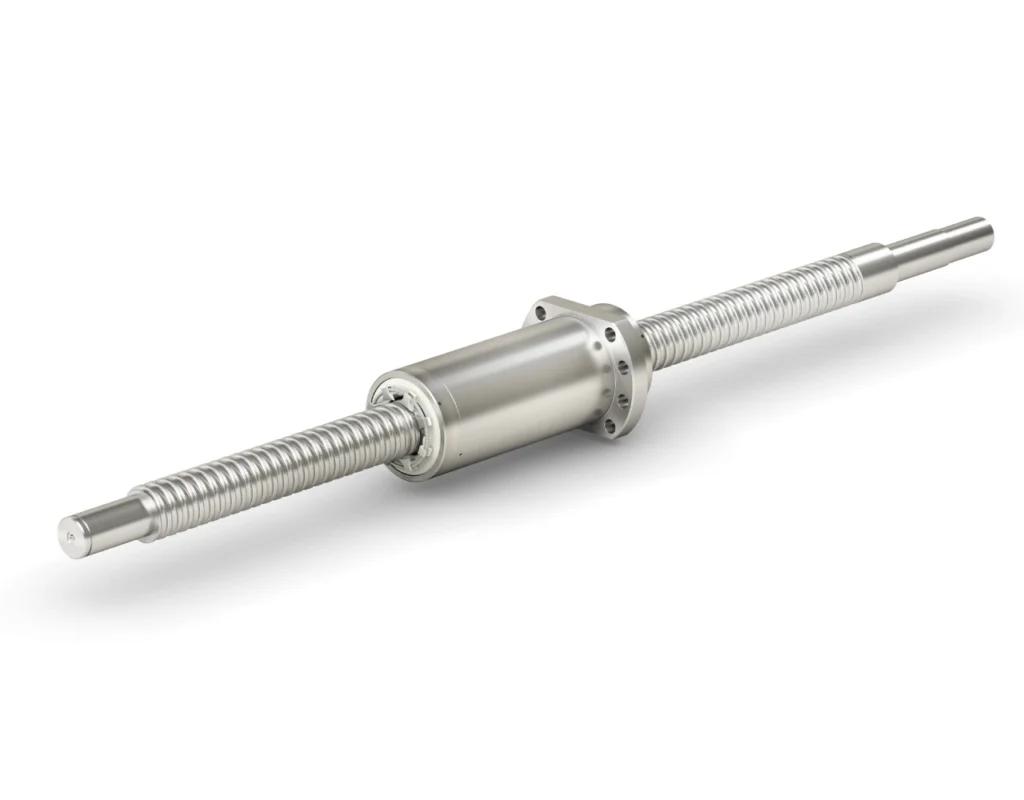
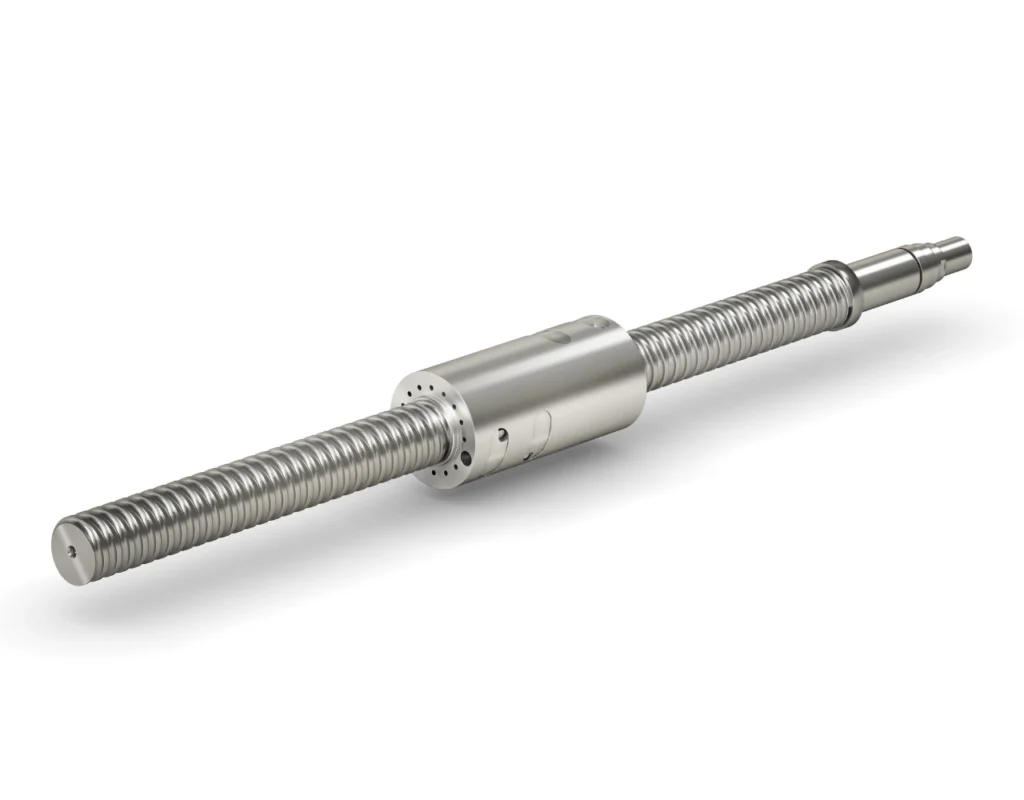
Ball screws include a threaded shaft that couples with the electric-motor output shaft to rotate with it. Fitted on this threaded shaft is a mating nut containing an array of load-bearing balls. The balls serve as the intermediate contacts between the nut’s ball-circuit surfaces and the raceways of the shaft threads — bearing any attached payload while rolling to allow the nut assembly to linearly travel along the shaft length.
In other words, as the shaft rotates, the balls travel along the shaft’s helical raceways to allow for output of linear motion. Once balls have run through the load-bearing course, with the help of a deflector on or within the nut assembly, they’re redirected and recirculated to the beginning of the circuit.
Discover our full range of ball screws and see how we can meet your application needs. Download the white paper now.