 Linear guides
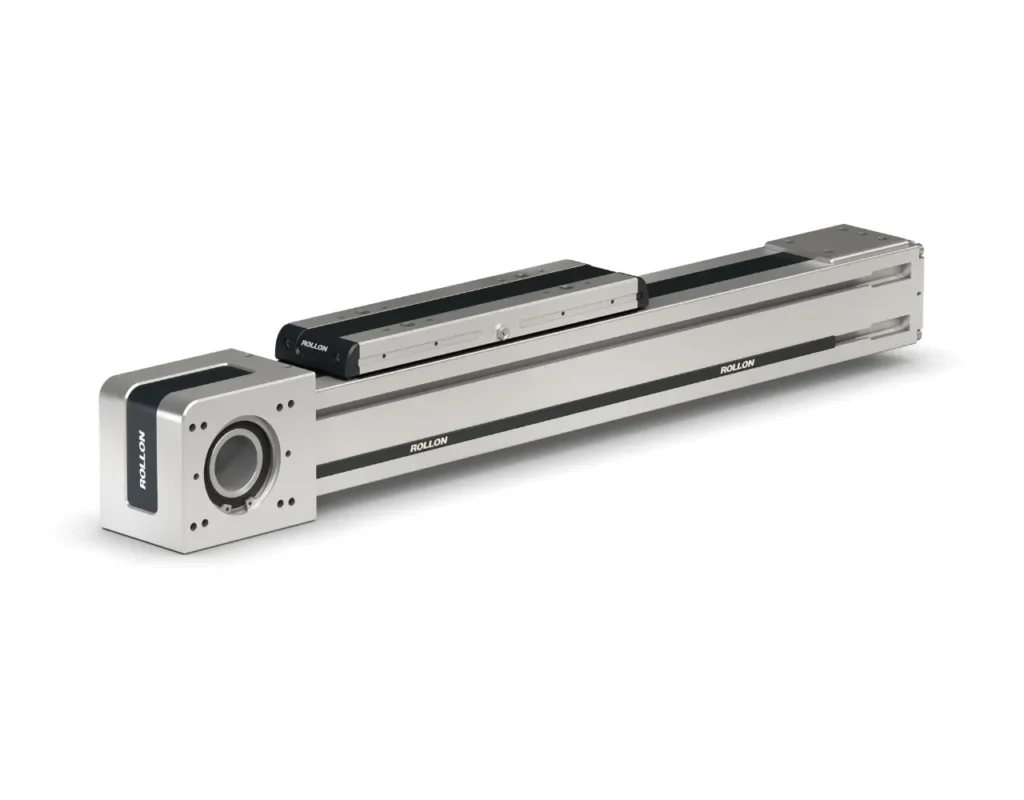 Linear actuators
 XP Xtrem Position
 Rod ends
 Telescopic rails
 Multi-axis
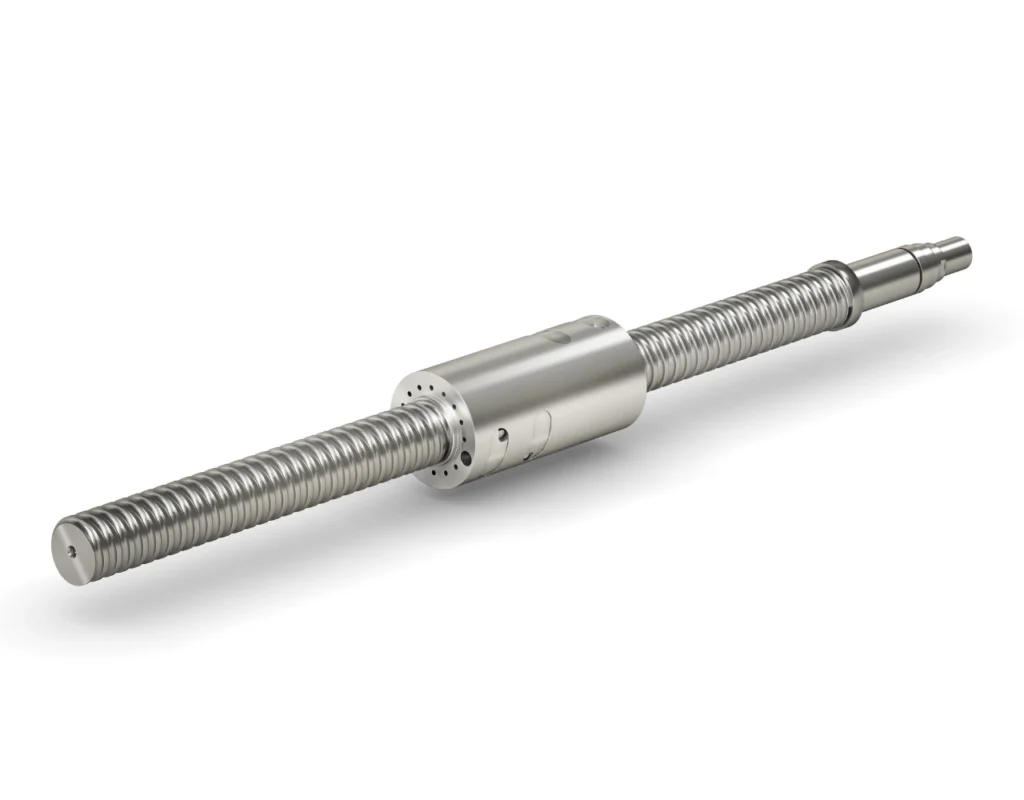 XL Xtrem Load
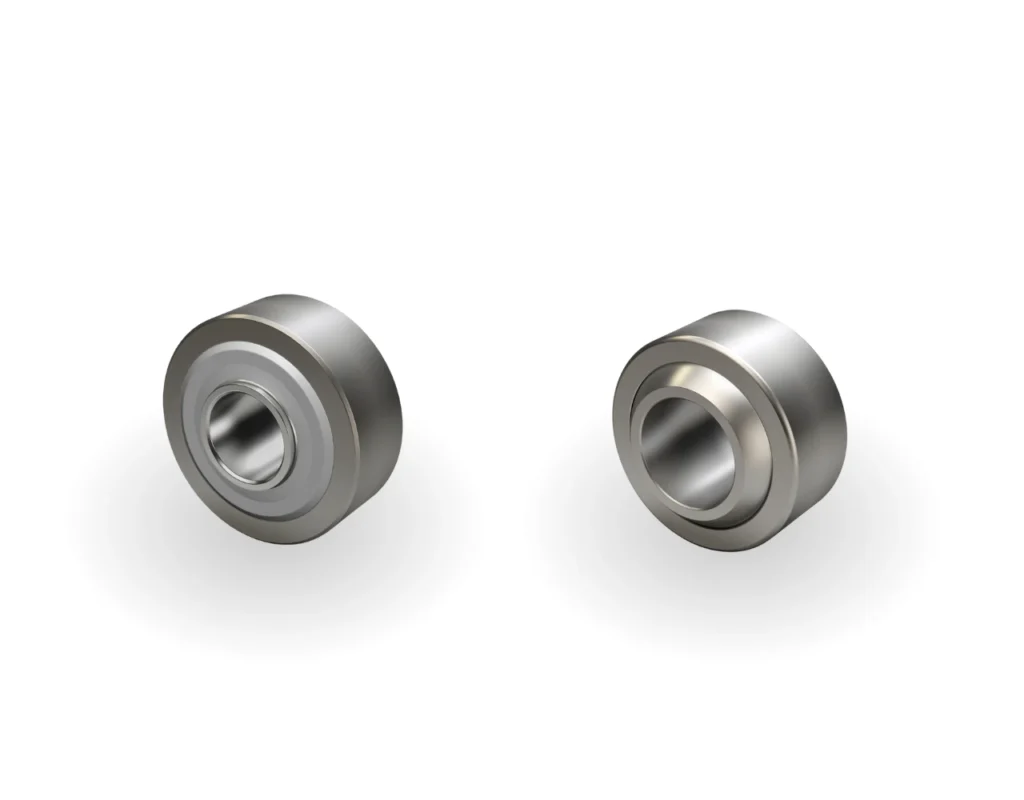 Spherical plain bearings
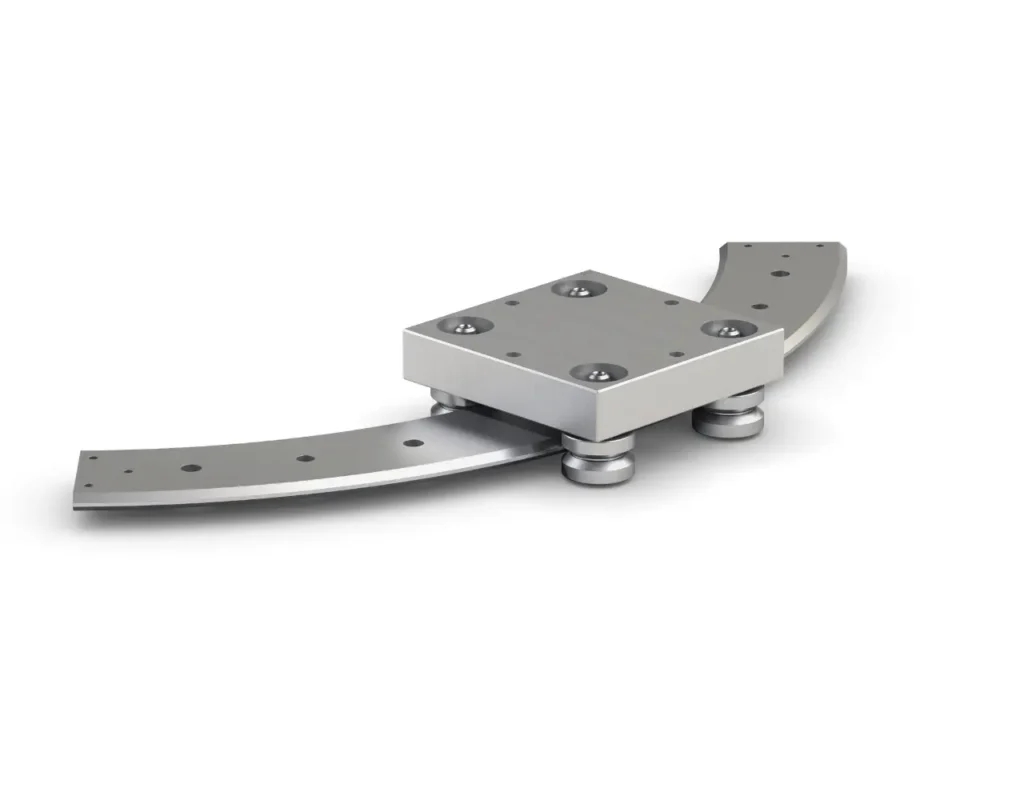 Curved guides
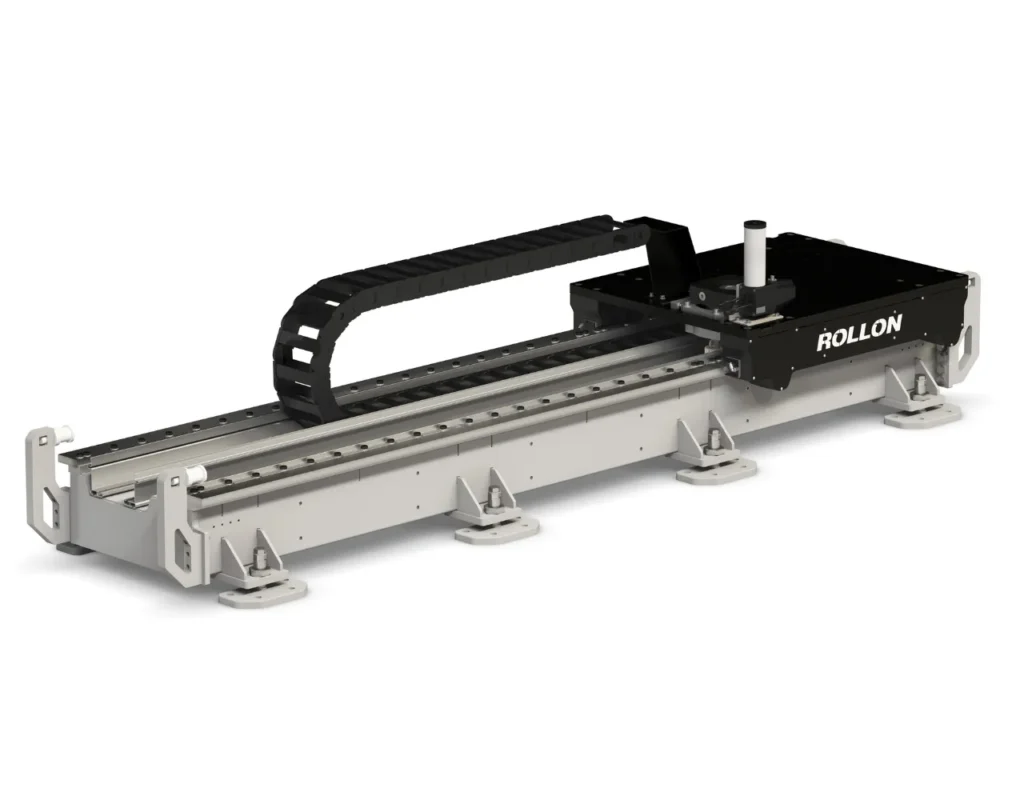 Robot transfer units
 XT Xtrem Transport
 Needle roller bearings
 Cam followers
 Circular systems
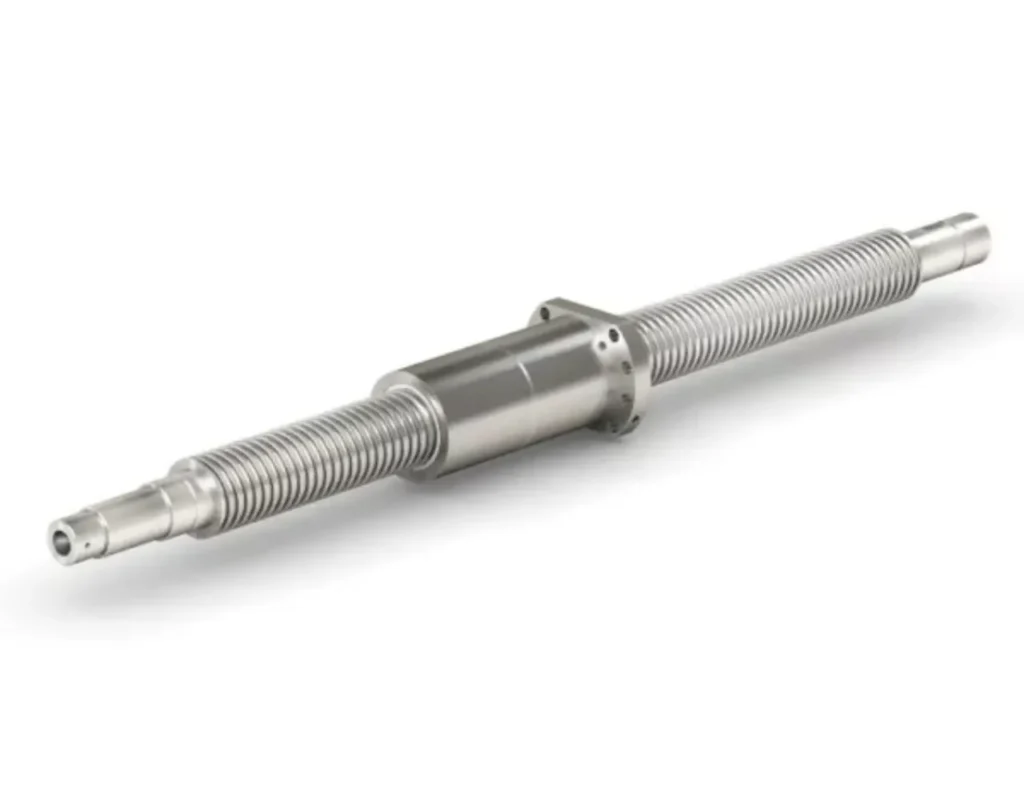 Rollon RB
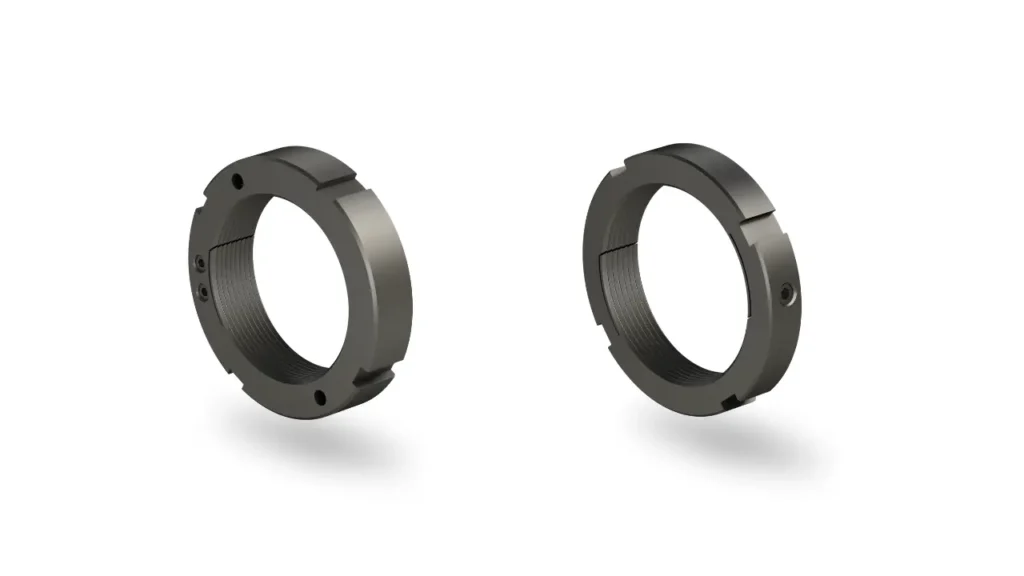 Locknuts and rings
 Aerospace
 Building and Furniture
 Electronics
 Food & Beverage
 Healthcare
 Industrial machines
 Machine tool
 Material Handling
 Packaging
 Railway
 Robotics & Automation
 Special Vehicles



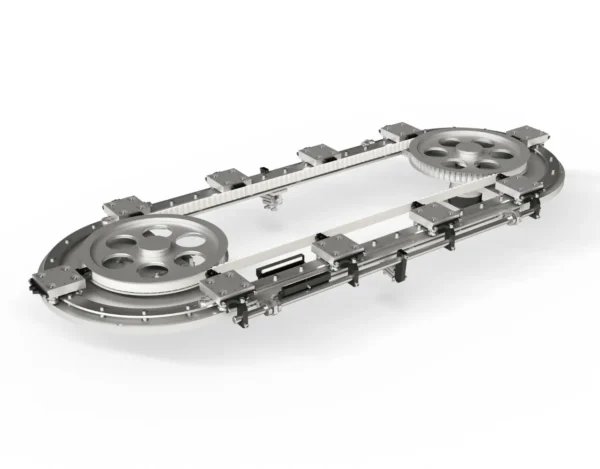
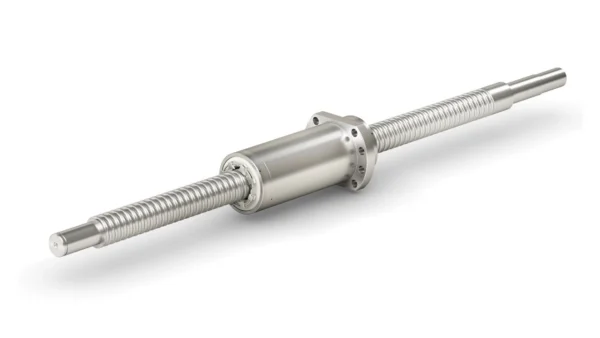
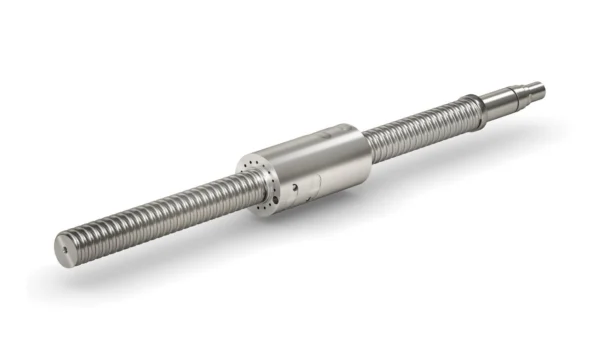

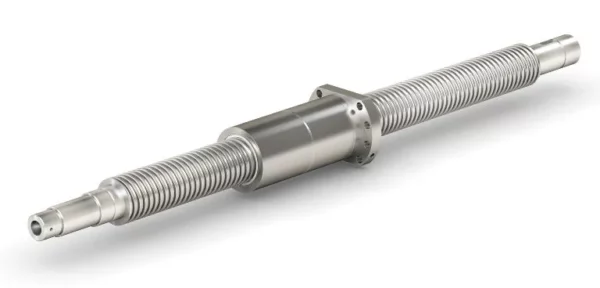






















Selecting the right actuator is one of the most important decisions in designing any automation system. Whether the goal is to move a robotic arm, position a component on an assembly line, or drive a conveyor, the choice of actuator directly affects performance, reliability, and cost-efficiency. This actuator selection guide explores how to evaluate actuator selection criteria, calculate the proper actuator torque, and perform accurate actuator sizing to achieve both technical and economic optimization
Understanding Actuator Selection Criteria
The process of actuator selection begins with identifying the specific operational and environmental requirements of the application. Actuator selection criteria typically include factors such as load capacity, stroke length, speed, precision, and duty cycle. However, beyond these core specifications, designers must also consider temperature variations, vibration exposure, and integration with other components like guides or sensors.
Overlooking these aspects often leads to what engineers call “actuator overkill,” where a system is designed with far greater power and precision than necessary. This approach not only inflates costs but also increases energy consumption and maintenance complexity.
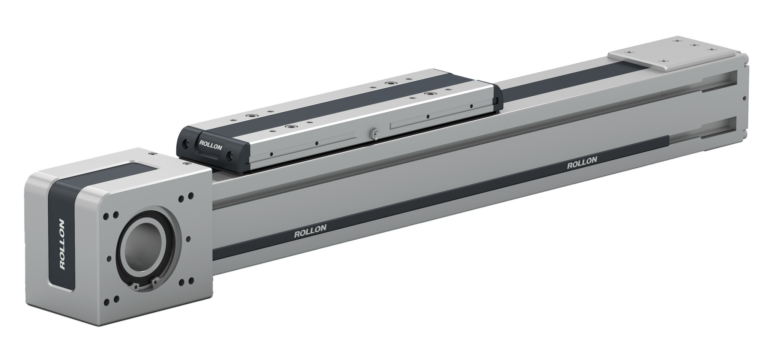
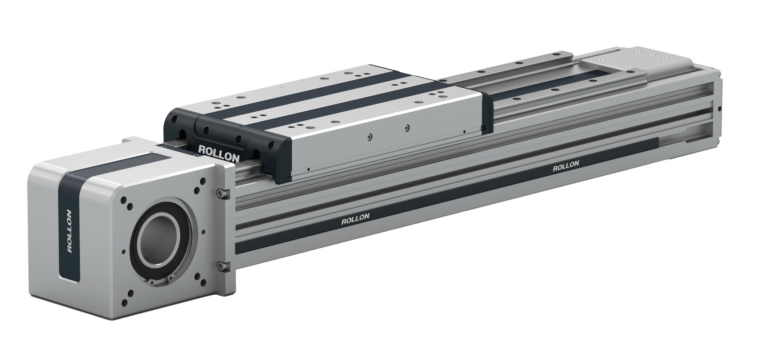
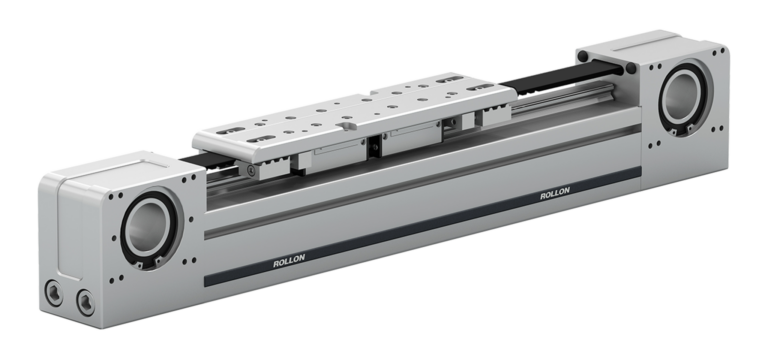
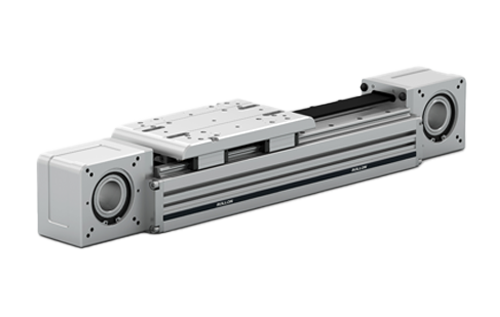
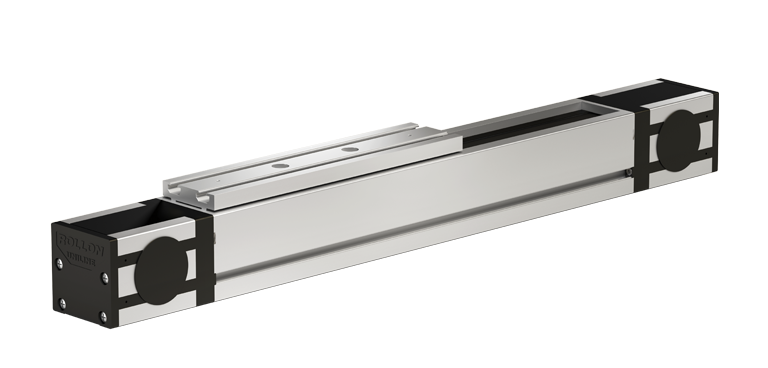
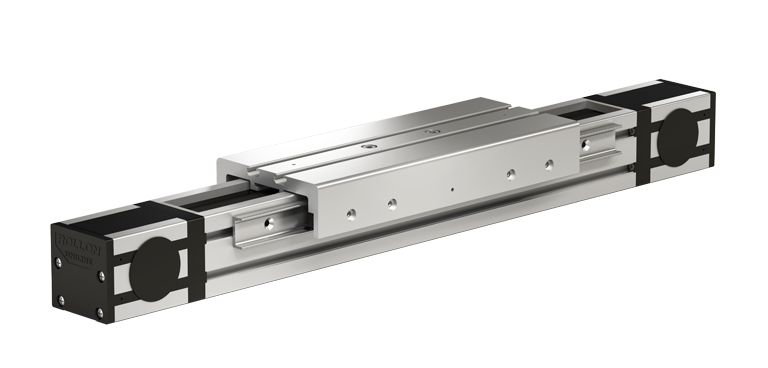
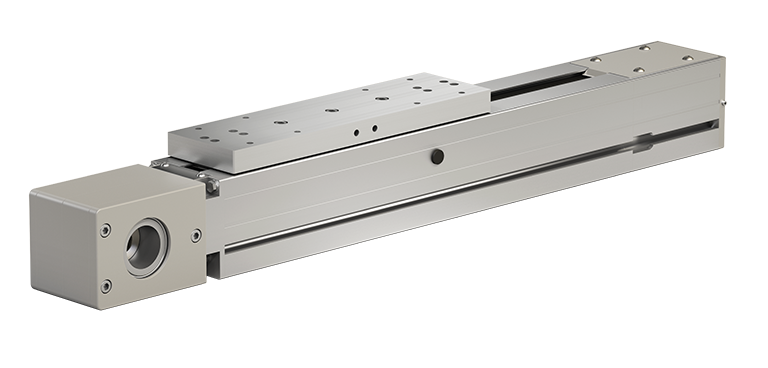
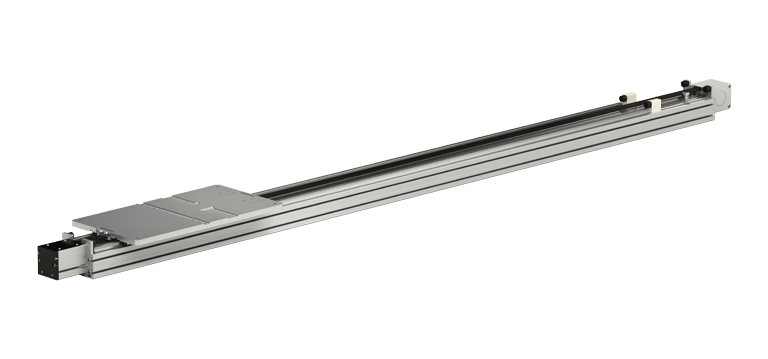
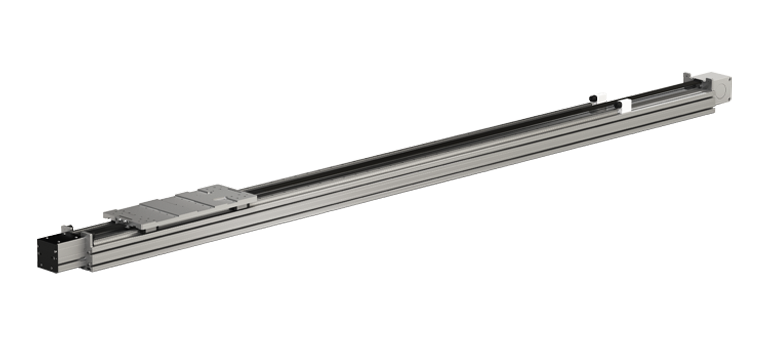
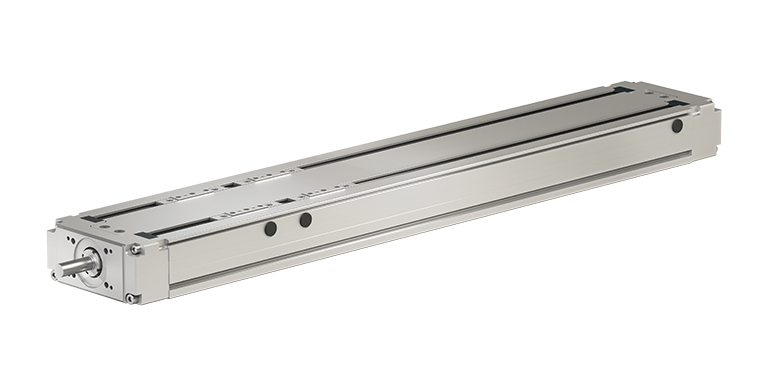
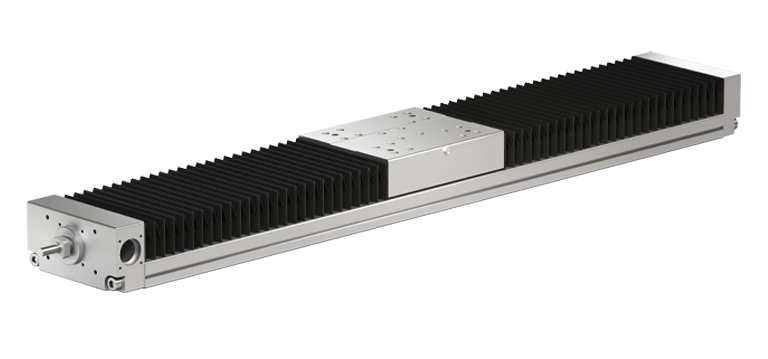
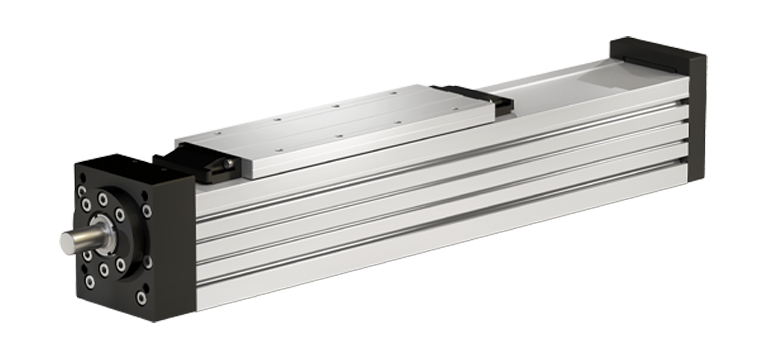
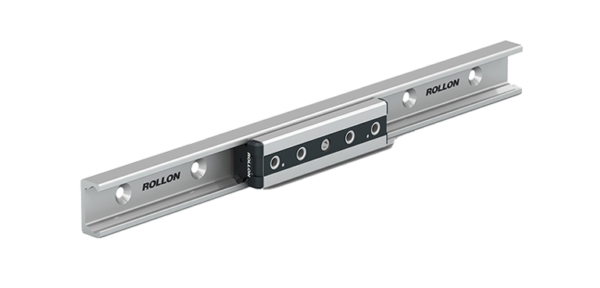
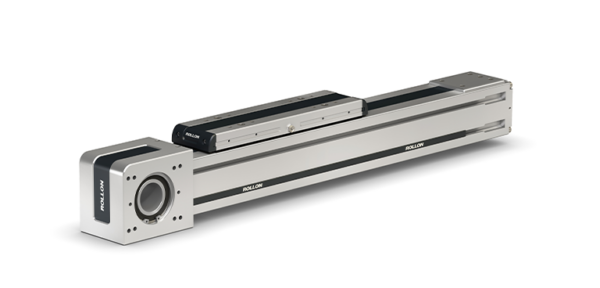
Rollon’s linear actuators provide a range of drive technologies, including belt-driven, ball-screw, and rack-and-pinion models, allowing engineers to match actuator performance precisely to the intended application. Each option offers a different balance between speed, load capacity, and precision, giving flexibility to select the optimal configuration while maintaining cost efficiency. With modular design and robust performance, Rollon’s actuators can be customized to meet precise actuator selection criteria without compromising economic efficiency.
Actuator Torque Calculation and Sizing Principles
Accurate actuator torque calculation is a critical step in selecting the right actuator. Torque defines how much rotational force the actuator must deliver to move the load while overcoming inertia, friction, and external forces such as gravity or pressure. Engineers typically calculate the required torque based on load mass, desired acceleration, and the geometry of the motion system.
Proper actuator sizing ensures both mechanical and economic balance by matching the actuator’s torque, speed, and stroke length to the exact operational conditions.
Rollon actuators are designed to deliver optimal torque efficiency across various duty cycles. Their precision engineering allows smooth linear motion and controlled force output, ensuring accurate actuator torque calculation alignment with real-world performance.
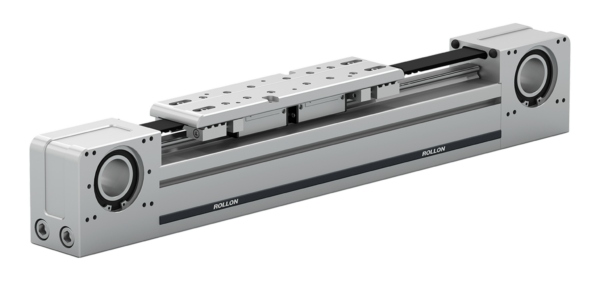
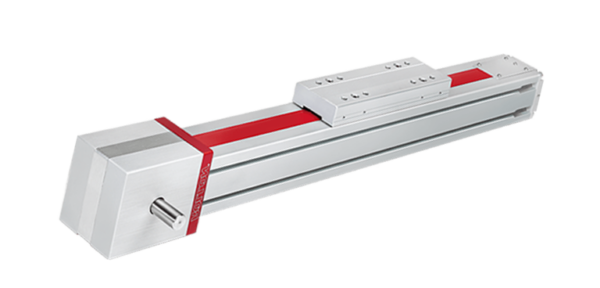
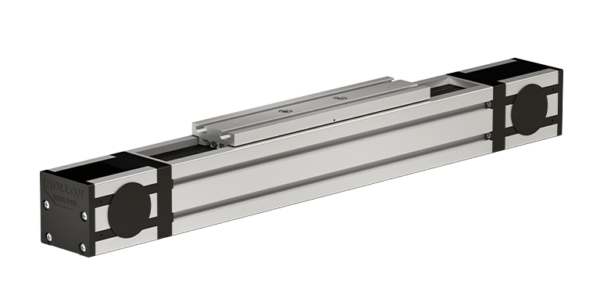
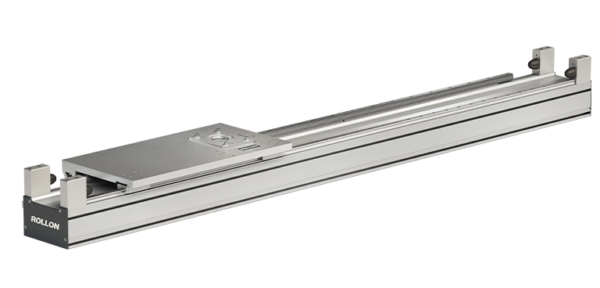
E-Smart series belt driven actuator
Pneumatic Actuator Sizing and Its Applications
Among the many actuator types, pneumatic actuators remain a popular choice for their simplicity, speed, and cost-effectiveness in repetitive industrial tasks. However, correct pneumatic actuator sizing is essential to ensure consistent performance. The process involves evaluating air pressure, cylinder bore, stroke, and the load that the actuator must move.
If the actuator is undersized, it may not generate sufficient force to complete the stroke, leading to process interruptions. On the other hand, oversizing the pneumatic cylinder can waste energy and require unnecessarily large air compressors. The ideal approach involves precise actuator sizing that balances available air pressure with the mechanical force needed for the application.
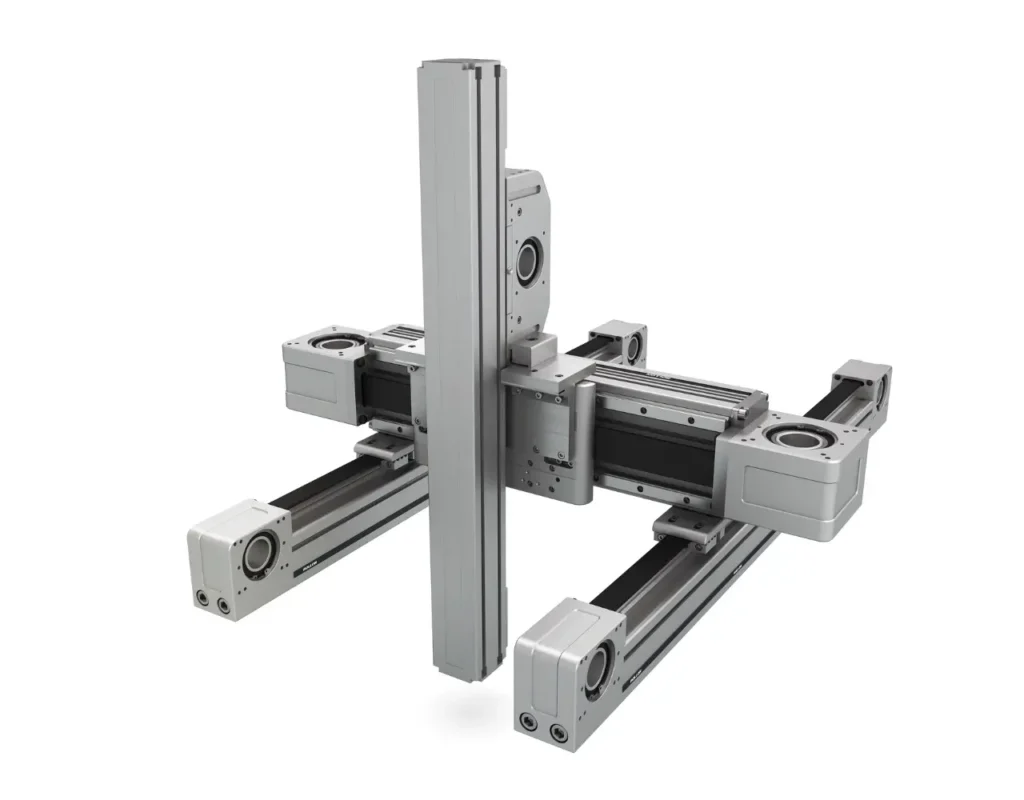
In automation setups such as material handling, palletizing, or packaging, Rollon actuators can be integrated alongside pneumatic systems to create hybrid solutions. For example, a multi-axis system using electric linear actuatorscan handle precise positioning, while pneumatic components manage repetitive clamping or lifting operations.
Economic Benefits of Automation Through Correct Sizing
Proper actuator selection does more than optimize performance; it also delivers measurable financial advantages. Conducting an automation cost benefit analysis helps quantify the long-term savings that come from accurate actuator sizing. By choosing actuators that match operational requirements, manufacturers can reduce energy costs, minimize wear and tear, and avoid the expense of frequent maintenance or replacements.
The economic benefits of automation extend beyond direct savings. Correctly sized actuators contribute to higher system uptime and improved product quality, translating to greater production consistency and customer satisfaction. For example, an oversized actuator might create unnecessary vibration or excess heat, affecting machine precision. By contrast, a properly sized actuator ensures smoother, more stable motion, enhancing reliability across the production line.
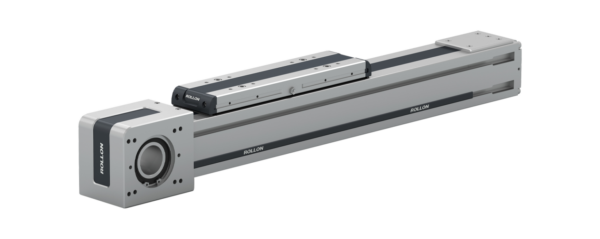
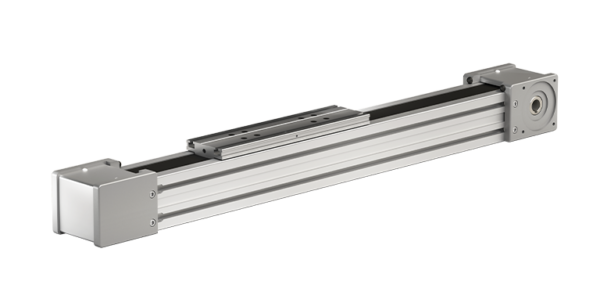
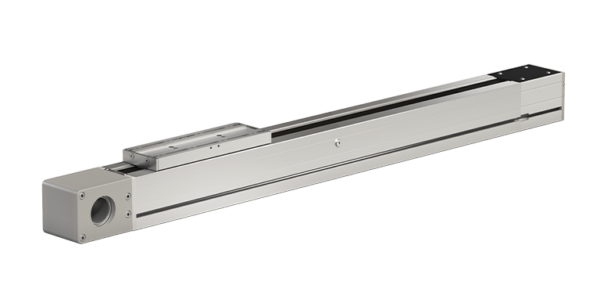
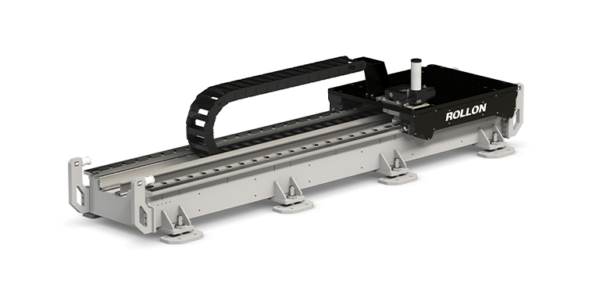
ELM Series belt driven actuator
Rollon Actuator Solutions for Industrial Applications
Rollon’s linear actuators and multi-axis systems are engineered to support industries where precision, durability, and cost control are essential. Our linear actuators belt-driven models ideal for long travel distances, screw-driven actuators for high precision, and rack-and-pinion versions for heavy-duty applications. Each product is built to provide consistent performance under varying loads and speeds, aligning with key actuator selection criteria such as torque, stiffness, and accuracy.
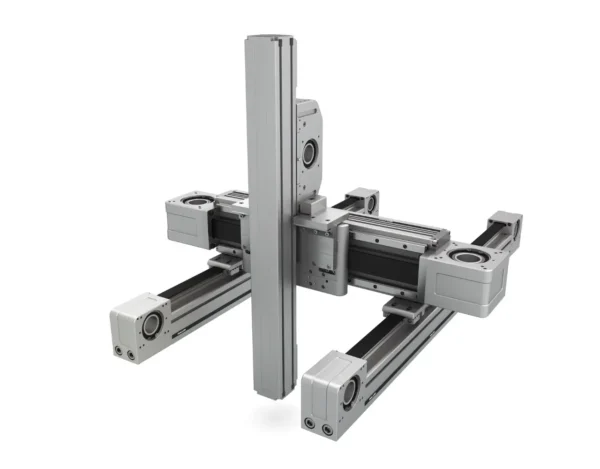
The multi-axis systems, extends these capabilities to multi-dimensional motion. These systems are particularly useful in robotics, packaging, and automated assembly processes, where coordinated movement and high repeatability are critical. Their flexibility allows integration into broader automation architectures, supporting both electric and pneumatic elements in hybrid solutions.
By focusing on efficient actuator sizing and system integration, Rollon ensures that every actuator delivers optimal performance without unnecessary cost. Each solution reflects the company’s deep understanding of automation and control engineering, where motion precision meets operational economy.
FAQs
What are the key actuator selection criteria in automation projects?
Key criteria include load capacity, stroke length, speed, precision, duty cycle, and environmental conditions, ensuring the actuator matches the application’s demands.
How is actuator torque calculation performed?
Torque is calculated by multiplying the required force by the lever arm distance, factoring in friction, acceleration, and any external resistance in the system.
When should pneumatic actuator sizing be considered?
Pneumatic sizing is important when fast, repetitive motion is needed and compressed air availability, load weight, and operating pressure must be matched for reliable performance.