 Linear guides
 Linear actuators
 XP Xtrem Position
 Rod ends
 Telescopic rails
 Multi-axis
 XL Xtrem Load
 Spherical plain bearings
 Curved guides
 Robot transfer units
 XT Xtrem Transport
 Needle roller bearings
 Cam followers
 Circular systems
 Rollon RB
 Locknuts and rings
 Aerospace
 Building and Furniture
 Electronics
 Food & Beverage
 Healthcare
 Industrial machines
 Machine tool
 Material Handling
 Packaging
 Railway
 Robotics & Automation
 Special Vehicles













As part of a fleet refit programme, Spanish railcar manufacturer CAF faced recurring reliability issues with ageing toilet door mechanisms. Rollon was selected as the preferred linear motion partner to tackle this retrofit challenge.
Rail operators need to offer high levels of service reliability while managing ageing fleets, constrained maintenance windows and rising passenger expectations. While much attention is placed on traction systems, signalling and digitalisation, it is often the performance of smaller mechanical components that can have a significant impact on operations.
Interior systems, including doors, access panels and onboard facilities, are subject to constant use and challenging environmental conditions. When these components fail, the consequences can be immediate: service delays, increased maintenance interventions, and potential disruption to operations.
This is evident in areas such as onboard toilet modules, where space constraints, high usage and exposure to moisture and cleaning agents create a uniquely demanding application environment. Ensuring consistent performance in such conditions requires careful consideration of both design and component selection, particularly where movement systems are involved.
The challenge of constrained, high-use environments
As part of a fleet refit programme, leading Spanish railcar manufacturer CAF faced recurring reliability issues with ageing toilet door mechanisms on trains operated by Northern Ireland Railways.
In rail vehicle interiors, such as toilet door systems, components must operate reliably within compact, often irregular geometries, while maintaining performance within high frequency use.
Over time, traditional mechanisms can suffer from wear, which can cause jamming, ultimately leading to increased maintenance requirements and a higher likelihood of failure.
In operational terms, even a seemingly minor issue such as a faulty toilet door can escalate quickly. A door that becomes stuck or inoperable may render the facility unusable, negatively impacting passenger experience. In more severe cases, it can lead to disrupting timetables and increasing operational costs.
As a result, reliability is not simply a design preference, it is a critical operational requirement.
Limitations of conventional motion solutions
Historically, designers relied on a combination of straight linear guides and mechanical linkages to manage door movement within constrained spaces. However, these approaches often introduce compromises.
Straight guides can struggle to accommodate curved motion paths without additional components, increasing system complexity and installation time. Hinged or articulated systems, while capable of handling non-linear movement, may introduce points of wear and require frequent adjustment or maintenance.
In retrofit scenarios, these limitations become even more pronounced. Existing assemblies may not easily accommodate new components without significant modification, leading to increased downtime and higher installation costs.
For operators looking to extend the life of existing rolling stock while improving reliability, there is a clear need for solutions that can integrate seamlessly into existing designs while delivering improved performance.
A tailored approach to motion: curvilinear rail systems
To address these challenges, Rollon engineers proposed curved linear motion systems that combine flexibility with robust performance.
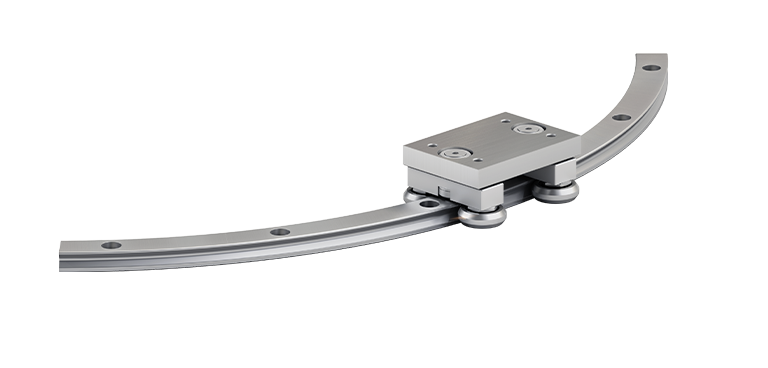
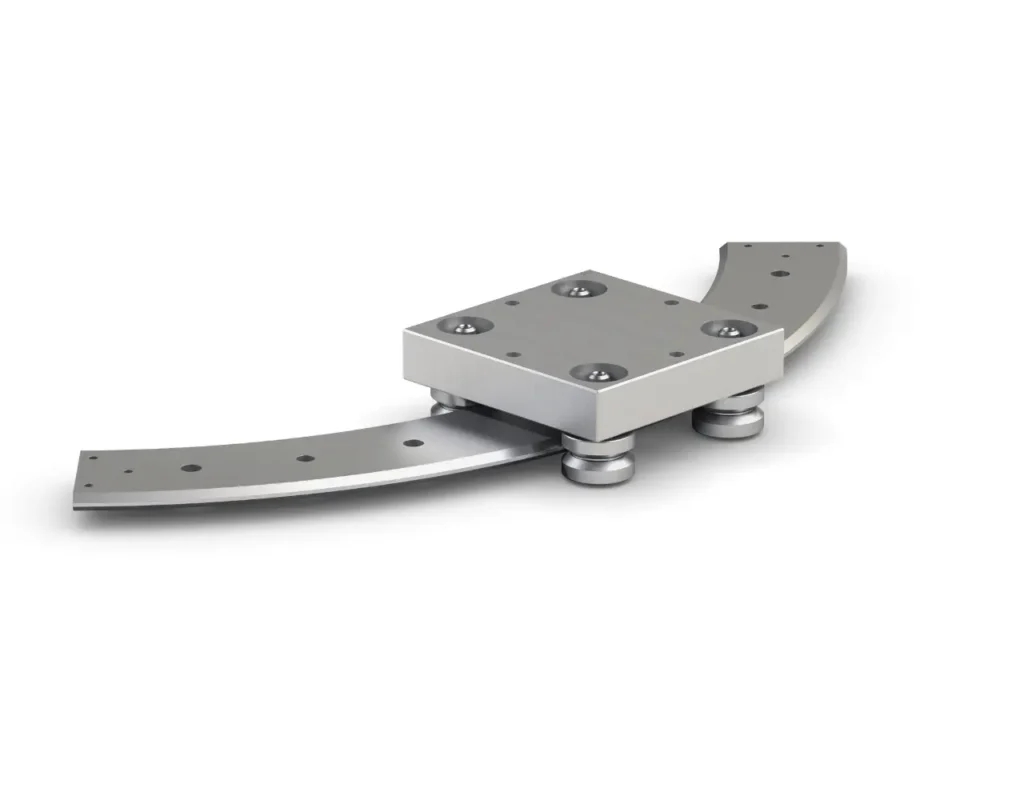
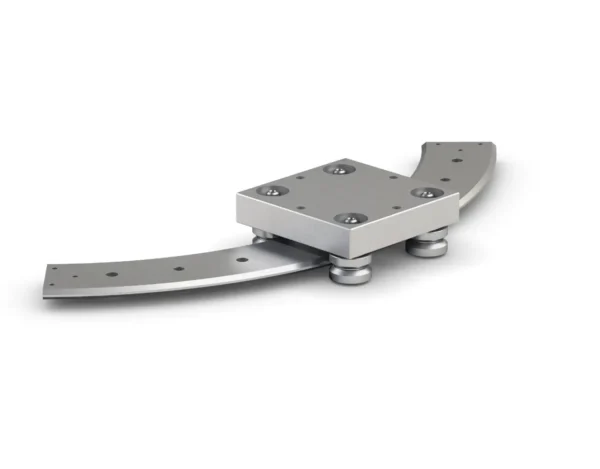
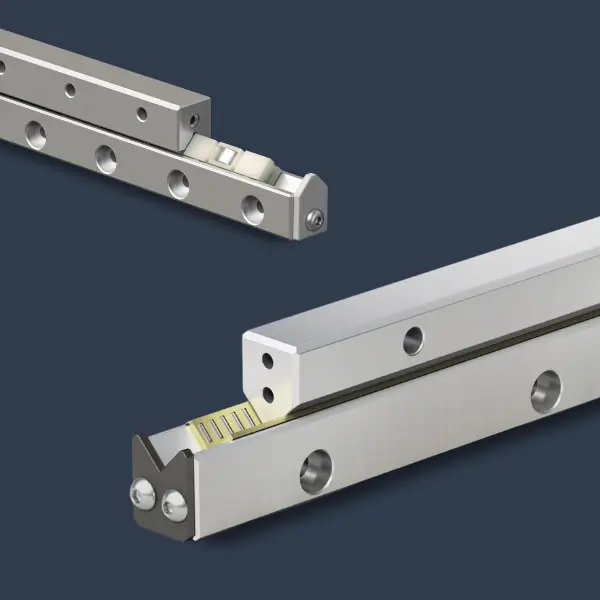
The choice fell on Curviline curved guide, designed specifically for applications where both linear and circular motion are required within a compact footprint. By allowing guides to be manufactured to precise angles, radii and lengths, the system enables designers to match the motion path exactly to the available space.
This ability to create custom geometries offers a significant advantage in retrofit projects, where existing layouts must be preserved. By specifying centreline radii, total length and hole pitch, Curviline rails can be integrated into existing assemblies with minimal modification, reducing installation time and disruption.
“Rail operators are looking beyond initial installation costs. They want solutions that deliver consistent performance over time, with minimal intervention” explains Lee Cheshire, Country Manager UK & Ireland at Rollon. “By combining hardened materials with optimised bearing design, we can significantly extend service intervals and reduce total cost of ownership.”
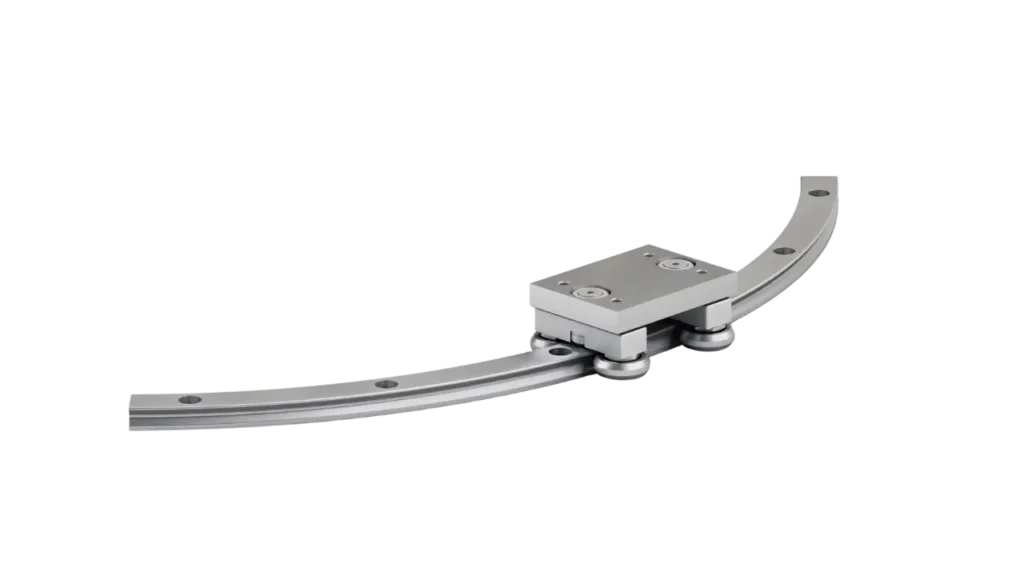
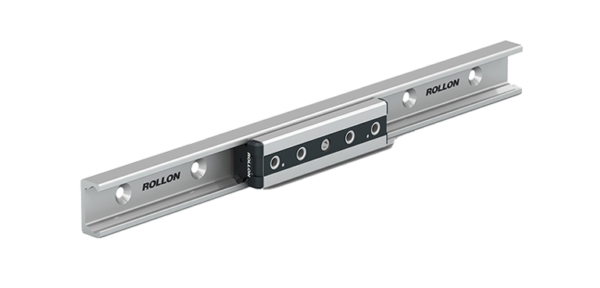
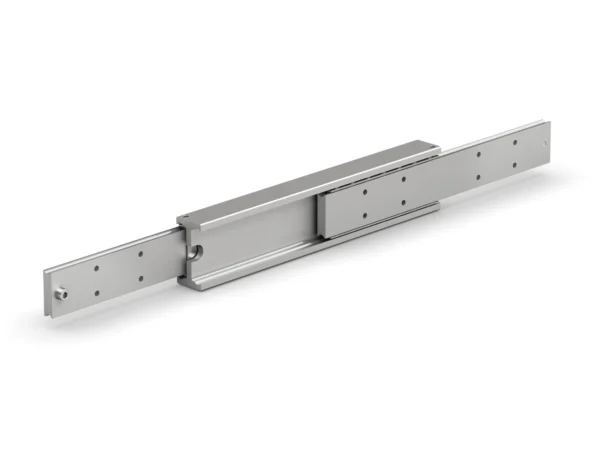
Rollon® Curviline curved guide
Engineering for durability and long service life
Beyond geometric flexibility, durability is a key consideration in rail interior applications. Components must withstand continuous operation under demanding conditions.
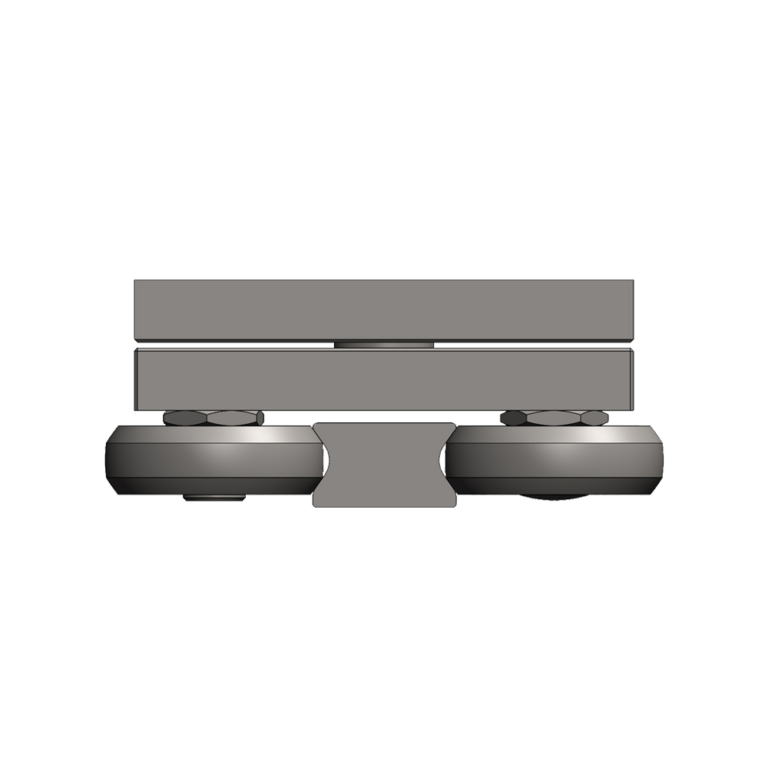
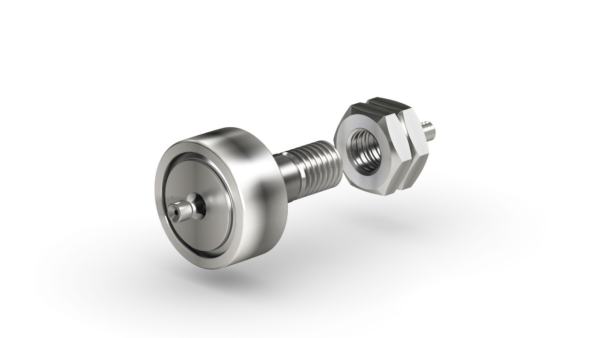
Curviline systems address these demands through a robust design. They offer increased resistance to wear, while the ball-bearing sliders, lubricated for life, are designed to maintain preload across the entire length of the rail, even in complex curved configurations.
Material options further enhance performance. Depending on the application, rails can be supplied in galvanised, hardened or stainless steel, providing additional protection against corrosion where required.
This combination of features contributes to a longer service life and reduced maintenance requirements — key factors for operators seeking to minimise lifecycle costs.
Smooth, predictable operation
In addition to durability, consistent and smooth motion is essential for both functionality and passenger experience. Systems must operate quietly and reliably, without sticking, jolting or requiring excessive force.
Curviline’s low-friction design supports smooth travel along the entire motion path, while maintaining the required preload to prevent play or misalignment. This results in predictable performance over time, even in high-cycle applications.
The ability to mount rollers directly onto moving components in certain configurations can also reduce system thickness, offering further advantages in space-constrained designs.
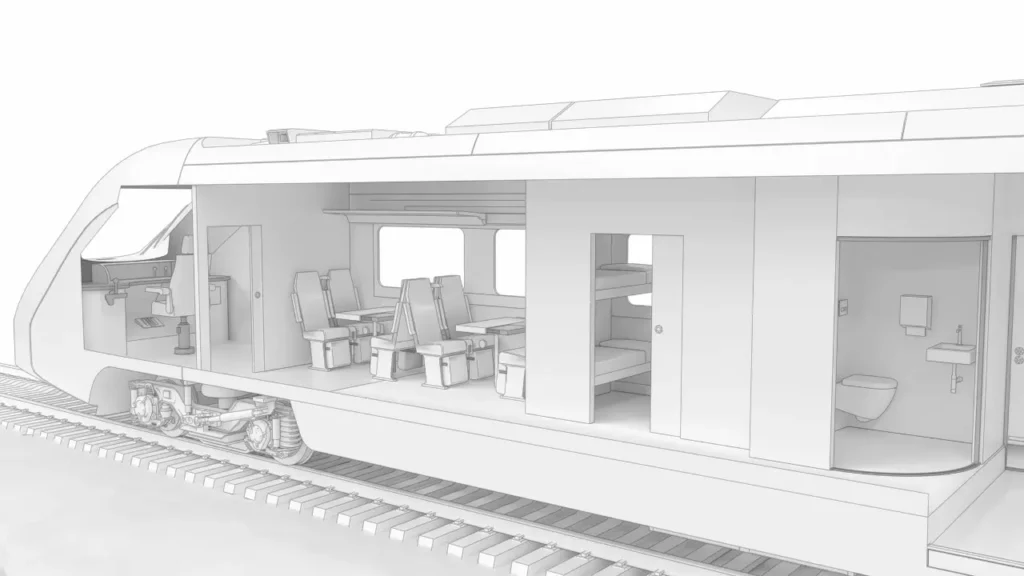
Rollon’s linear motion solutions such as Curviline offer a combination of flexibility, durability and ease of integration for rail interiors.
A successful outcome
“When we reached out to Lee and his team with a drawing of the part we needed to replace, it was quickly identified and a Curviline solution was proposed”, says Wallace Murphy, Performance Manager at CAF. “For context, the toilet system is fifteen years old. We received a rail set, including bearing assemblies, for twenty PMR toilet systems. Upon installation in the first toilet, there was a notable improvement in the quietness and smooth operation of the door. This solution will go a long way toward improving overall toilet system reliability, which is one of the most frequent customer complaints”.
“The impact of component reliability extends far beyond individual systems. In a rail environment, failures can quickly cascade into broader operational issues. By contrast, solutions that deliver consistent, predictable performance help to maintain timetable integrity and reduce the burden on maintenance teams”, adds Cheshire. “As highlighted in the CAF project, the use of durable, customised motion systems can support more efficient operations and reduce overall costs. Across the rail sector there is a growing recognition that even relatively small components can have a major impact on overall performance. By focusing on reliability at every level, operators can avoid unnecessary disruption and keep services running smoothly.”
Supporting modern rail requirements
As rail operators continue to modernise fleets and extend asset life, the importance of component-level design is becoming increasingly apparent. Solutions must not only meet performance requirements but also support broader objectives, including:
- Reduced maintenance interventions
- Improved passenger experience
- Faster and more efficient retrofits
- Lower lifecycle costs
Curved guide systems such as Curviline align with these goals by offering a combination of flexibility, durability and ease of integration.
The CAF project demonstrates how combining custom geometry, durable materials and robust engineering can simplify integration, extend service life and, most importantly, support uninterrupted operation.
Interested in learning more about our solutions or starting a new project together?