 Linear guides
 Linear actuators
 XP Xtrem Position
 Rod ends
 Telescopic rails
 Multi-axis
 XL Xtrem Load
 Spherical plain bearings
 Curved guides
 Robot transfer units
 XT Xtrem Transport
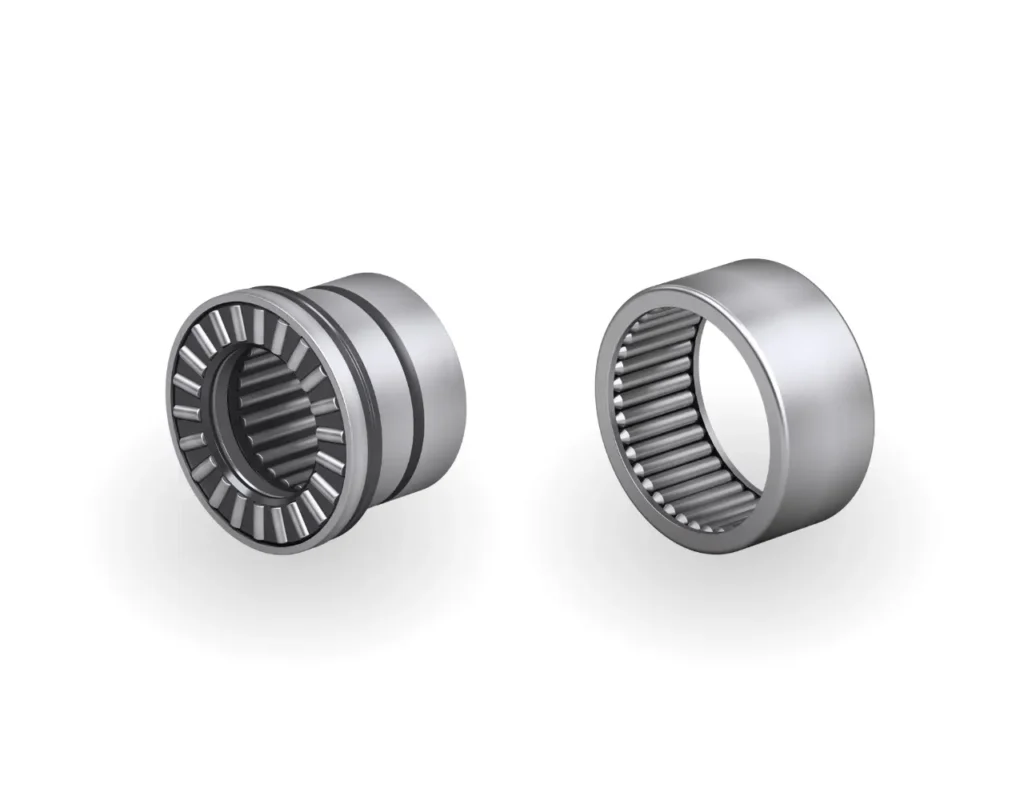 Needle roller bearings
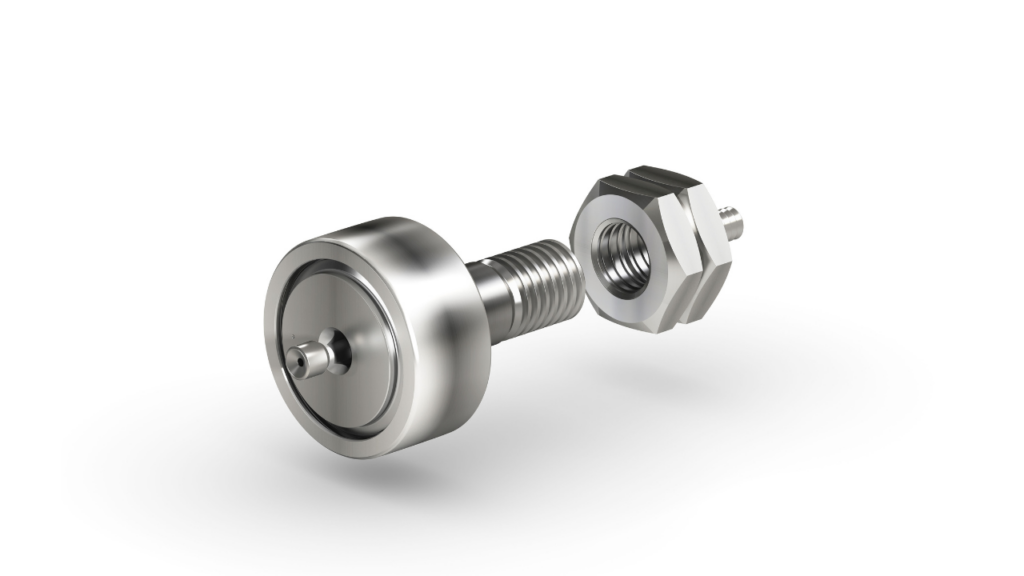 Cam followers
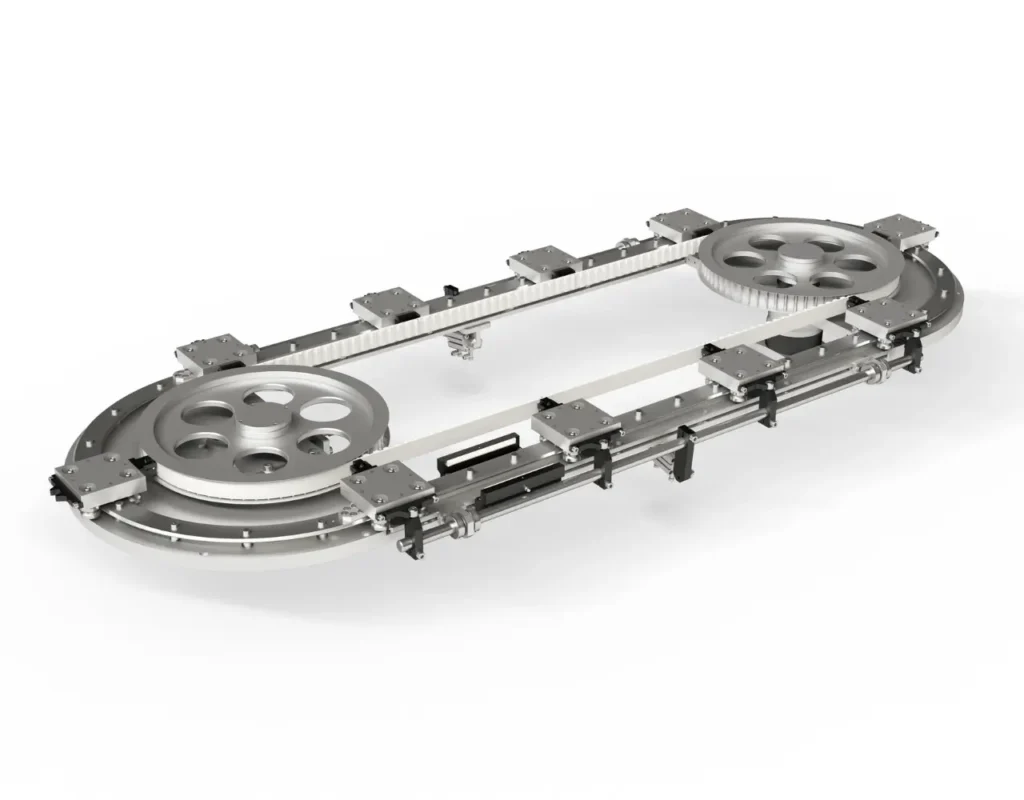 Circular systems
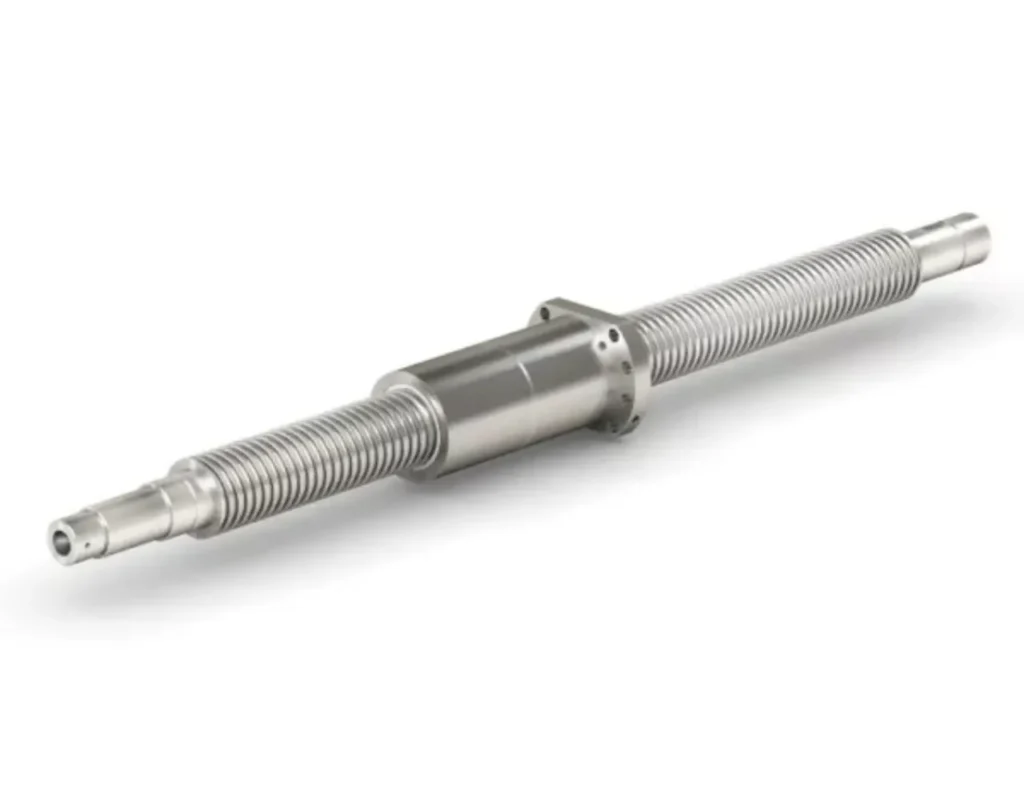 Rollon RB
 Locknuts and rings
 Aerospace
 Building and Furniture
 Electronics
 Food & Beverage
 Healthcare
 Industrial machines
 Machine tool
 Material Handling
 Packaging
 Railway
 Robotics & Automation
 Special Vehicles








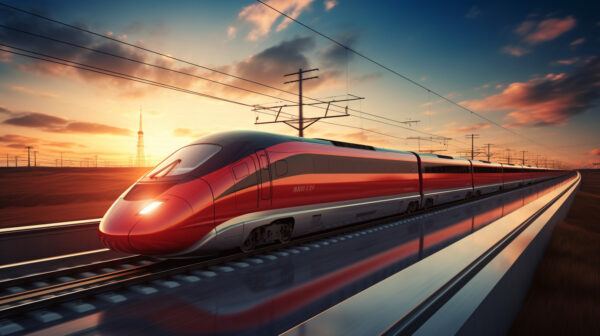












In the railway industry, the reliability of train doors is essential for both safety and efficiency.
By understanding how linear rails support the sliding plug-door mechanism, it becomes clear why these components are critical to modern passenger transport.
Why Train Doors Need Robust Linear Motion Components
Modern train doors are powered by pneumatic, hydraulic, or electric actuators that transform energy into motion, ensuring repeatable and reliable opening and closing cycles. In high-traffic stations, these systems are carefully programmed to keep doors open for 10–20 seconds, balancing safety with schedule accuracy.
Sensors detect passenger presence, while obstacle detection systems prevent doors from closing when blocked. These advanced controls, combined with reliable mechanical components, keep train operations safe and efficient. For the railway industry, choosing the right linear rails ensures these systems withstand constant use while maintaining smooth and precise motion.
How Sliding Plug Door Mechanisms Work
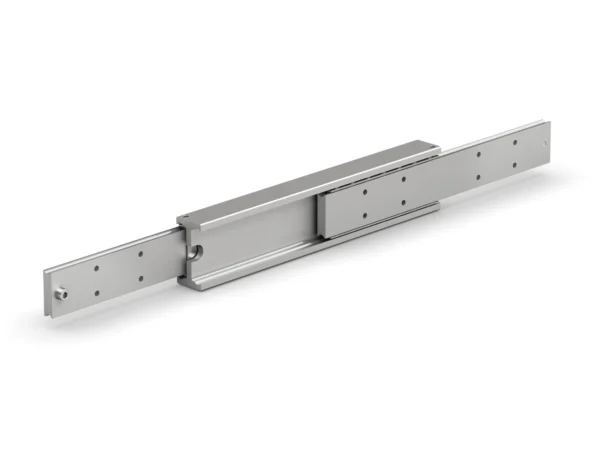
The sliding plug-door mechanism is the most common solution in urban and regional rail. Unlike a simple sliding door, plug doors first move outward from the train body before sliding parallel along its side. This motion provides better sealing, reduces noise, and enables fast entry and exit even under heavy passenger traffic. For this system to perform reliably, the linear rails guiding the motion must combine robustness with long service life.
Choosing the Right Linear Rails Technology
The right rail technology directly impacts the durability, safety, and comfort of train doors. Linear rails support repetitive motion, absorb vibration, and minimize wear, making them indispensable to the railway industry.
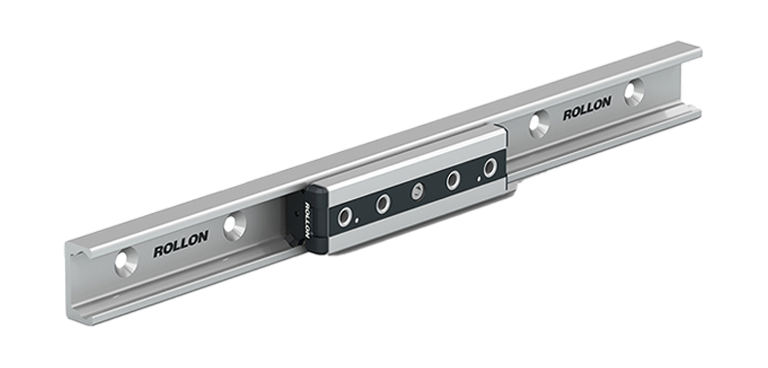
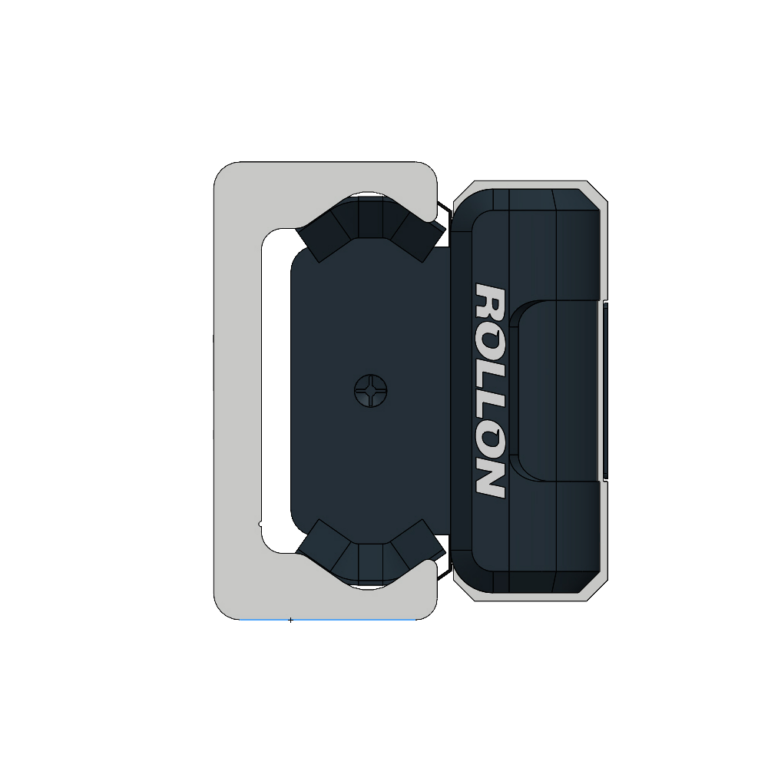
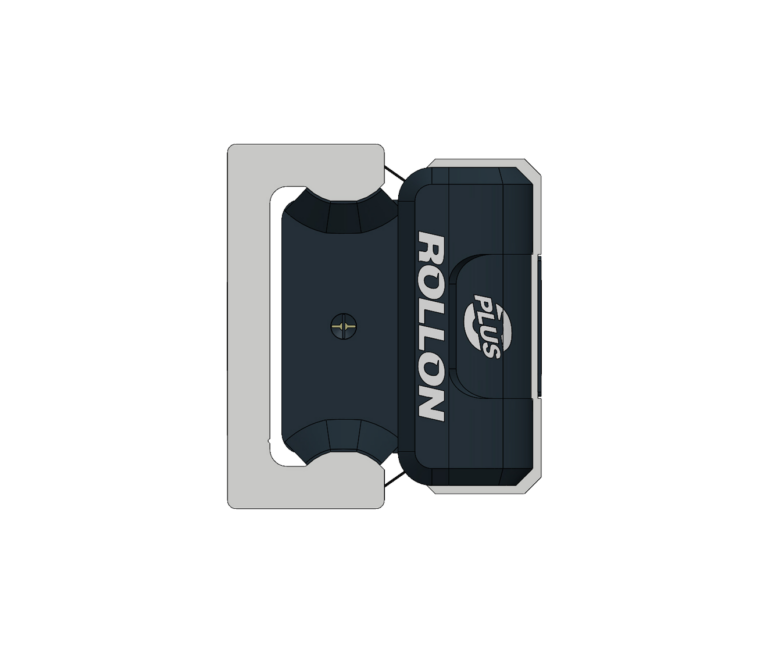
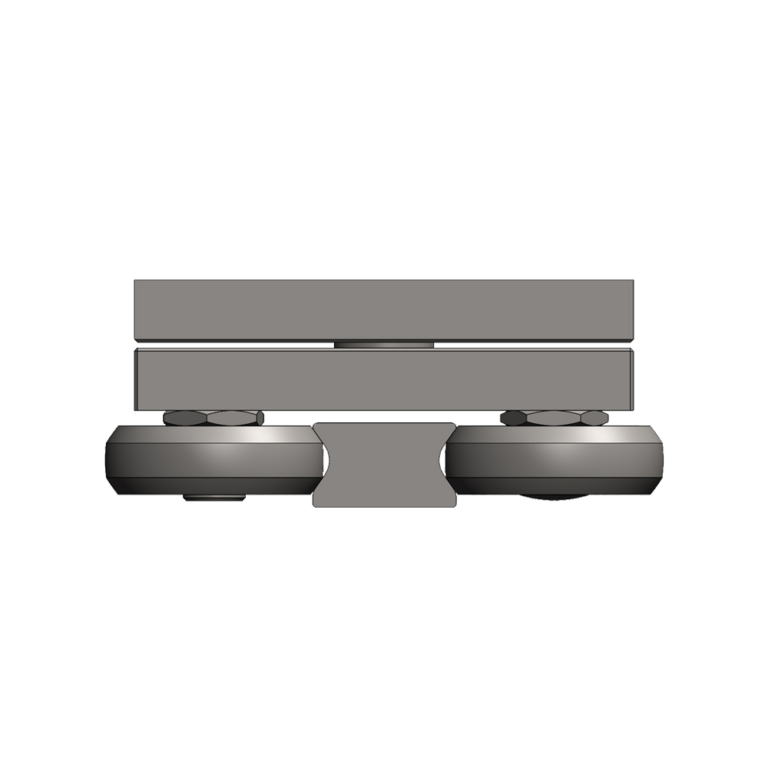
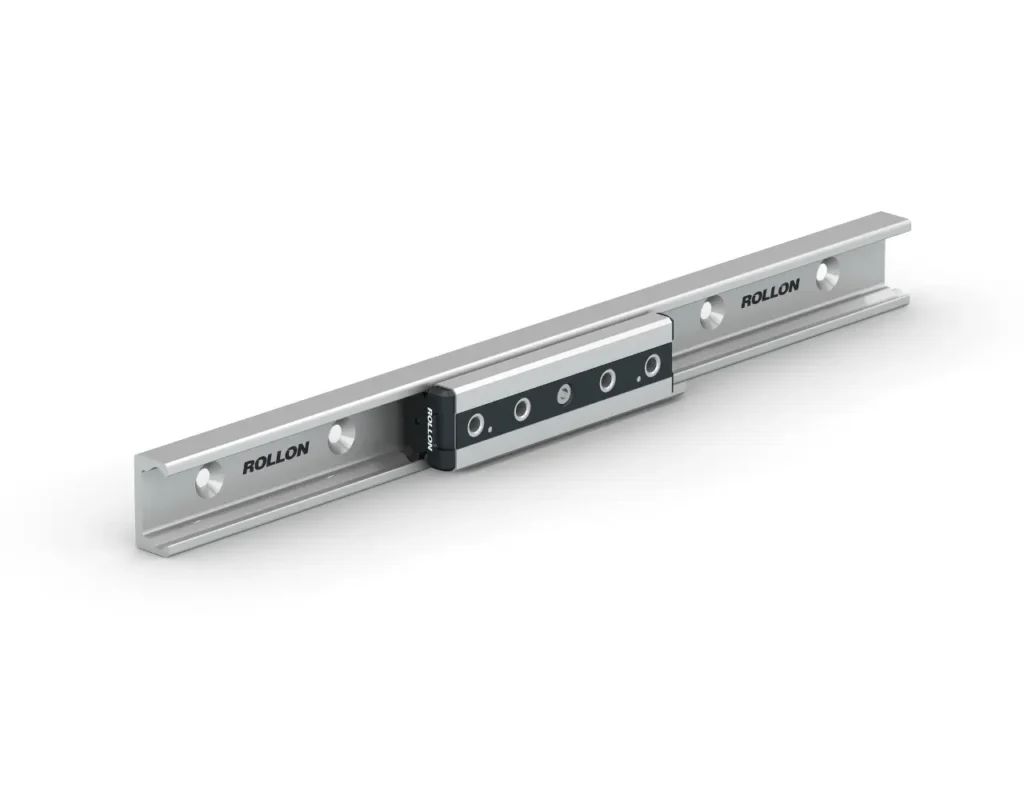
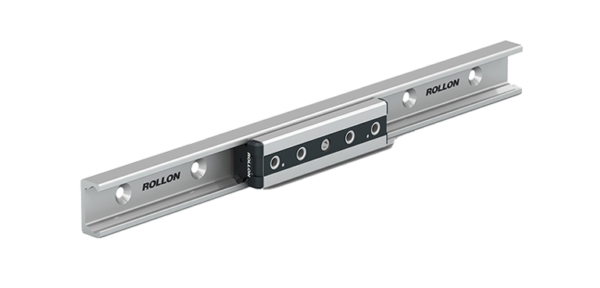
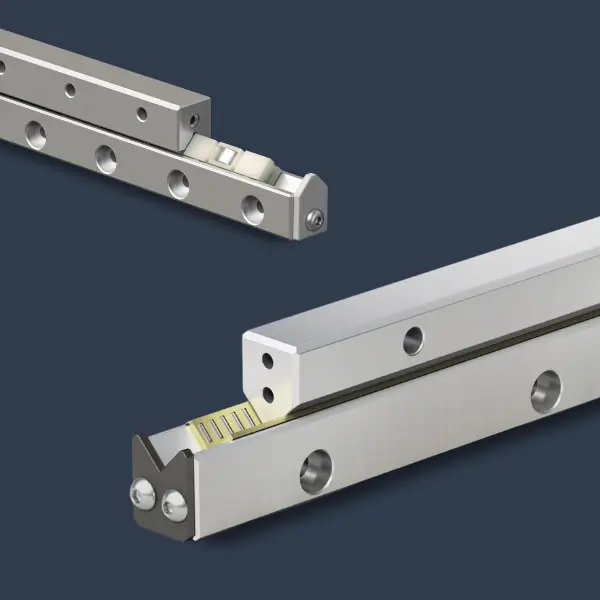
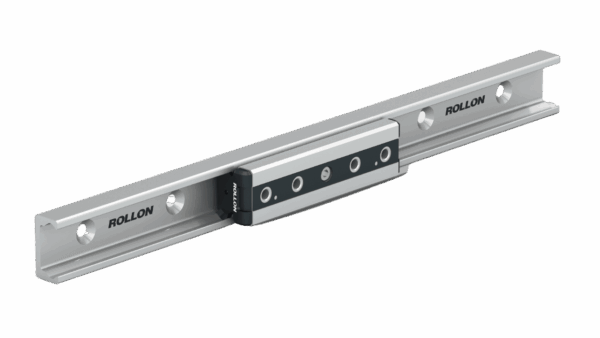
Rollon’s Compact Rail is the ideal solution for straight-run sliding plug door mechanisms. Its self-aligning feature compensates for mounting inaccuracies, reduces noise and vibration, and ensures smooth operation over millions of cycles. This makes it particularly suitable for urban transport systems with continuous passenger flow.
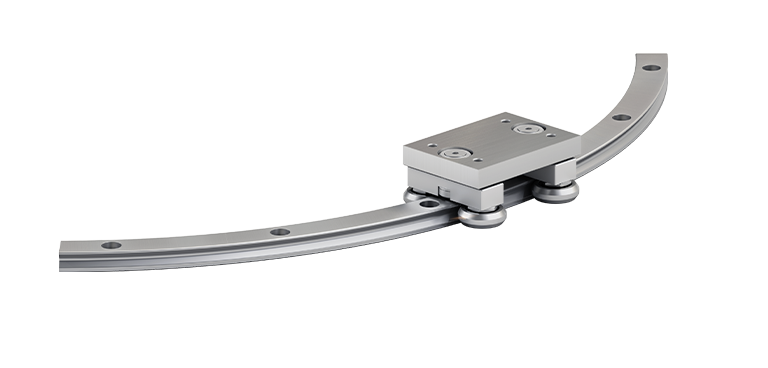
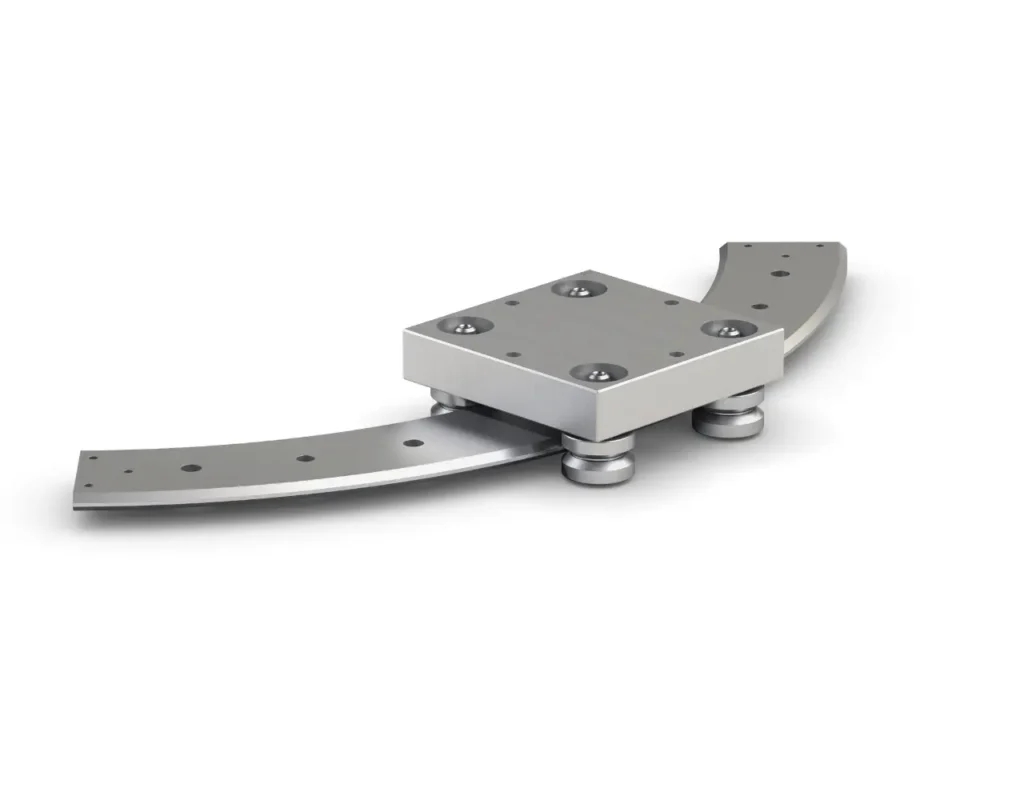
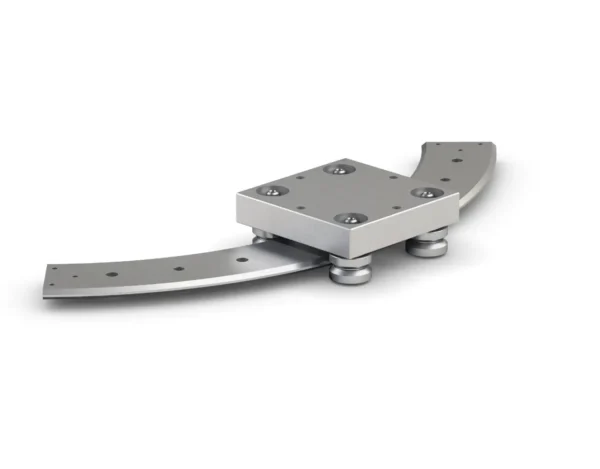
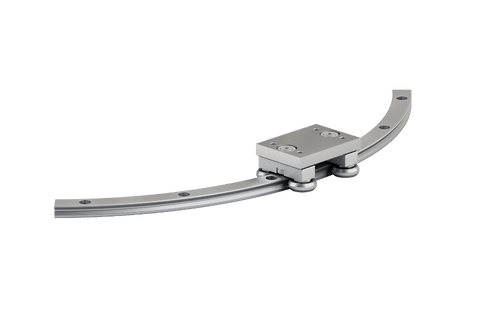
For train designs requiring curved door paths, Rollon’s Curviline curved guides provide reliable motion on non-linear tracks. These solutions are particularly useful when space optimization is a priority, enabling compact, efficient door operation without compromising reliability.
Compact Rail: Self-Aligning Linear Rail for Straight Runs
With its ability to self-align and withstand challenging operating conditions, Rollon’s Compact Rail ensures consistent performance in straight-line movements. For train doors in high-frequency use, it delivers the robustness and precision the railway industry requires.
Key Considerations for Integrating Linear Rails in Train Doors
When developing or upgrading train doors, engineers must prioritize components that offer long-term durability, reduced maintenance, and safe operation. The choice of linear rail technology has a direct impact on passenger comfort, operational uptime, and overall system efficiency.
By using solutions like Compact Rail and Curviline, the railway industry continues to improve the reliability and safety of its sliding plug door mechanisms.
FAQs
Why are linear guides essential in train-door systems?
They provide smooth, durable, and precise motion, ensuring that train doors can operate reliably under continuous and heavy use.
What makes a sliding plug door different from a regular sliding door?
A sliding plug-door mechanism first moves outward before sliding along the train body, improving sealing, safety, and space efficiency compared to standard sliding doors.
Which Rollon products suit curved or space-restricted door motions?
Rollon’s Curviline rails are ideal, as they allow reliable curved movement in compact or space-limited train designs.