 Linear guides
 Linear actuators
 XP Xtrem Position
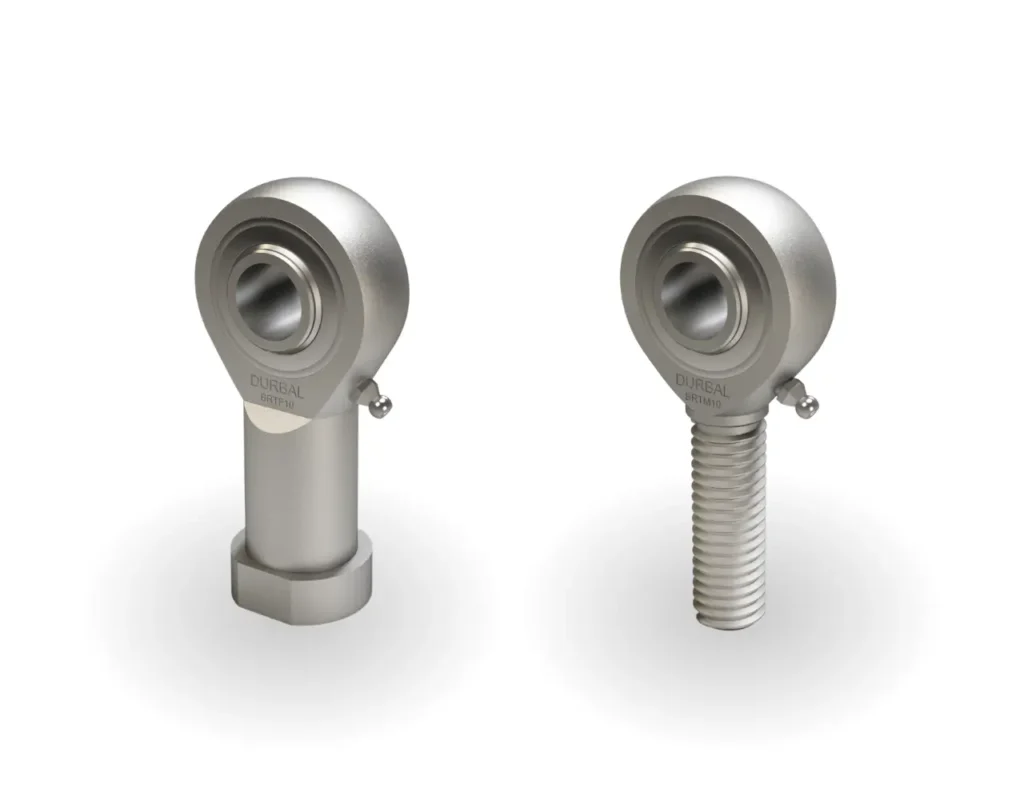 Rod ends
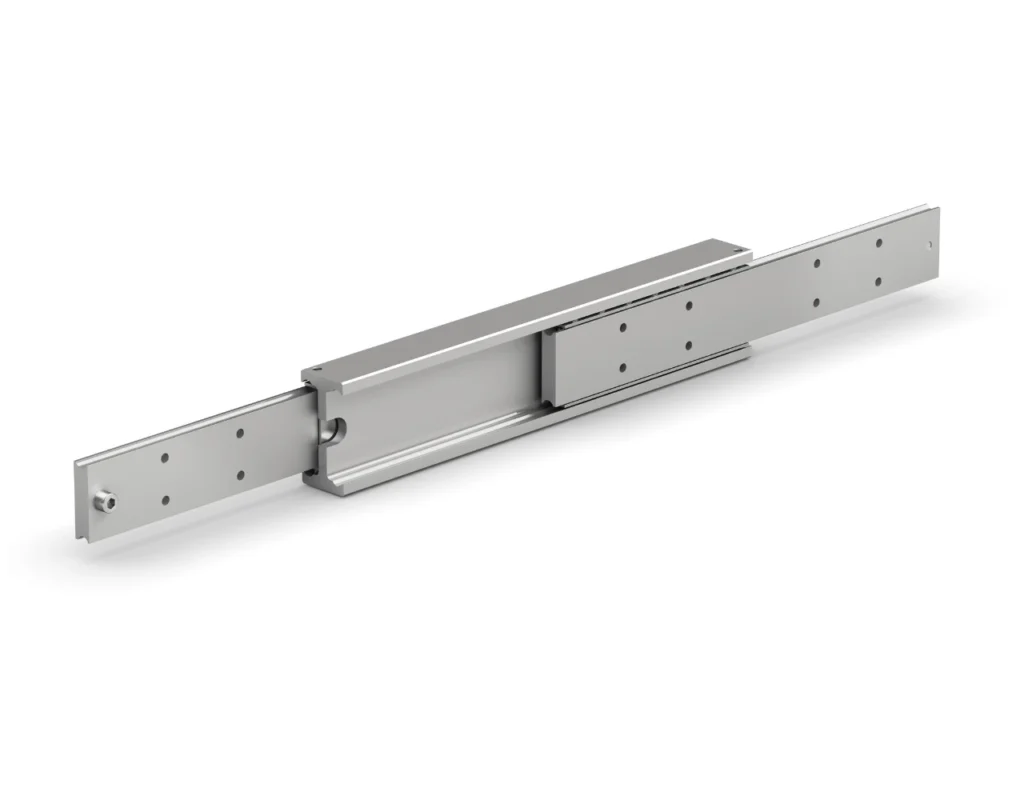 Telescopic rails
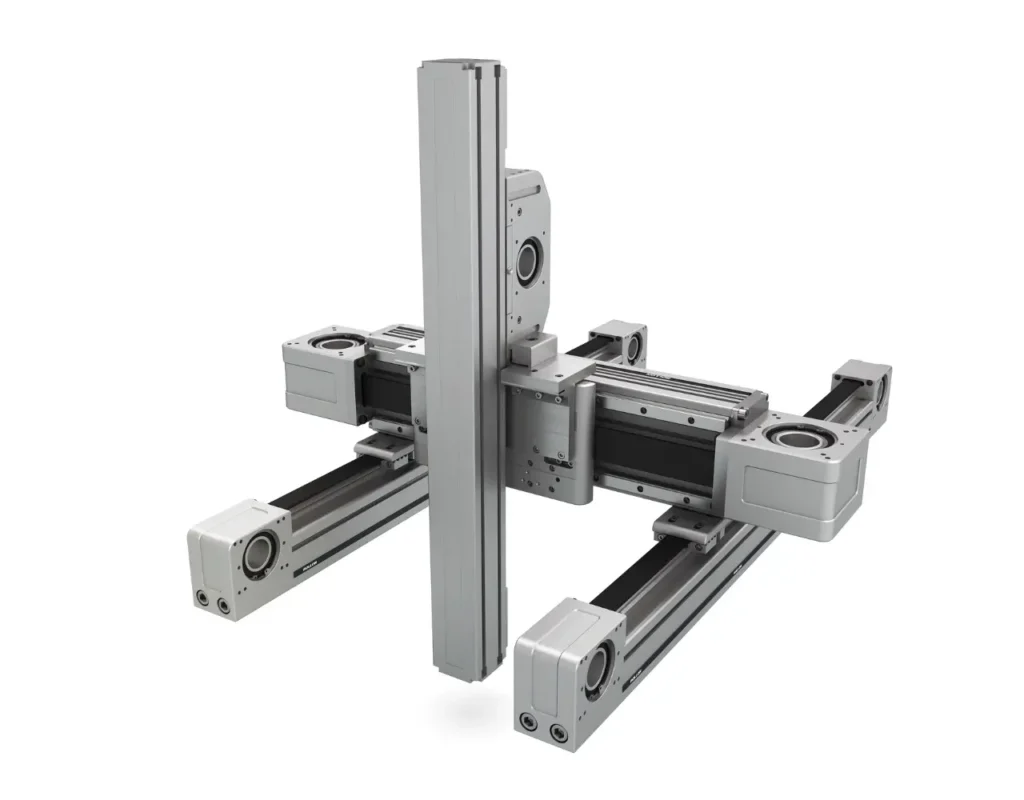 Multi-axis
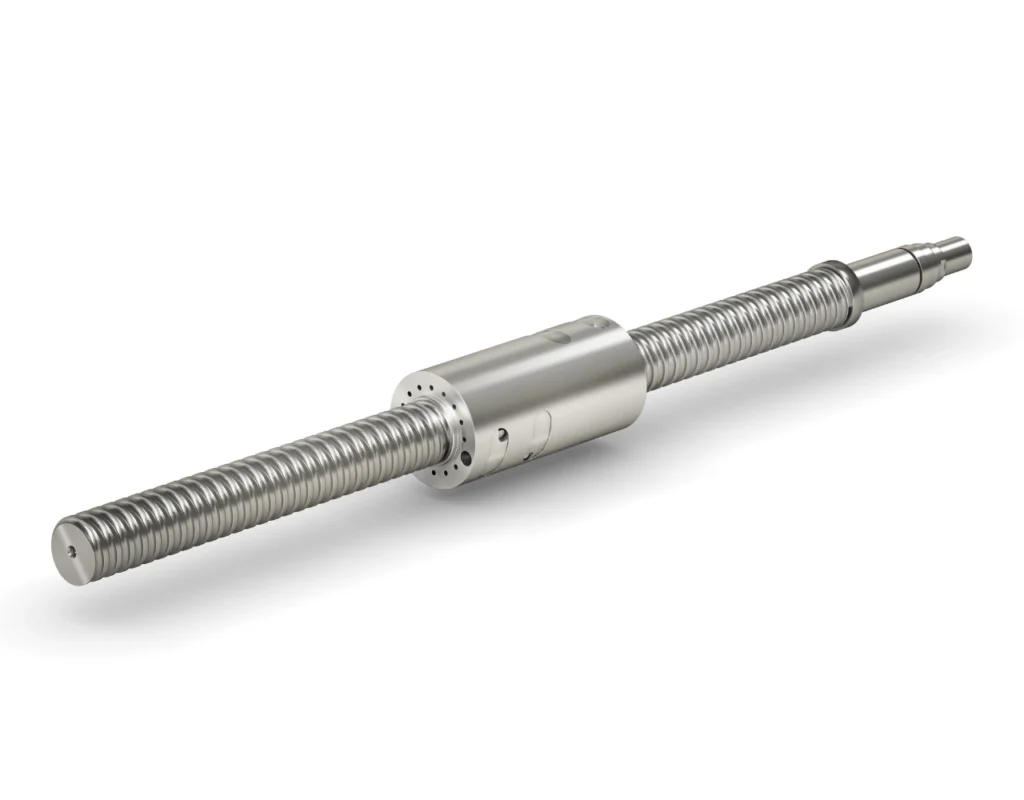 XL Xtrem Load
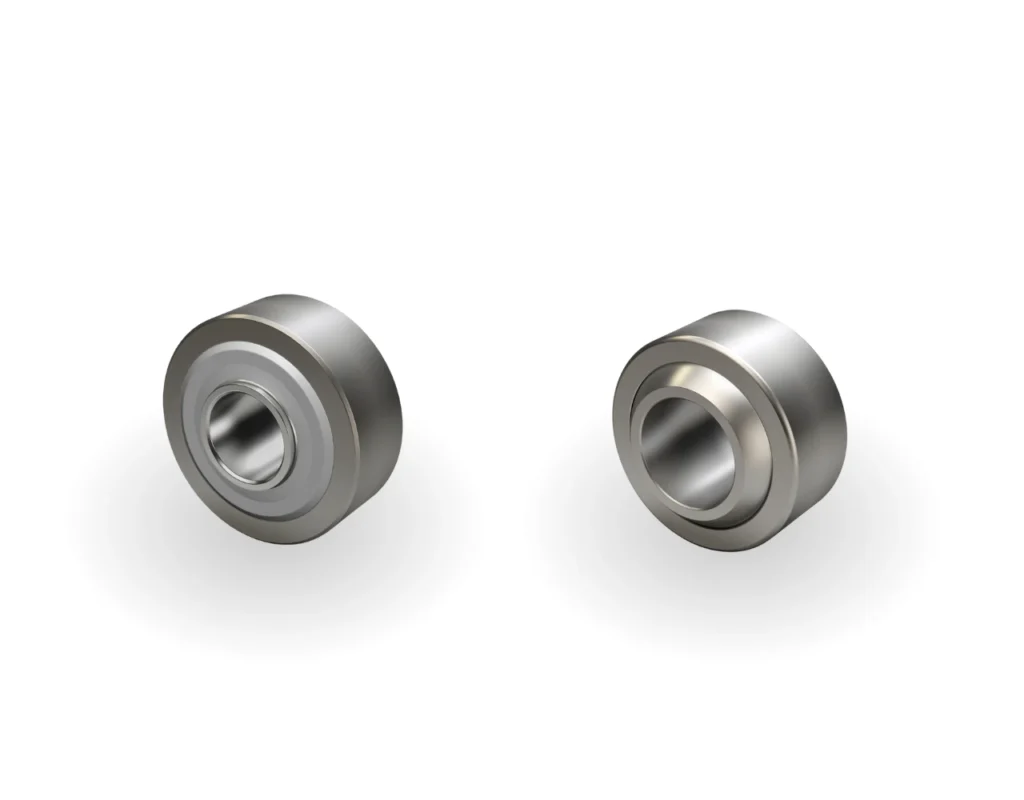 Spherical plain bearings
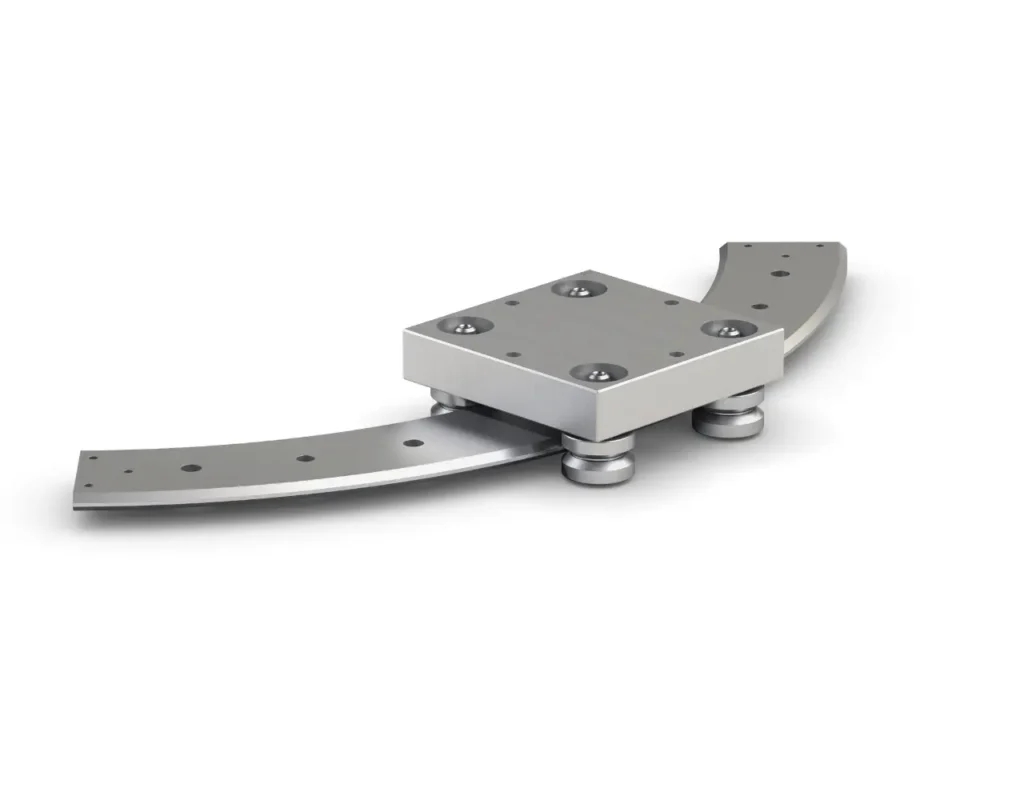 Curved guides
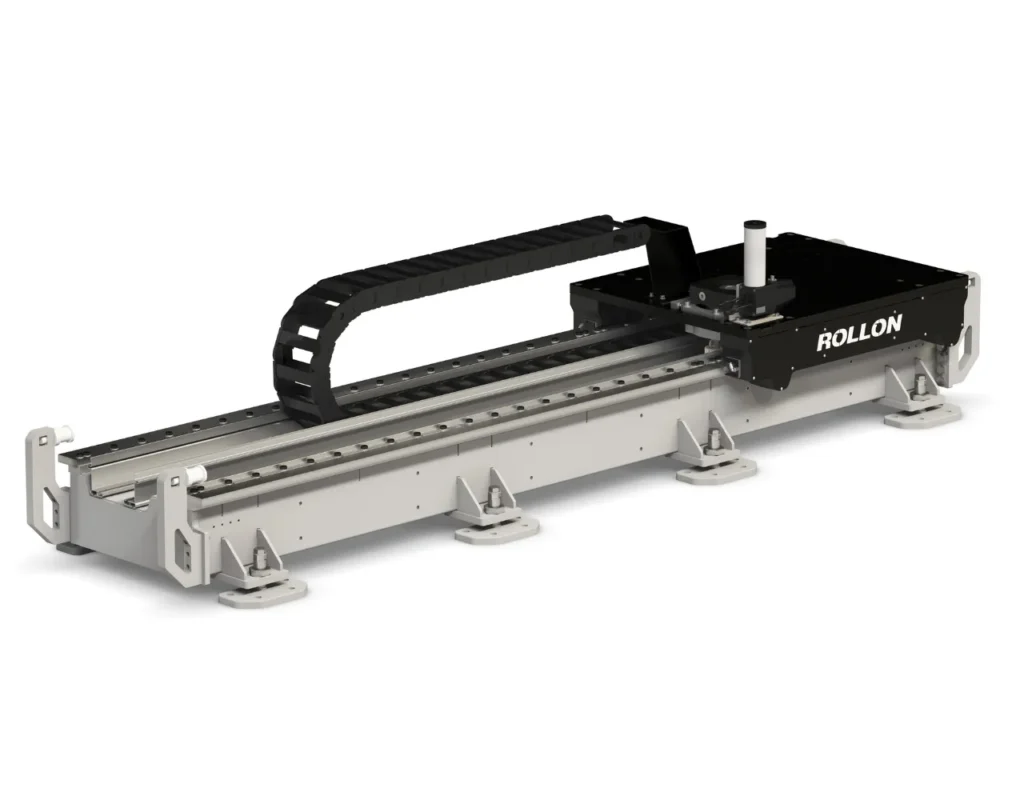 Robot transfer units
 XT Xtrem Transport
 Needle roller bearings
 Cam followers
 Circular systems
 Rollon RB
 Locknuts and rings
 Aerospace
 Building and Furniture
 Electronics
 Food & Beverage
 Healthcare
 Industrial machines
 Machine tool
 Material Handling
 Packaging
 Railway
 Robotics & Automation
 Special Vehicles



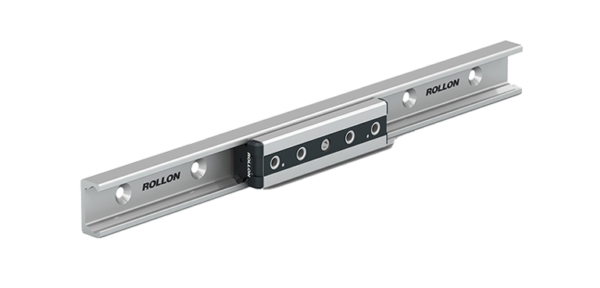
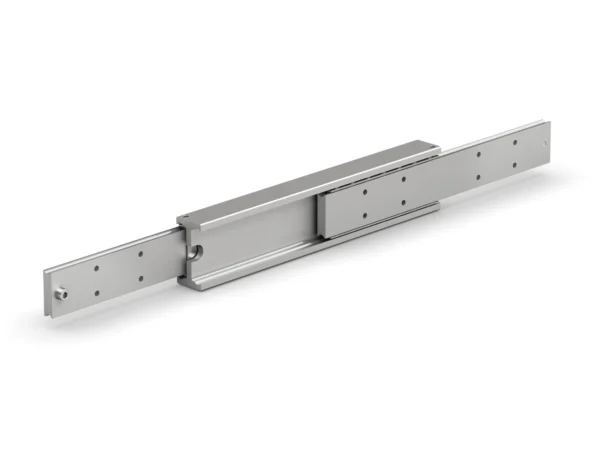
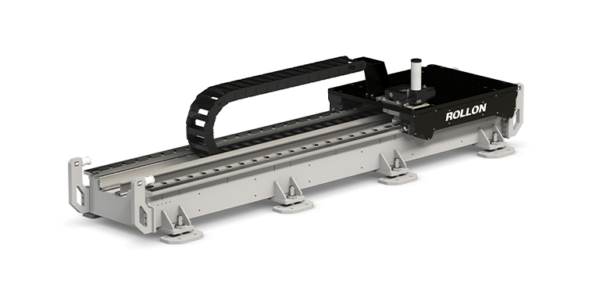
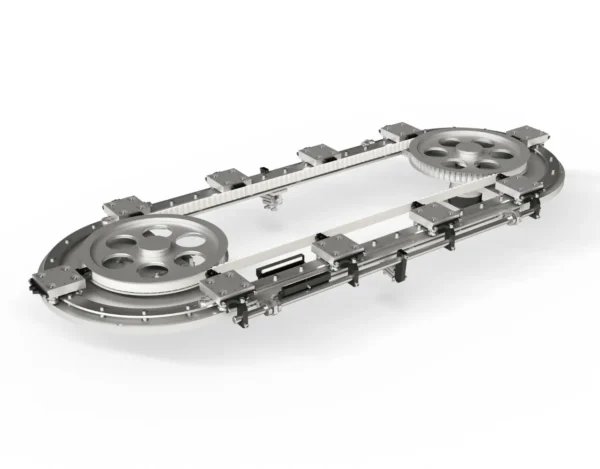
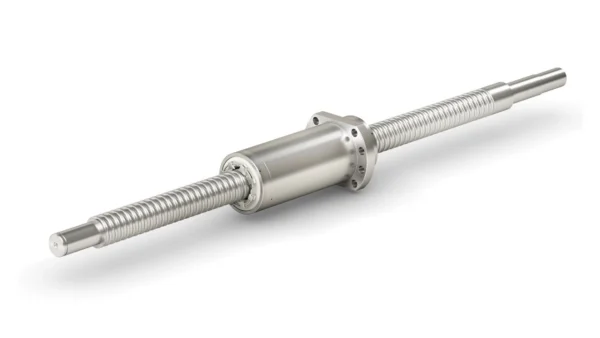
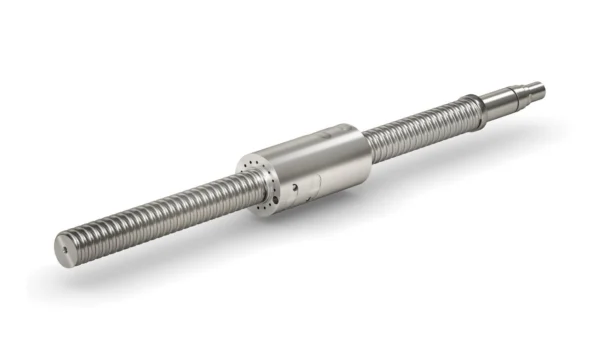



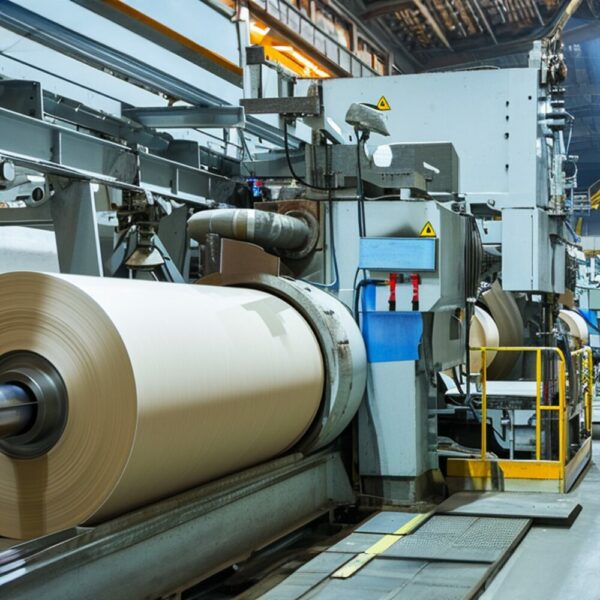
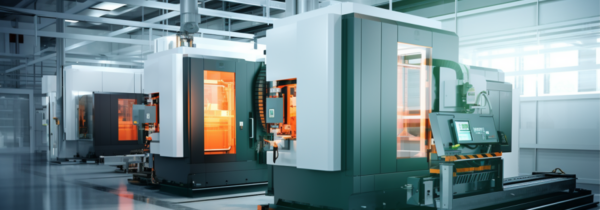
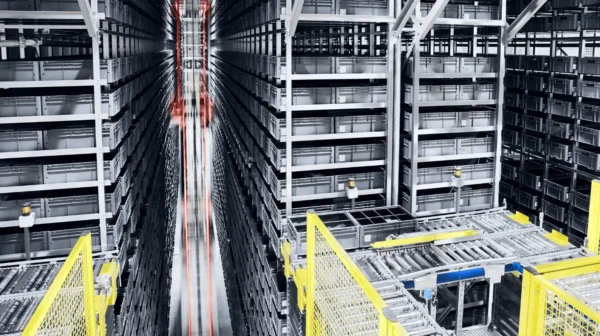
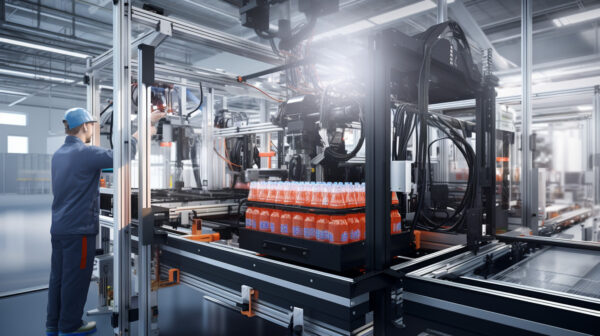








In machine automation, the motion system is often designed for speed and repeatability, but the environment it works in is rarely clean. Dust, chips, and fine debris can migrate into moving parts, change friction over time, and gradually undermine high precision motion control, especially in cnc machine automation and many types of special purpose machinery. When you’re specifying a belt actuator for aggressive conditions, keeping chips and debris out of the actuator is usually the first concern, because contamination can affect performance and even lead to failure.
Machine Automation in Harsh and Contaminated Manufacturing Environments
Modern production plants push for faster cycles and tighter footprints, which means axes are often installed close to cutting zones, trimming stations, conveyors, or material handling areas where contamination is unavoidable. In the automation in manufacturing industry, the challenge is that fine dust doesn’t stay where it’s generated. It travels, settles, and finds gaps especially around interfaces where motion happens.
For cnc machine automation, the issue is even more direct. Chips and particles can be constantly present near the moving axis, and the automation system must keep working while debris loads up around the machine.
Contamination Challenges for Industrial Machine Components and Linear Motion Systems
Contamination is a mechanical problem and a control problem at the same time. A controller can command perfect movement, but if debris gets into the drive and guidance elements, the axis may start to run less smoothly. Particle contamination can negatively affect actuator performance, and in the most severe cases it can cause failure, which is why protection is not optional in harsh applications.
Traditionally, many builders have solved this by adding external covers, bellows, or custom shielding. Those solutions can work, but they often add space, cost, and extra parts to maintain. In compact special purpose machinery, external covers can also complicate integration and service access. That’s why enclosed, sealed belt actuators are ideal, they protect the motion system without forcing the machine designer to build a second protection system around it.
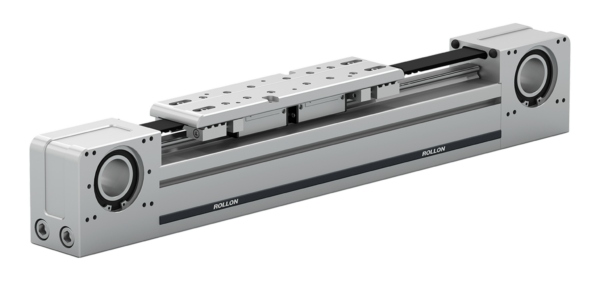
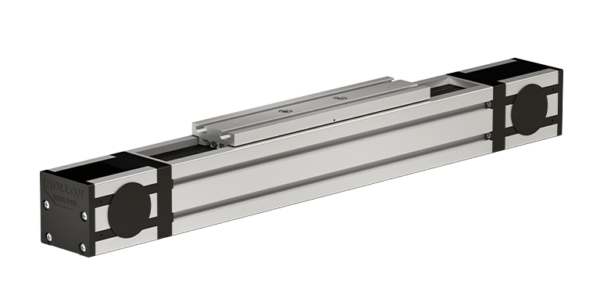
E-Smart series belt driven actuator
Belt-Driven Actuator for Automation in Manufacturing Industry
Belt-driven technology is often chosen when a machine needs fast motion, long travel, and reliable throughput. Rollon’s belt driven actuators are a strong, versatile choices for harsh environments and limited space, aligning well with common needs in the automation in manufacturing industry.
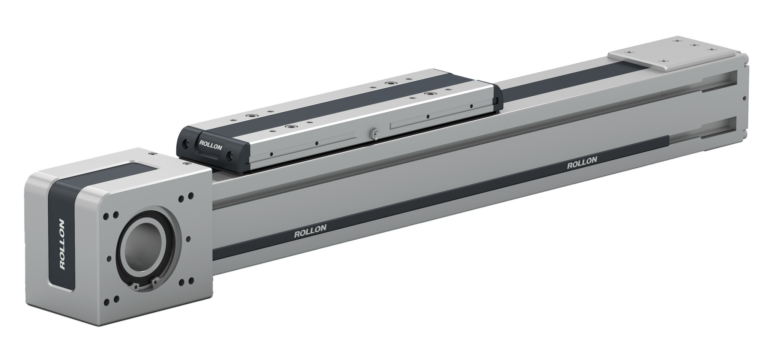
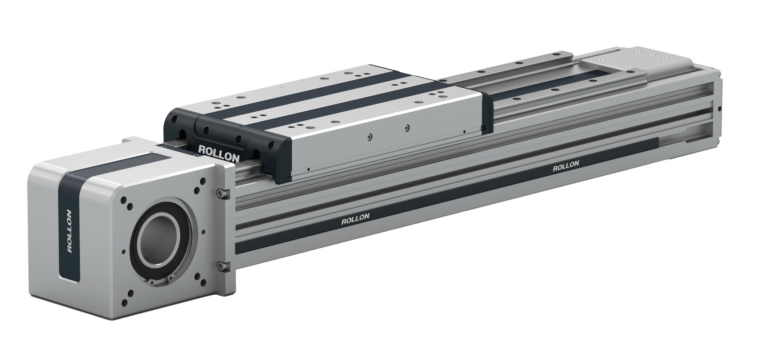
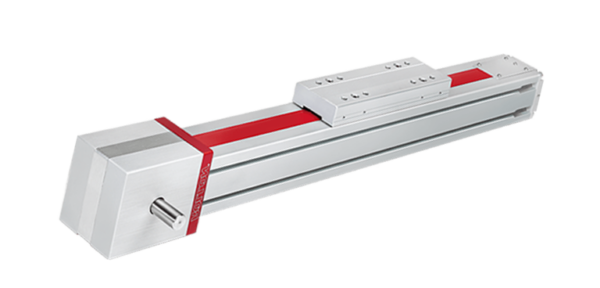
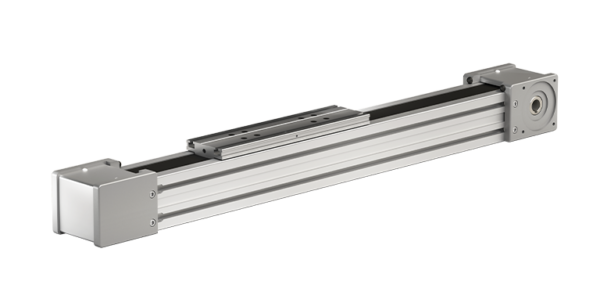
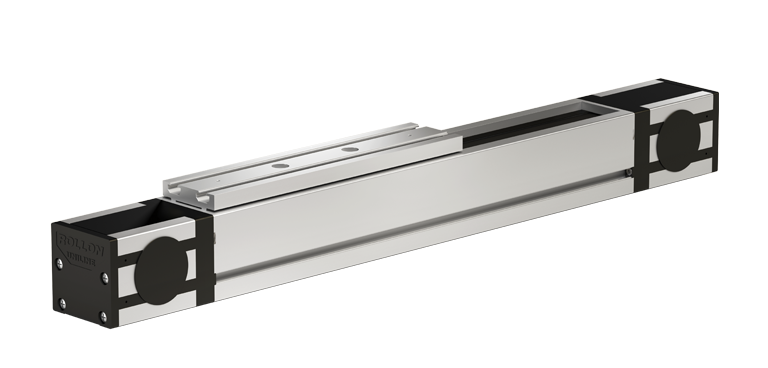
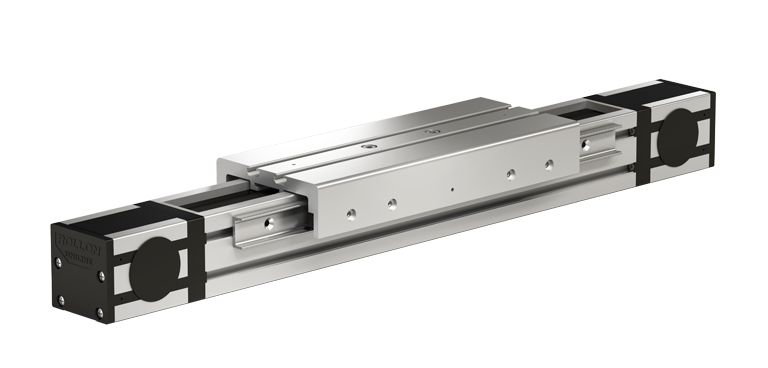
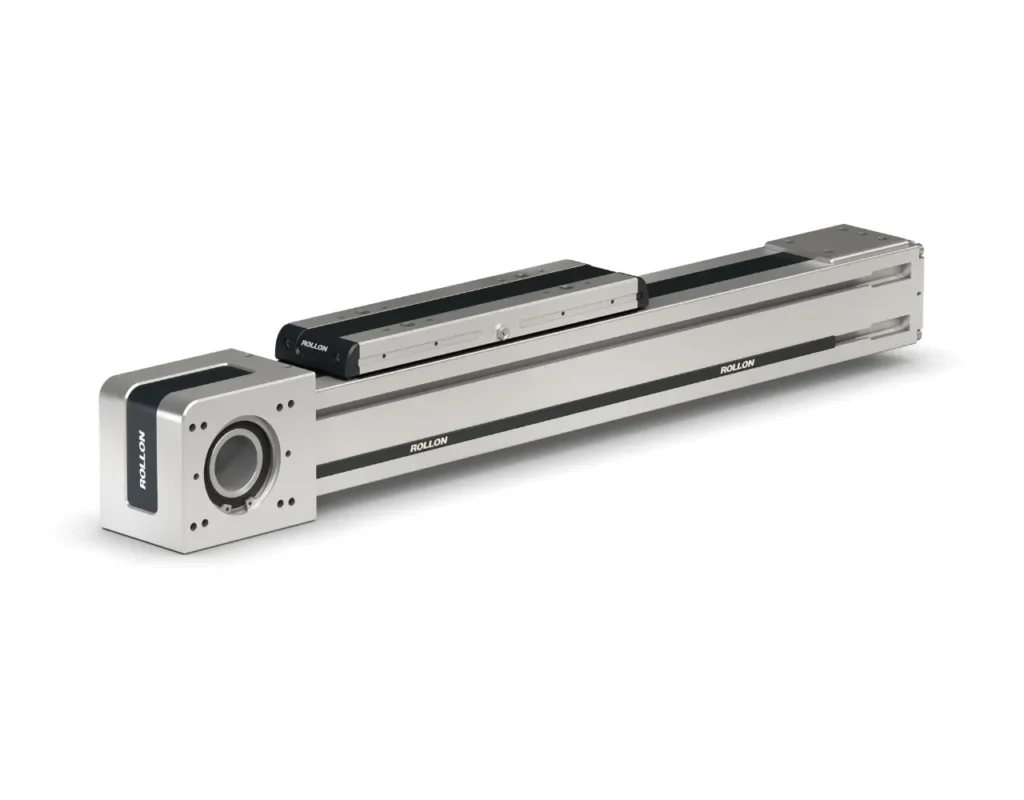
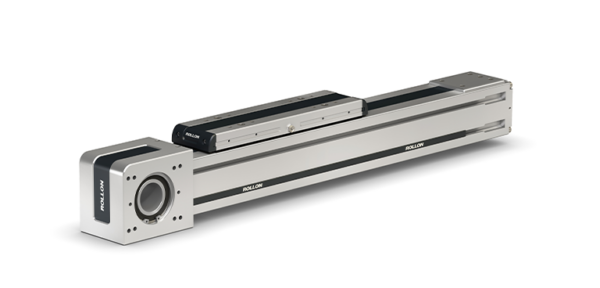
When the environment is contaminated, the key selection factor becomes how the actuator is protected. A sealed, enclosed concept such as Rollon’s ELM Plus is designed around integrated protection rather than external add-ons. On this actuator, the guide, belt, and pulleys are protected by a polyurethane protective strip that runs along the actuator and is guided by bearings, helping protect the internal system while keeping motion smooth. The same design can also be supported by pressurising the profile with clean, dry air to further improve resistance to external contamination, which is a practical option in particularly dusty or chip-heavy environments.
This actuator solution can be supplied in customised lengths up to 6,130 mm, with the possibility of joining units for longer strokes, useful when automation layouts require extended travel but still face dirty operating conditions.
When specifying a system, it’s often helpful to start from the broader Rollon’s actuator range range, because belt, screw, and rack-and-pinion technologies address different performance priorities and integration constraints.
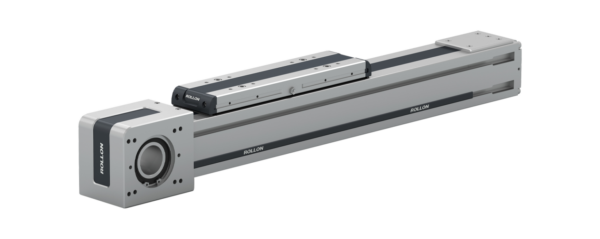
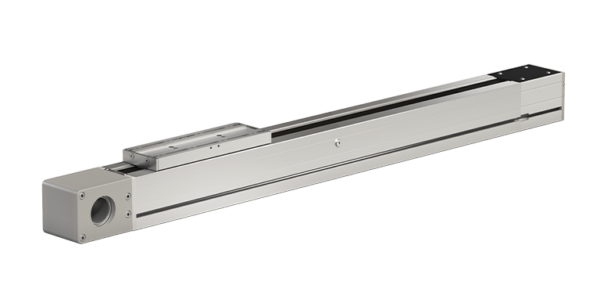
ELM Series belt driven actuator
How a Sealed Belt-Driven Actuator Supports High Precision Motion Control
In dirty environments, precision is about whether the mechanical axis behaves the same way everyday. A sealed belt-driven actuator supports high precision motion control by keeping contaminants away from the internal drive and guidance elements, reducing the chance that friction, wear, or roughness slowly changes the motion profile. Rollon’s actuator for dirty environments has a polyurethane sealing strip is designed to keep debris out without needing complex external covers, which helps the motion system stay consistent while simplifying machine design.
Ultimately, selecting the right belt-driven actuator is critical because contamination is not a rare exception in machine automation, it’s a normal operating condition in many plants. When the actuator is designed to resist chips and dust from the inside, it becomes easier to build reliable factory-floor automation for CNC environments, demanding special-purpose machines, and production lines where long-term stability matters as much as peak performance.
FAQs
Why is a sealed belt-driven actuator important for machine automation in dirty environments?
Because chips and dust can enter the motion unit, degrade performance, and even cause failure. An enclosed, sealed design keeps contaminants out without relying on complex external covers.
How does an enclosed belt-driven actuator help maintain high precision motion control over time?
By protecting the belt, pulleys and internal guidance with an integrated sealing strip reduces contamination-driven friction and wear so the axis stays smoother and more consistent across long duty cycles.
In which applications of automation in manufacturing industry is this actuator most useful?
It’s most useful wherever dust, chips or debris are normal conditions, especially near machining, cutting, trimming or other chip-generating processes where reliable linear motion is still required.
How can a compact belt-driven actuator be integrated into CNC machine automation and special purpose machinery?
It can be used for part loading/unloading, workpiece transfer between stations, positioning fixtures/tooling, or moving doors and guarding near the process, with the compact enclosed body helping fit into tight machine layouts while keeping the drive protected.