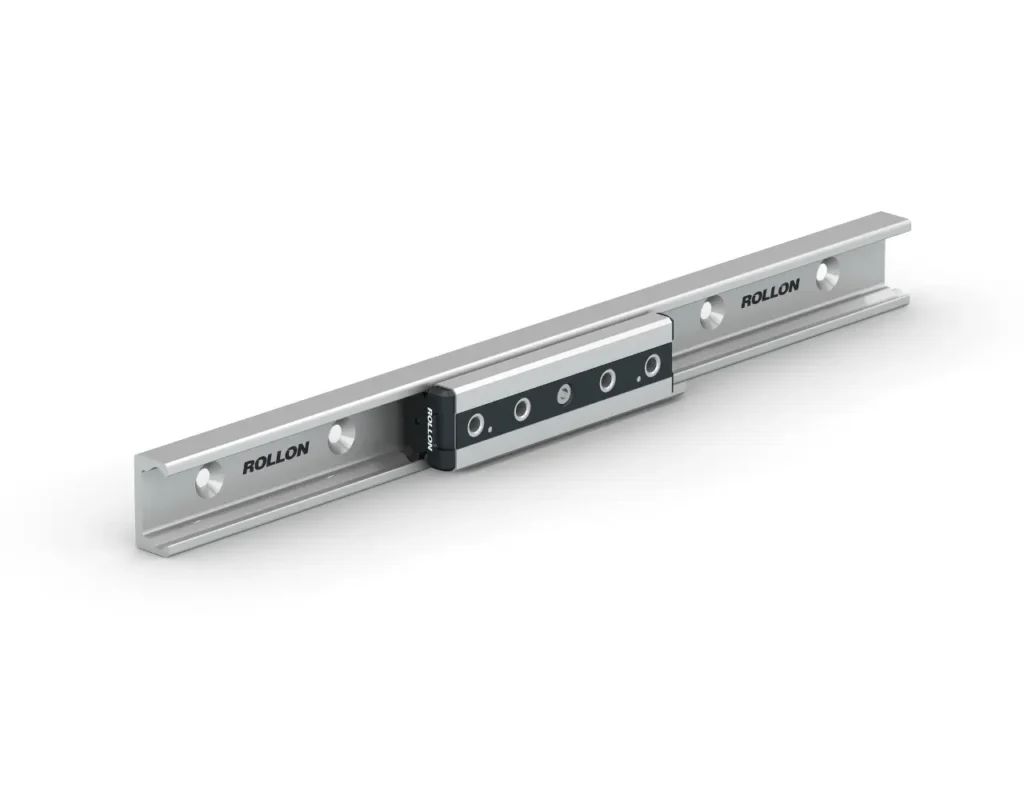
 Linear guides
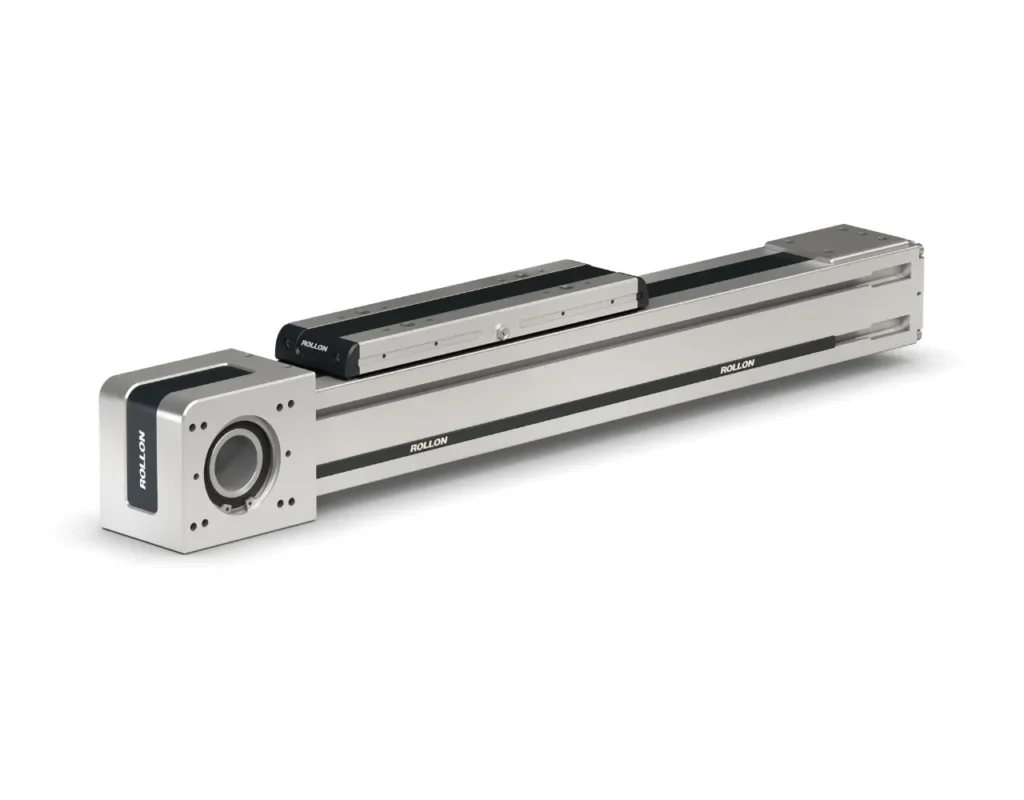 Linear actuators
 XP Xtrem Position
 Rod ends
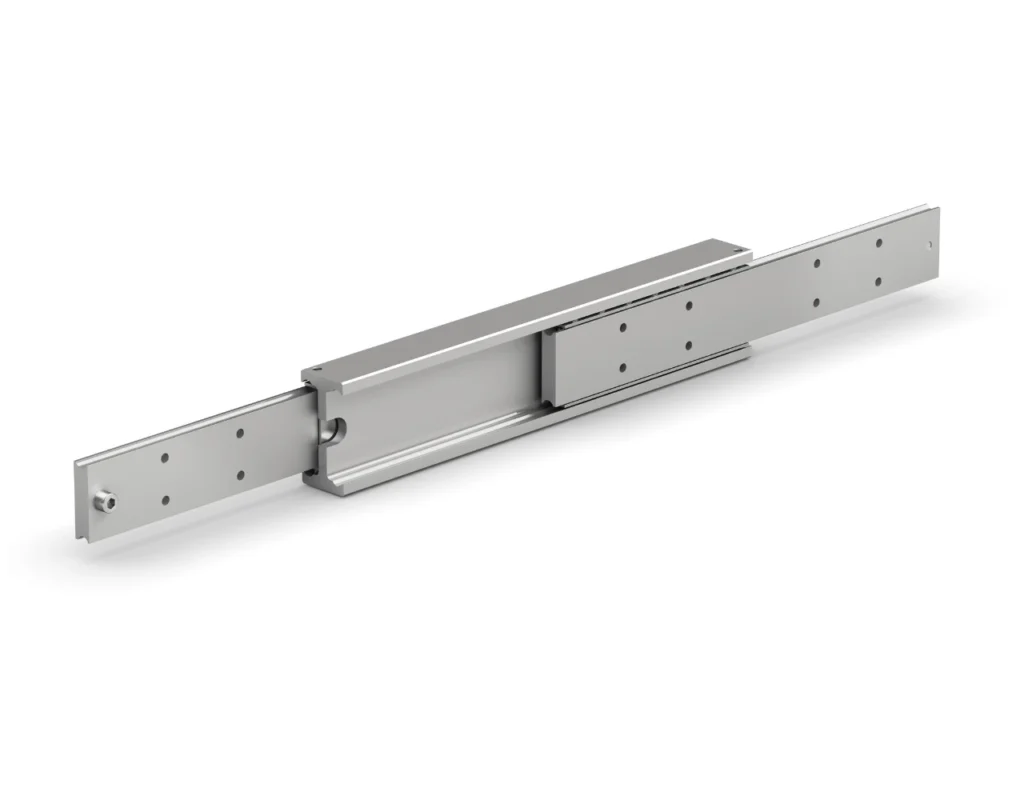 Telescopic rails
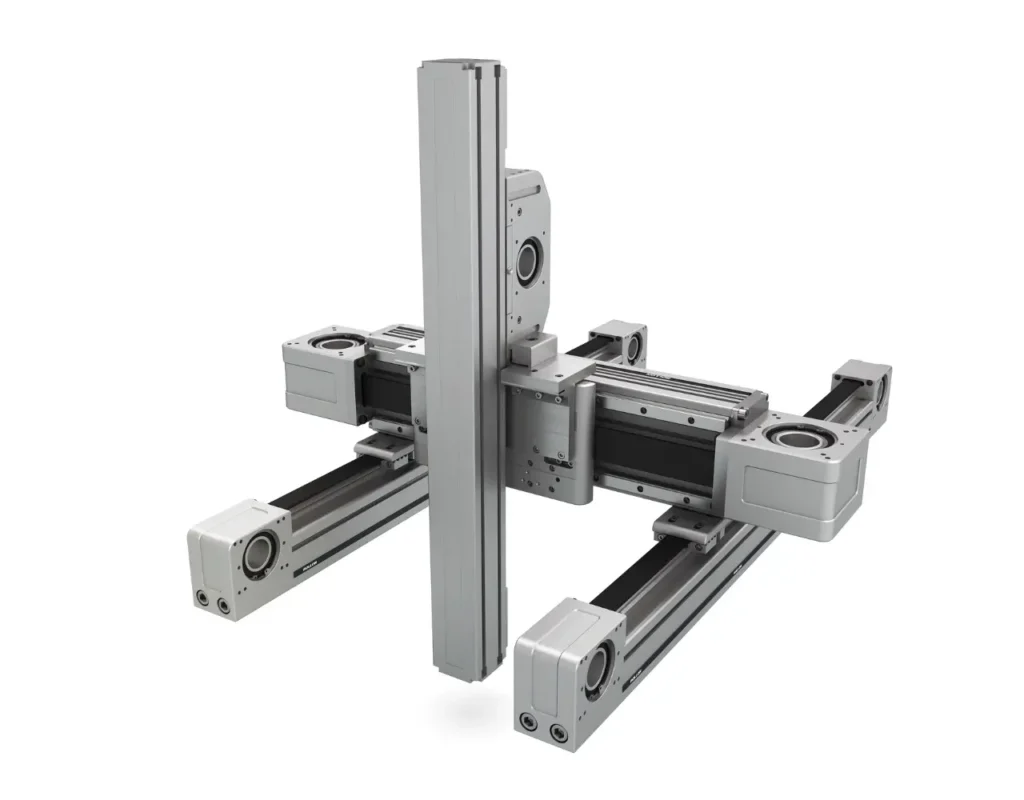 Multi-axis
 XL Xtrem Load
 Spherical plain bearings
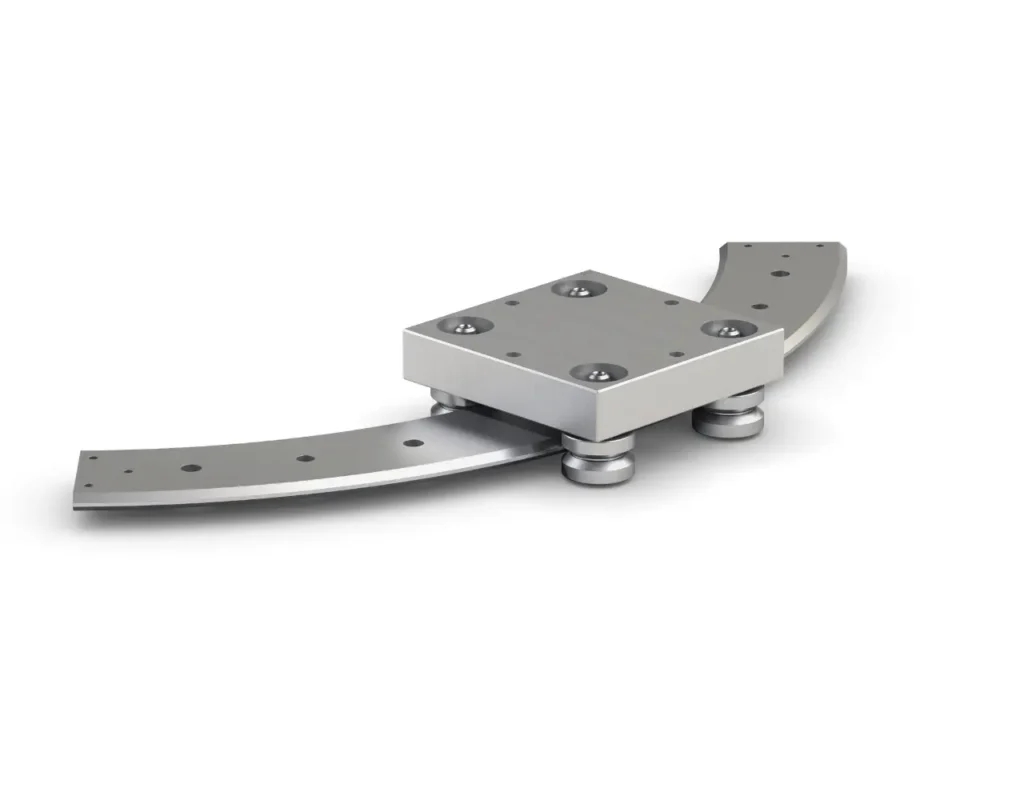 Curved guides
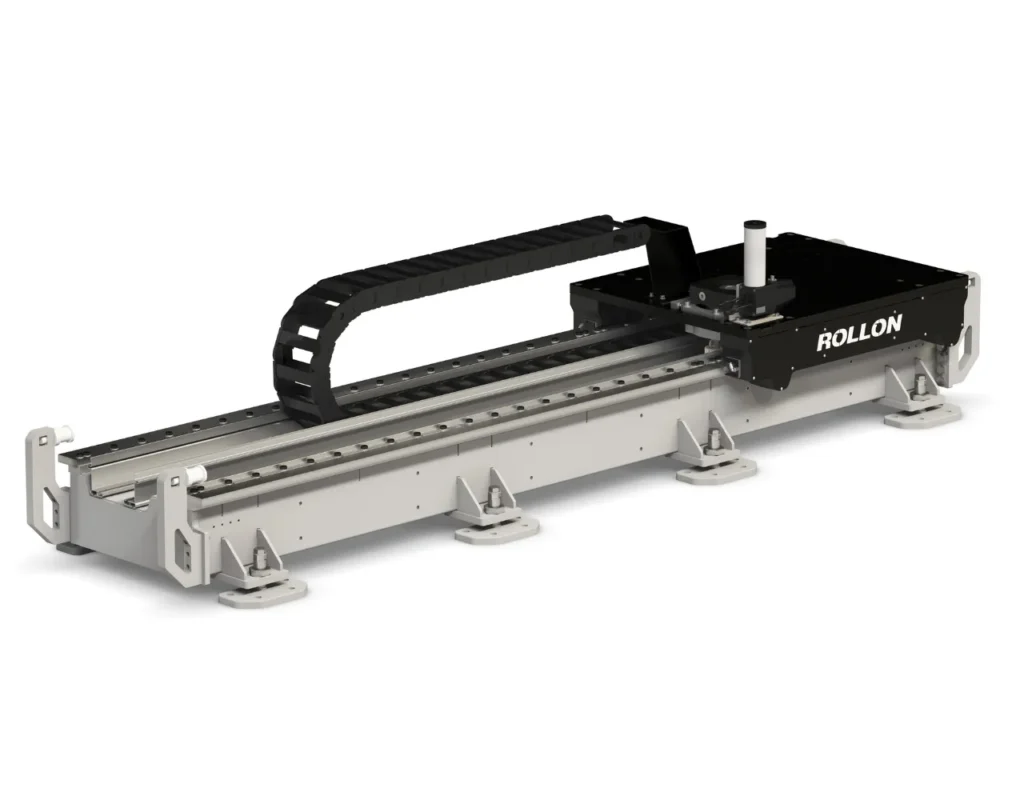 Robot transfer units
 XT Xtrem Transport
 Needle roller bearings
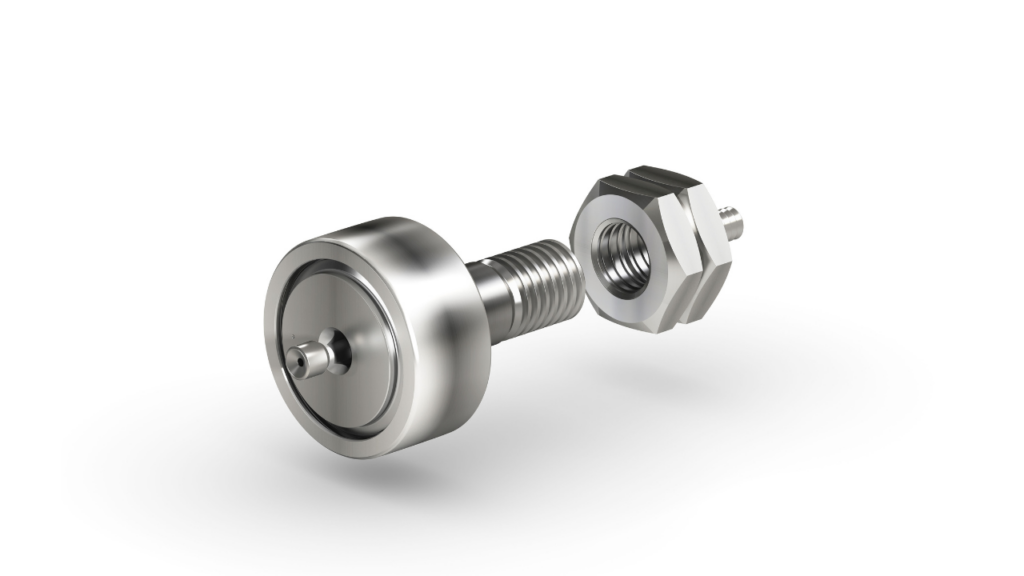 Cam followers
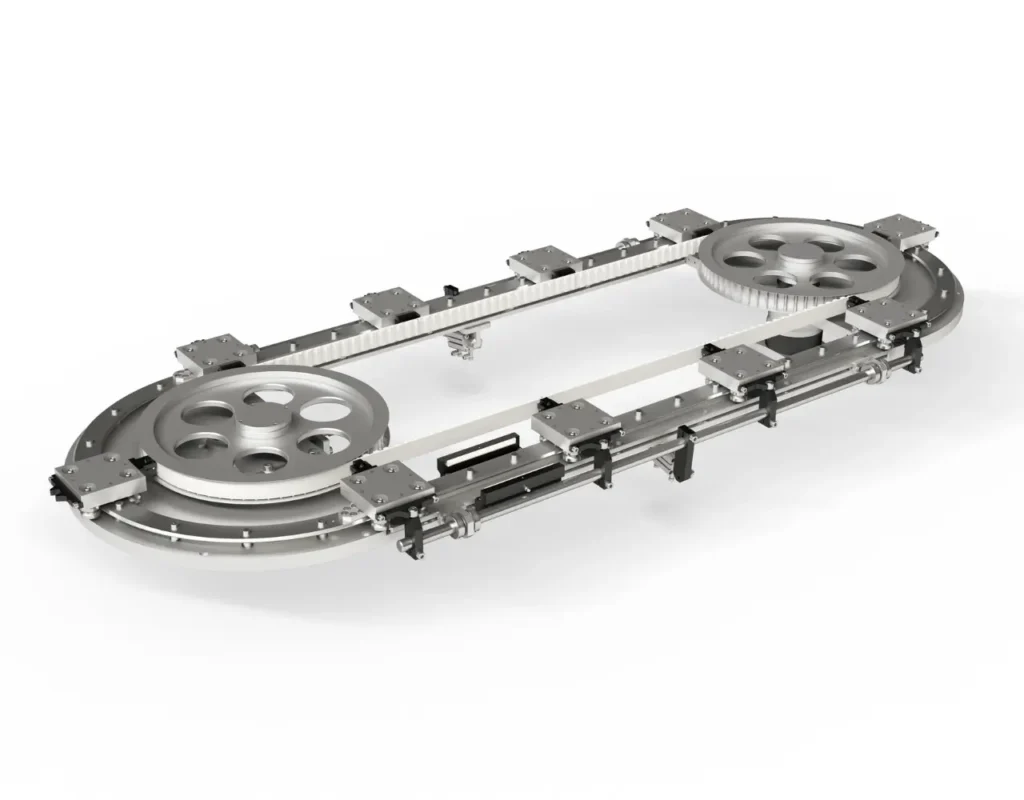 Circular systems
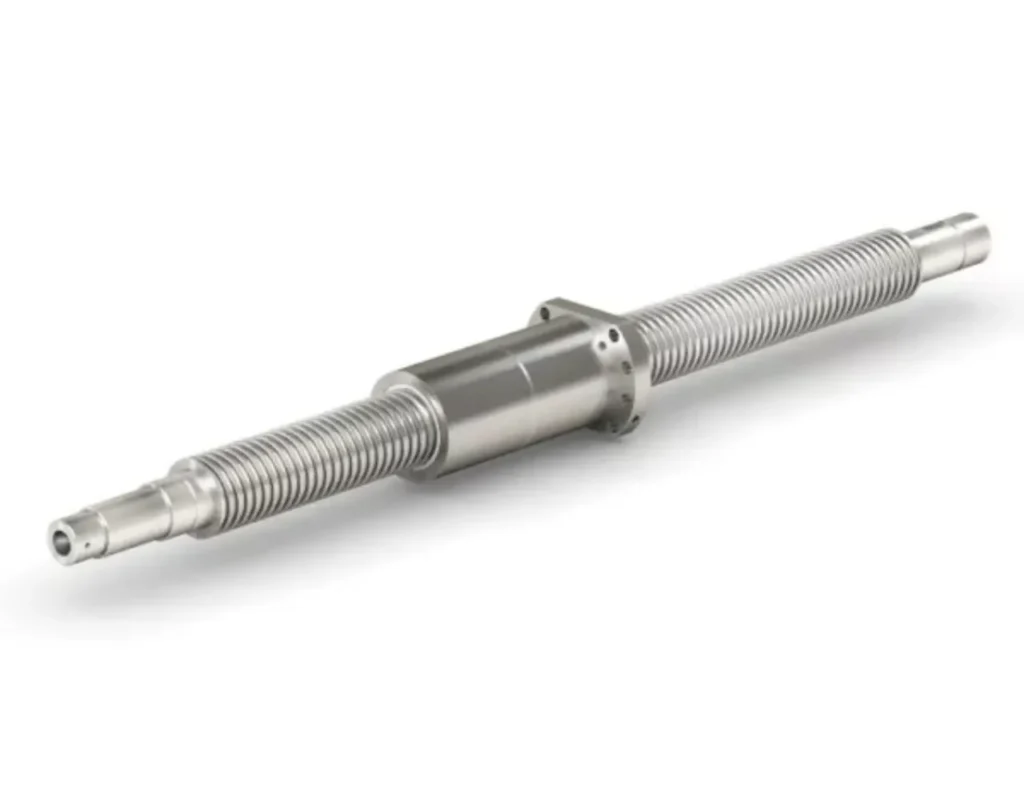 Rollon RB
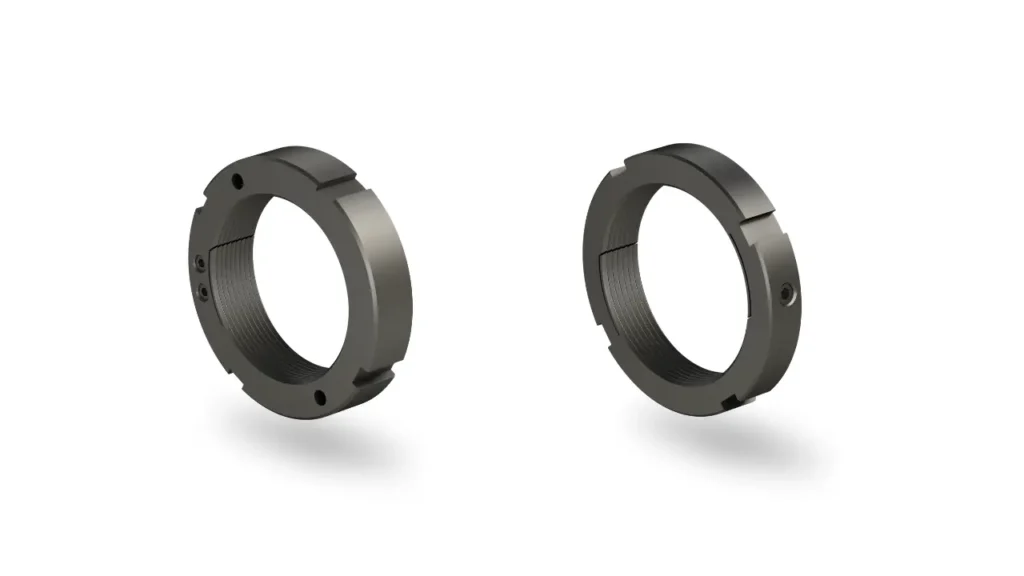 Locknuts and rings
 Aerospace
 Building and Furniture
 Electronics
 Food & Beverage
 Healthcare
 Industrial machines
 Machine tool
 Material Handling
 Packaging
 Railway
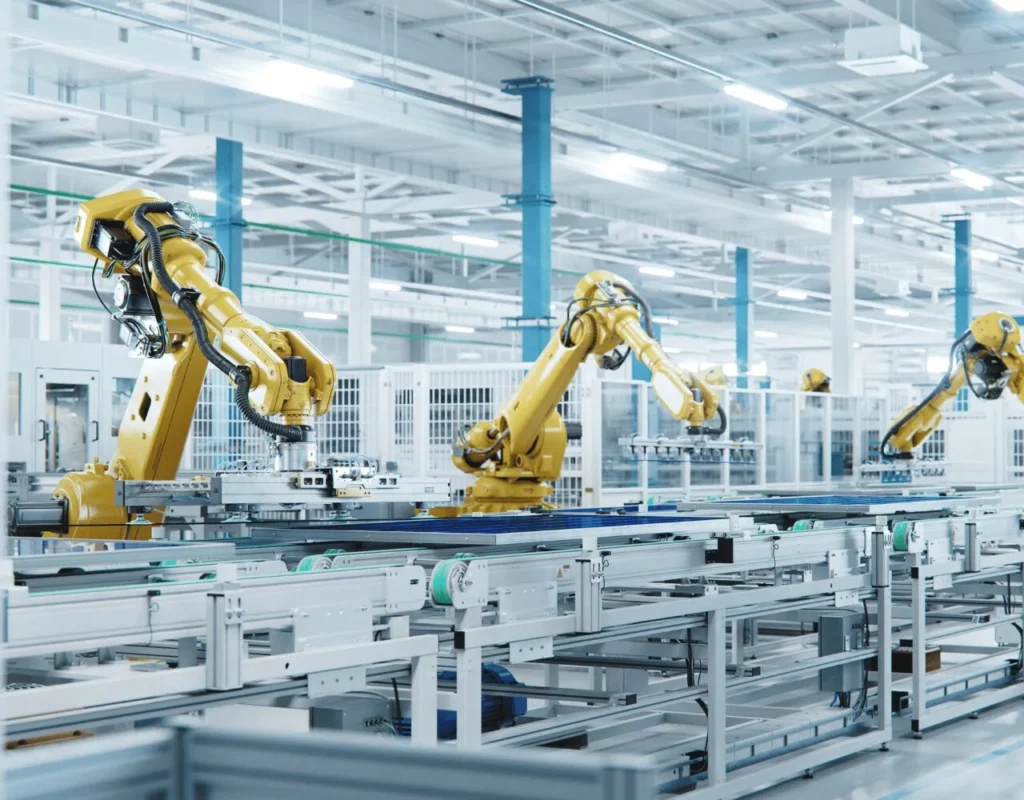 Robotics & Automation
 Special Vehicles



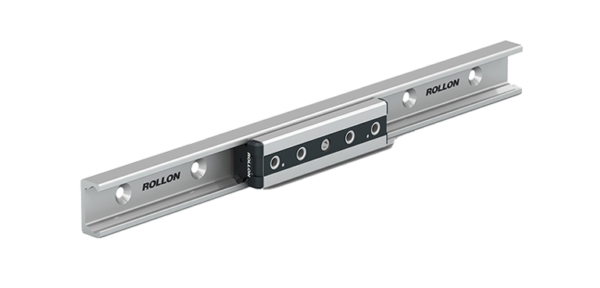
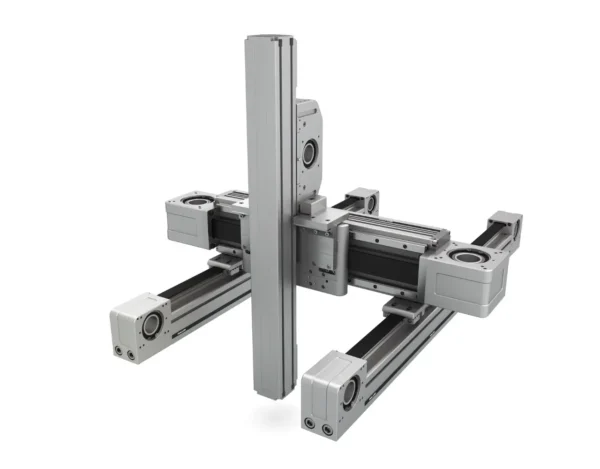
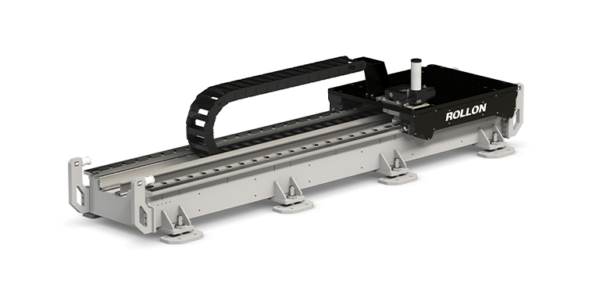
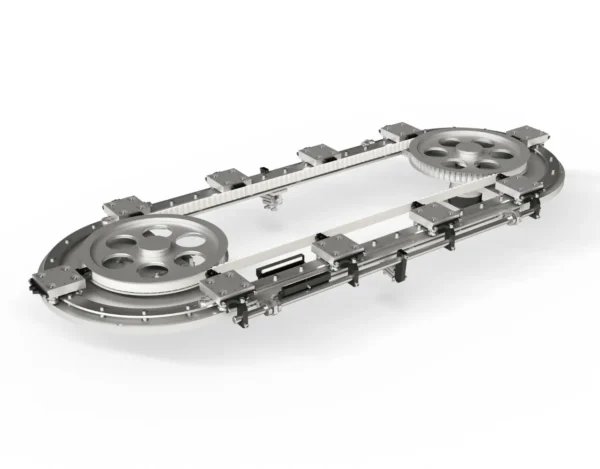
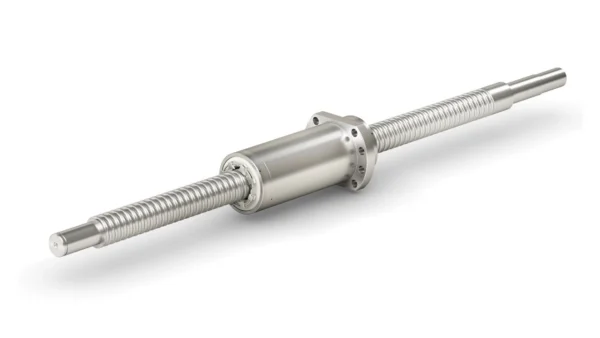




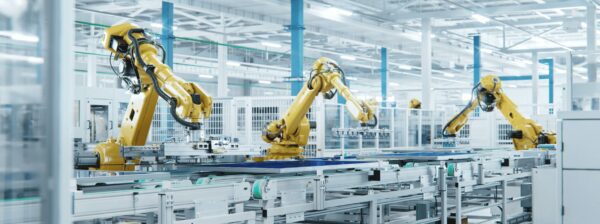






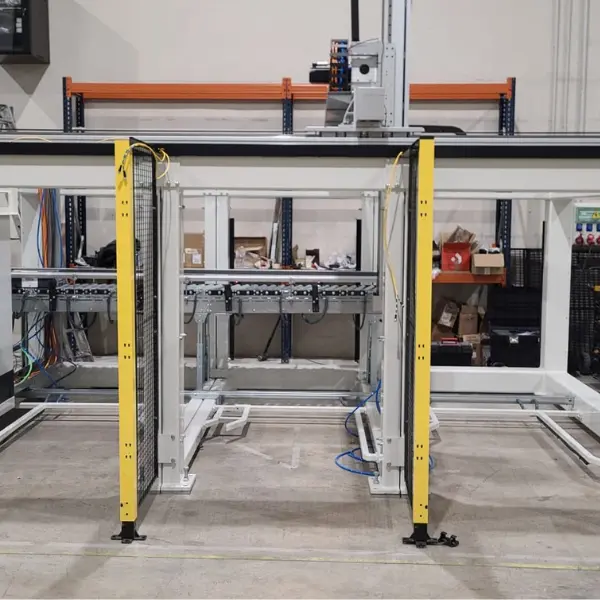

Adding a seventh axis to a six-axis robot turns a static arm into a system that can walk along the line, tending multiple machines, handling large parts and covering work areas that would otherwise require several robots. To make this possible, the robot travels on a high load linear actuator that works as its shuttle. When this actuator is correctly sized for load, stroke, duty cycle and environment, the whole robot cell tends to benefit in terms of productivity and lifetime.
Actuator Requirements for Modern 7th Axis Robot Systems
A seventh axis is essentially a linear shuttle system that carries the robot between stations to extend its operating area. This extra degree of freedom tends to increase the robot’s work envelope, lets smaller robots cover longer lines and often helps reduce capital cost because one robot can service multiple processes.
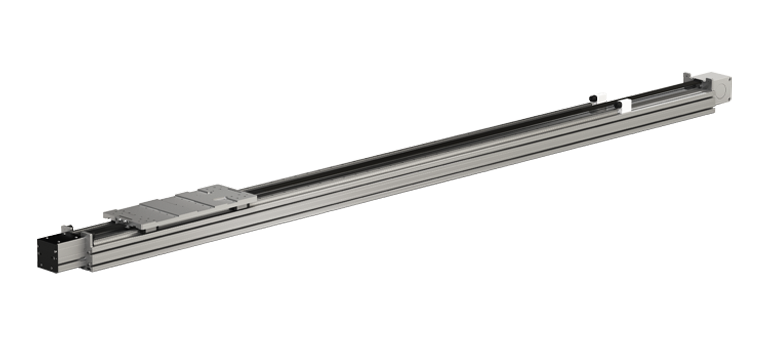
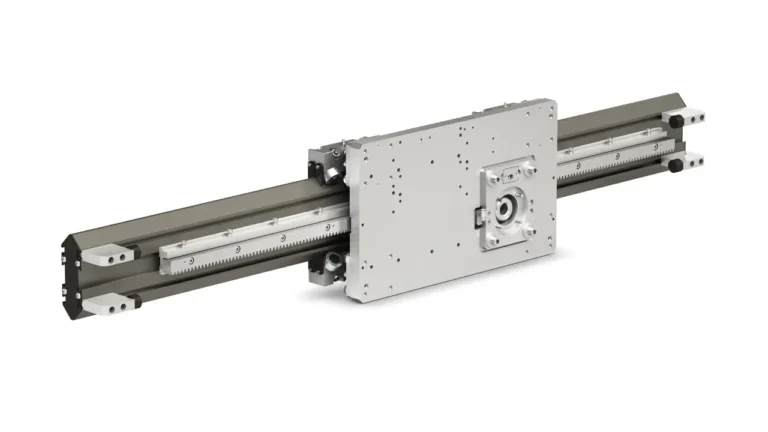
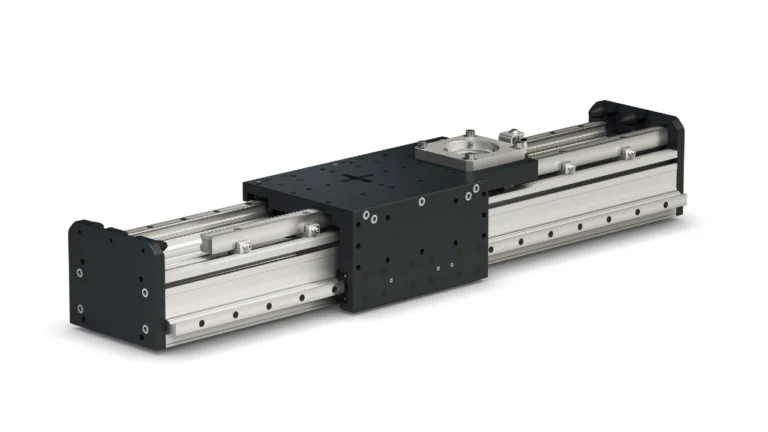
For this to work reliably, the linear axis that supports the robot must combine high load capacity, long travel and dynamic performance. It must handle the robot’s curb weight plus payload and tooling, cope with accelerations that match the cycle time, and maintain accuracy over strokes that can easily exceed tens of metres. Rollon’s seventh axis and RTU solutions are designed as high load linear actuator systems with rack-and-pinion or belt drive rails that can reach strokes of over 40 metres, depending on configuration.
Balancing Load, Speed and Duty Cycle in High Load Linear Actuators
When sizing a high load linear actuator that carries a robot, the starting point is the load. There is the static load, which accounts for the robot’s mass, payload and centre of gravity when the shuttle is not moving, and there is the dynamic load, which comes into play when the actuator accelerates and decelerates along the rail.
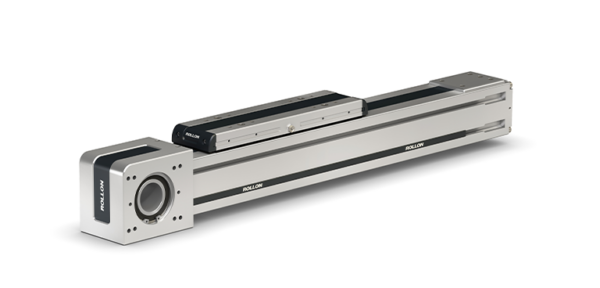
Some long travel linear actuators are intended to carry heavy robots at speeds up to several metres per second, using rack-and-pinion drives, high-rigidity aluminium or steel structures and roller or recirculating bearing guides to keep deflection under control.
An actuator that makes short, occasional moves at moderate speed experiences a very different kind of stress than one that continuously shuttles back and forth between stations at maximum acceleration. That is why it often makes sense to start the sizing process from duty cycle and cycle time. This approach helps engineers select a high load linear actuator that operates within a realistic margin instead of constantly at its limits.
Selecting a Long Travel Linear Actuator for Extended Robot Tracks
A seventh axis track can be just a few metres long, for example to service two machine tools, or it can run across an entire production line. In both cases, the actuator’s structure must combine stiffness and modularity. Rollon’s Seventh Axis and RTU use extruded aluminium or steel beams with jointable inserts that make it possible to create potentially infinite strokes while maintaining precise alignment and rigidity along the entire length. This is a typical area where a long travel linear actuator shows its strengths.
The long travel linear actuator is not usually placed on a perfectly machined foundation. Floors can be irregular, support columns may introduce constraints, and the overall layout often must adapt to existing equipment. For this reason, the actuator system’s mounting concept and alignment features is as important as its load capacity.
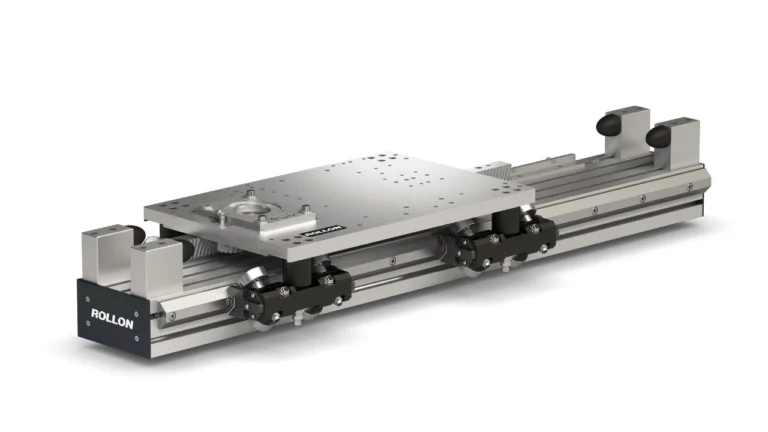
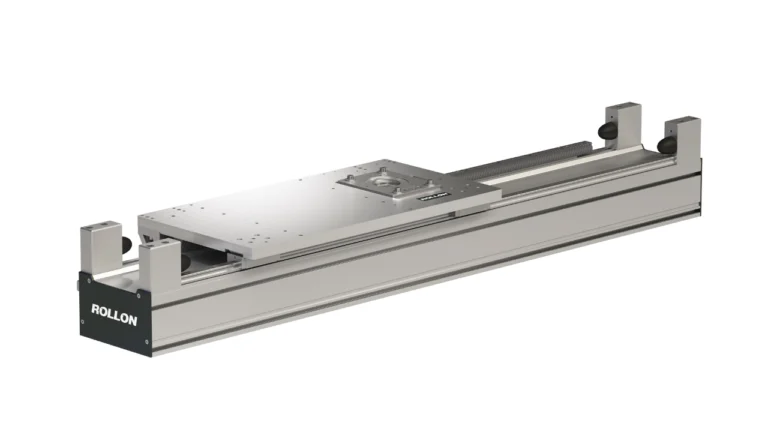
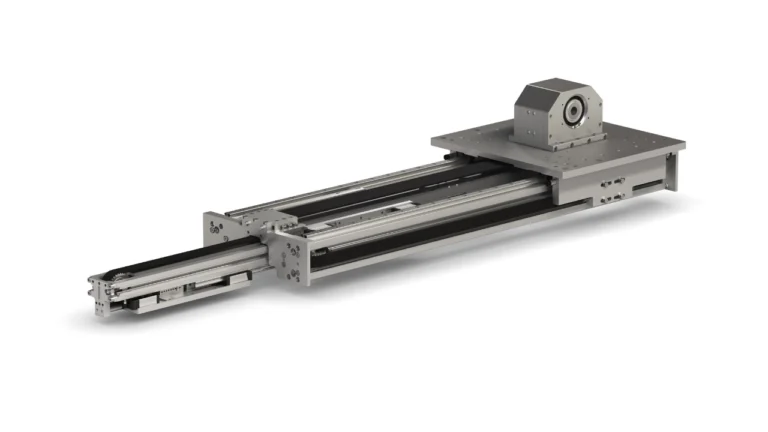
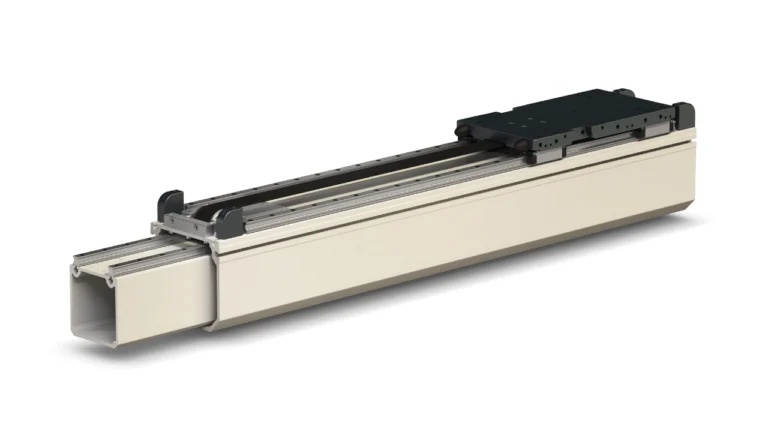
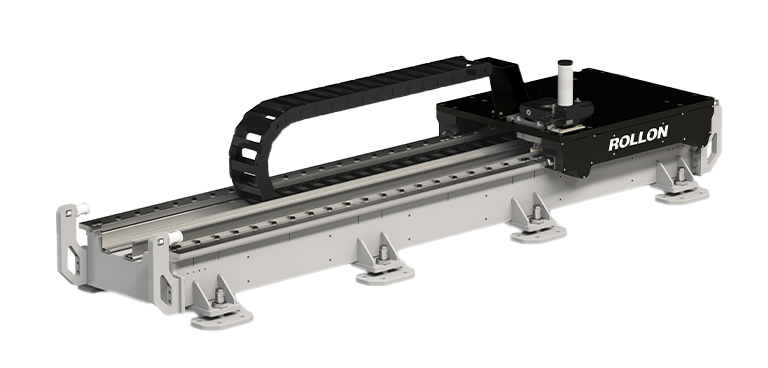
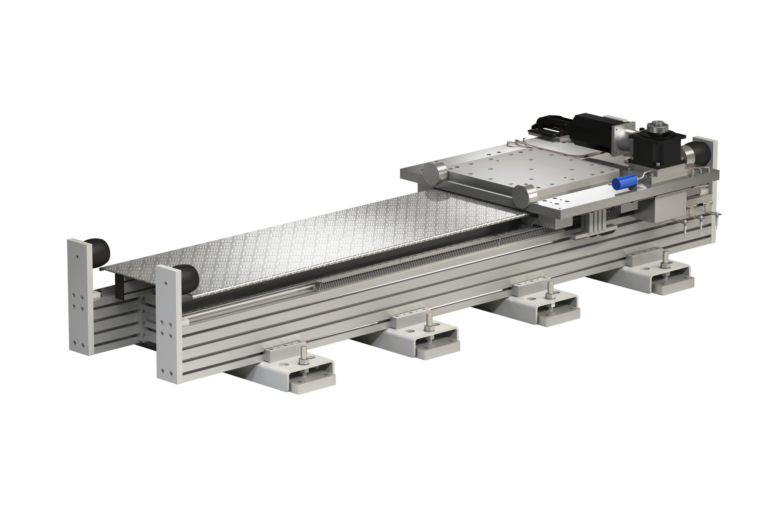
The operating environment also influences the choice between different actuator configurations. In dirty areas with metal chips, welding spatter or sawdust, an enclosed or sealed belt design tends to provide better protection, reducing contamination of the internal components. In cleaner environments, open-belt solutions can be more cost-effective while still offering the necessary performance. Rollon’s Robot Transfer Units have sealed belt, open belt and rack-and-pinion versions are offered for different levels of load, travel and contamination, all within the scope of high load linear actuator and long travel linear actuator applications.
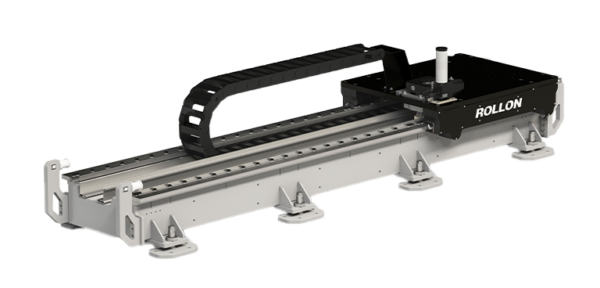
Rollon’s Robot Transfer Unit
How Actuator Design Influences Lifetime and Maintenance
A high load linear actuator that uses tempered helical rack-and-pinion drives, high-quality roller or recirculating guides and robust sealing is generally better equipped for years of heavy service than a lighter, more exposed design.
Both the robot and the actuator need consistent lubrication schedules if they are to meet lifetime expectations. For the actuator, this usually means periodic greasing of linear guides and rack-and-pinion drives or, in the case of belt-driven units, inspection and tension checks. Some multi axis systems and RTU variants from Rollon are designed to make this easier, with accessible lubrication points and protective covers that can be removed without major disassembly, which is important when the actuator is both a high load linear actuator and a long travel linear actuator.
Why Rollon Seventh Axis and RTU Solutions Are a Strong Fit for High Load, Long Travel Applications
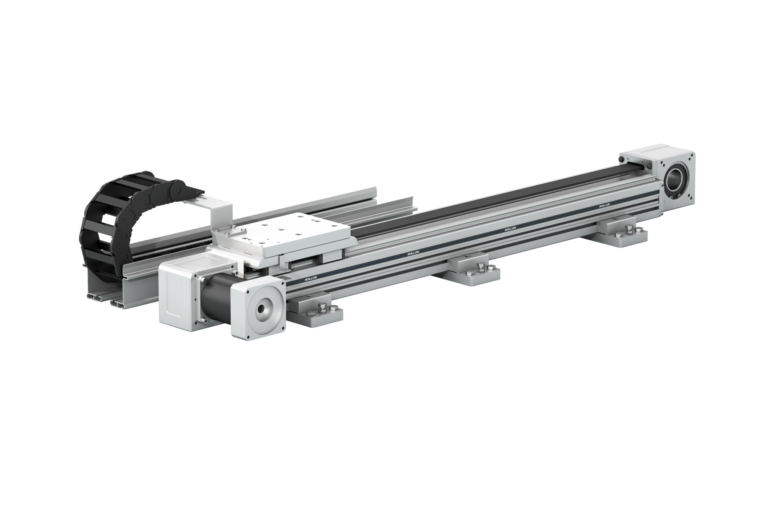
Rollon has built its Seventh Axis and RTU offering on decades of experience with linear Actuators and Multi-axis system solutions. The result is a portfolio of high load linear actuator systems that are specifically engineered to carry robots along long tracks, in floor, wall or ceiling-mounted configurations. Strokes can be extended far beyond the length of a single beam using inserts, while rack-and-pinion and belt drives are selected to suit different speed, load and environment combinations, making it easier to design each long travel linear actuator around real application needs.
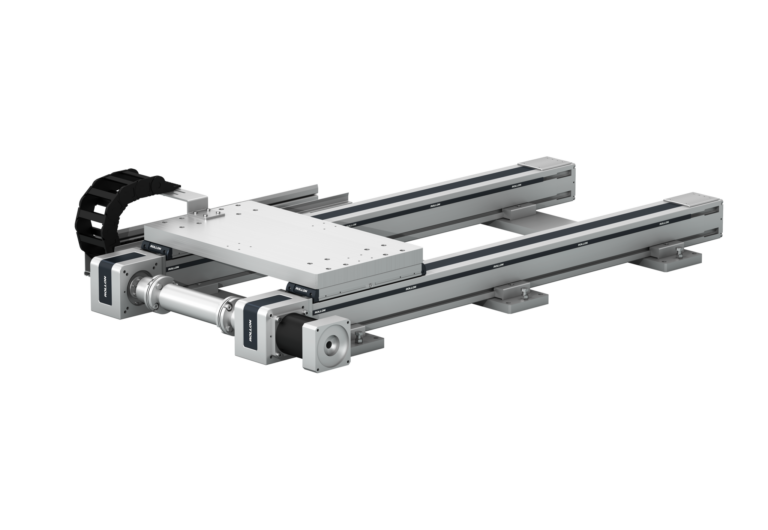
The RTU solutions work alongside other actuators to form cartesian robots or gantry configurations that complement anthropomorphic robots. This makes it easier to design cells in which robots not only move along a long travel linear actuator but also interact with additional linear axes for part positioning, tool handling or auxiliary operations, all using components from the same linear motion specialist.
FAQs
What makes a linear actuator suitable for high load 7th axis applications?
A linear actuator for 7th axis use needs a rigid structure, oversized guides and drive system and correct sizing for robot weight, payload and dynamic forces.
How long can a long travel linear actuator be in a 7th axis robot track?
A long travel linear actuator can often reach tens of metres by joining modular sections, if stiffness, alignment and drive sizing are engineered correctly. The limit is usually set by layout, robot application and cost rather than by the actuator concept itself.
Why are duty cycle and lifetime so important for 7th axis actuators?
Duty cycle and target lifetime determine how many cycles the actuator must survive and at what load and speed.
How does the operating environment affect high load linear actuator design?
Dirty, wet or hot environments influence the choice of sealing, materials and drive type in a high load linear actuator.