
 Linear guides
 Linear actuators
 XP Xtrem Position
 Rod ends
 Telescopic rails
 Multi-axis
 XL Xtrem Load
 Spherical plain bearings
 Curved guides
 Robot transfer units
 XT Xtrem Transport
 Needle roller bearings
 Cam followers
 Circular systems
 Rollon RB
 Locknuts and rings
 Aerospace
 Contract & Building
 Electronics
 Food & Beverage
 Industrial machinery
 Healthcare
 Machine tool
 Material handling
 Packaging
 Railway
 Robotics & Automation
 Special Vehicles



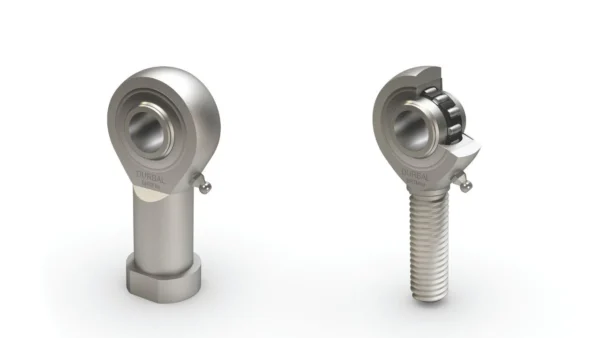












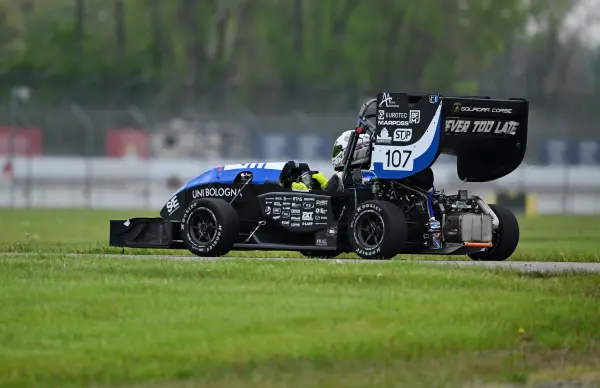

Chiavette Unificate, part of Rollon Group, is supporting the students of UniBo Motorsport in developing the new Albirea hybrid car for Formula SAE competitions, contributing to its performance and reliability through the integration of Tescubal® rod ends. This collaborative project brings together education, innovation, and industry, fostering the next generation of engineering talent.
Chiavette Unificate, a Rollon Group company specialising in the design and manufacture of rod ends and rotational components, has collaborated with UniBo Motorsport, the University of Bologna’s racing team. With over 350 students from a wide range of faculties and academic backgrounds, the team stands out as one of the most structured and dynamic groups on the international university motorsport scene.
Within this framework, students take part each year in a project-based programme in which they design, develop, and build high-performance vehicles, applying both theoretical knowledge and practical skills in an environment that closely mirrors the dynamics of the automotive industry.
Each season, the team works on three distinct prototypes: the internal combustion car Genesi and the electric car Visione, both developed for the Formula SAE competition – one of the world’s most prestigious engineering contests – and the electric motorbike Vega, with which UniBo Motorsport has won the MotoStudent world title for three consecutive years.
“Our aim is to train students who are not only technically proficient, but who also have a practical understanding of the professional world,” explains Beatrice Barbieri, Sponsorship Manager at UniBo Motorsport. “Working on real-world projects and engaging daily with established companies allows us to translate what we learn in the classroom into skills that can be applied immediately.”
The new Albirea hybrid car, an evolution of Genesi
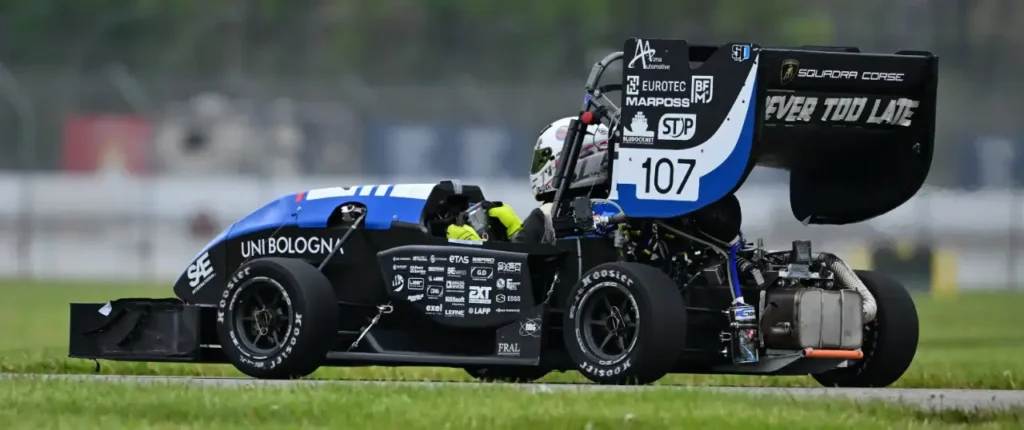
The new hybrid car Albirea
Building on the experience gained with Genesi, the team has developed a new hybrid car, Albirea, with technical support from Rollon Chiavette Unificate. The model was officially presented to the public on June 23 during the annual Unveiling event, dedicated to presenting the prototypes for the 2026 season.
“The team needed rod ends to integrate into the carbon-fibre tubes connecting the wheels to the chassis,” explains Matteo Pitoni, R&D and Application Engineering Manager at Chiavette Unificate. “The solutions previously used tended to develop excessive backlash after limited use, compromising both accuracy and overall vehicle performance.”
Formula SAE does not assess only on-track performance – through dynamic events such as acceleration, skidpad, autocross, and endurance – but also evaluates static aspects including engineering design, cost analysis, and business planning.
“It’s an extremely comprehensive environment that replicates the operations of a real automotive company,” says Pietro Pasquinucci, the team’s Vehicle Dynamics & Control System specialist. “Alongside engineering expertise, organisational, financial, and collaborative skills are essential.”
One particularly critical area is technical inspection, carried out both before and after racing events.
“In the past, we were able to pass the initial checks, but after around 20 km of endurance testing, excessive backlash would emerge in the rod ends,” Pasquinucci explains. “This exposed us to issues during final inspections and ultimately led us to look for a more reliable solution, which we found with the support of Chiavette Unificate.”
The technical solution: Tescubal® rod ends
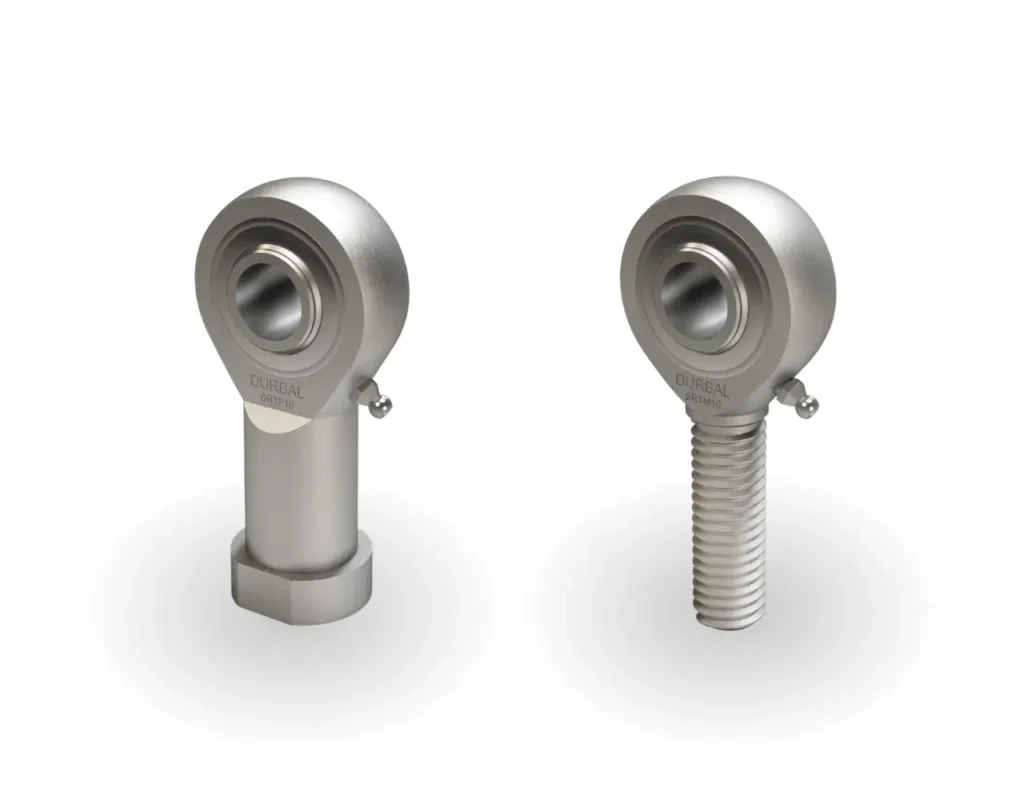
Following an in-depth technical analysis, Chiavette Unificate proposed the use of Tescubal® rod ends, engineered to help ensure smooth motion and minimal, stable backlash over time.
“The key requirement was to achieve controlled initial backlash that would remain constant throughout the component’s service life,” says Matteo Pitoni. “Tescubal rod ends meet this need thanks to their high manufacturing precision and reliability, even under demanding operating conditions.”
Installed in the links between the wheels and the chassis, as well as in the rear chain tensioner, the Tescubal® rod ends have contributed to significantly improving both vehicle stability and performance consistency.
“We had the opportunity to test them during a Formula SAE race at Michigan International Speedway in the United States,” Pasquinucci adds. “The results were very positive: we encountered no issues related to excessive backlash, and the technical inspections were passed without difficulty.”
A bridge between university and industry
The collaboration with UniBo Motorsport is part of Rollon’s broader commitment to supporting academic projects and student associations, with the aim of fostering the next generation of engineers.
“We firmly believe that initiatives like this provide a meaningful opportunity to support young people in their career development,” says Federico Banti, Group Director of Marketing & Business Development at Rollon. “Working with organisations such as UniBo Motorsport allows us to help develop highly specialised skills while strengthening the link between university and industry.”
The new Albirea hybrid car will take to the track from July 24 at the Red Bull Ring in Austria for the FS Austria competition, where months of work will finally be put to the test. The team is focused on completing a car capable of competing at the highest level among European hybrid teams, with a strong emphasis on reliability. The goal is to improve on last year’s performance by introducing several key updates designed to succeed in the dynamic events.