 Linear guides
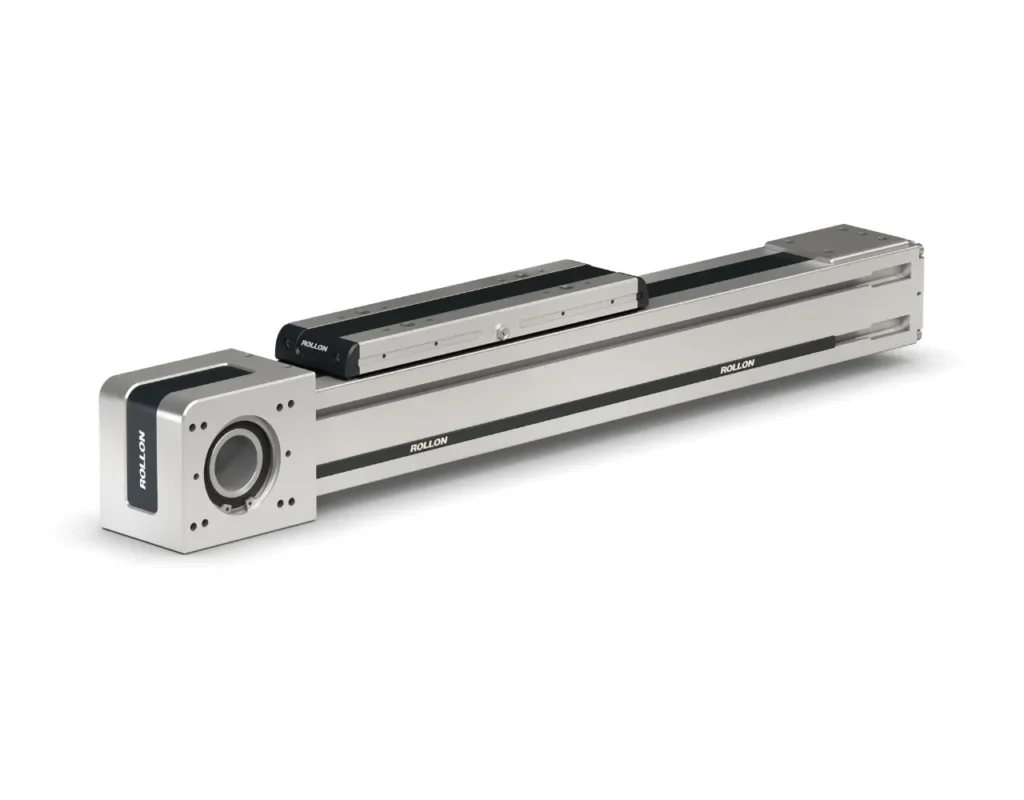 Linear actuators
 XP Xtrem Position
 Rod ends
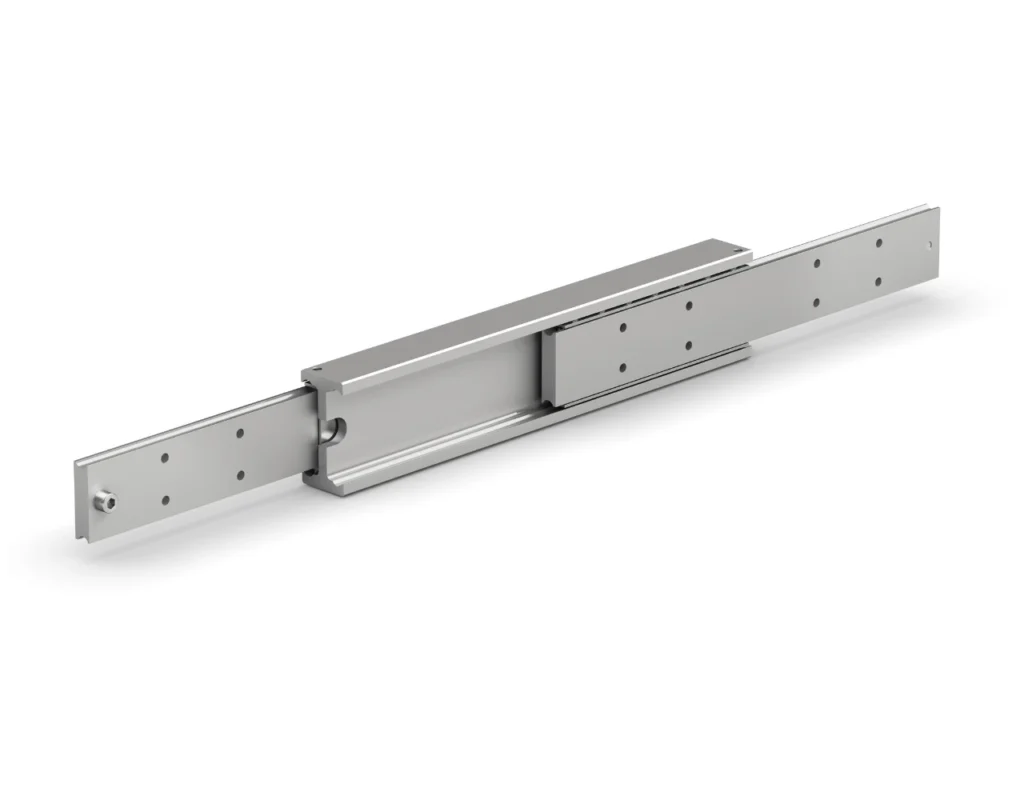 Telescopic rails
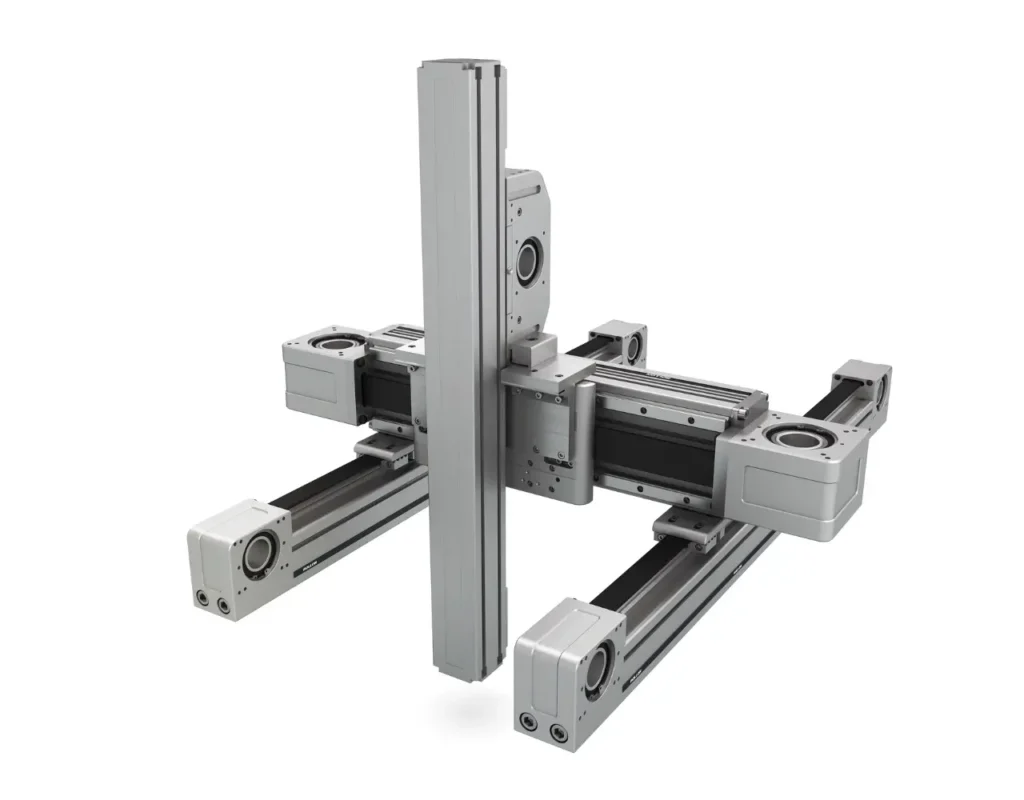 Multi-axis
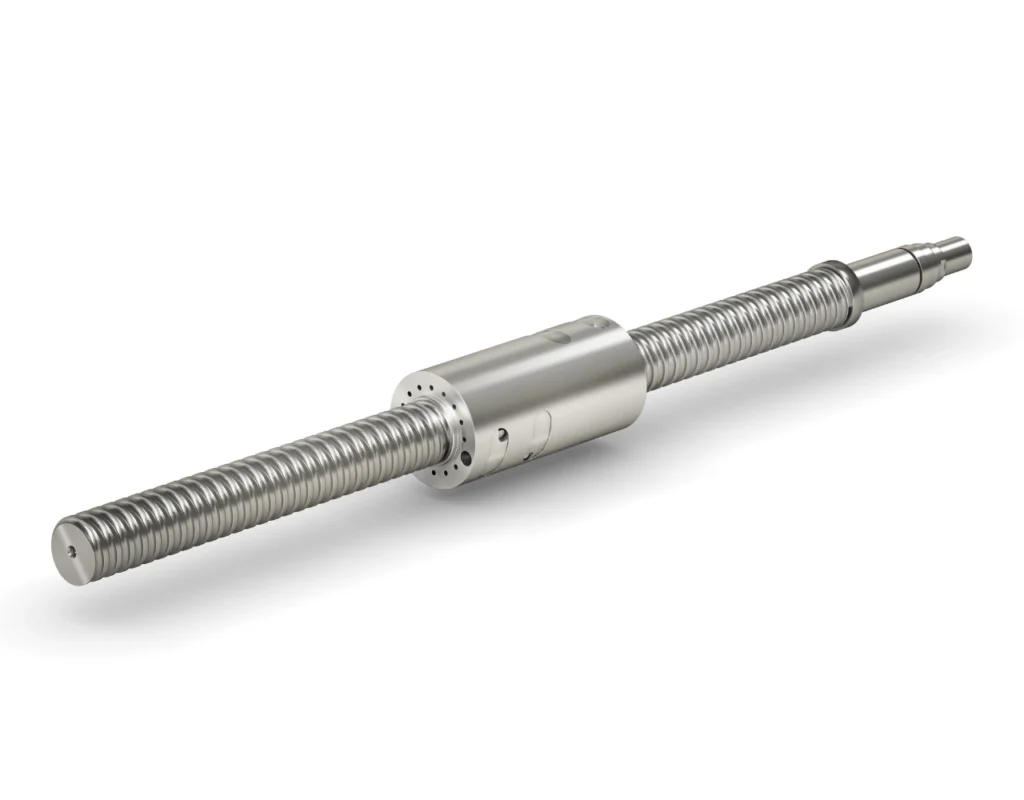 XL Xtrem Load
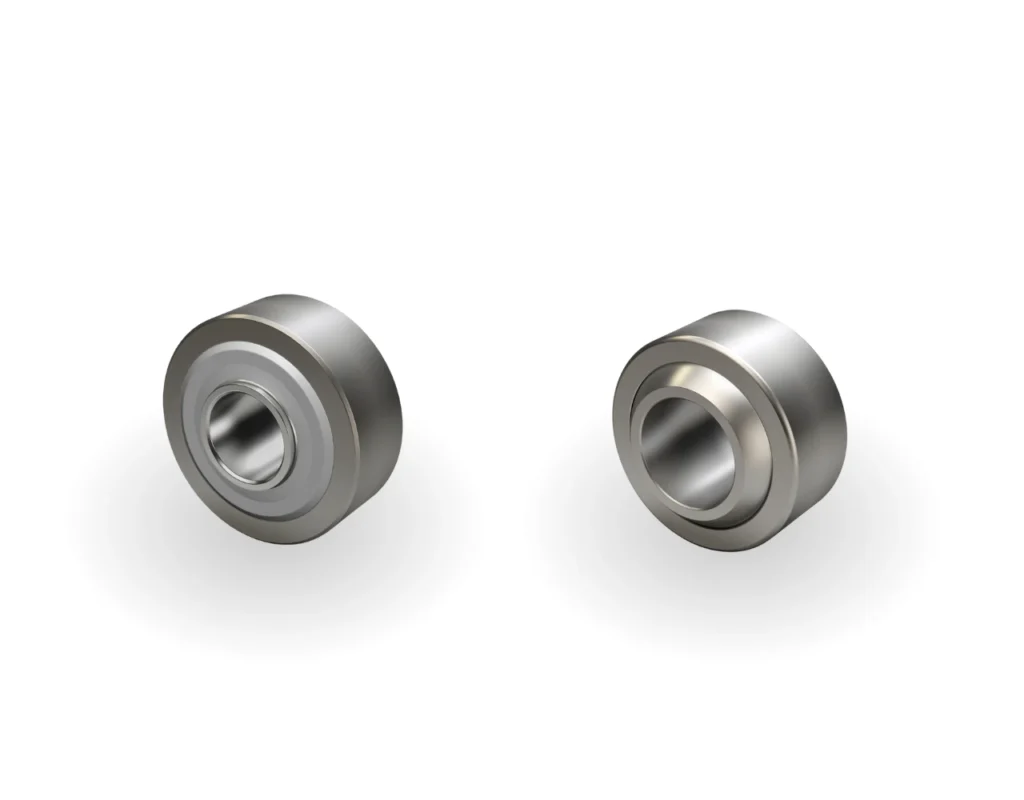 Spherical plain bearings
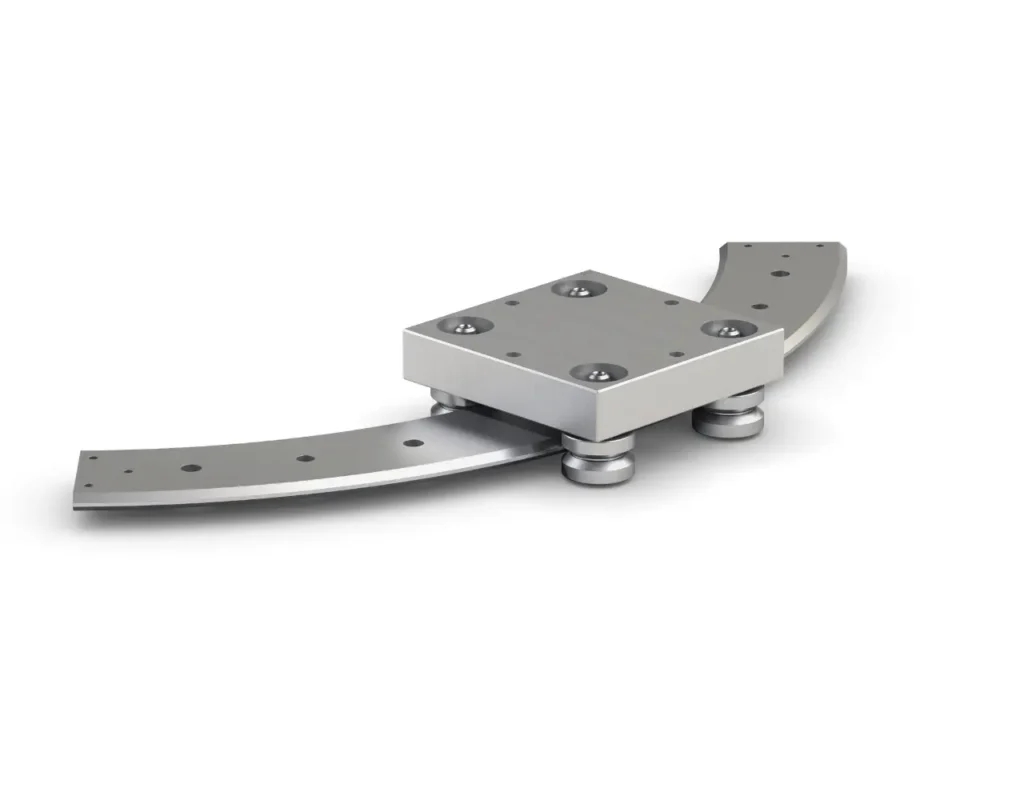 Curved guides
 Robot transfer units
 XT Xtrem Transport
 Needle roller bearings
 Cam followers
 Circular systems
 Rollon RB
 Locknuts and rings
 Aerospace
 Building and Furniture
 Electronics
 Food & Beverage
 Healthcare
 Industrial machines
 Machine tool
 Material Handling
 Packaging
 Railway
 Robotics & Automation
 Special Vehicles



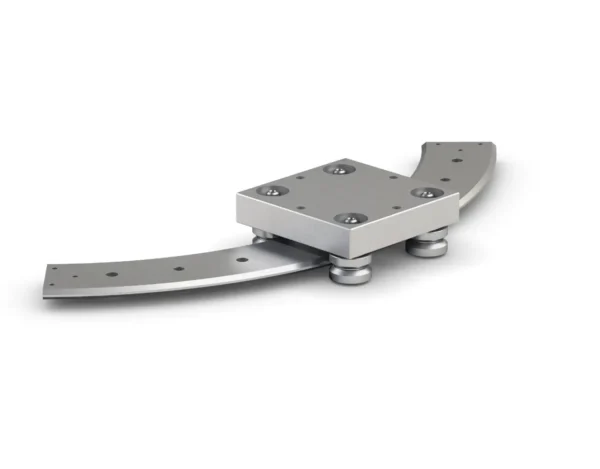
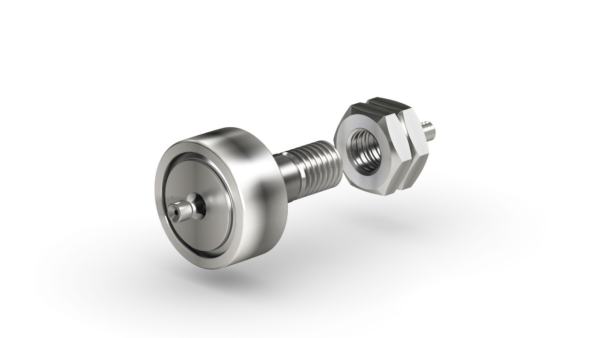
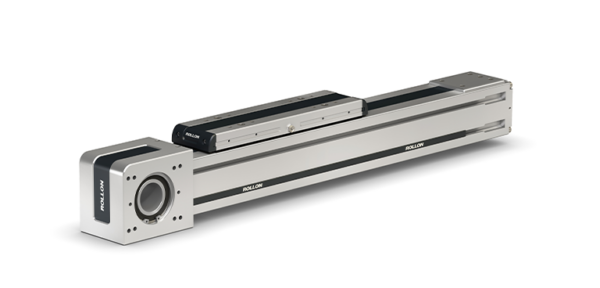
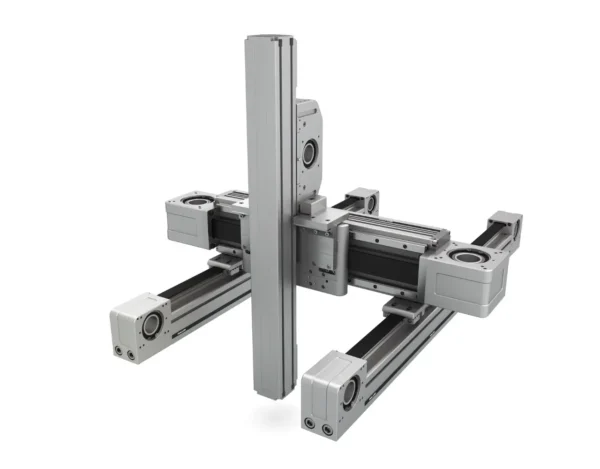













Choosing the right linear guideways is one of the quickest ways to make a difference in industrial automation, not only in performance, but in how a machine can be built, aligned, and maintained over time. In many applications, the challenge is that structures aren’t perfectly machined, environments aren’t perfectly clean, and cycle rates are not gentle.
Roller-based solutions are often selected because they can operate quickly and quietly while managing mounting misalignments on the order of a few millimetres, in both parallelism and flatness, which supports design freedom in complex automation layouts.
Industrial Automation and the Role of Linear Motion Systems
linear motion systems in Industrial automation have to move something from A to B, precisely and repeatedly. That job however becomes harder because real machines are not assembled in laboratory conditions. Mounting surfaces may not be perfectly straight, frames can flex slightly, and dust or debris can be present even in regular production areas. In these situations, guideways that can tolerate small mounting imperfections help make the machine easier to build, easier to align, and more consistent from one build to the next.
That’s also why it makes sense to look at the full range of linear guides when designing automation equipment, different linear guide families are meant to match different loads, environments, and performance needs inside modern automation lines.
Motion Control Challenges in Modern Factory Automation Solutions
Even the best motion control systems can’t fix problems caused by friction, misalignment, or contamination in the mechanical axis. If a guideway starts to bind or get rough, the motion becomes less stable and repeatability can suffer. This is common in applications where dust, shavings, or residue are part of the process. Roller-bearing rails are often used here because they are designed to keep working reliably in tougher conditions, including environments with impurities that would otherwise accelerate wear.
Roller-Based Linear Guideways for Demanding Linear Motion Systems
Roller-based linear guideways become the right choice when the axis must stay stable under real-world conditions such as imperfect mounting surfaces, high-cycle operation, and demanding loads.If a linear guide can manage small misalignments without turning them into high friction or uneven wear, then the entire motion axis becomes more robust and easier to commission.
Within Rollon’s portfolio, looking at the broader range of linear slides helps define the most suitable architecture based on load, environment, and the performance targets of the application. Rollon’s linear guide rail systems have hardened raceways, rigidity, high load capacity, and self-alignment features that support operation even in dirty and demanding environments, exactly the conditions that often define modern industrial automation.
How Roller Linear Guideways Enhance Reliability in Motion Control Systems
Roller linear guideways help by keeping motion smoother under load and by reducing sensitivity to small alignment errors that can happen during assembly. In environments where dust and debris are present, roller-based designs can also be effective because they are commonly paired with protection and cleaning concepts that help keep raceways in better condition.
Why Compact Rail and Compact Rail Plus Are a Strong Fit for Industrial Automation Applications
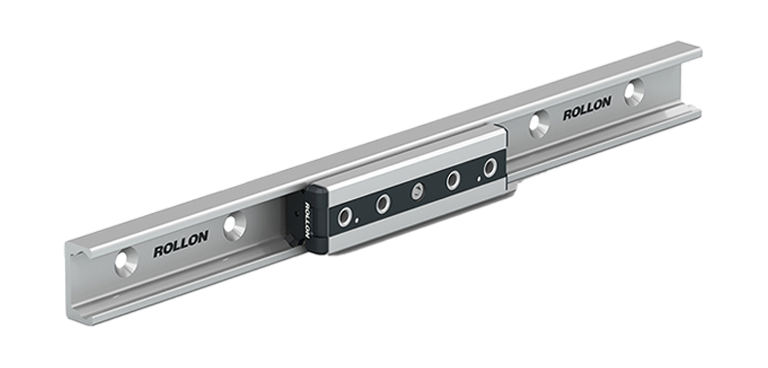
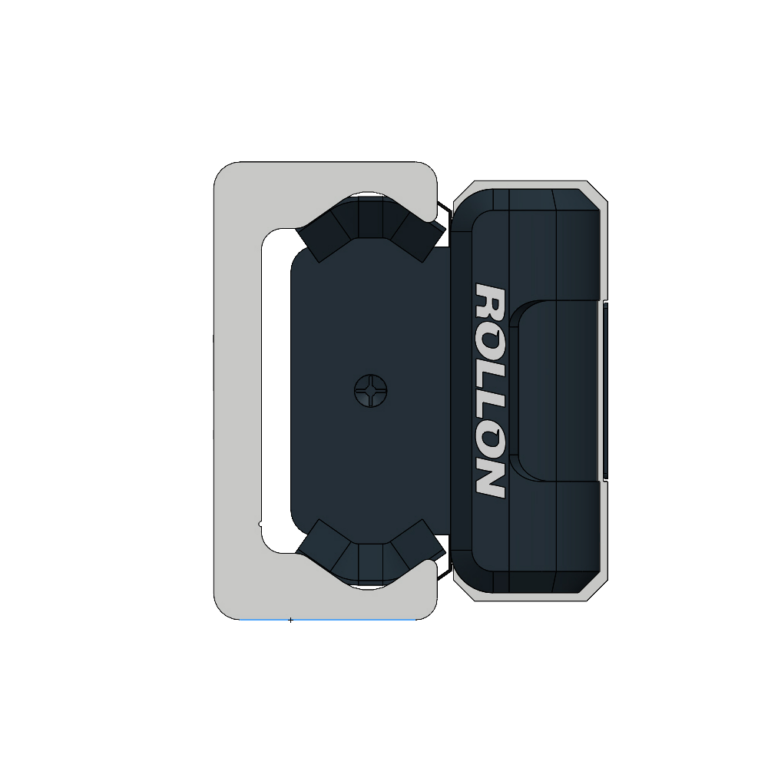
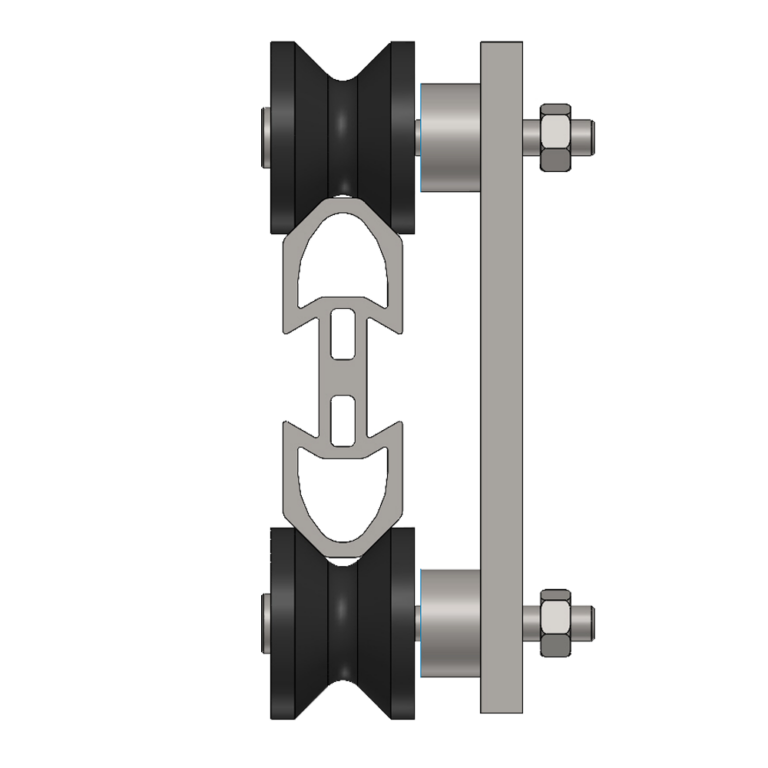
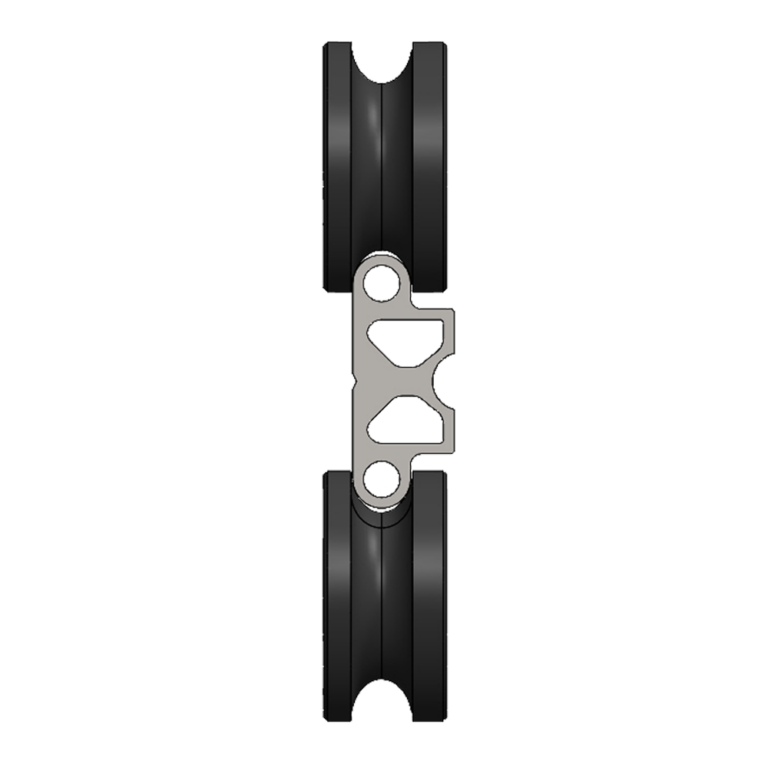
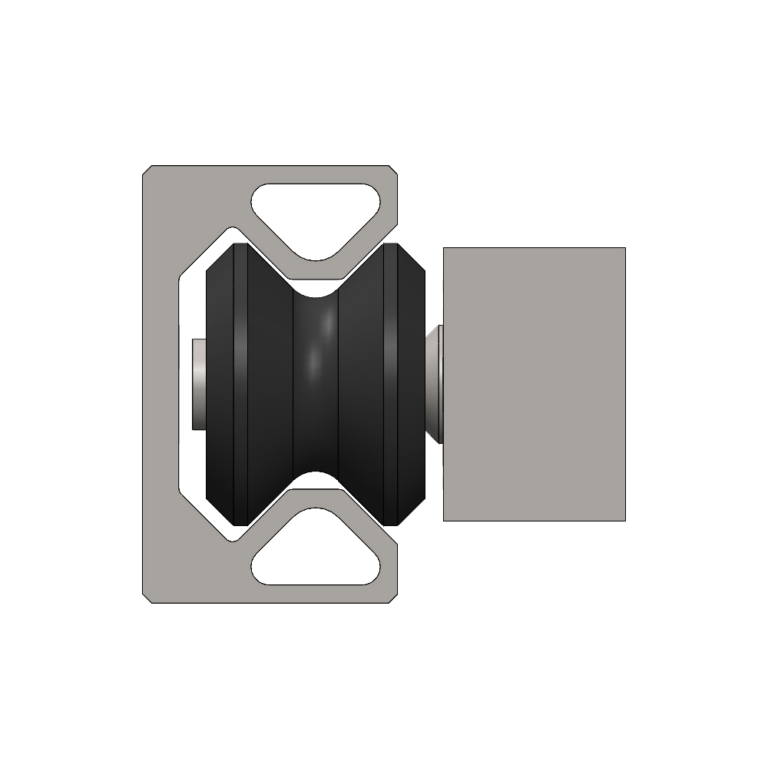
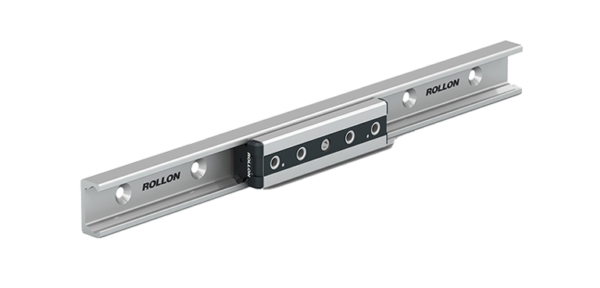
When mounting quality and alignment are major variables, self-aligning families are often the most direct solution. Compact Rail is positioned specifically as a self-aligning linear rail system designed to solve misalignment issues and reduce machining time and application costs, an advantage when machines must be built quickly on structures that aren’t perfectly machined.
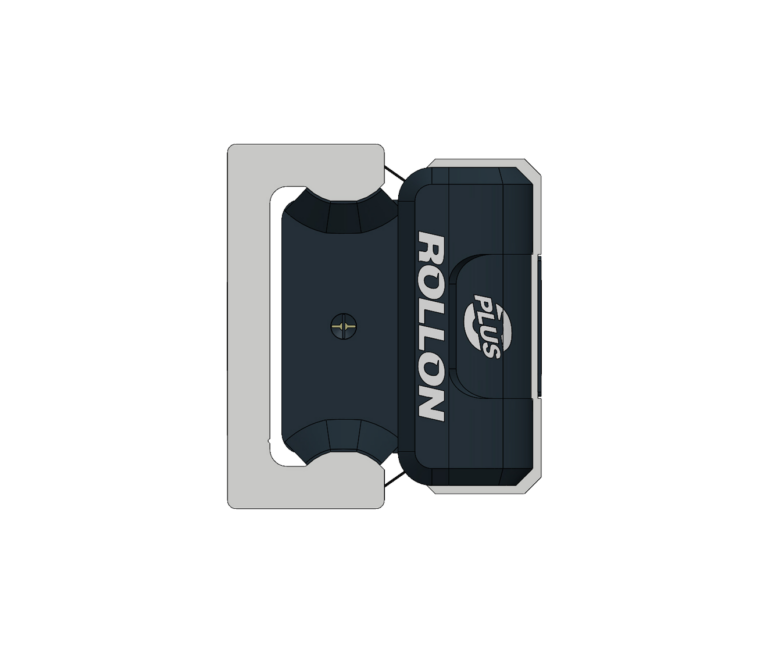
For applications that need the same self-aligning concept but with higher performance, Compact Rail Plus extends the capability with design features aimed at demanding duty cycles and tougher environments.This linear guide has increased load capacity and reliability in polluted environments supported by protective side seals and self-aligning scrapers that help clean the raceways.
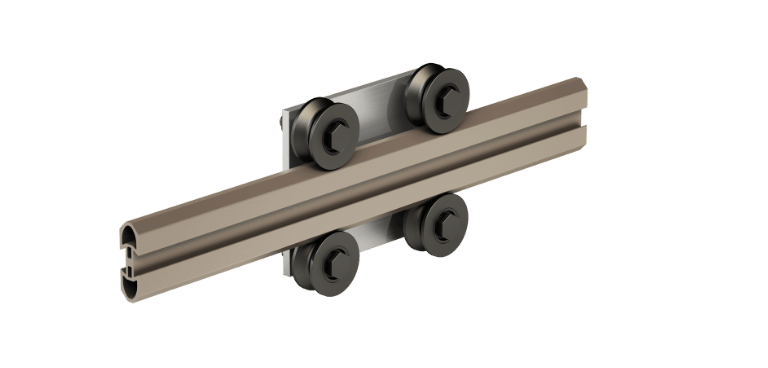
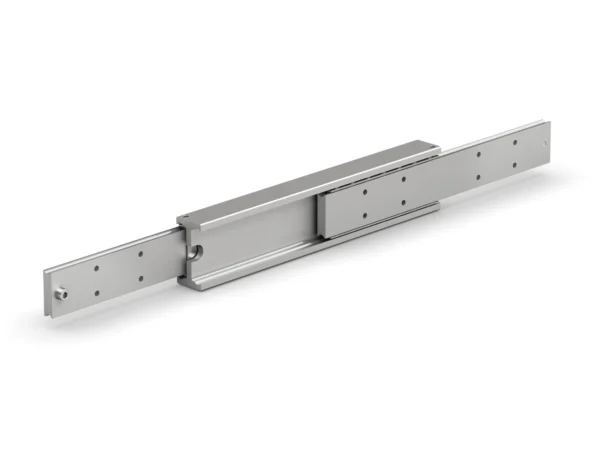
There are also automation layouts where the guide must also act as a structural element, especially when space is tight and you want fewer supporting parts. In those cases, Speedy Rail is often a strong fit because it is designed as a lightweight, self-supporting linear rail with self-alignment properties and a maintenance-friendly approach for harsh or dirty environments. This linear guide self-alignment is enabled by the carriage concept and its performance characteristics intended for long-life operation without lubrication in demanding conditions.
Ultimately, roller-based linear guideways are the right choice in industrial automation when your priorities include tolerance to real-world mounting conditions, stability in contaminated environments, and long-term consistency for demanding linear motion systems. And when you need self-alignment and robustness without overcomplicating installation, families like Compact Rail, Compact Rail Plus, and Speedy Rail provide practical paths to reliable factory automation solutions.
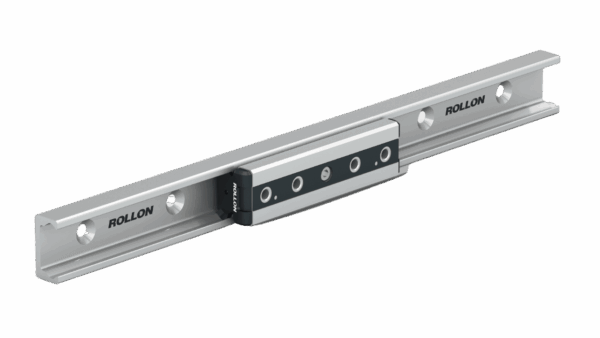
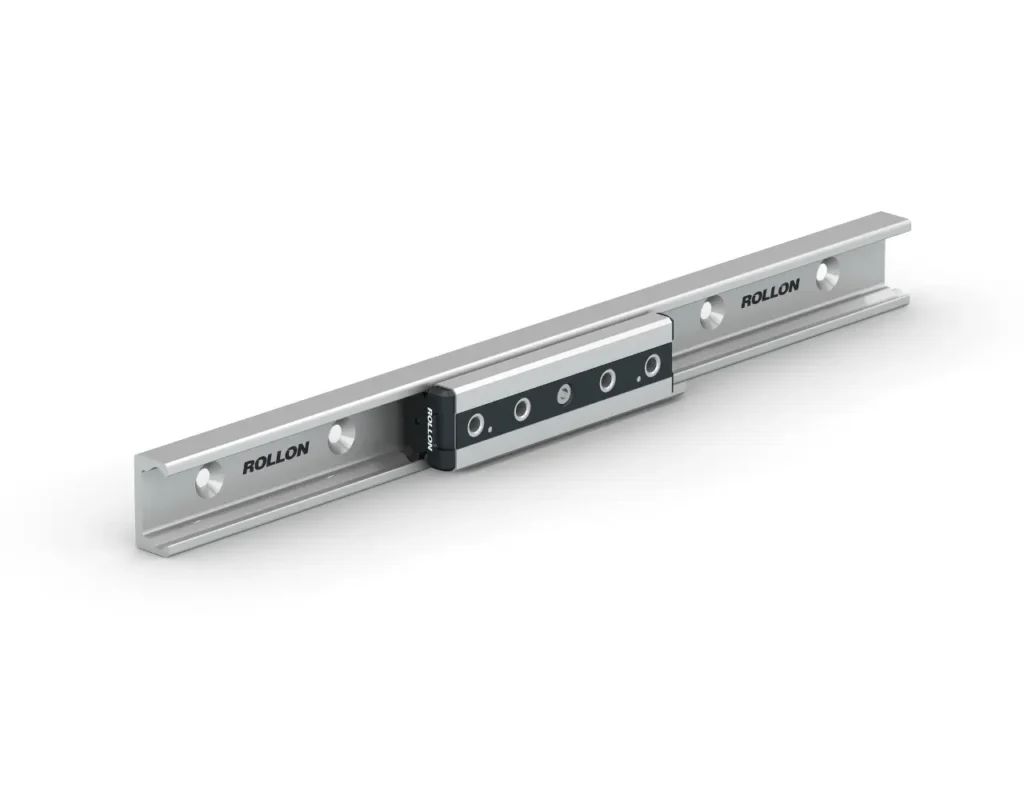
Rollon’s Compact Rail
FAQs
What are roller-based linear guideways and how do they fit into modern linear motion systems?
They are linear guideways that use roller-bearing carriages to guide motion along a rail, in modern linear motion systems they’re used to keep movement stable and repeatable, especially under demanding loads and high-cycle operation.
When are roller rails preferable to other linear guide technologies in industrial automation?
They’re often preferable in industrial automation when the application is heavy-duty, runs continuously, or works in environments with dust and debris where robustness and long-term consistency matter most.
How do roller linear guideways help manage misalignment and imperfect mounting surfaces?
Many roller systems, especially self-aligning designs, are built to tolerate small mounting deviations, reducing binding risk and making installation easier on real machine frames.
Why are roller rails suitable for dirty, corrosive or noisy factory environments?
They can perform well in dirty conditions because roller elements can cope effectively with impurities and can be paired with sealing/cleaning features, and they’re available with corrosion-resistant materials or treatments, they’re also often chosen when smooth, quieter motion is a priority.