 Linear Guides
 Linear Actuators
 XP Xtrem Position
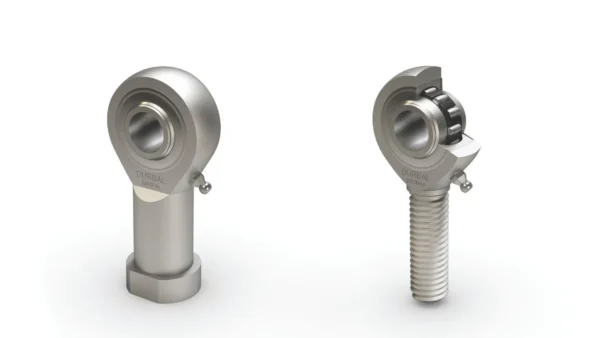
 Rod Ends
 Telescopic Rails
 Multi-Axis Systems
 XL Xtrem Load
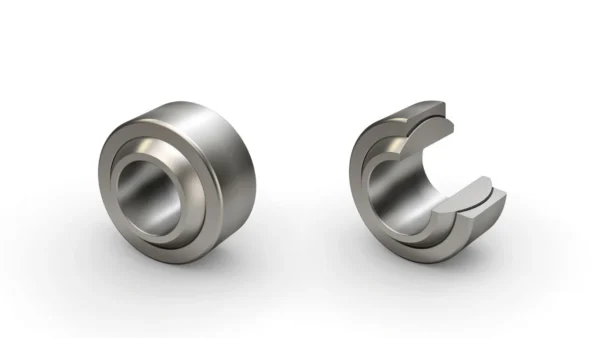
 Spherical Plain Bearings
 Curved Guides and Rails
 Robot Transfer Units
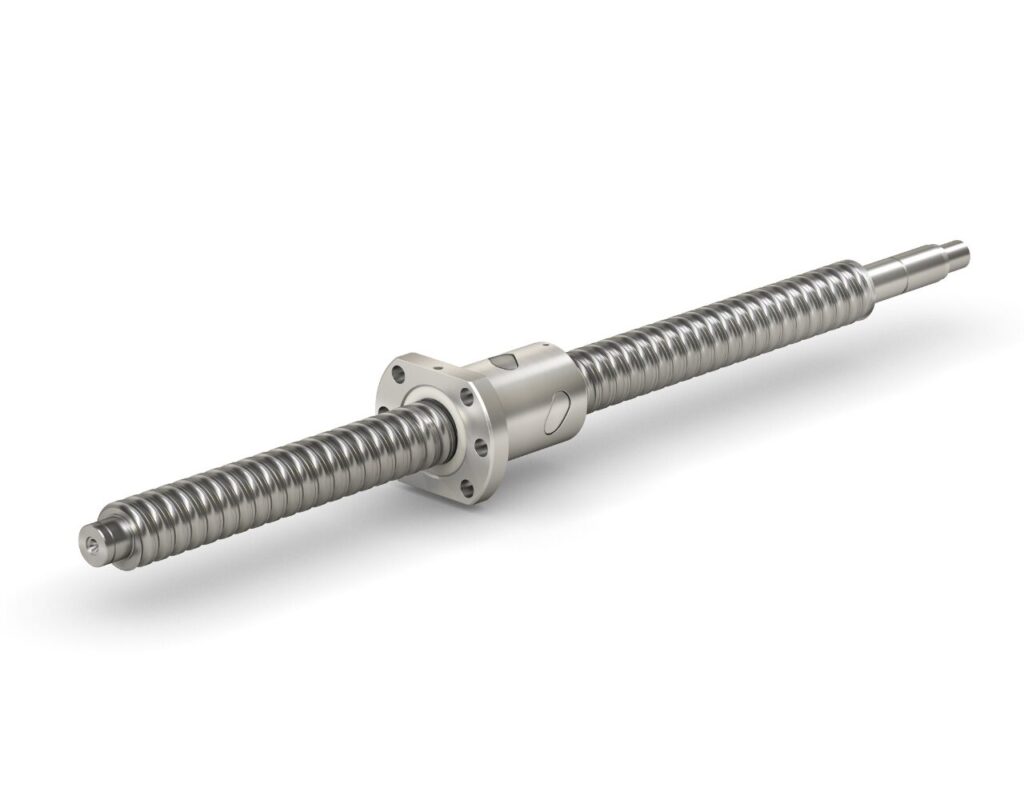 XT Xtrem Transport
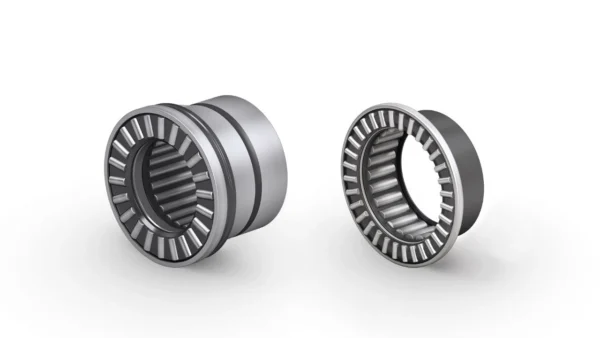
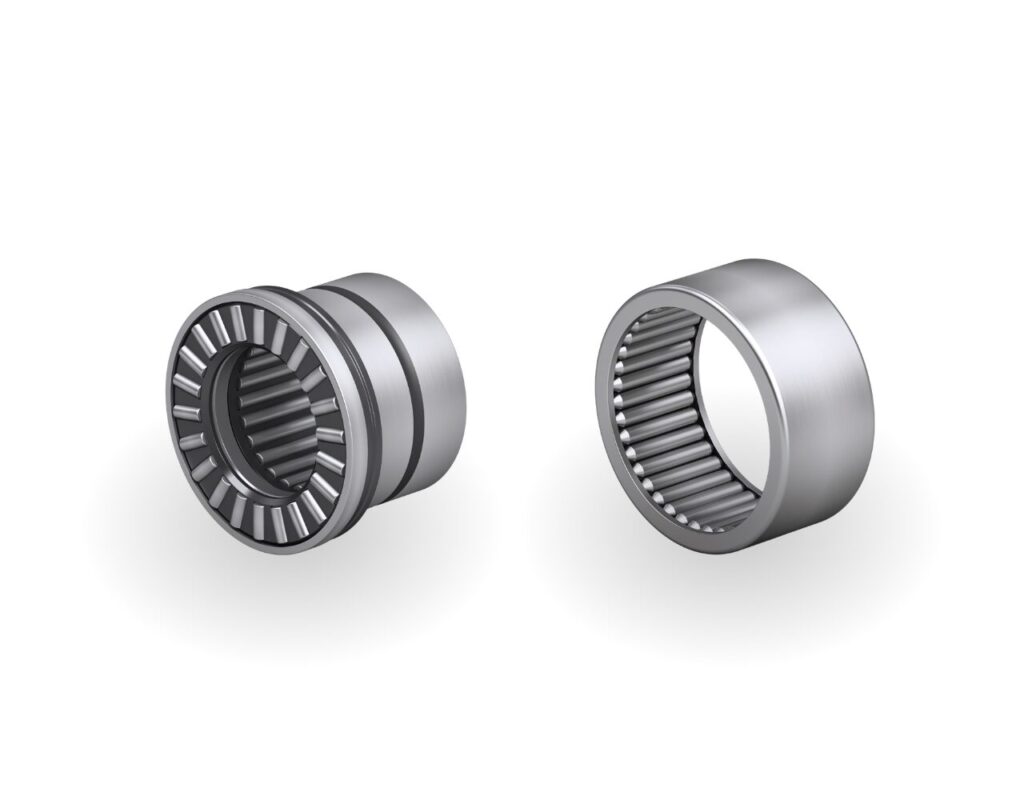 Needle Roller Bearings
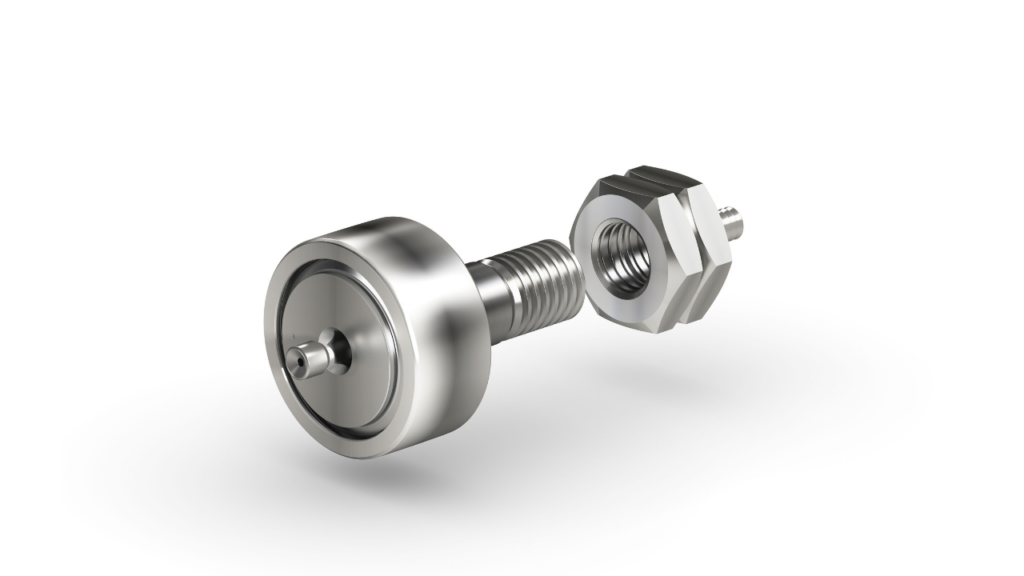 Cam Followers
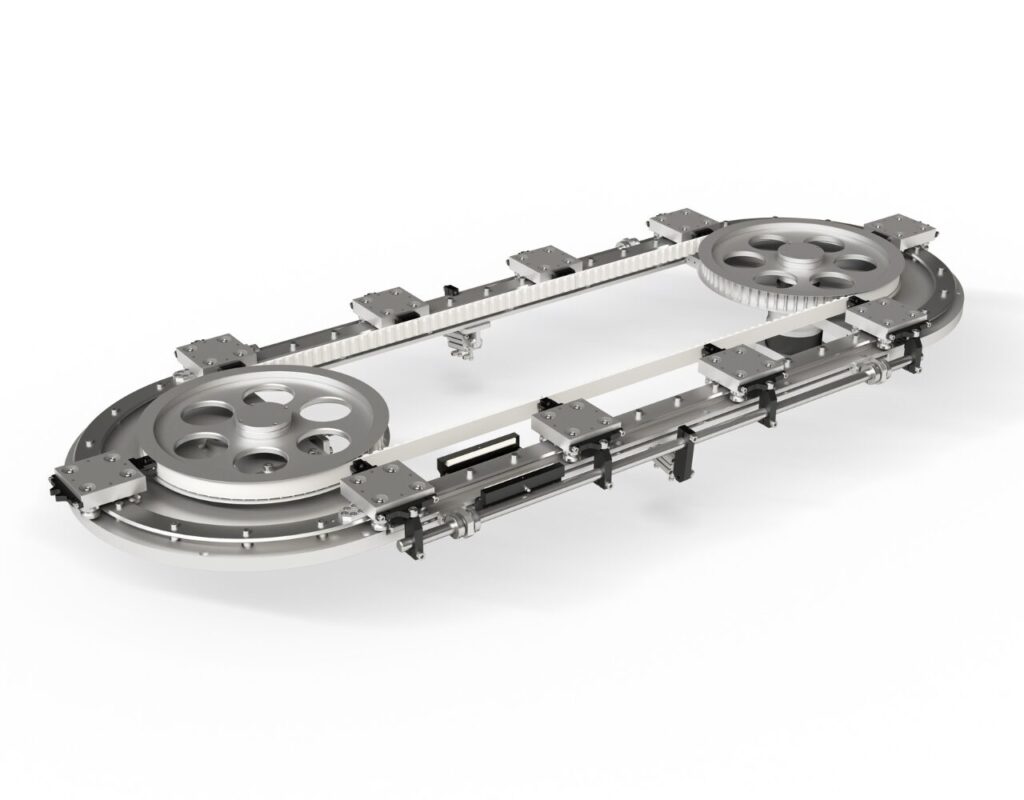 Circular Systems
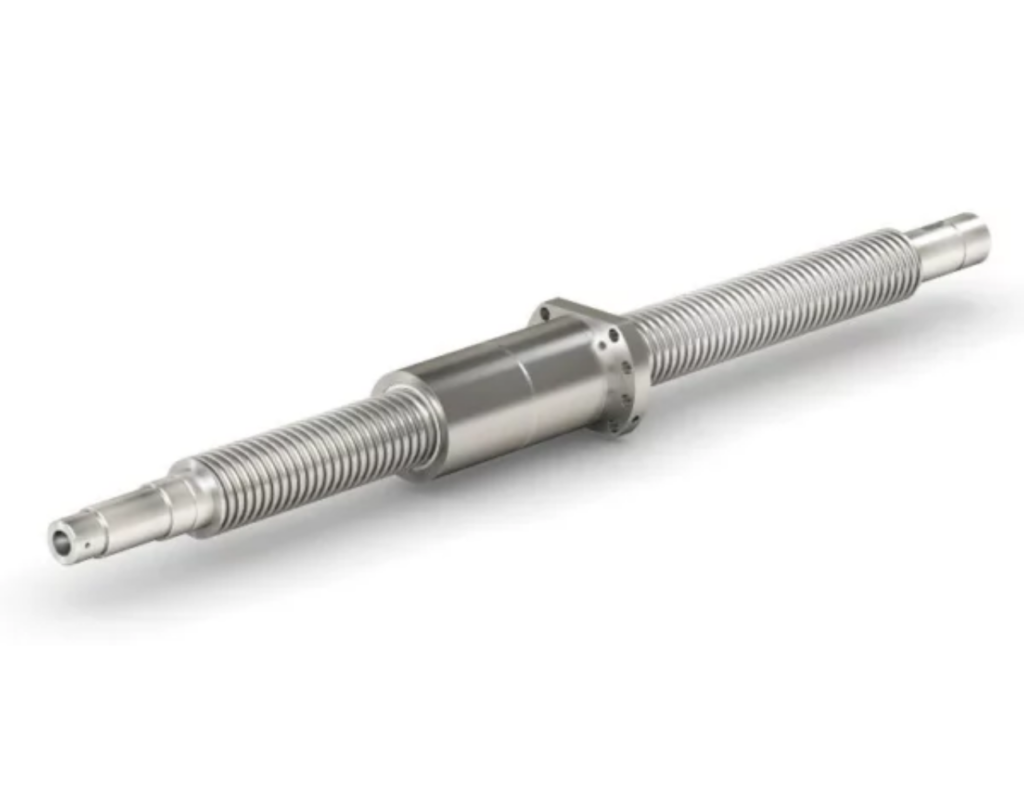 Rollon RB
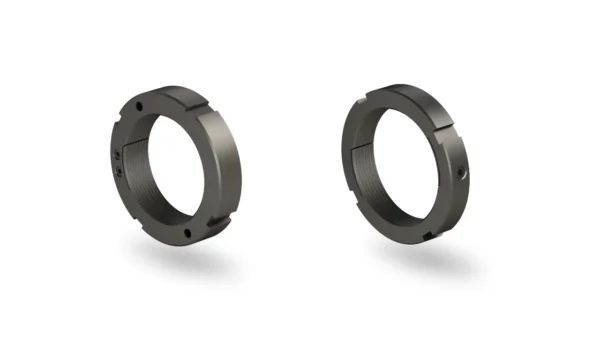
 Locknuts and Rings
 Aerospace
 Building and Furniture
 Electronics
 Food & Beverage
 Healthcare
 Industrial Machines
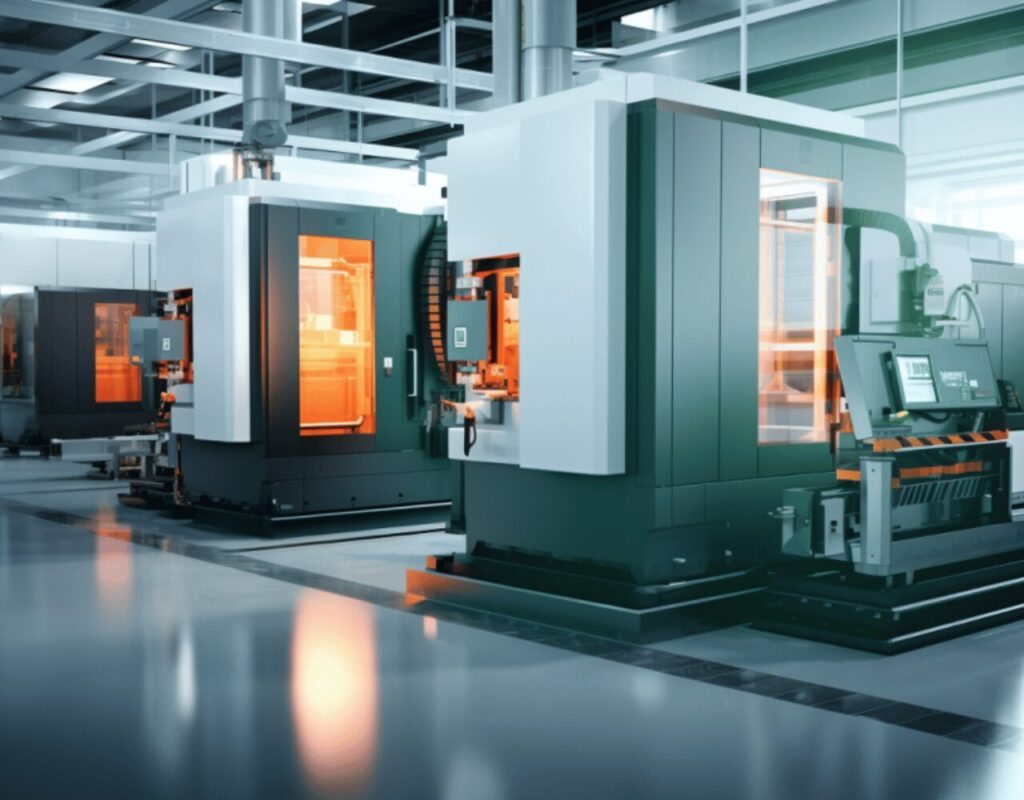 Machine Tool
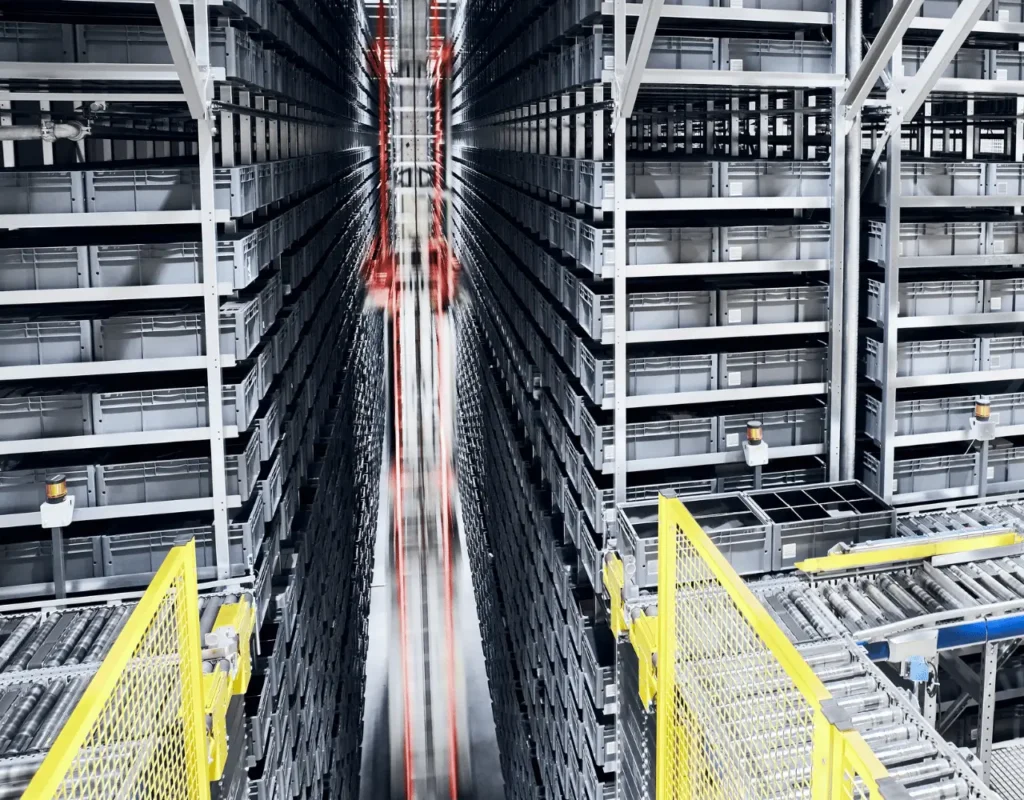 Material Handling
 Packaging
 Railway
 Special Vehicles
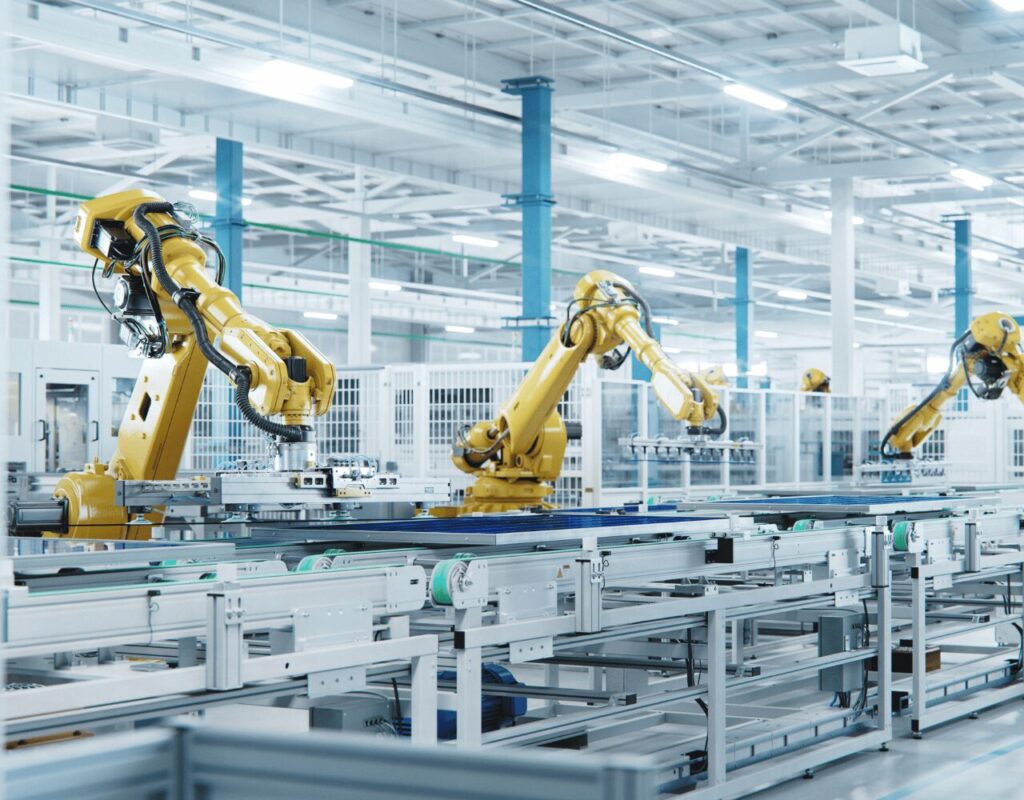 Robotics & Automation




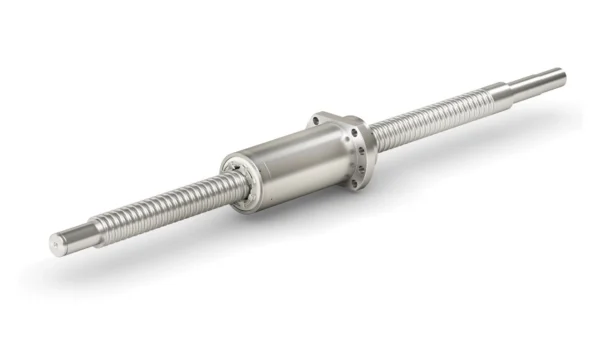
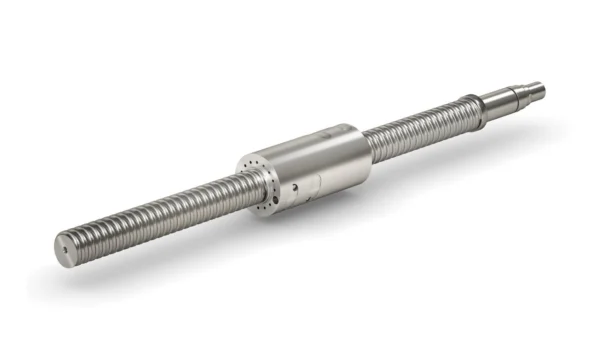
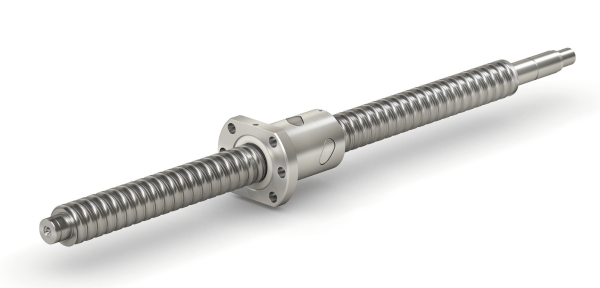
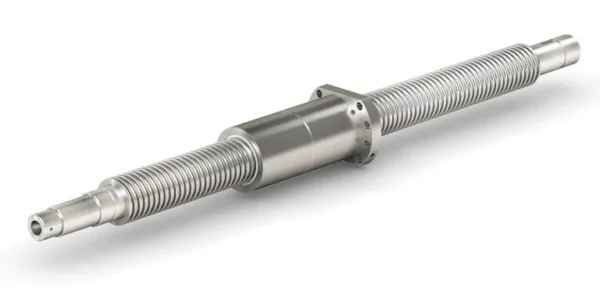
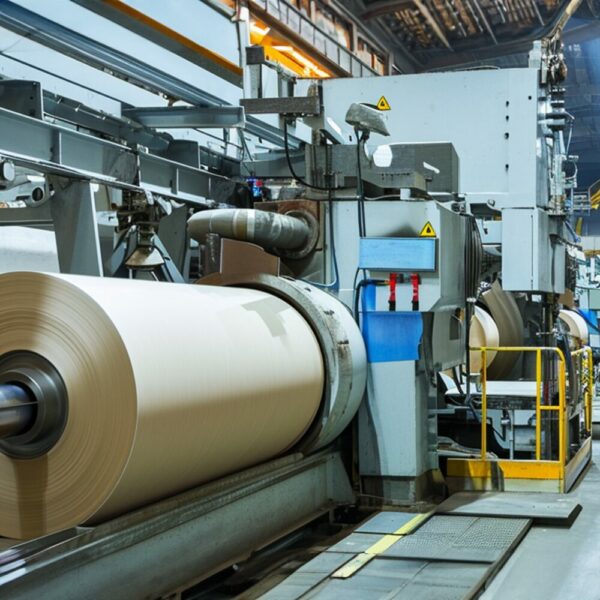




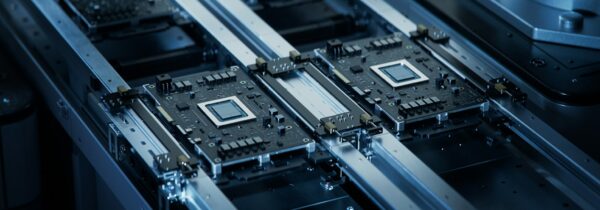

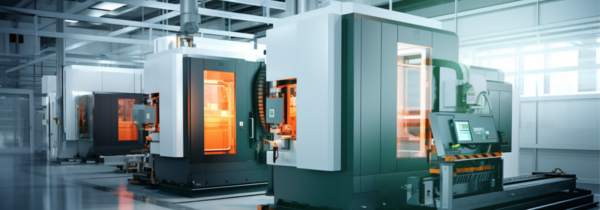










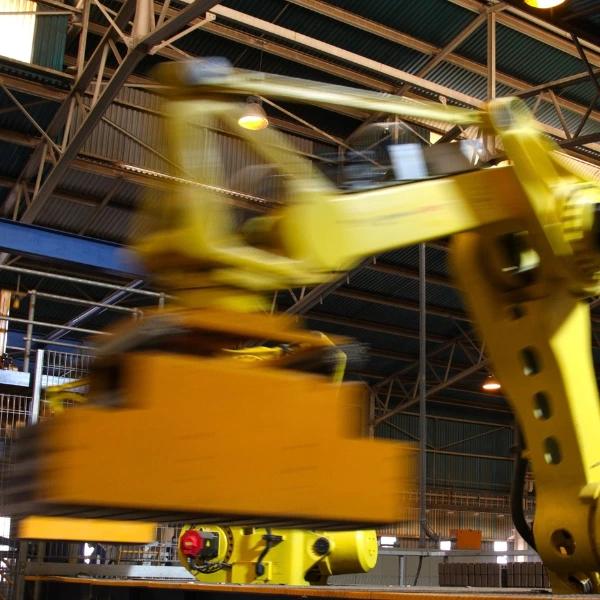


Across all industries, there is a global trend towards electrification — the design and use of motion systems based on electric motors rather than internal combustion, fluid power, or even manual means. The driving factor? An evolution is underway to make all industrial settings cleaner, quieter, and more efficient. Electric systems help machine builders satisfy all these objectives.
Leading the migration from fluid power to electric power are the machine-tool, aerospace, and off-highway industries.
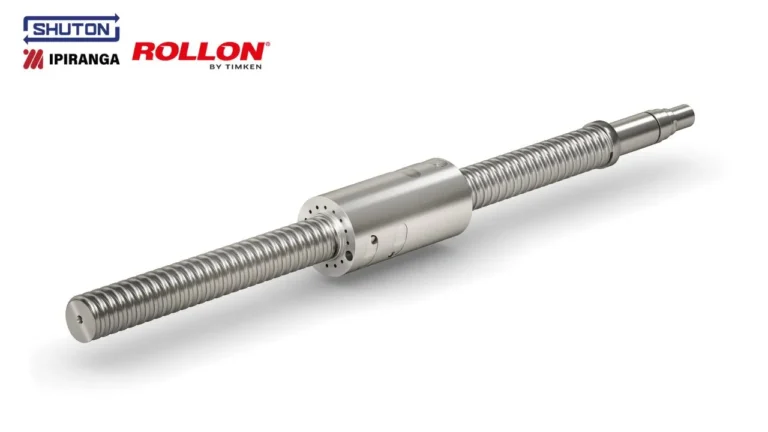
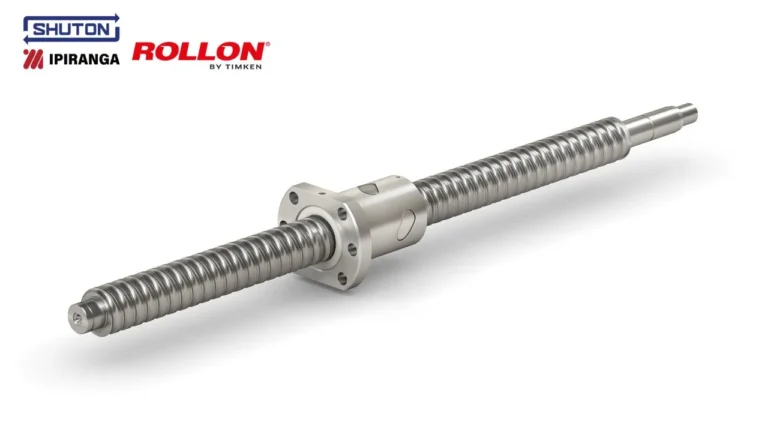
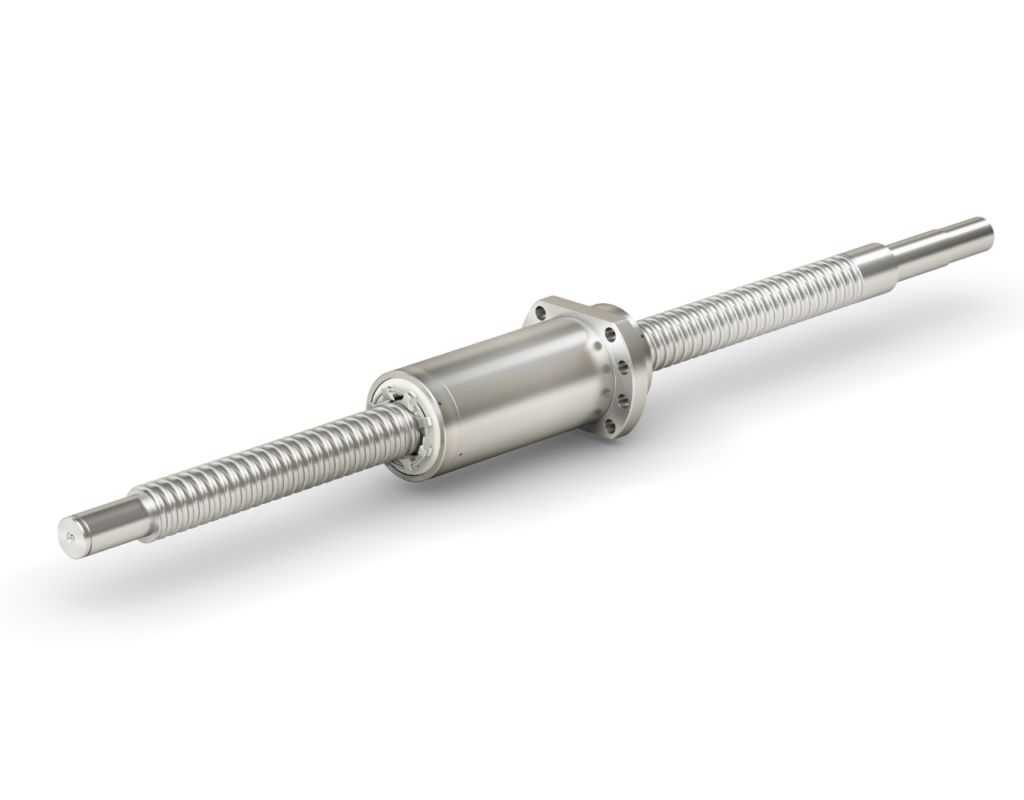
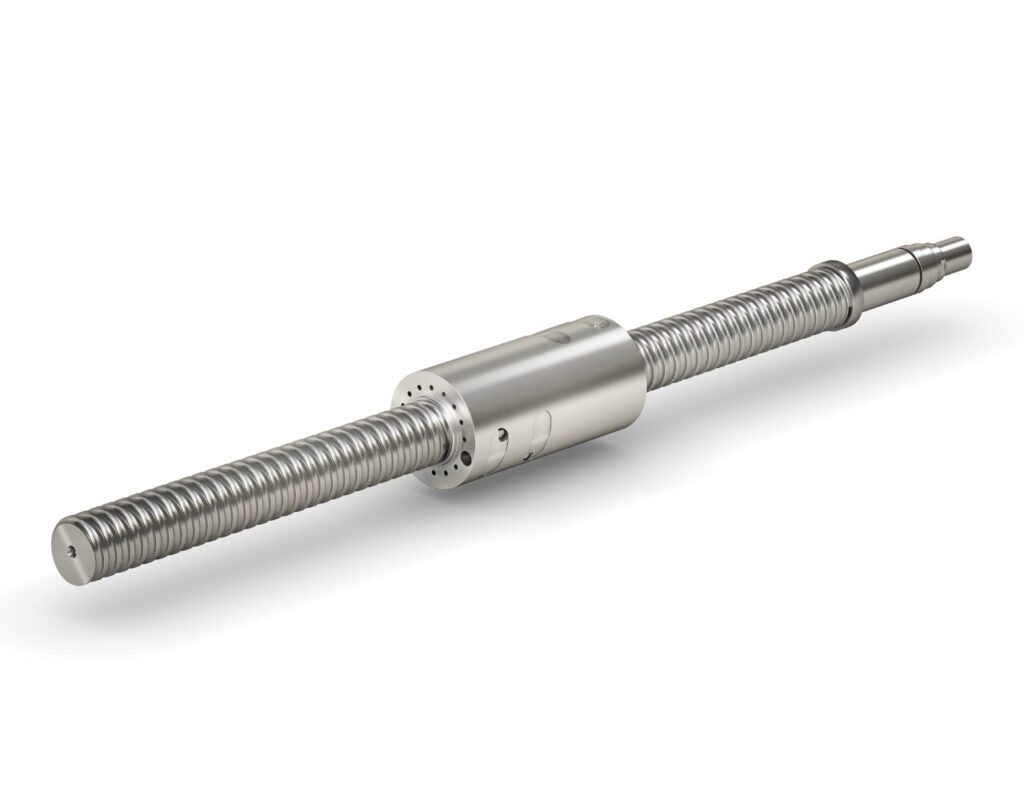
For the special case of replacing hydraulic cylinders, electric-motor linear actuation can use rack-and-pinion sets, leadscrews and jackscrews, roller screws, and ball screws. However, ball screws are often the most efficient and viable of these options for replacing hydraulics.
This white paper details how ball screw-based actuation differs from that based on hydraulic cylinders — and where the two technologies compete. Also detailed are the sizes, geometries, and capabilities of large-format ball screws that offer an alternative to fluid power in challenging applications.
Download the white paper to find out more.