 Linear Guides
 Linear Actuators
 XP Xtrem Position
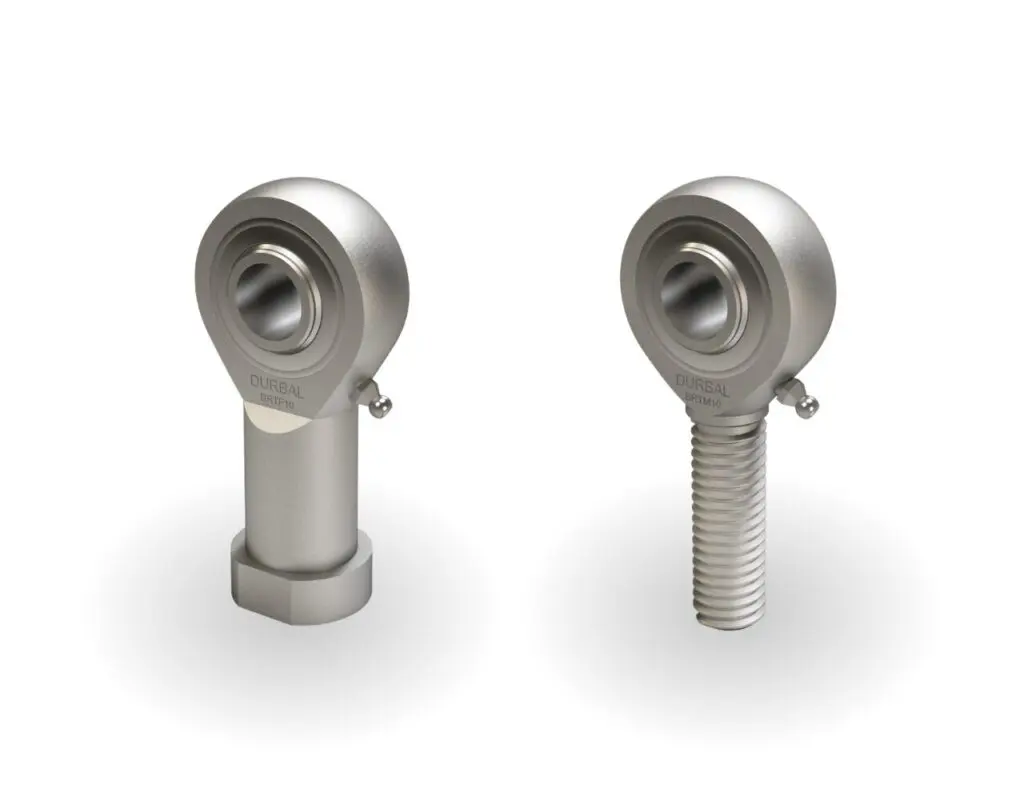 Rod Ends
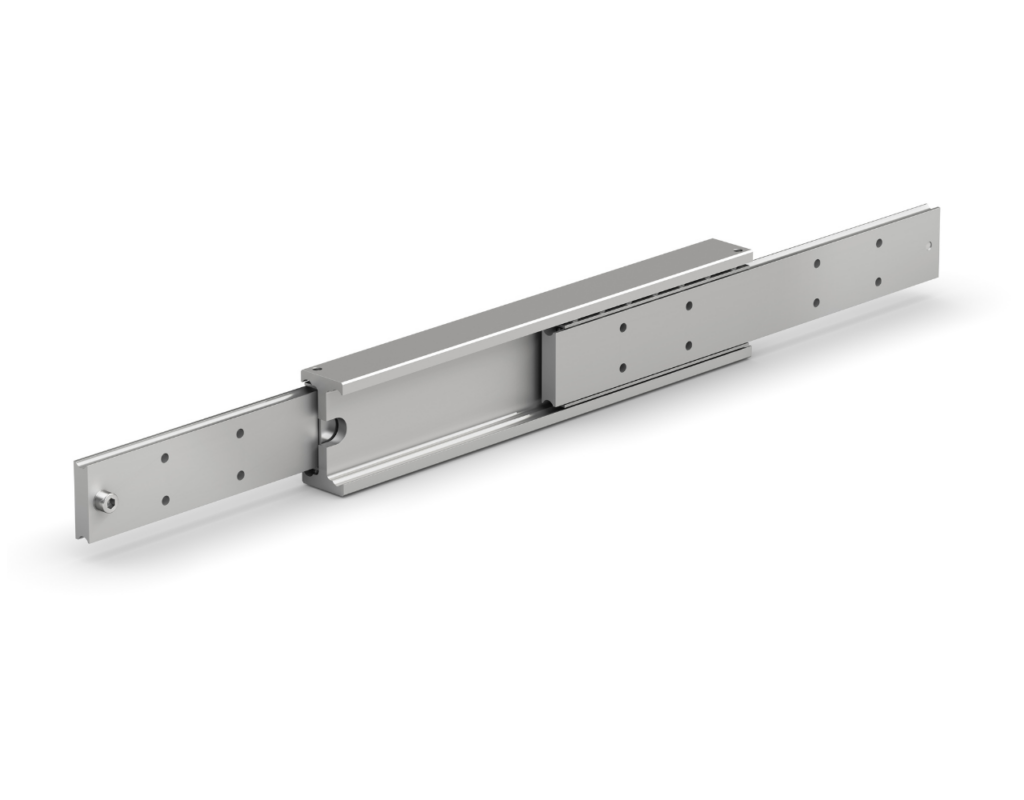 Telescopic Rails
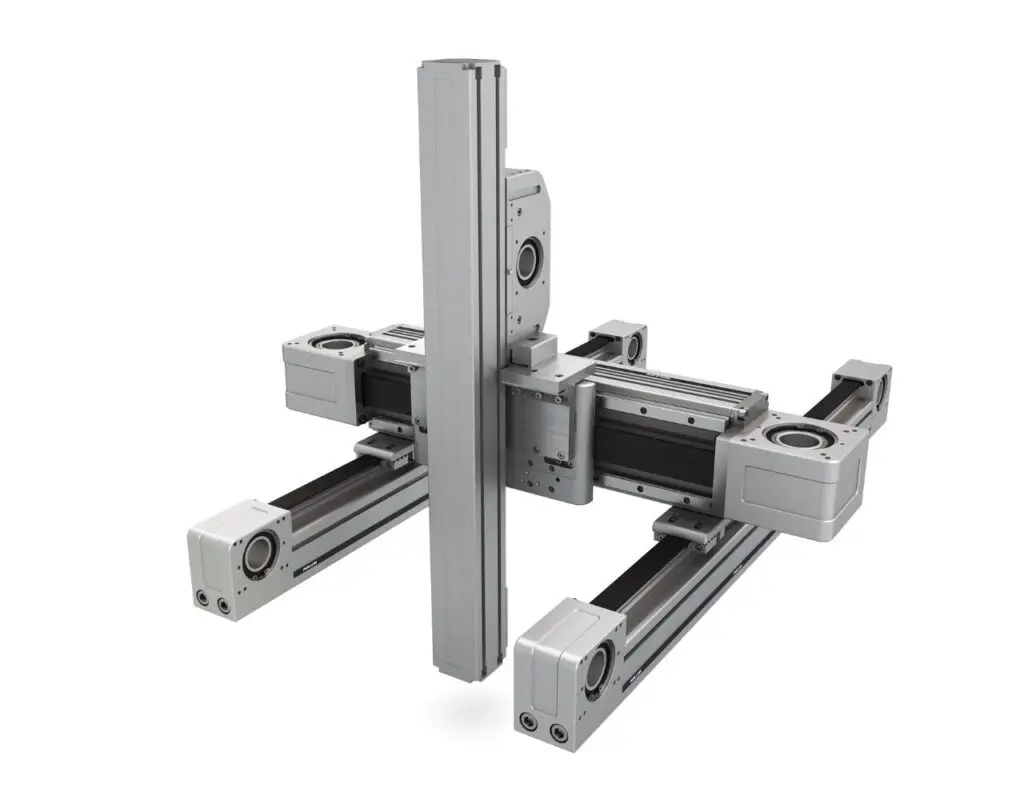 Multi-Axis Systems
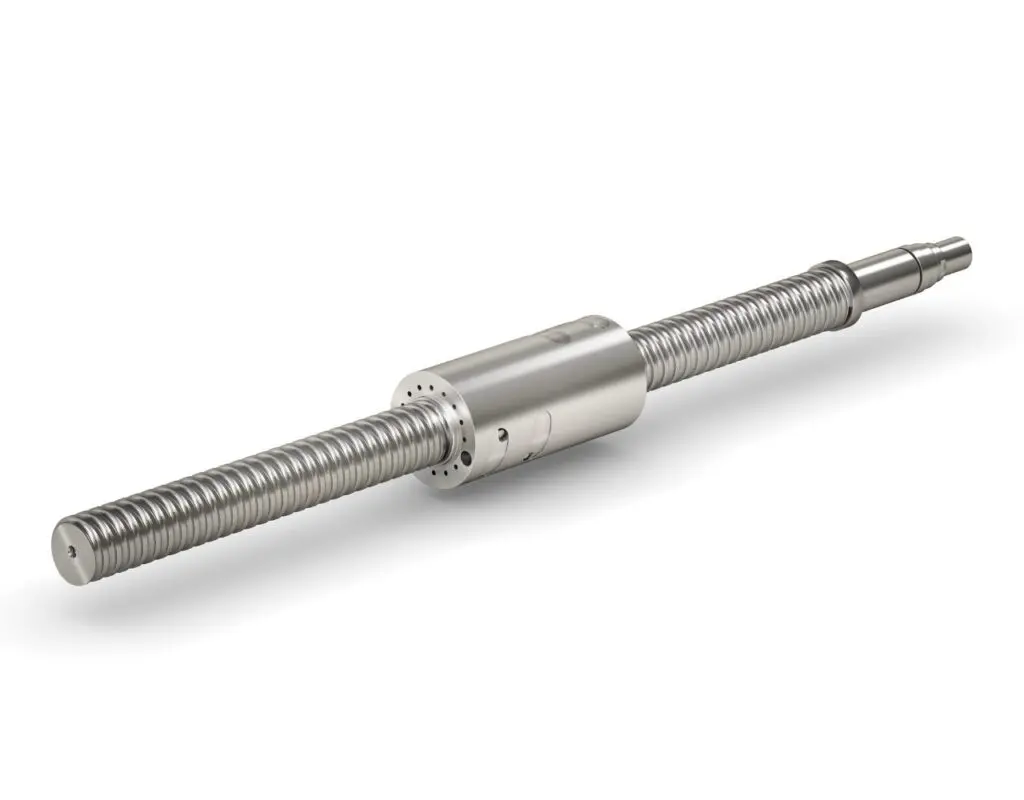 XL Xtrem Load
 Spherical Plain Bearings
 Curved Guides and Rails
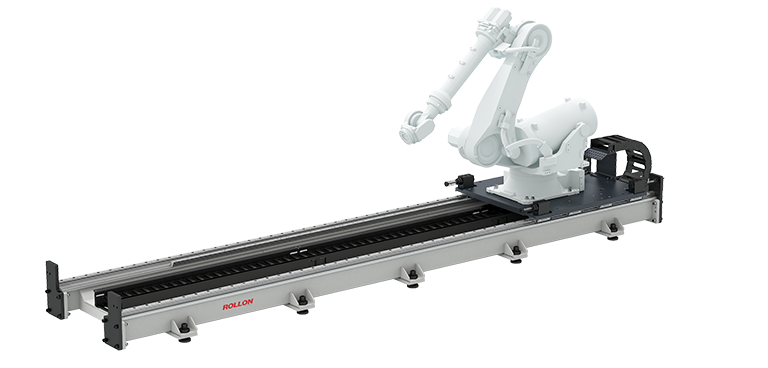
 Robot Transfer Units
 XT Xtrem Transport
 Needle Roller Bearings
 Cam Followers
 Circular Systems
 Rollon RB
 Locknuts and Rings
 Aerospace
 Building and Furniture
 Electronics
 Food & Beverage
 Healthcare
 Industrial Machines
 Machine Tool
 Material Handling
 Packaging
 Railway
 Special Vehicles
 Robotics & Automation



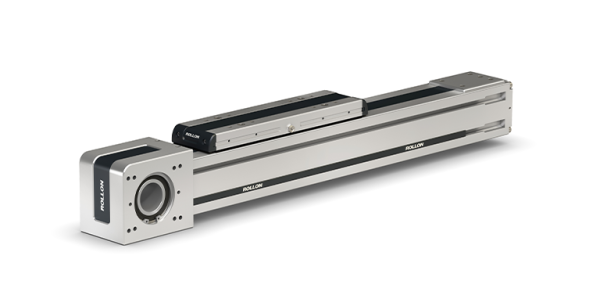
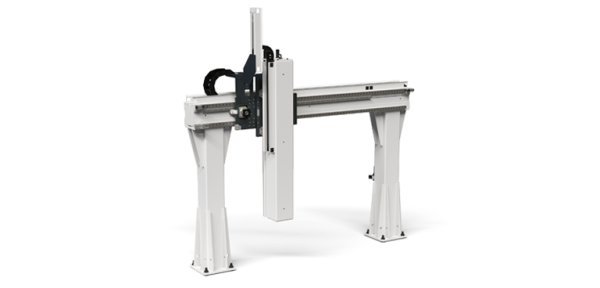
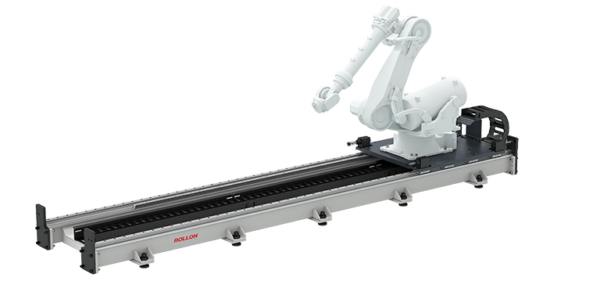
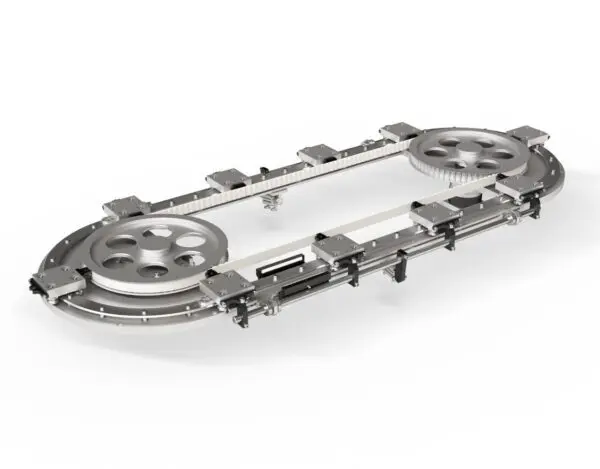
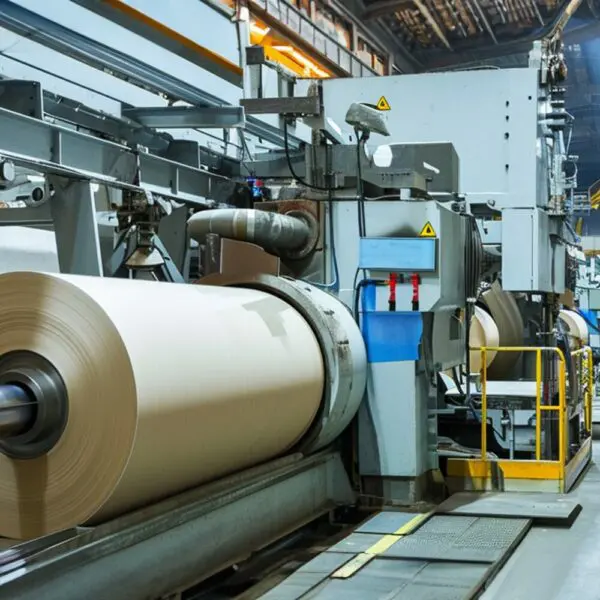


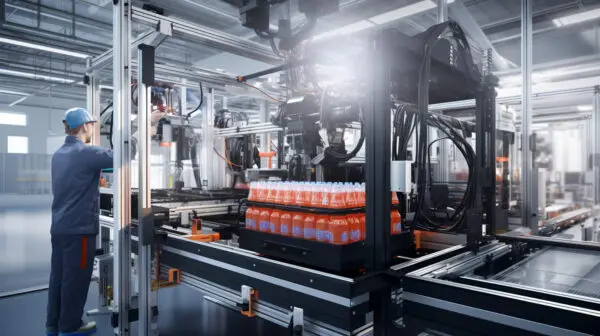

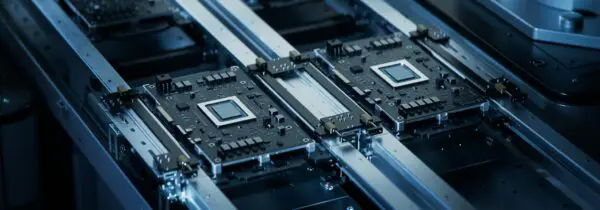
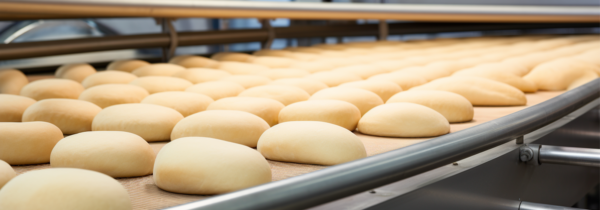


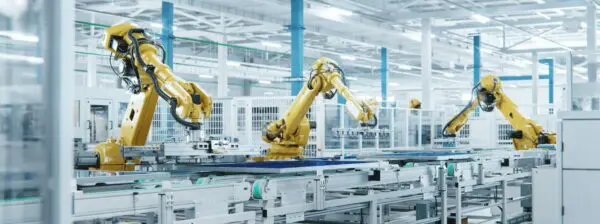






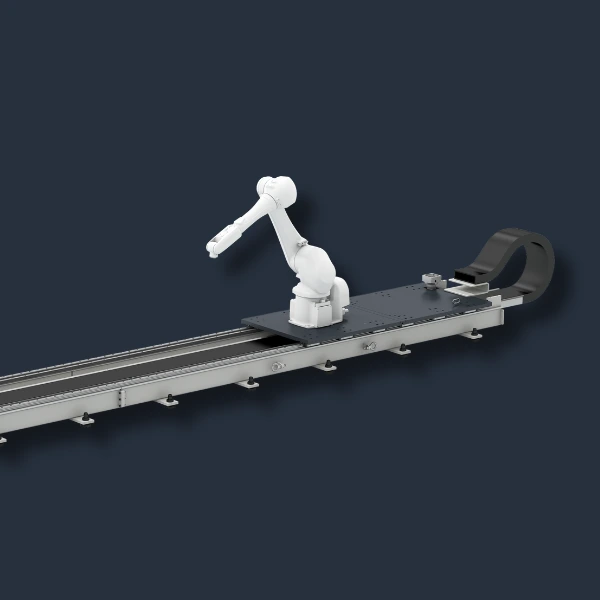


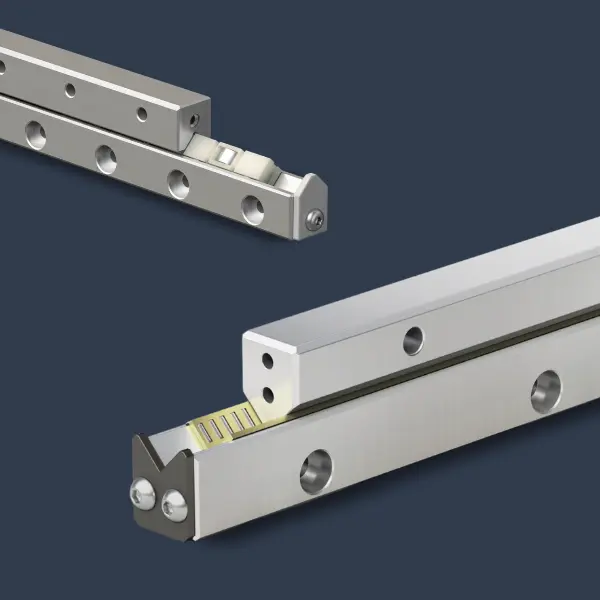

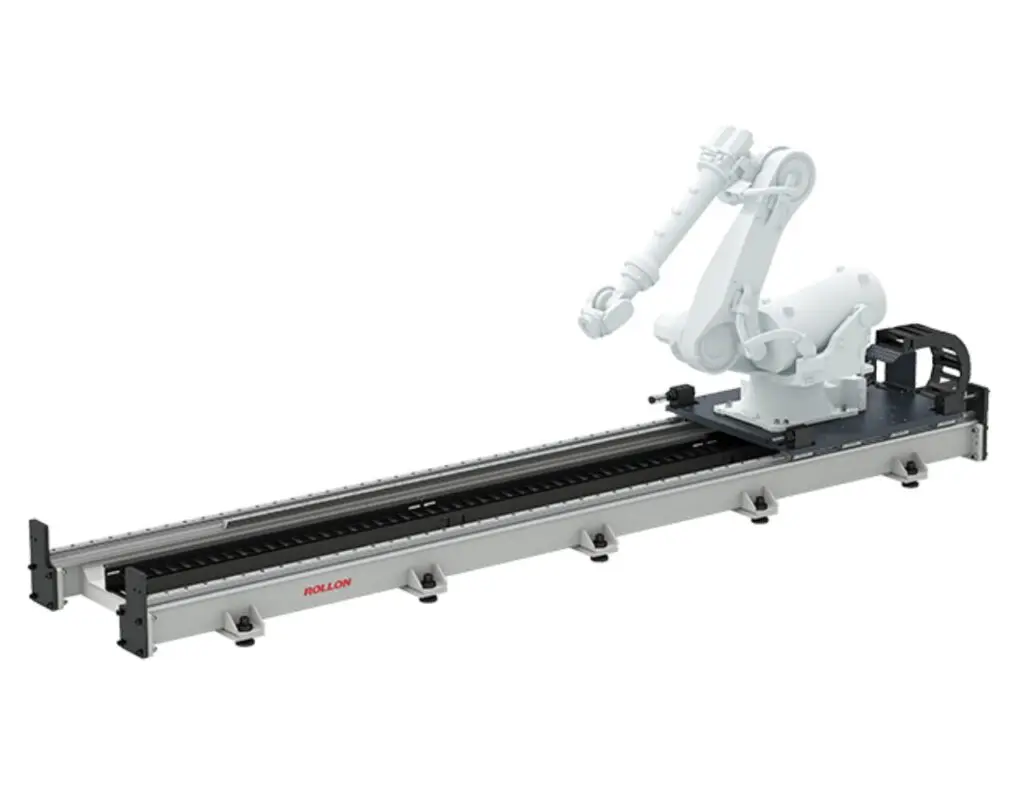
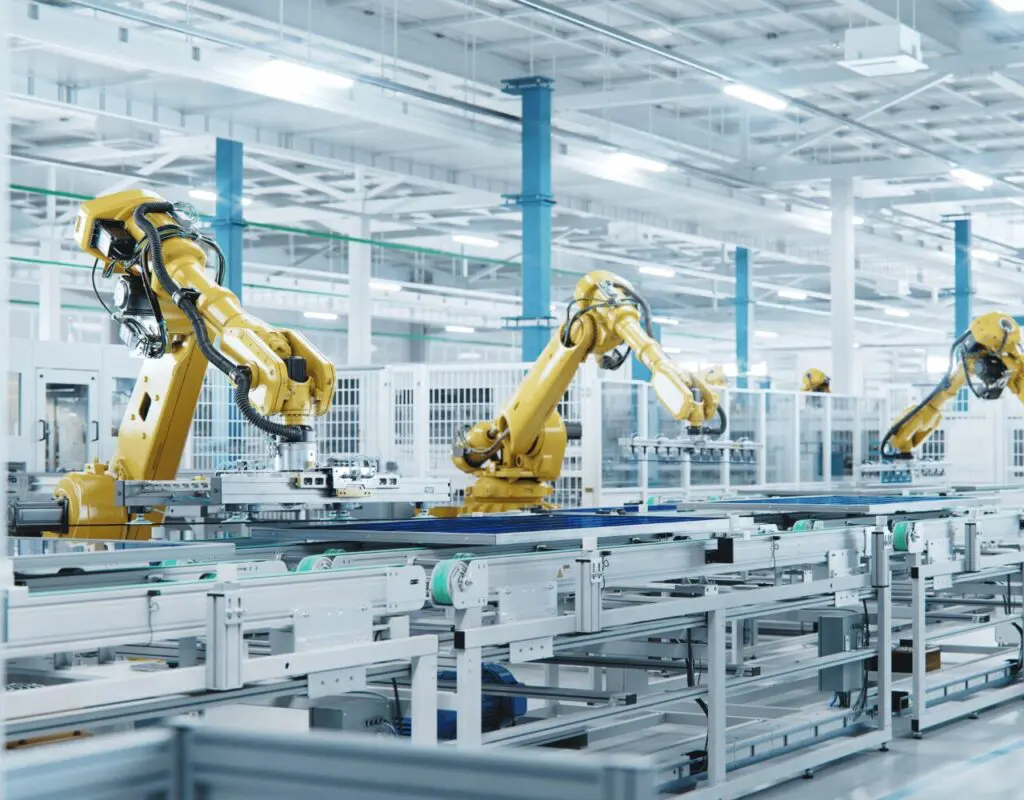
Over the last decade, robot transfer units or RTUs have become a staple motion system in a variety of settings leveraging robotics. Six industries in particular are leading the use of RTUs to expand the size of robotic workcells, help six-axis arms especially navigate large work envelopes, and increasing the use of onsite robots to maximize productivity and speed ROI.
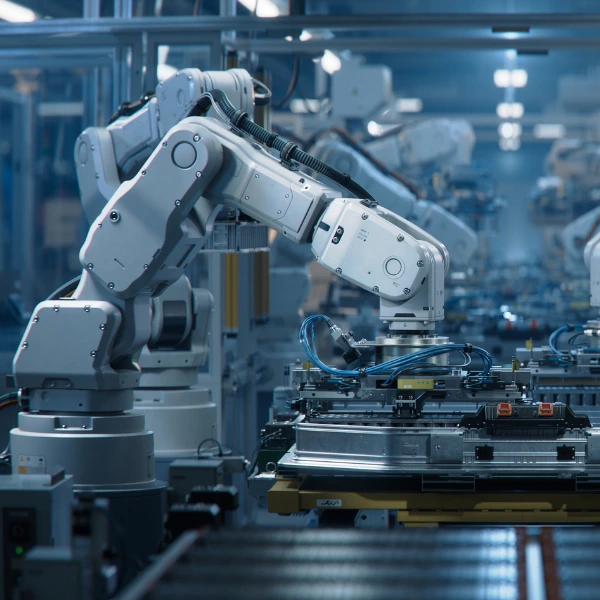
1️⃣— the Automotive industry. It’s no coincidence that in 2024 Rollon chose the automotive-heavy state of Michigan for its new U.S. manufacturing base — a base that puts an emphasis on RTU production. For the automated manufacture of vehicles of all types, Rollon® RTUs are used in large parts manipulation, robotic assembly welding, tending of machine involved in producing drivetrain components, and other handling and transport functions. In many installations, RTUs let one six-axis robot serve in multiple automated stations.
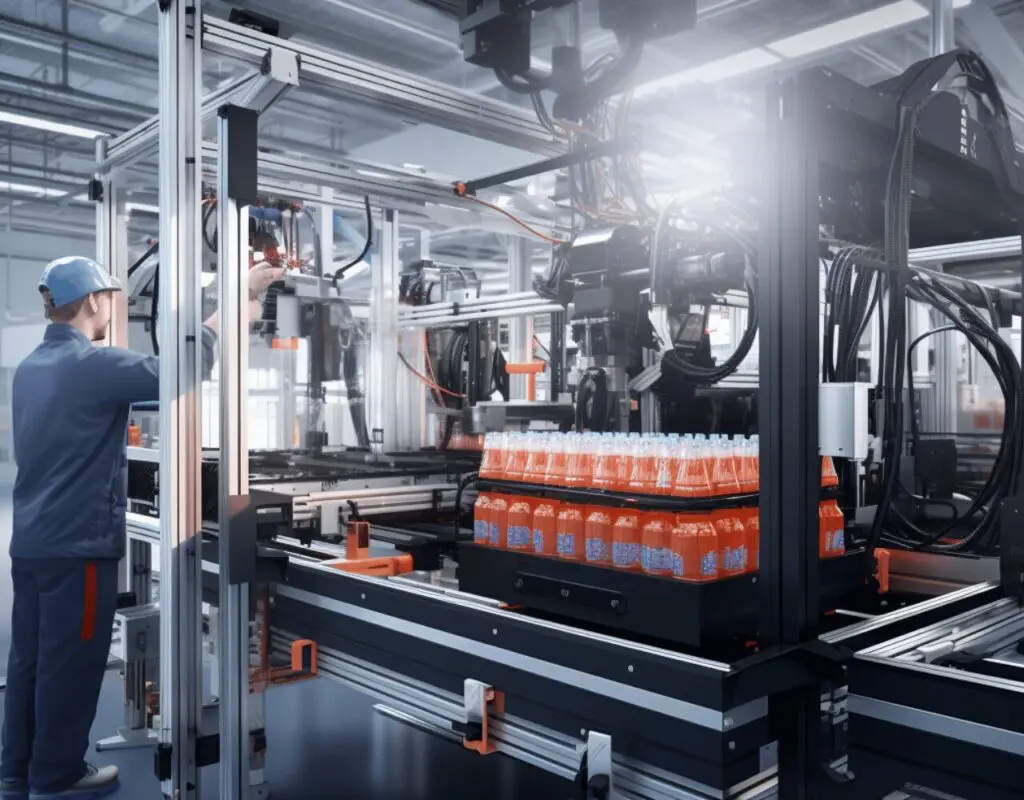
2️⃣ — Packaging and Intralogistics. Here, RTUs let robotic arms pick end products off of long conveyor lengths, execute various end-of-line packaging tasks, and then palletize products over multiple lanes. RTUs in this industry commonly address floor-space constraints and help plant operators achieve a faster ROI than a setup employing several fixed robots for a given set of tasks. In fact, Rollon aluminum RTUs (for high dynamics) and steel rack-and-pinion RTUs (for heavy-duty robotic operations) have both found use in packaging and logistics installations.
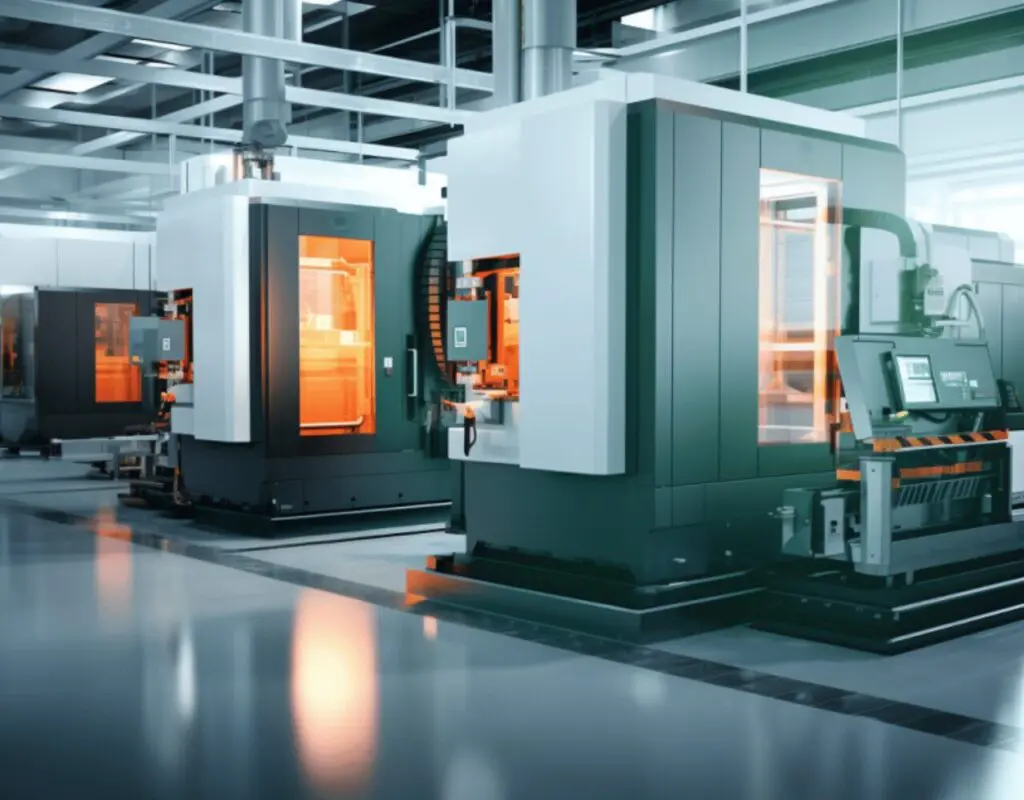
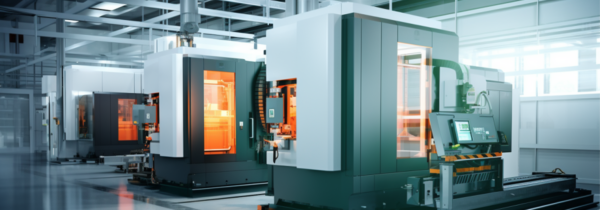
3️⃣ — the Machine Tool industry. RTUs in this industry most commonly carry large-scale robotics for loading and unloading multiple CNC machines, or for machining and finishing oversized parts. Unique to the North American market, Rollon’s steel-frame RTUs (including RTUn, RTUs, RTUtc, and RTUf variations) are almost always required for their stiffness, long travel, and high payload capacities.
4️⃣ — Aerospace. RTUs here can transport robotic arms over large fuselage sections (including composite structures) to execute functions such as drilling, riveting, and various forms of finishing and inspection. Here, Rollon’s steel RTUs including RTUe (elevated) and RTUw (wall-mounted) arrangements can help end users reach around and accommodate the enormous assemblies of this industry.
5️⃣ — Electronics and Appliance manufacturing. Because some of the workpieces are smaller (and the robots being transported are lighter) this industry makes most use of Rollon’s belt-driven Aluminum RTUs and cobot transfer units (CTUs). These compact motion systems deliver high dynamics needed to support the high throughput requirements of these industries.
6️⃣ — Food and Beverage. Here, RTUs are used to take robots through packaging, handling, and processing stations. Show below is just one example — the Rollon® RTUe (elevated) that can be designed for washdown settings.
Connect with Rollon for design support
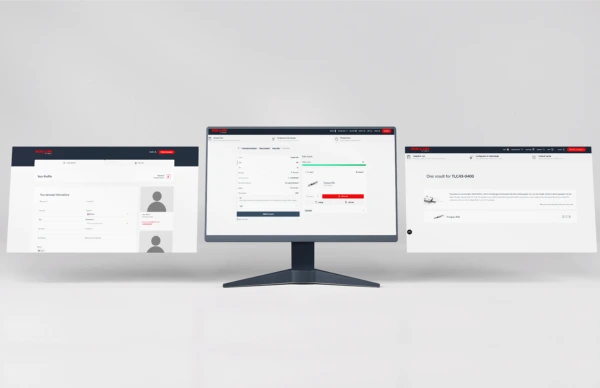
As robot transfer unit industries continue to expand automation initiatives, tailored RTU solutions can help maximize productivity, flexibility, and return on investment. For information on how to tailor Rollon RTUs to specific installations, visit my.rollon.com.
Connect with a Rollon engineer to start your next automation project.