 Linear Guides
 Linear Actuators
 XP Xtrem Position
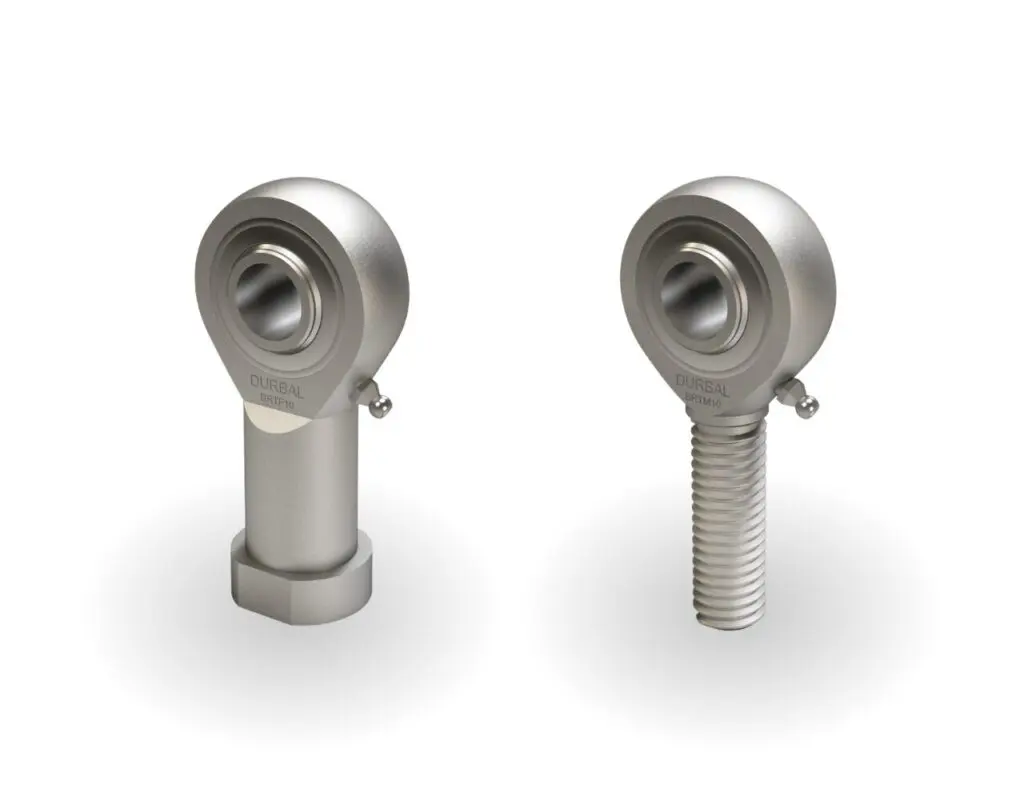 Rod Ends
 Telescopic Rails
 Multi-Axis Systems
 XL Xtrem Load
 Spherical Plain Bearings
 Curved Guides and Rails
 Robot Transfer Units
 XT Xtrem Transport
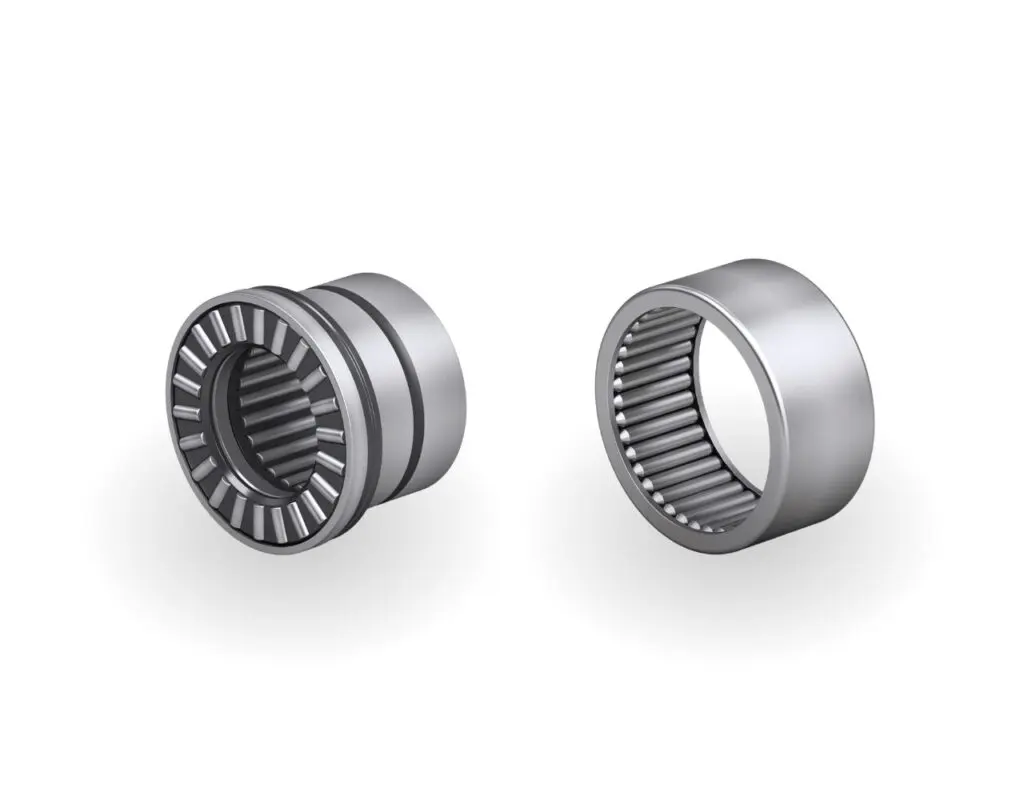 Needle Roller Bearings
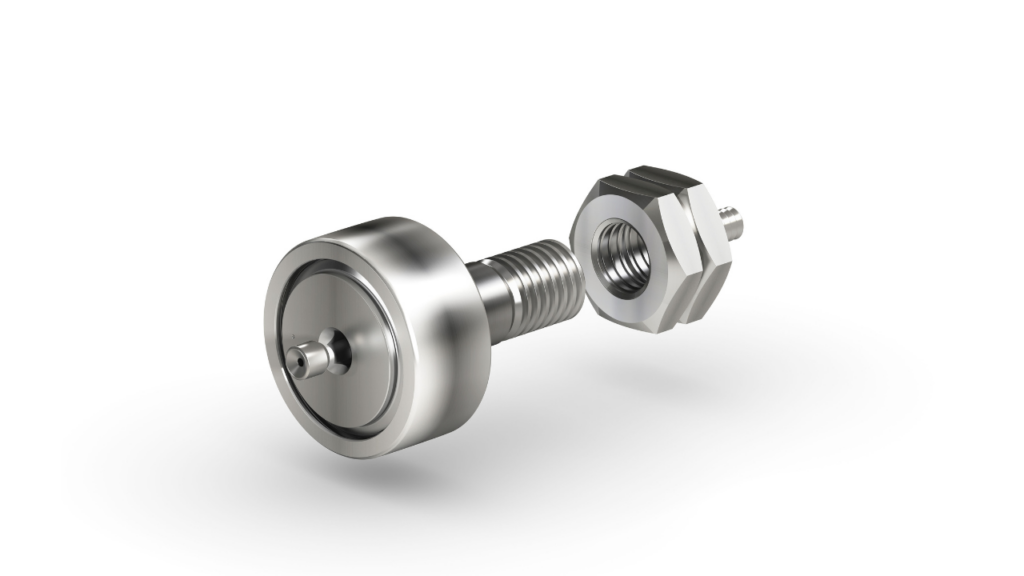 Cam Followers
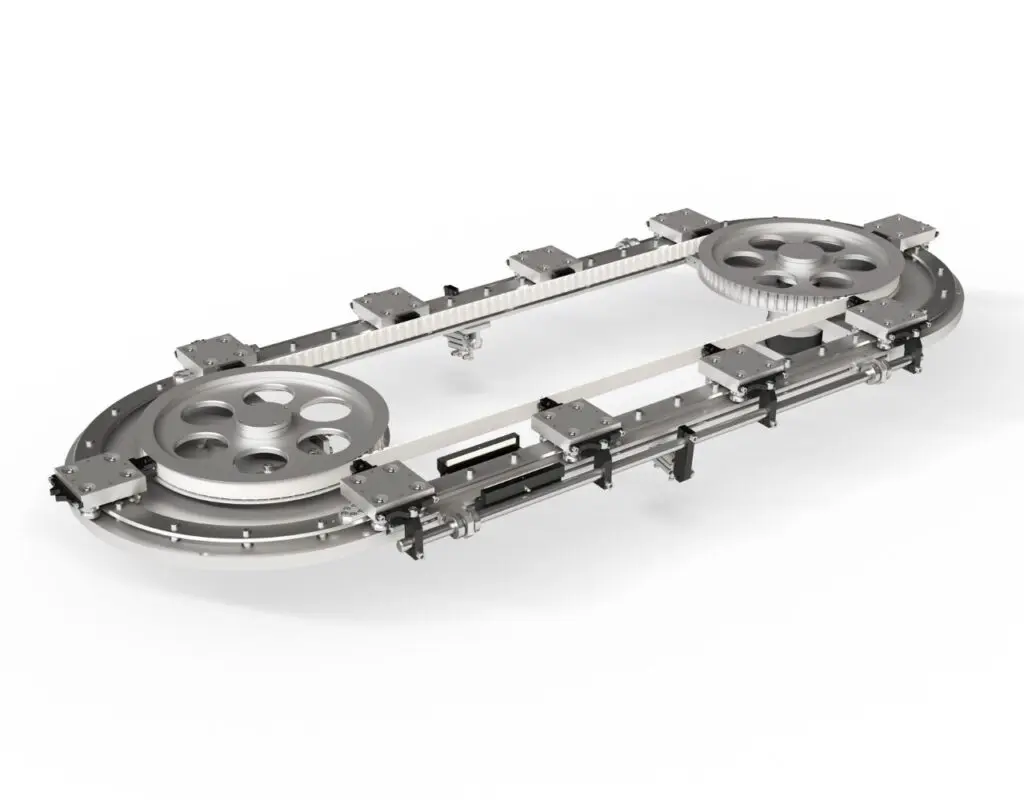 Circular Systems
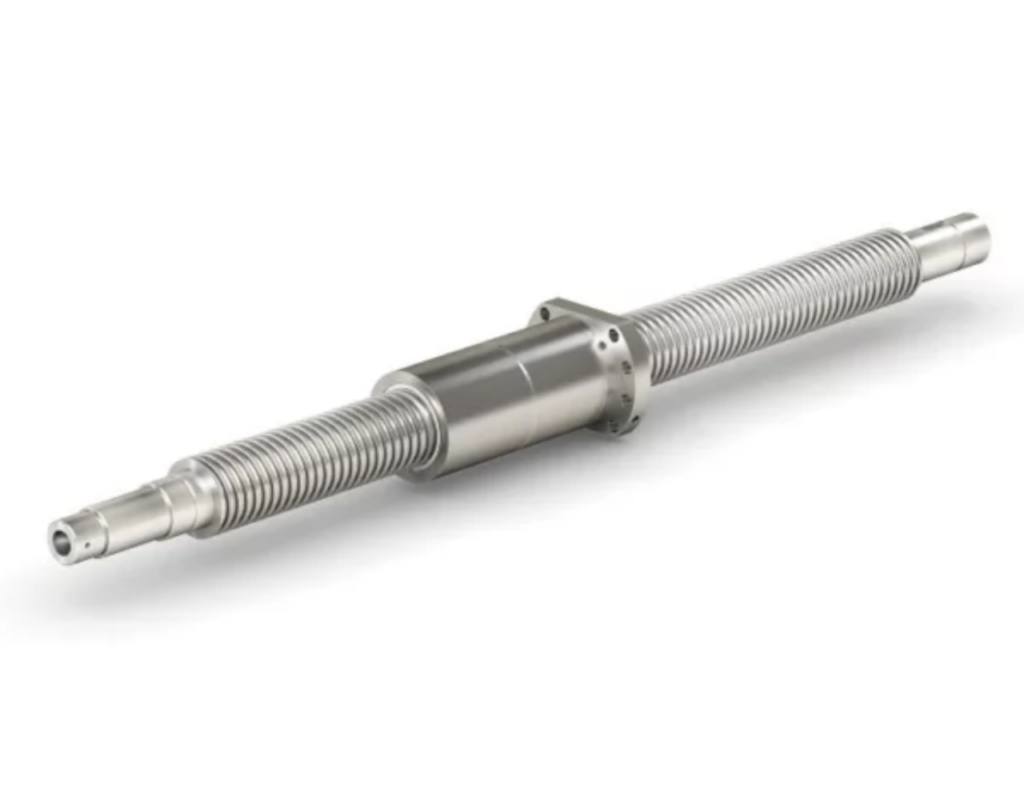 Rollon RB
 Locknuts and Rings
 Aerospace
 Building and Furniture
 Electronics
 Food & Beverage
 Healthcare
 Industrial Machines
 Machine Tool
 Material Handling
 Packaging
 Railway
 Special Vehicles
 Robotics & Automation




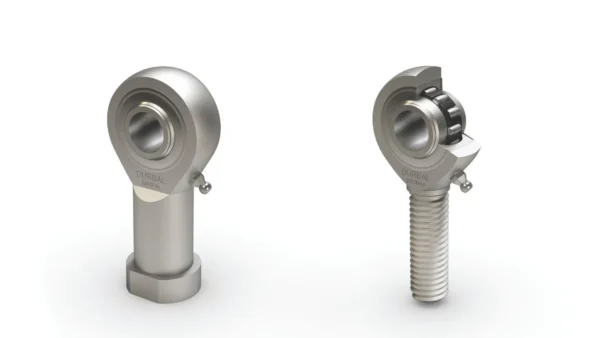
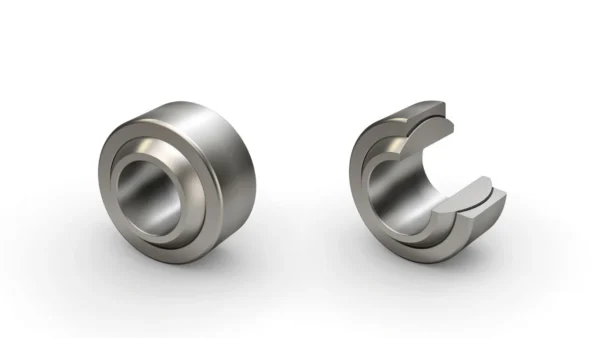














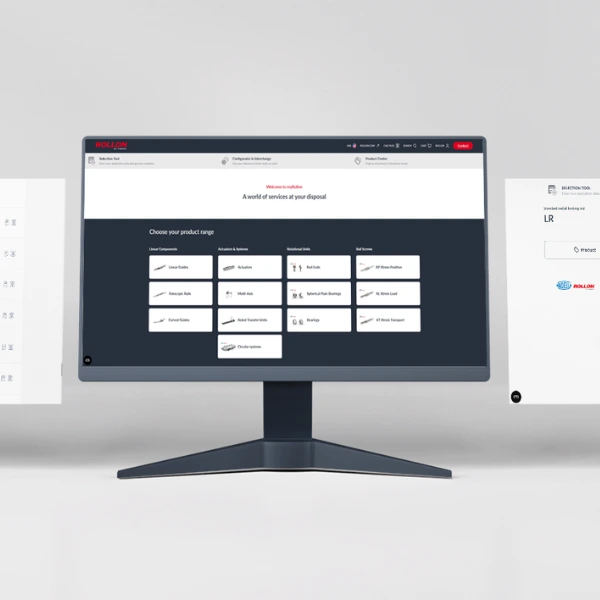
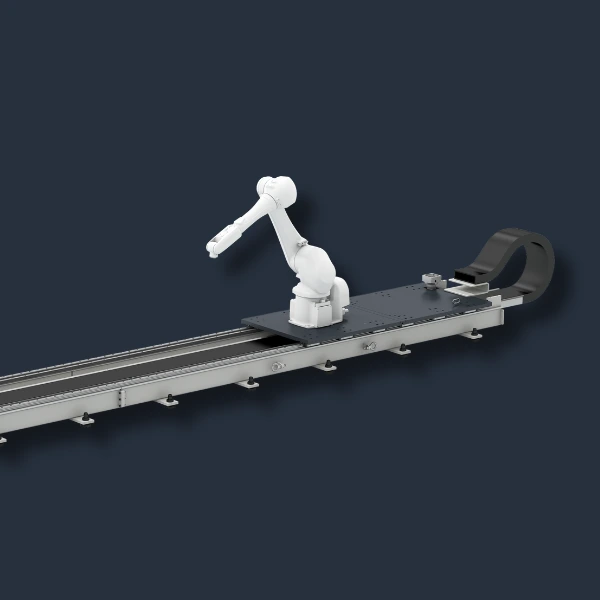



Rod end selection depends on speed, load, motion type, maintenance needs, environment, and temperature. Rollon’s Premium, Classic, Tescubal®, Tesno®, and Basic lines offer options for high-speed, heavy-load, or maintenance-free systems. myRollon simplifies selection with digital tools for comparison, configuration, and technical reports.
- Match rod ends to speed and load requirements
- Choose designs based on rotary vs. oscillating motion
- Assess lubrication and maintenance feasibility
- Consider environment, durability, and temperature range
- Select materials based on industry and performance needs
- Use myRollon for selection, configuration, and CAD files
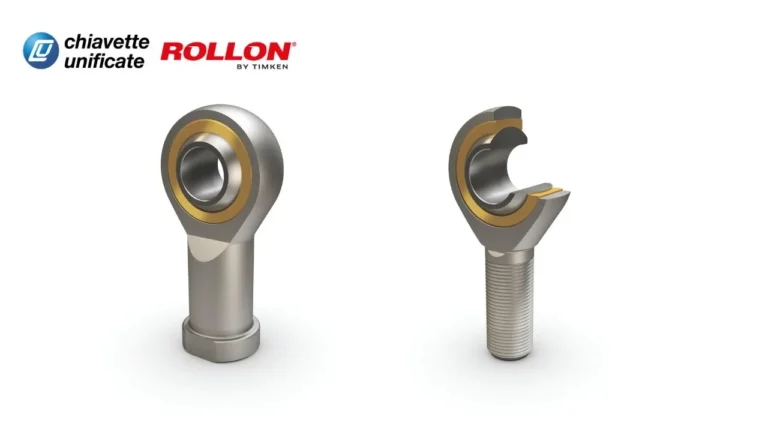
Rod ends are precision components designed to enable multidirectional angular and rotational movements between two parts. Thanks to their structure – comprising an inner spherical ring housed in an outer casing – they can handle a wide range of application challenges, from heavy loads to constant vibrations.
Rod ends are used in a variety of sectors, from industrial automation to mechanical handling. However, not all rod ends types are created equal: selecting a rod end that’s right for your application is essential to ensure reliability, service life, and optimal mechanical performance.
Understanding the different rod end types available helps you match the right component to your specific operating conditions. Each application requires a thorough technical analysis to identify the most suitable product based on operating conditions, environment, and maintenance needs.
Whether you’re designing a new system or upgrading existing equipment, knowing how to choose rod ends properly will save time, reduce costs, and improve overall performance.
Below is a technical guide on how to choose rod ends to help you navigate the various options available, with practical information on the key parameters to consider when making your selection.
Speed and load
Two of the most critical factors are rotational speed and applied load. Not all precision rod ends can handle both effectively, so it’s important to define the application’s dynamic profile early on.
- For high rotational speeds with moderate loads, precision rod ends with ball bearings are preferred, as they ensure smooth and precise operation.
- When speed is high and loads are heavy, rod ends with roller bearings should be used, as they distribute the load over a larger contact area.
- For very heavy loads at low speeds, sliding-type rod ends are ideal. They can withstand static stress and maintain a long service life, even in slow cycles
Rollon Group’s offering includes the Premium line (with ball or roller bearings) and the Tescubal® series, both compliant with DIN ISO 12240-4, suited for high-speed dynamic applications. The Classic series is ideal for high loads, while the Basic and Tesno® lines are designed for medium loads and lower speeds.
The right balance between speed capability and load capacity is essential when selecting a rod end for demanding applications.
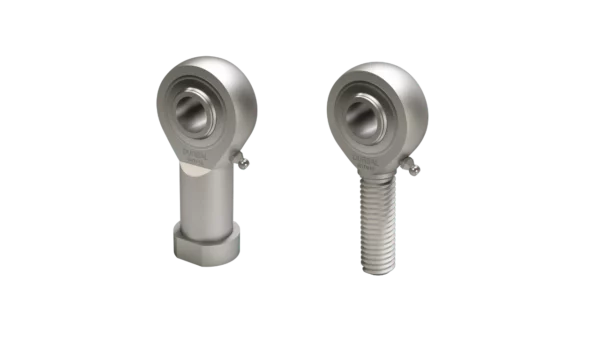
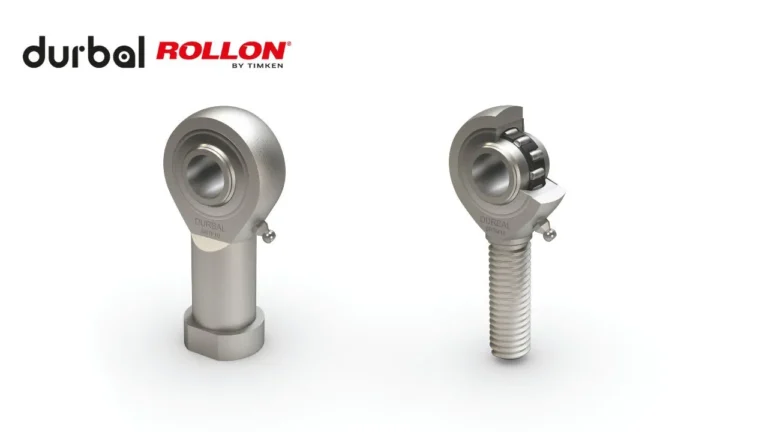
Premium rod ends.
Type of motion
Rod ends may be subject to continuous rotation, swivelling motion, or both. The type of motion your application requires directly influences which rod end types will perform best.
- For full rotary movements and large swivelling angles, designs with geometries that minimise friction and extend service life are recommended.
- For limited swivelling motion, selecting a rod end with sliding-type construction is suitable, as they are optimised for low-amplitude alternating movements.
The Premium and Tescubal® lines stand out for their wide range of motion and ability to support large turning angles. The Classic series is well-suited to more restricted movement, while the Basic and Tesno® lines are designed for smaller oscillations.
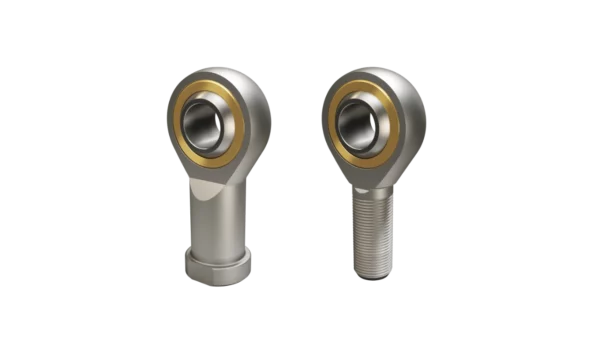
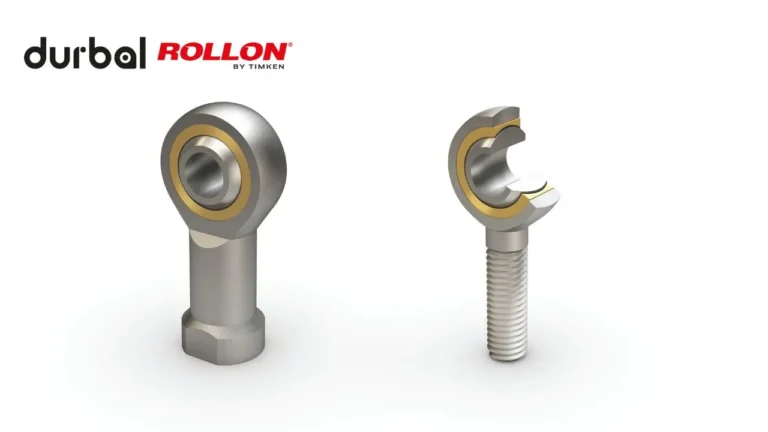
Tescubal® rod ends.
Maintenance and lubrication
During the design phase, it’s essential to evaluate whether regular maintenance will be feasible:
- If periodic lubrication is possible, rod ends with integrated lubrication systems are recommended, as they allow the use of specific technical greases.
- In maintenance-free systems, self-lubricating materials or lubrication-free technologies are the better choice.
Premium rod ends feature an integrated lubrication system for easy upkeep.
The Classic line uses a maintenance-free plastic polymer.
Tescubal® rod ends employ sintered bronze – a porous material infused with oil –ideal for maintenance-free operation.
The Tesno® and Basic series use a PTFE layer between the ball and the housing, providing a good balance between cost and performance in maintenance-free applications.
When choosing a rod end for maintenance-free operation, consider the long-term cost savings and reduced downtime.
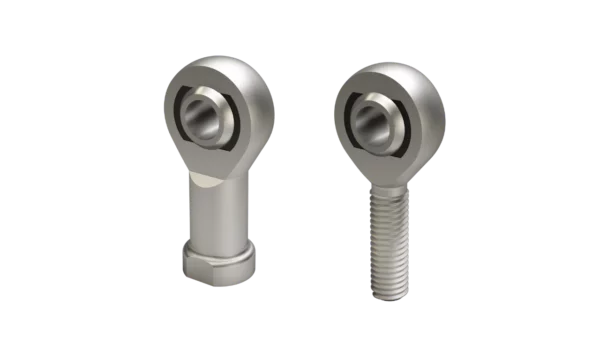
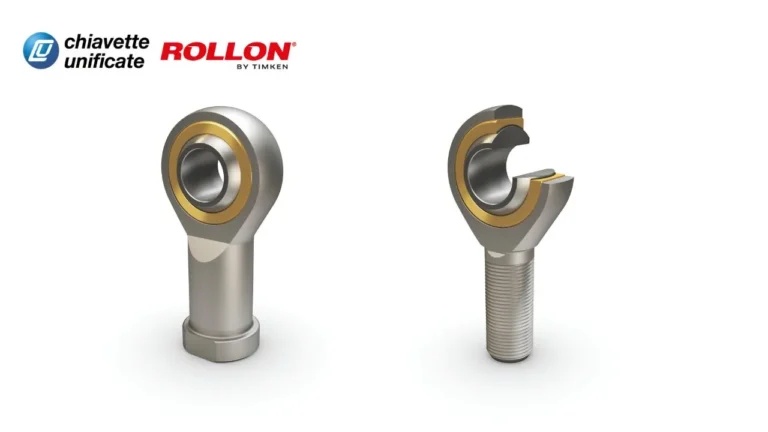
Classic rod ends.
Operating environment and durability
Factors such as materials, surface contact, working environment, cycle frequency, and backlash directly affect long-term performance. Key considerations when choosing rod end types include:
- In dusty or contaminated environments, choose a system that tolerates particle ingress without compromising functionality.
- In corrosive or humid environments, opt for corrosion-resistant materials that maintain stable performance over time.
- For long service life, consider how internal backlash will evolve over time.
Environmental factors can significantly shorten component lifespan if not properly addressed during the selection process.
The Classic series performs well in contaminated environments, while the Tescubal® series – with a bronze bushing and steel body – is more suitable for corrosive conditions. Both are also available in stainless steel for enhanced resistance.
Working temperature
Operating temperature significantly impacts rod end performance and durability.
- Standard solutions typically operate between 60°C and 120°C.
- For applications with peaks up to 200°C, special versions should be used.
The Tesno® and Basic series operate effectively up to 200°C.
The Premium and Tescubal® lines are designed for moderate temperatures up to 120°C, while the Classic line is suitable up to 60°C.
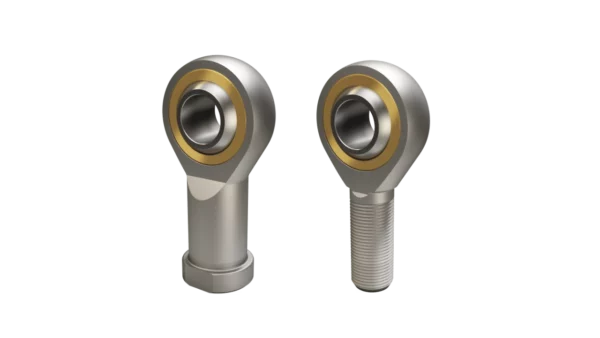
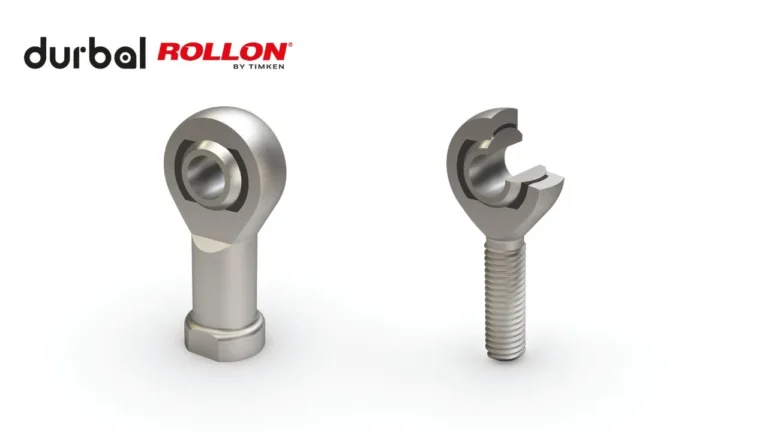
Tesno® e Basic rod ends.
Special materials and applications
Material properties and weight can be decisive factors:
- Stainless steel is preferred in regulated industries such as food and medical, even without direct product contact.
- Aluminium, being lightweight, is ideal where mass affects system dynamics or motor sizing.
- In applications with specific constraints, consider overall dimensions, weight, and connection type (male/female, right/left-hand thread).
The Durbal and Chiavette Unificate product range offers a wide variety of materials, diameters, and configurations and these custom rod ends can be tailored to meet diverse application needs. Custom rod ends provide flexibility for unique engineering challenges that standard options can’t address.
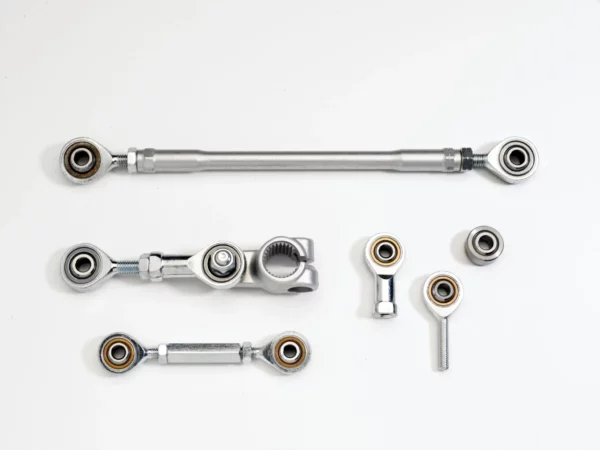
Rollon Group’s Rotational BU experts can create customized solutions to meet specific application requirements.
myRollon: The digital working platform
To support technical selection and simplify the design process, Rollon has integrated its complete rod end portfolio into myRollon, a digital platform that enables you to select, compare, and configure components based on application-specific criteria.
On myRollon, you can:
- Use the Selection Tool, a smart assistant that matches your project’s parameters (e.g., conditions, dimensions, loads) with the most suitable options via an advanced algorithm. Results are ranked by cost-efficiency, helping you balance performance and budget. A customised technical report is generated at the end of the process.
- Generate unique codes using the Configurator and request a quote directly.
- Download 3D CAD files, technical manuals, and installation guides from the Product Centre.
All activities on myRollon can be saved, resumed, or updated at any time, offering maximum flexibility throughout the design phase.
Connect with Rollon Group
Choosing the right rod end requires balancing load, motion, environment, maintenance, and materials. Understanding your application’s variables not only helps you select the right component, but it also optimises system durability, precision, and cost-effectiveness.
Whether you need precision rod ends for high-speed applications or custom rod ends for specialized requirements, Rollon’s technical expertise ensures you’ll find the right solution.
Backed by the expertise of Durbal and Chiavette Unificate, Rollon offers a comprehensive technical portfolio to meet a wide range of mechanical and environmental needs.
Contact us now to find your solution.