
 Linear guides
 Linear actuators
 XP Xtrem Position
 Rod ends
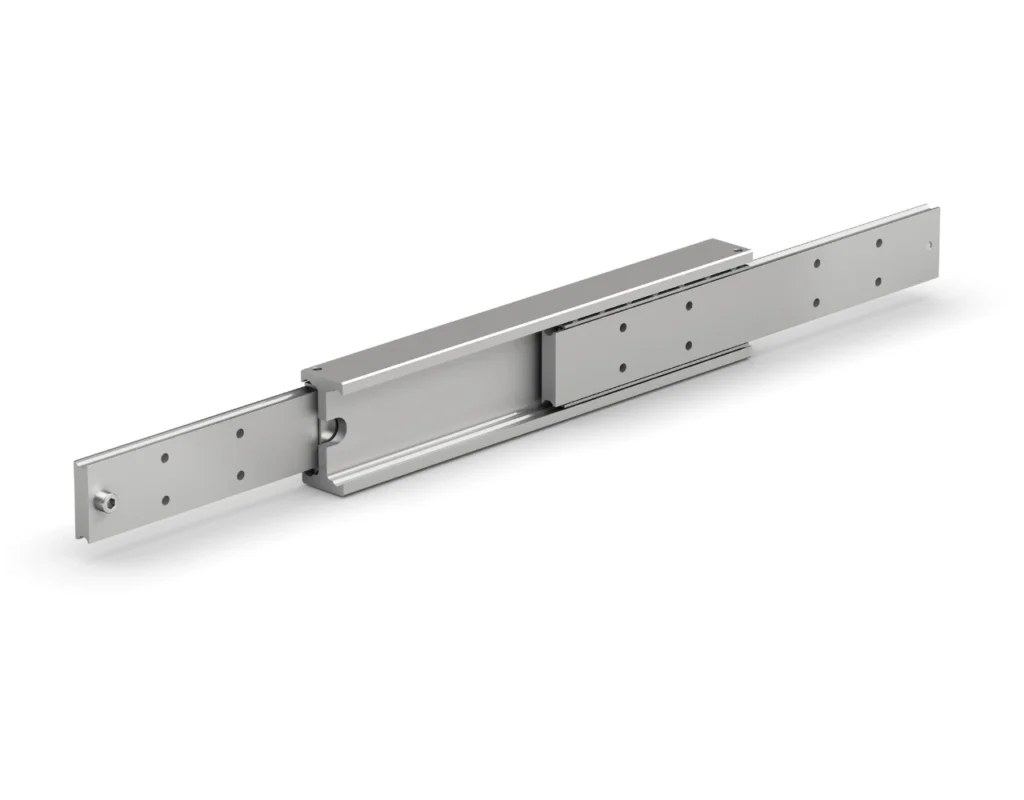 Telescopic rails
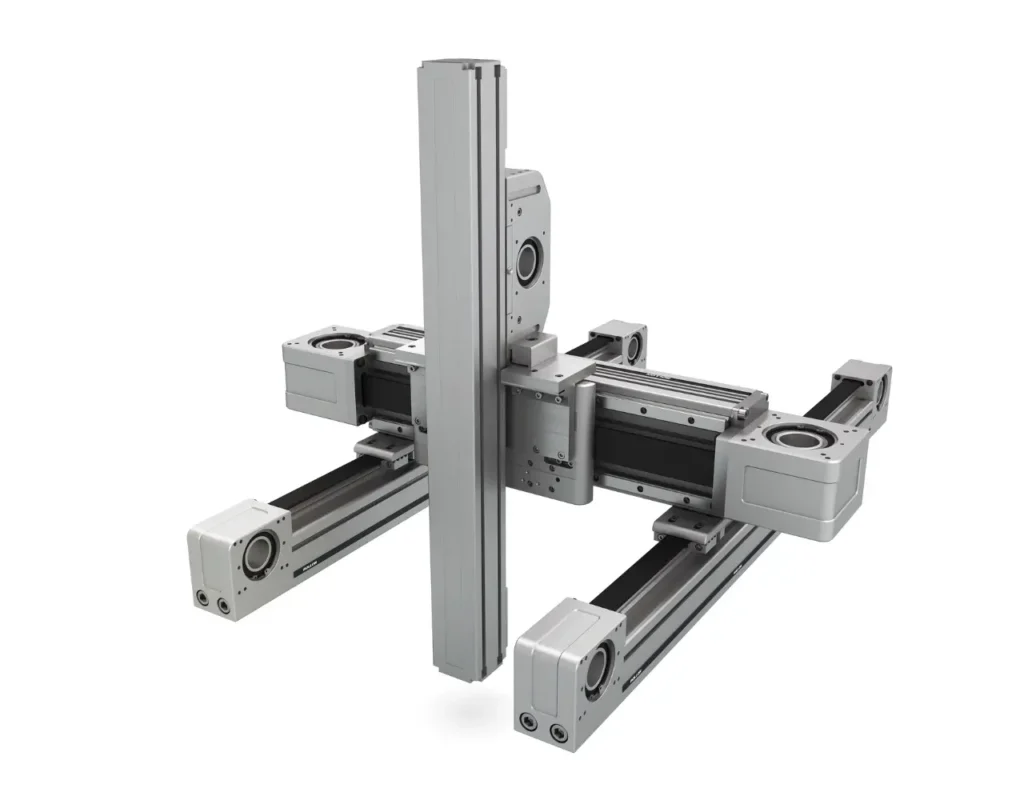 Multi-axis
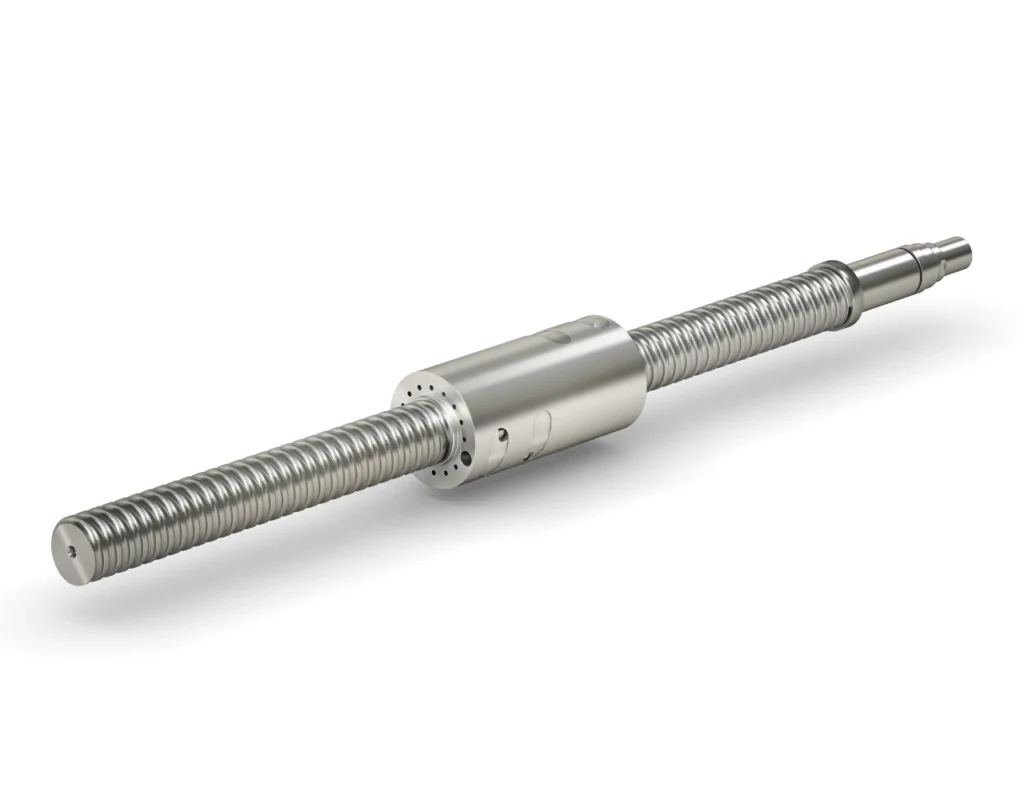 XL Xtrem Load
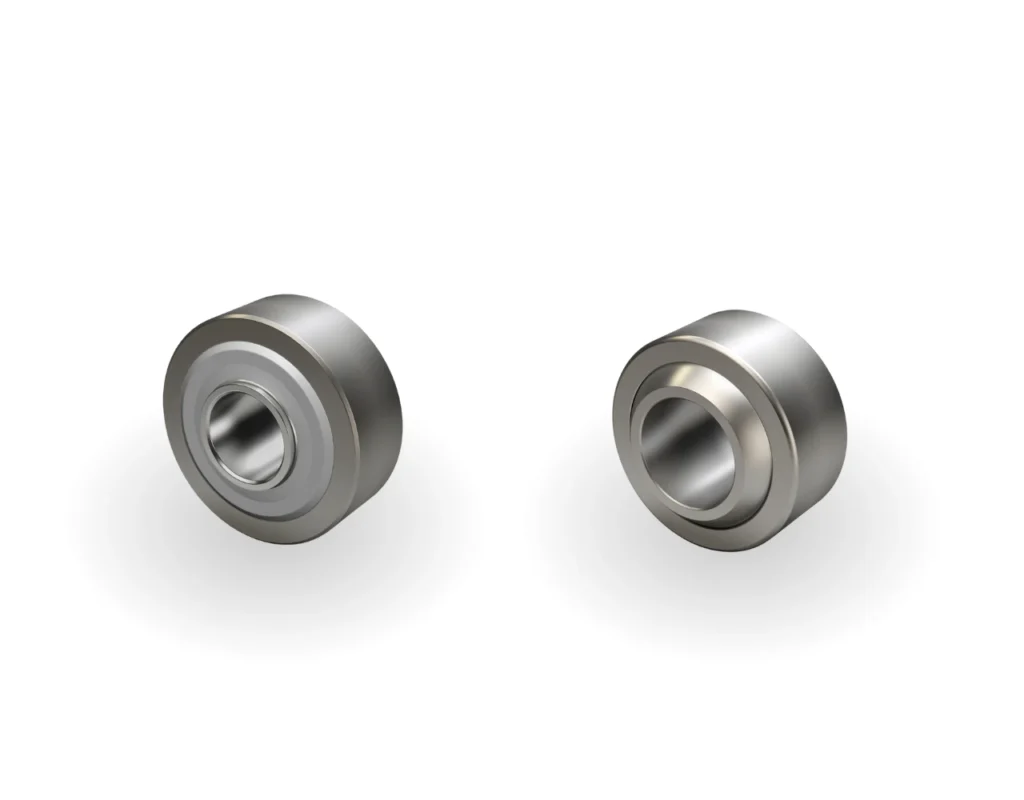 Spherical plain bearings
 Curved guides
 Robot transfer units
 XT Xtrem Transport
 Needle roller bearings
 Cam followers
 Circular systems
 Rollon RB
 Locknuts and rings
 Aerospace
 Contract & Building
 Electronics
 Food & Beverage
 Industrial machinery
 Healthcare
 Machine tool
 Material handling
 Packaging
 Railway
 Robotics & Automation
 Special Vehicles



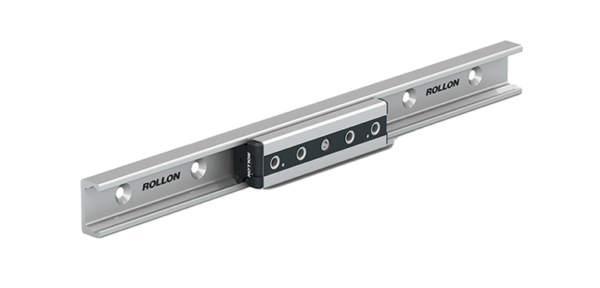
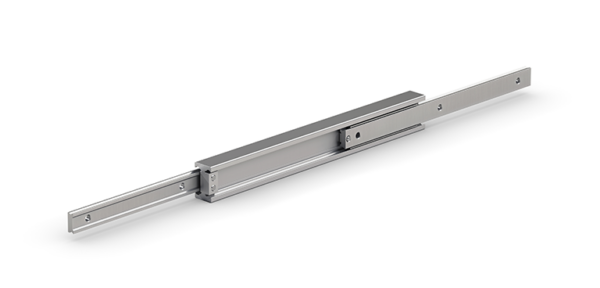
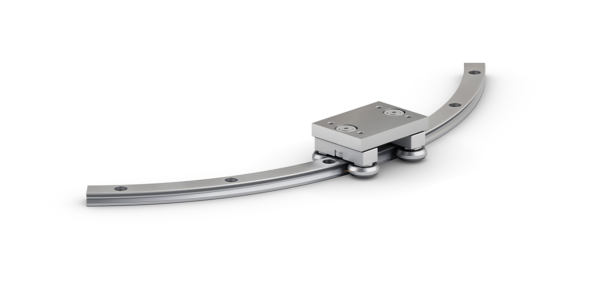
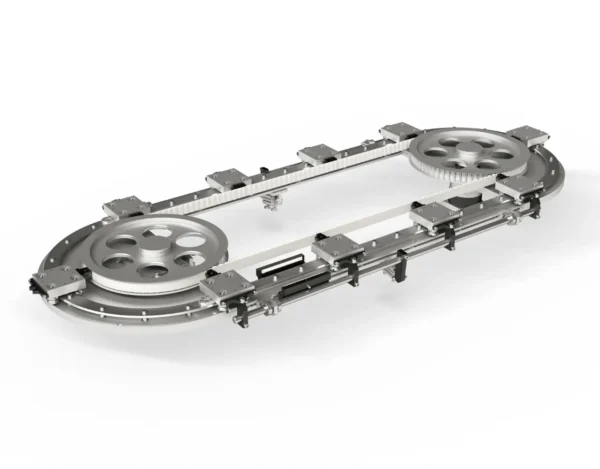
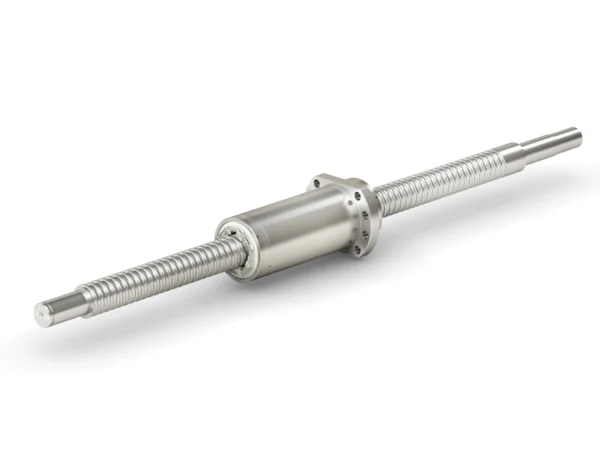
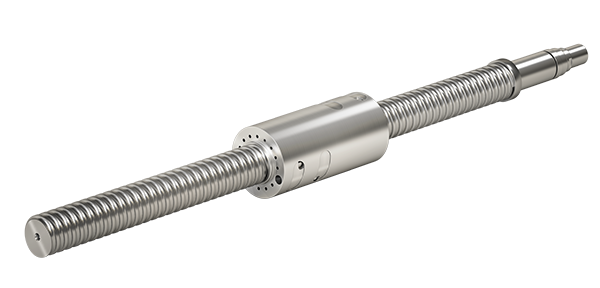
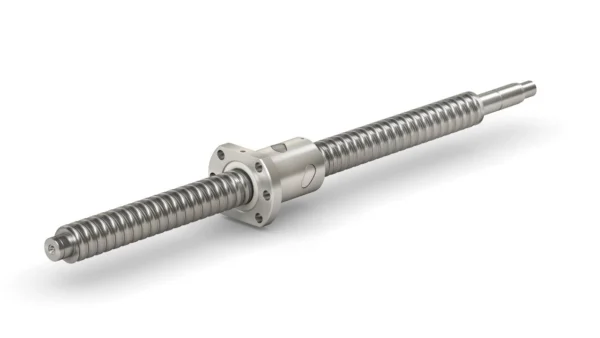


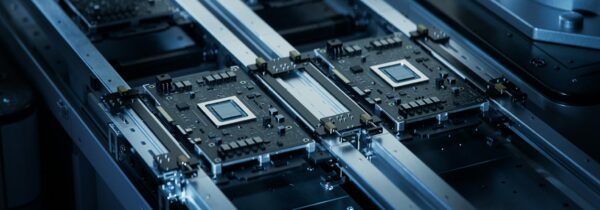












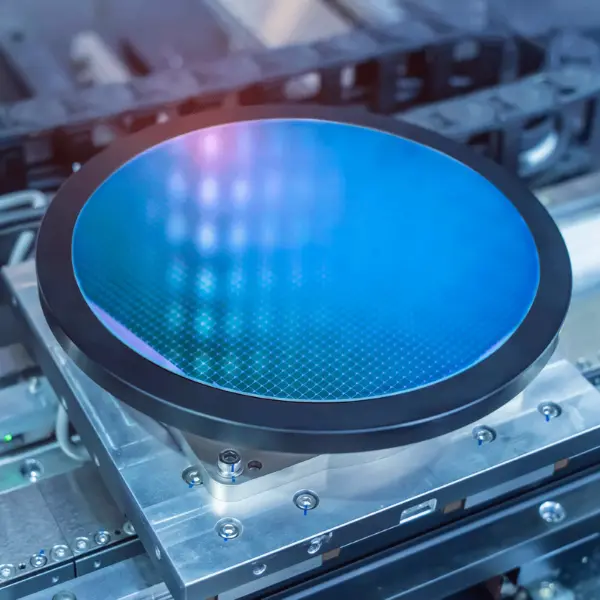

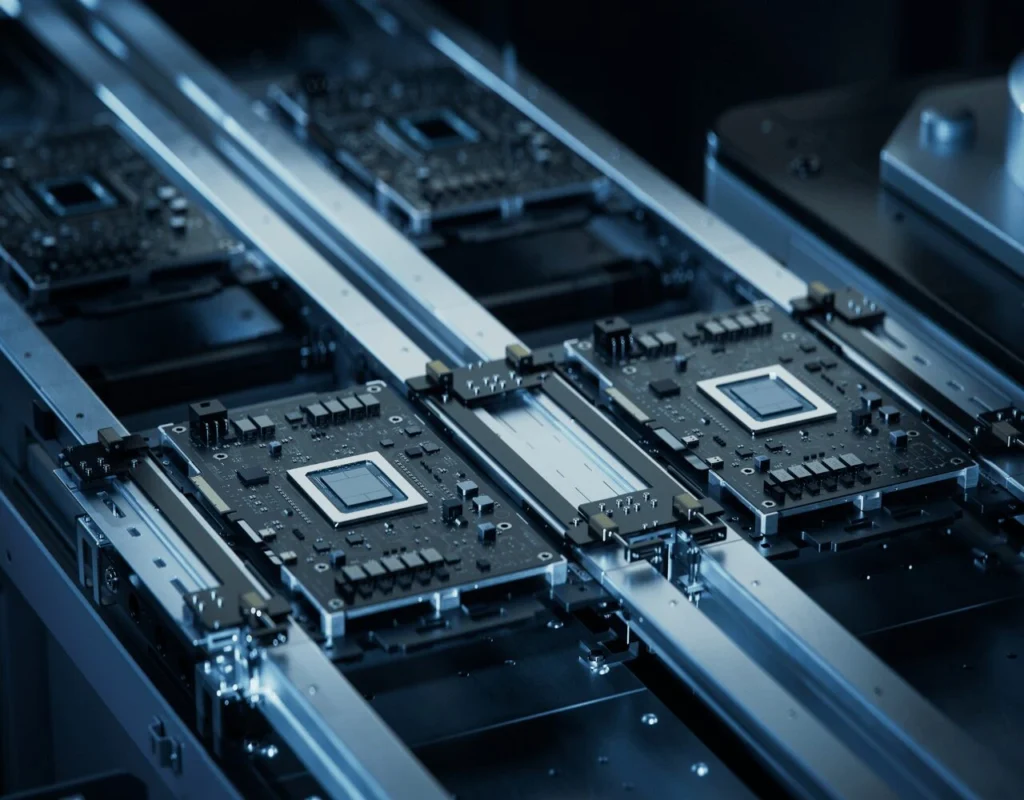
The processes behind semiconductor products are extremely precise and yet extremely fast as well. In this white paper, we detail these semiconductor applications and the precision motion technologies that best complement machine designs for the careful manufacture, handling, and assembly of electronics products of all types.
The manufacture, handling, and assembly of electronics and semiconductor products require processes that are extremely precise and yet extremely fast as well. In some cases, throughputs reach thousands of pieces a minute with nanometer-scale accuracy. Compounding the machine-design pressures for high cycle rates and optimized handling routines is how semiconductor-fabrication facilities can cost billions of euros to build and operate, and the semiconductor material lots and products they output are themselves quite costly.
In this white paper, we detail these semiconductor applications and the precision motion technologies that best complement machine designs for the careful manufacture, handling, and assembly of electronics products of all types.
Growth industries for electronics components
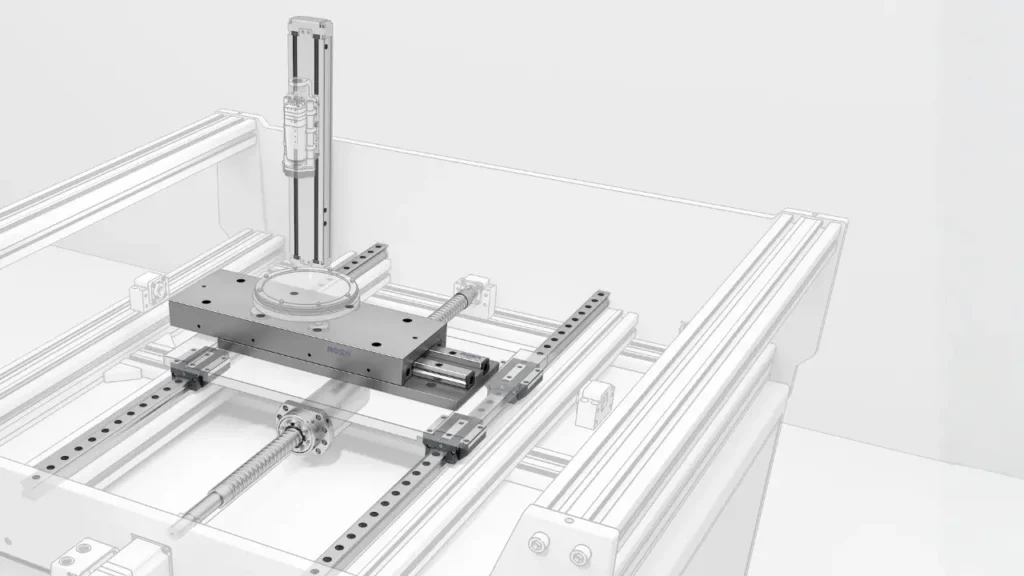
Engineered for smooth and accurate motion, a wide variety of Rollon components help automate wafer manufacturing, front-end chip-circuiting processes, and back-end chip-testing and packaging processes.
The burgeoning field of artificial intelligence is creating brisk demand for computing power. This sector is currently responsible for the majority of semiconductor market expansion to support the establishment and expansion of data centers around the globe. Semiconductor products to support localized AI functions for specialized software accelerators and those for machine learning are in high demand.
Another driver fueling the semiconductor industry’s present growth is the expansion of high-performance computing installations for supercomputer and computer-cluster applications.
Of course, AI and HPC applications are just some of the countless places where new electronics shape the modern world. Ever-smaller electronics are embedded in countless consumer products, including consumer electronics, appliances, and vehicles. They are also in industrial designs, such as robotics and the vast array of systems to sense, communicate, control operations to deliver the convenience, safety, and intelligence of living in the 21st century.
Common electronics manufacturing tasks
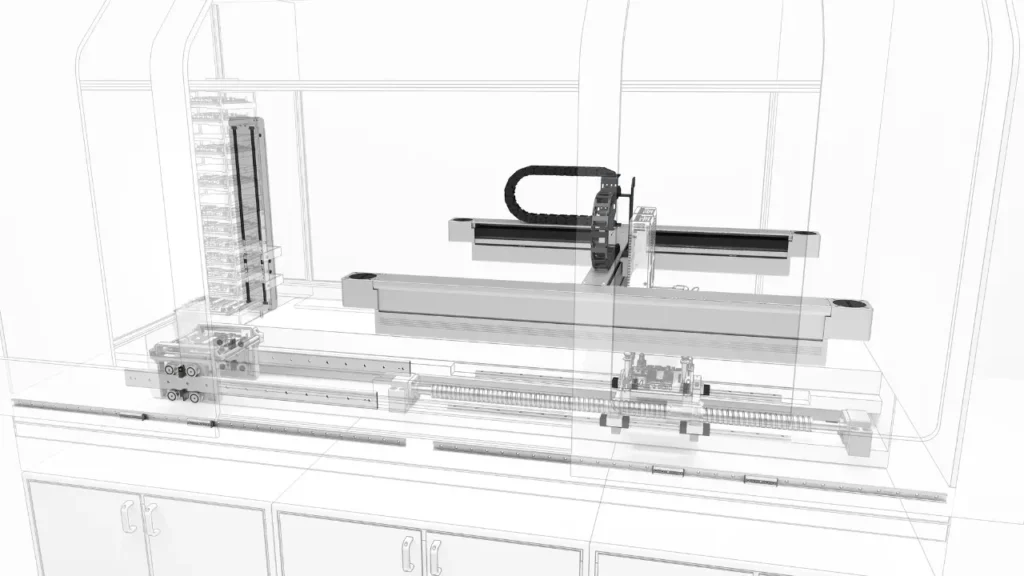
Rollon Group’s solutions satisfy the stringent demands of semiconductor manufacture. Many are available in anticorrosion variations featuring nickel plating and stainless-steel elements.
Core to the manufacture of semiconductors and electronics today is maximized productivity. The confounding factor is that constituent products often have nanometer-scale features. For example, 2-nm chips, with advanced transistor features approaching mere atoms in thickness, could in a few years see widespread adoption.
The technical requirements for producing such products cannot be understated.
Even from the inception of semiconductor product during silicon-wafer fabrication, requirements are stringent to keep the silicon ultra-pure as it’s crystalized and sliced. Automated photolithography – and the etching that follows – present their own motion-related challenges, as the application of circuit patterns onto wafers requires maximal precision.
Each of these unique processes requires its own dedicated equipment for execution. So, during and between these processes, and those for deposition, ion implantation, and planarization, semiconductor product must be transported and handled, often by automated equipment featuring motion components that do not contaminate controlled environments and, above all else, deliver exceptional accuracy and repeatability.
Addressing challenges in semiconductor manufacturing
Semiconductor manufacturing can require machine designs that deliver high accuracy and repeatability as well as high-speed capabilities. Often, the motion components in these machines must also be corrosion resistant and compatible with cleanroom settings.
Case in point: The production of printed circuit boards (PCBs) especially requires high throughput, accuracy, and in many cases, the operation of equipment in cleanroom settings. PCB plating processes further complicate matters with strong acids, alkalis, and solvents, as the machines automating these tasks must often feature corrosion-resistant motion components to operate reliably over the long term and maintain PCB end-product consistency.
Discover how advanced motion solutions address cleanroom requirements, corrosion resistance, and high-performance semiconductor manufacturing.