 Linear guides
 Linear actuators
 XP Xtrem Position
 Rod ends
 Telescopic rails
 Multi-axis
 XL Xtrem Load
 Spherical plain bearings
 Curved guides
 Robot transfer units
 XT Xtrem Transport
 Needle roller bearings
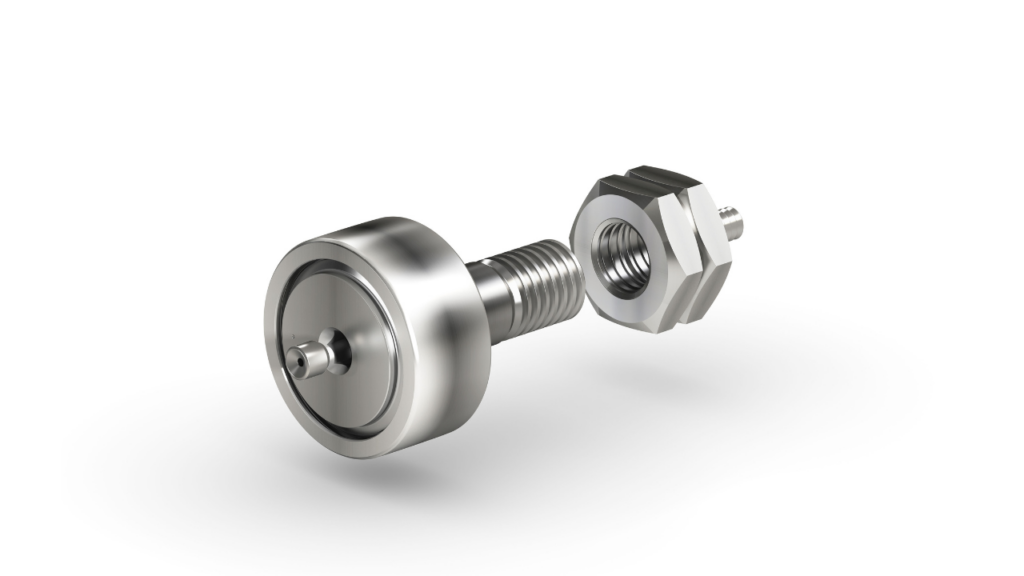 Cam followers
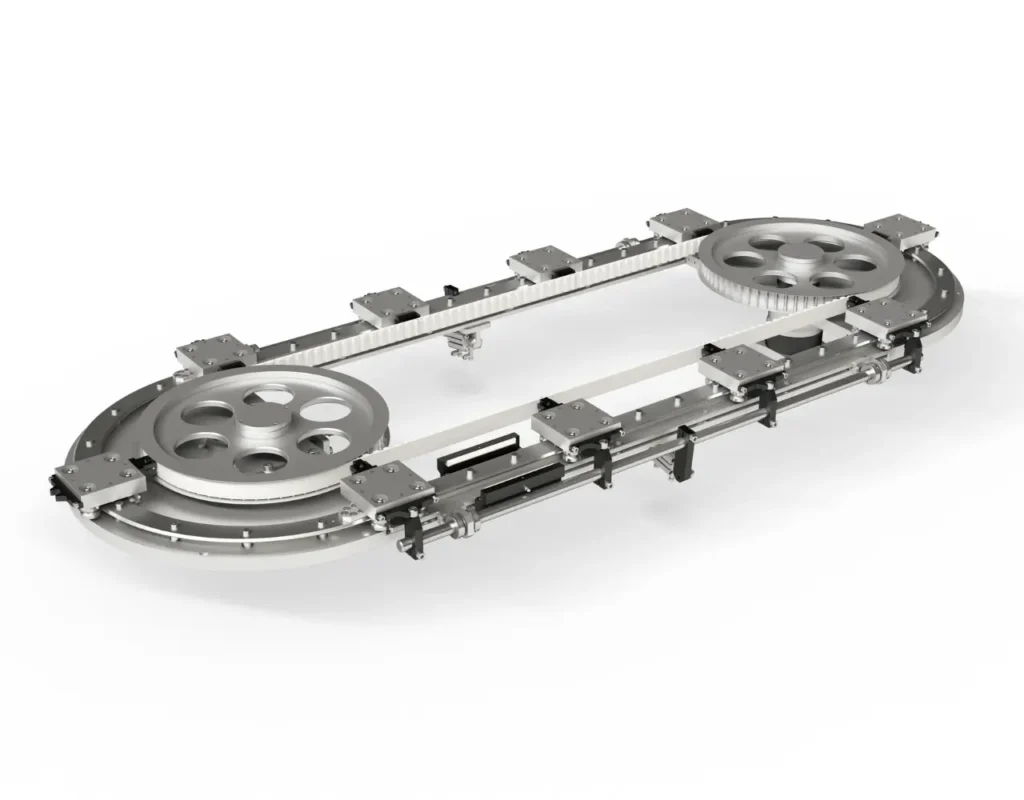 Circular systems
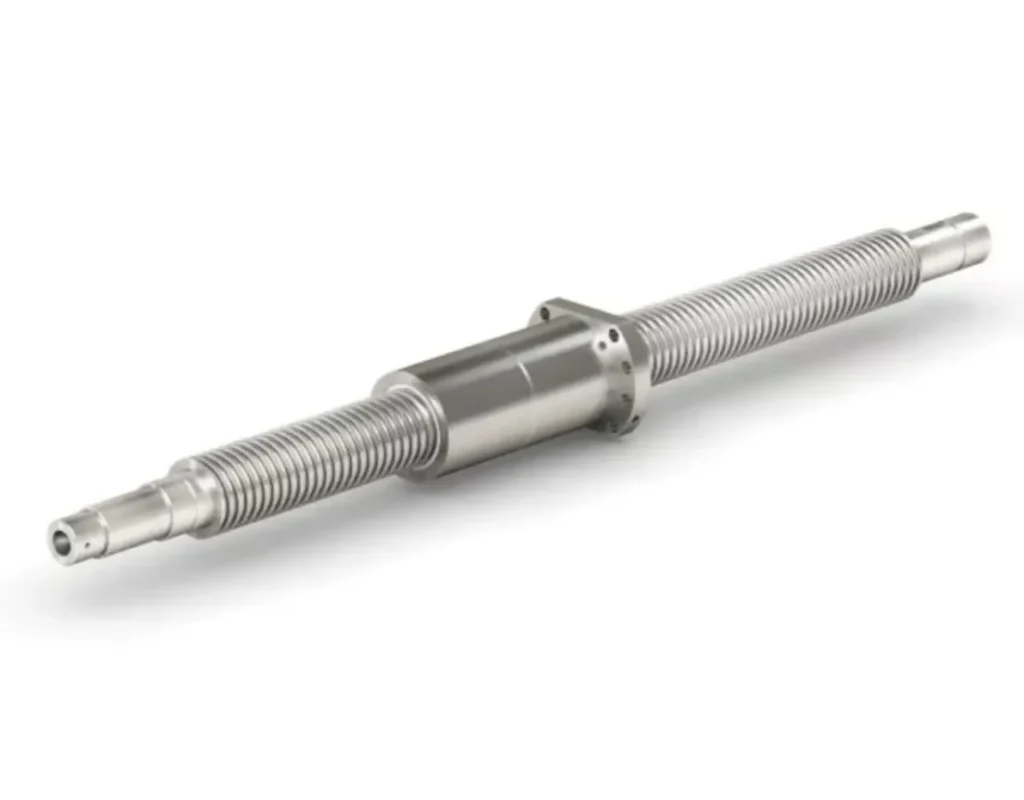 Rollon RB
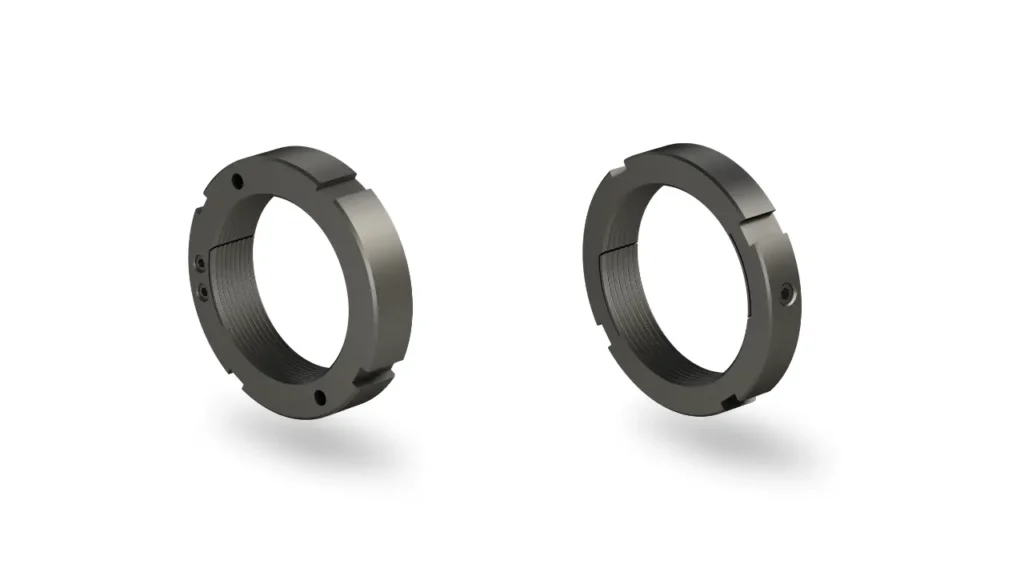 Locknuts and rings
 Aerospace
 Contract & Building
 Electronics
 Food & Beverage
 Industrial machinery
 Healthcare
 Machine tool
 Material handling
 Packaging
 Railway
 Robotics & Automation
 Special Vehicles


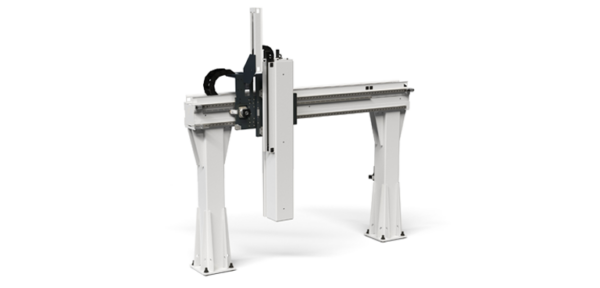
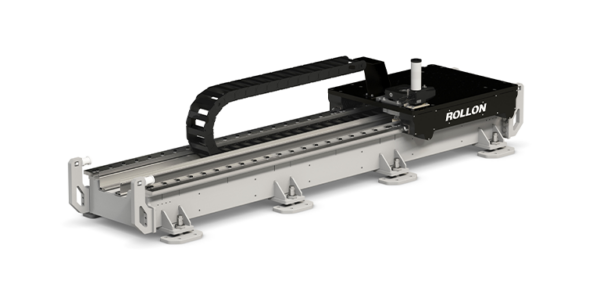
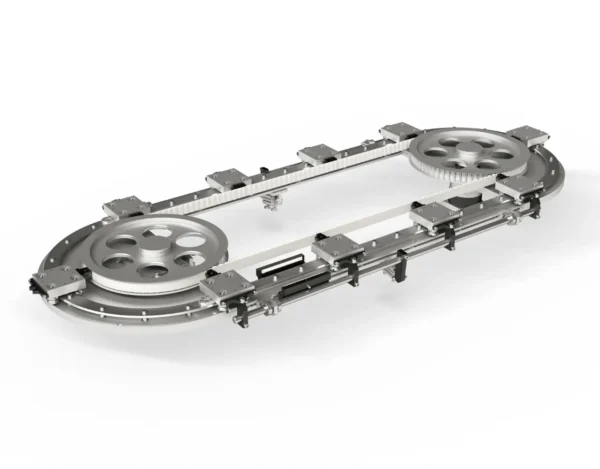
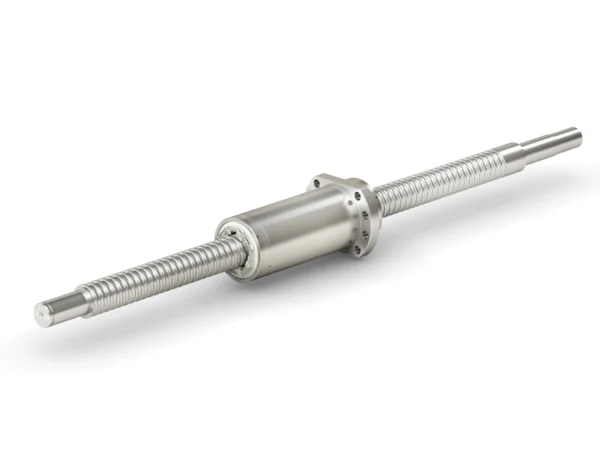


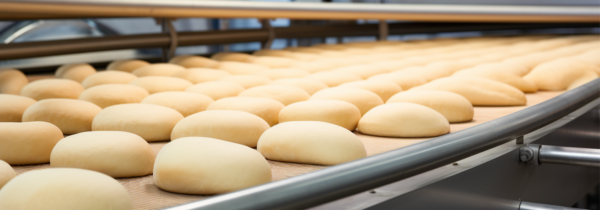








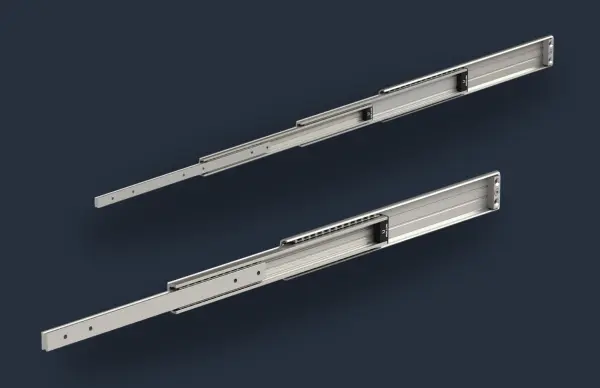

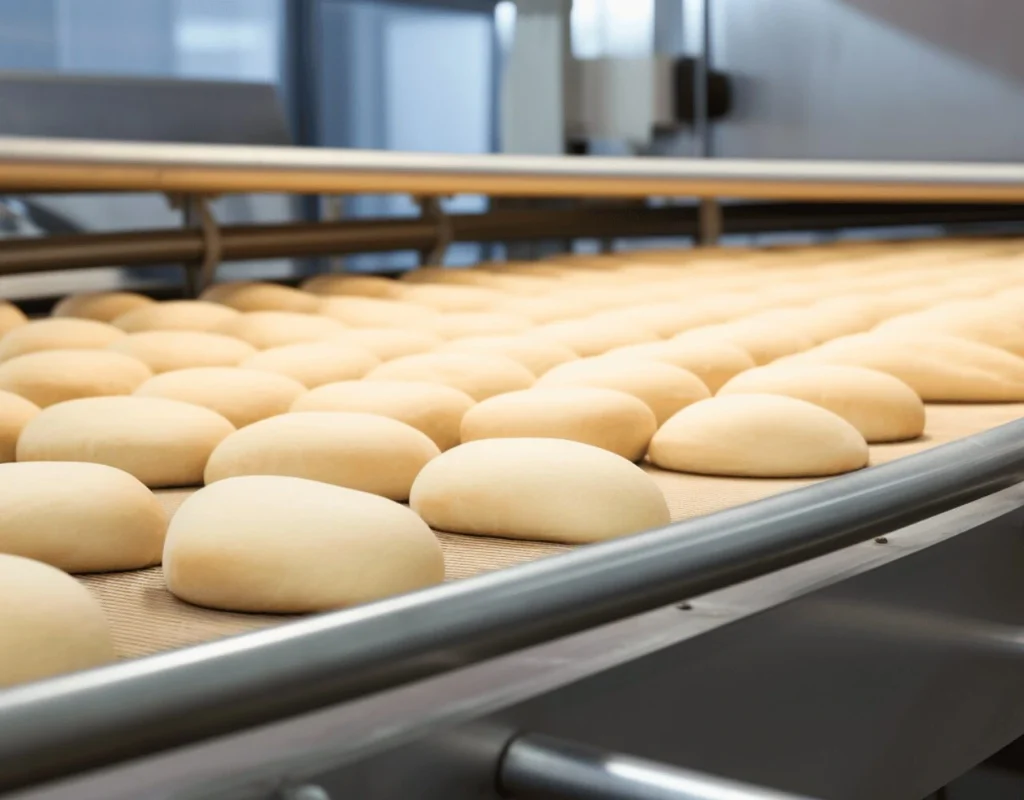
A leading Italian food machinery company contacted Rollon to develop a handling system for croissant and pizza dough along the production line. Specifically, the company needed a system to unload leavened doughs along a series of conveyor belts.
There were many challenges involved in the application. On the one hand, the level of efficiency of the entire process needed to be increased, reducing the cycle time compared to the previous self-built solution. On the other hand, the customer requested an increase in the system loading capacity while creating specific dynamics, as well as guaranteeing that the doughs were protected from contamination during handling. In fact, the solution had to be able to operate in an environment with a high risk of volatile dust contamination (typically flour and yeast), while ensuring that it would not contaminate the product. It also needed to withstand frequent cleaning with liquid detergents without damaging the surface or operations.
The Rollon solution
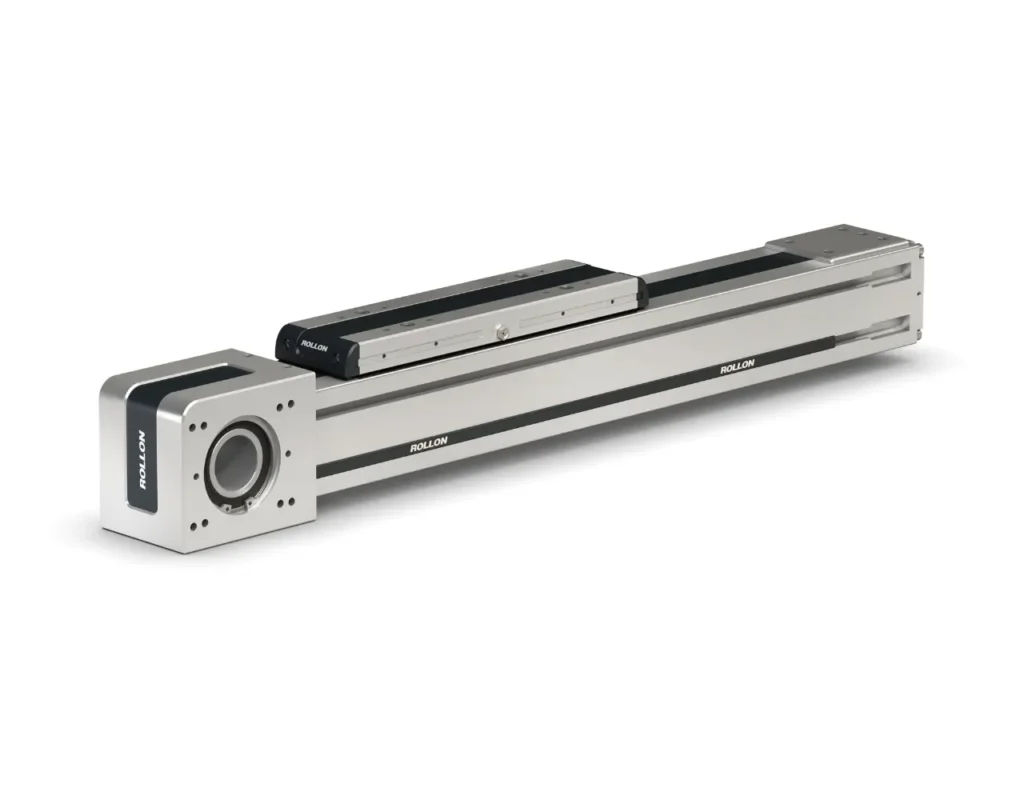
Given the processing, application and environmental requirements, Rollon chose to develop the application based on ELM linear actuators, placing them in a configuration involving two perpendicular conveyor belts. The dough is placed on the first and unloaded onto the second due to a retracting motion. The dough moves to the next station on the second conveyor belt.
The system acts via two different types of dynamics. The first working speed (0.6 m/s) is that of the dough moving from the first to the second conveyor belt. The second speed (1.3 m/s, more than double the first) runs backward (with a retracting motion). The sudden backward movement causes the dough to slip and land on the second conveyor belt. The acceleration handled by the system is about 3–4 m/s².
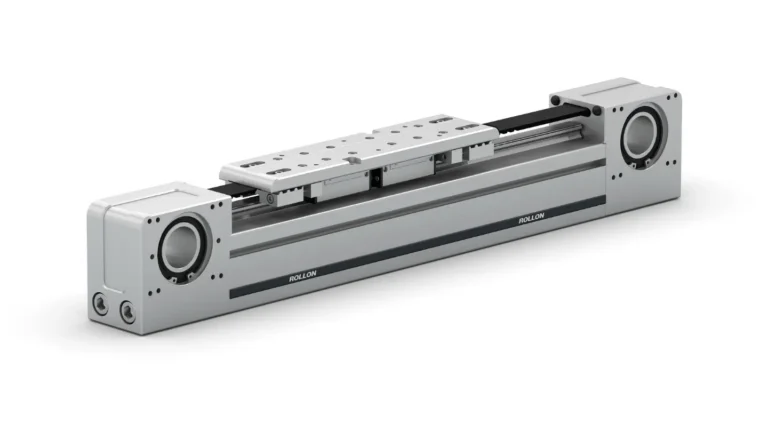
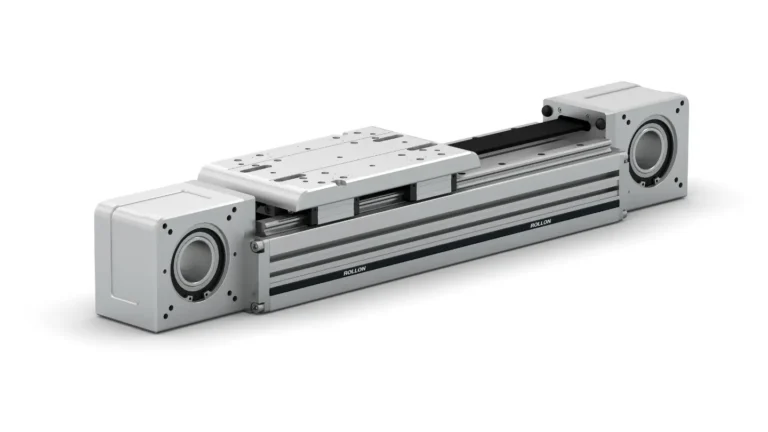
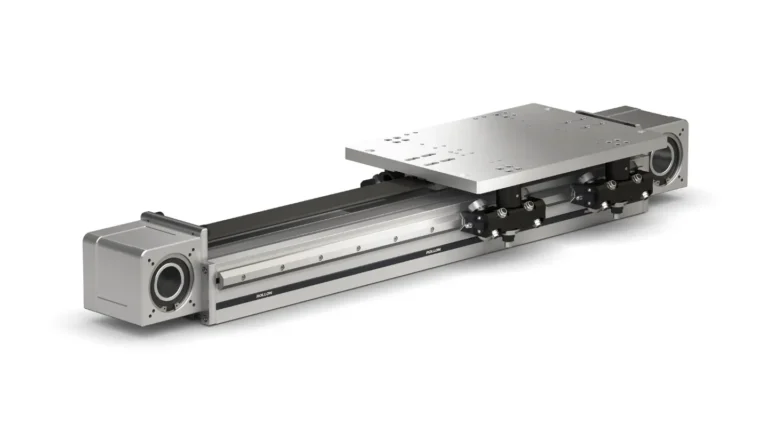
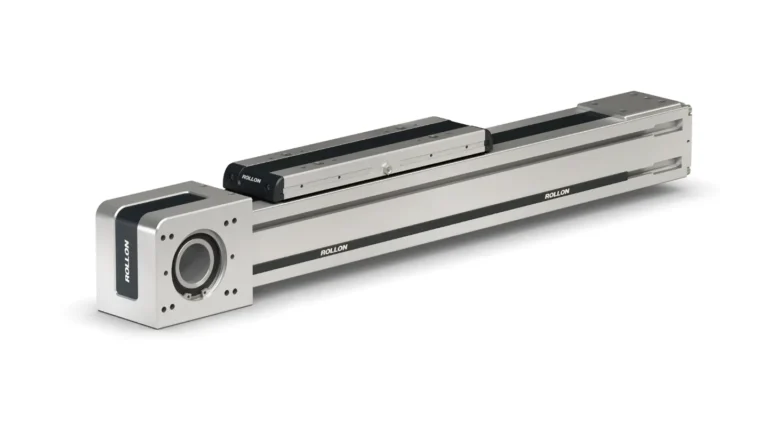
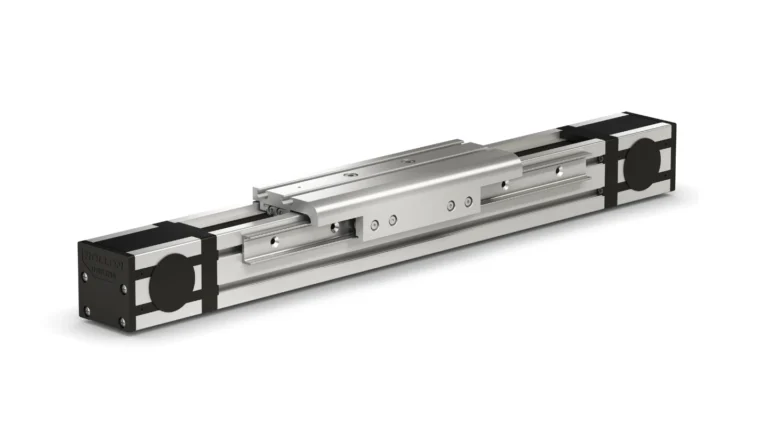
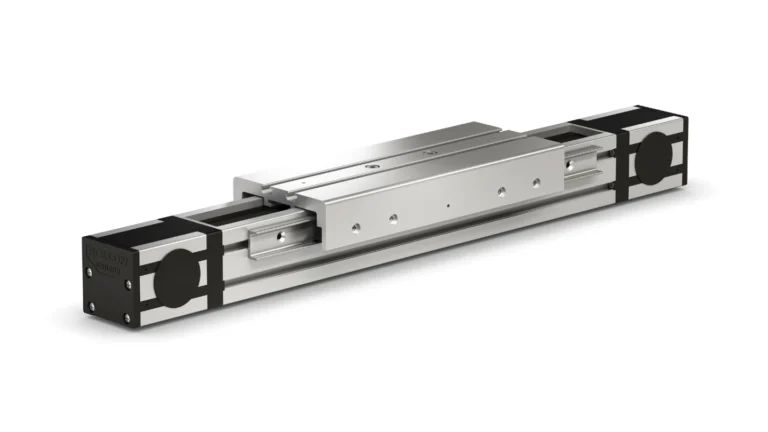
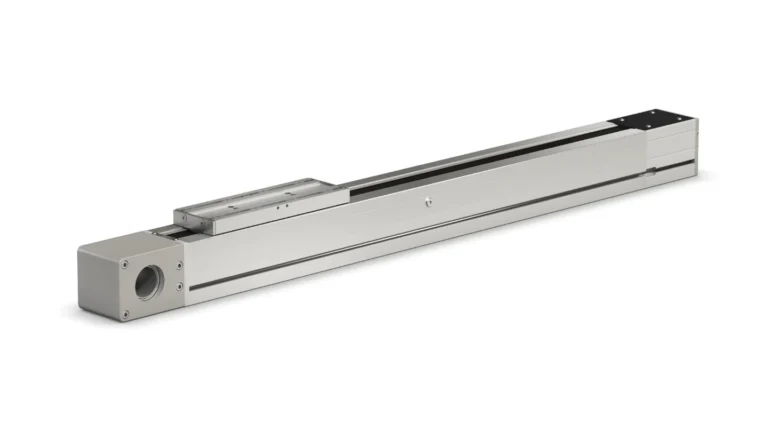
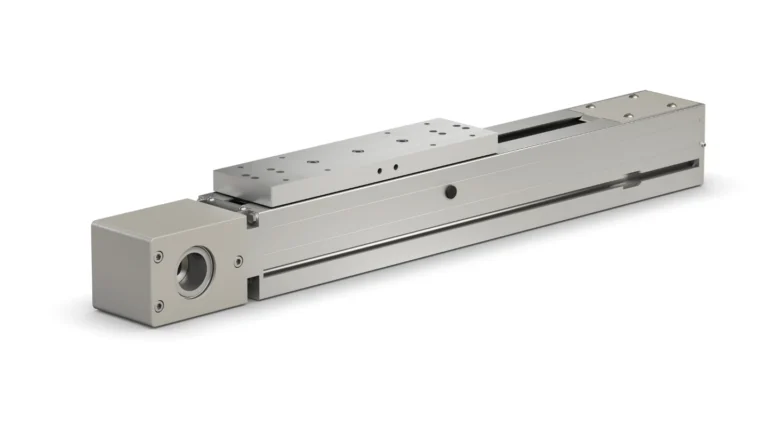
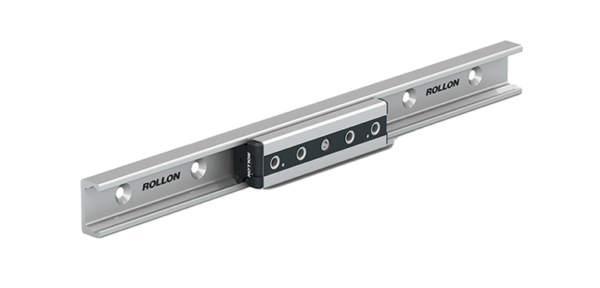
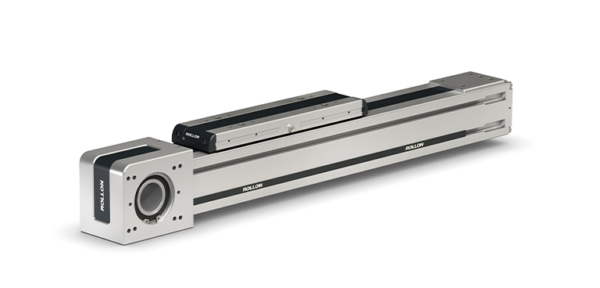
In the Rollon solution, two ELM 80 units from the Plus System series of actuators are coupled in parallel with double carriages and an interaxis distance ranging from 500 to 1000 mm, creating a useful stroke ranging from 1300 to 2000 mm. The load capacity of the system ranges from 150 to 300 kg and was sized for the processing requirements.
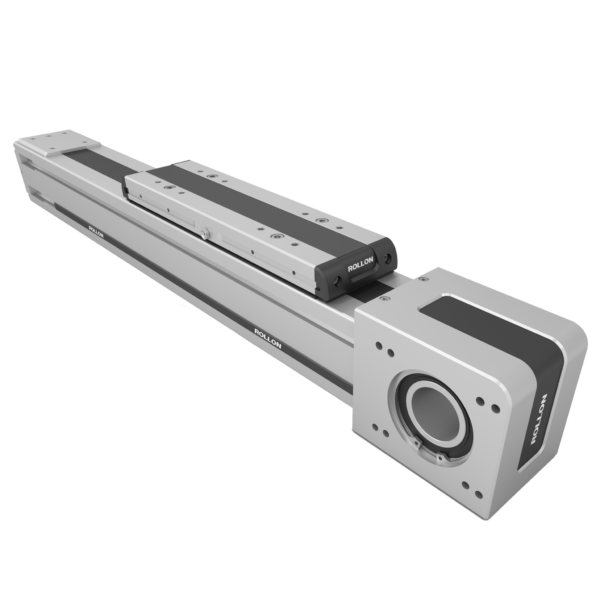
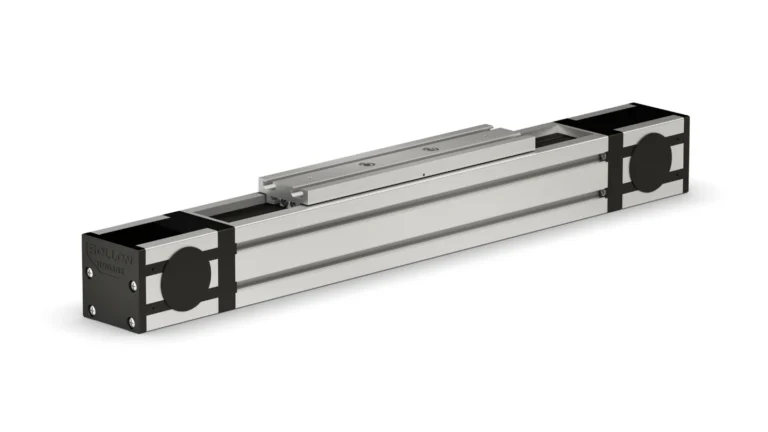
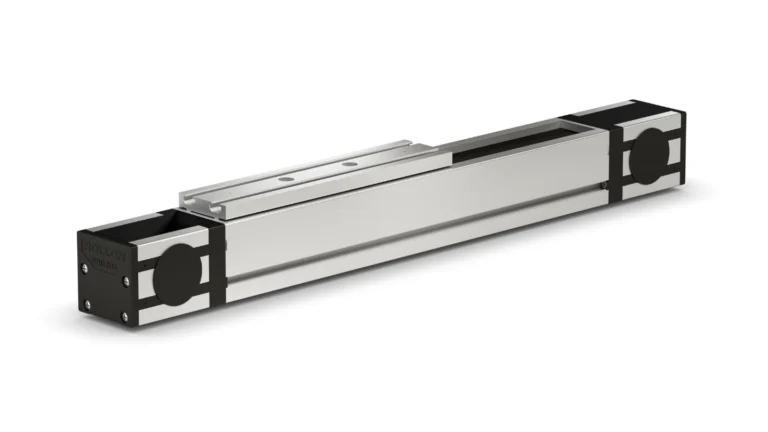
ELM Linear actuator
In addition, ELM actuators can be pressurized down to 0.7/0.8 atm, leading to a solution with an excellent seal for low air/energy dispersion. Finally, the lubrication used in the application involved vegetable greases specifically for the food industry and allowed by FDA standards.
The advantages of the system
The system designed by Rollon contained the key advantages required by the customer for the application.
On the one hand, all processing requirements were met: increased productivity, efficiency, load and dynamics. On the other hand, the application requirements were also met due to the construction of the ELM units. In fact, the chosen units easily handle the contamination risk involved in the application, making maintenance interventions unnecessary (the unit is isolated from external liquids and dust).
Due to the construction materials (anodized aluminum and stainless steel), the company can carry out the required cleaning without the risk of corrosion, even when using liquid detergents.
Finally, the company was able to rely on support from Rollon, both when analyzing the application requirements and when designing and installing the solution, capitalizing on Rollon’s experience in designing and implementing complete linear motion solutions and systems that can be customized to meet individual application needs.
For more information, contact our experts.