 Linear guides
 Linear actuators
 XP Xtrem Position
 Rod ends
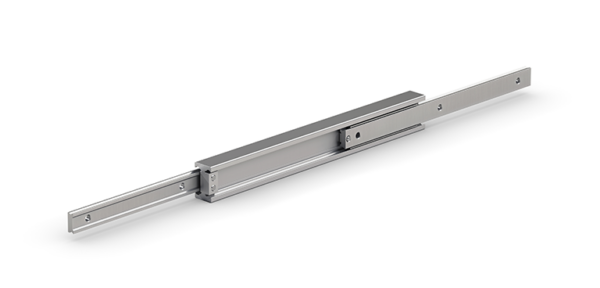
 Telescopic rails
 Multi-axis
 XL Xtrem Load
 Spherical plain bearings
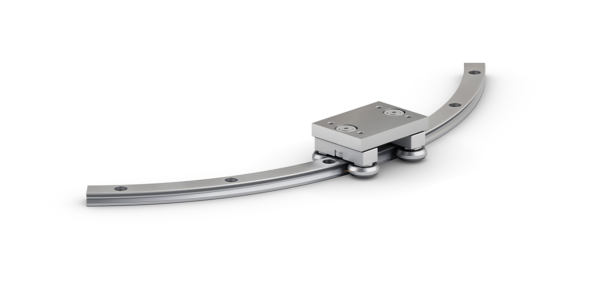
 Curved guides
 Robot transfer units
 XT Xtrem Transport
 Needle roller bearings
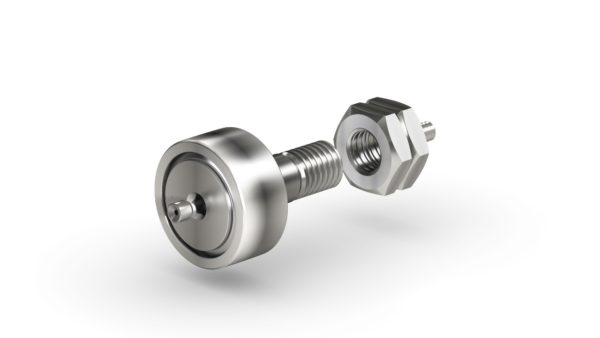
 Cam followers
 Circular systems
 Rollon RB
 Locknuts and rings
 Aerospace
 Contract & Building
 Electronics
 Food & Beverage
 Industrial machinery
 Healthcare
 Machine tool
 Material handling
 Packaging
 Railway
 Robotics & Automation
 Special Vehicles













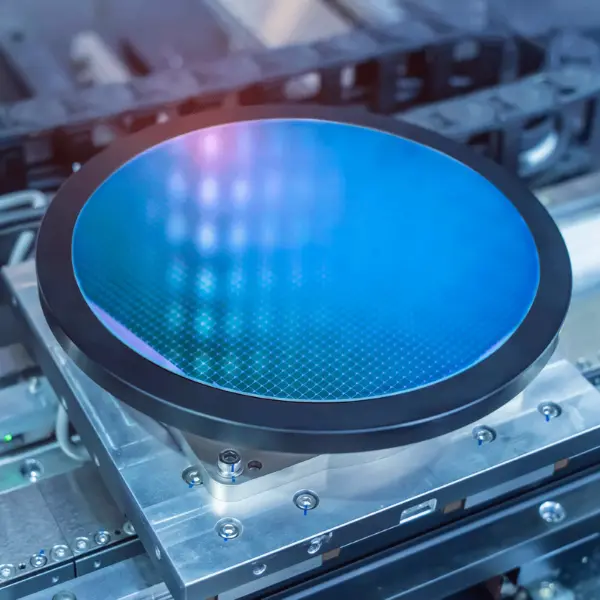


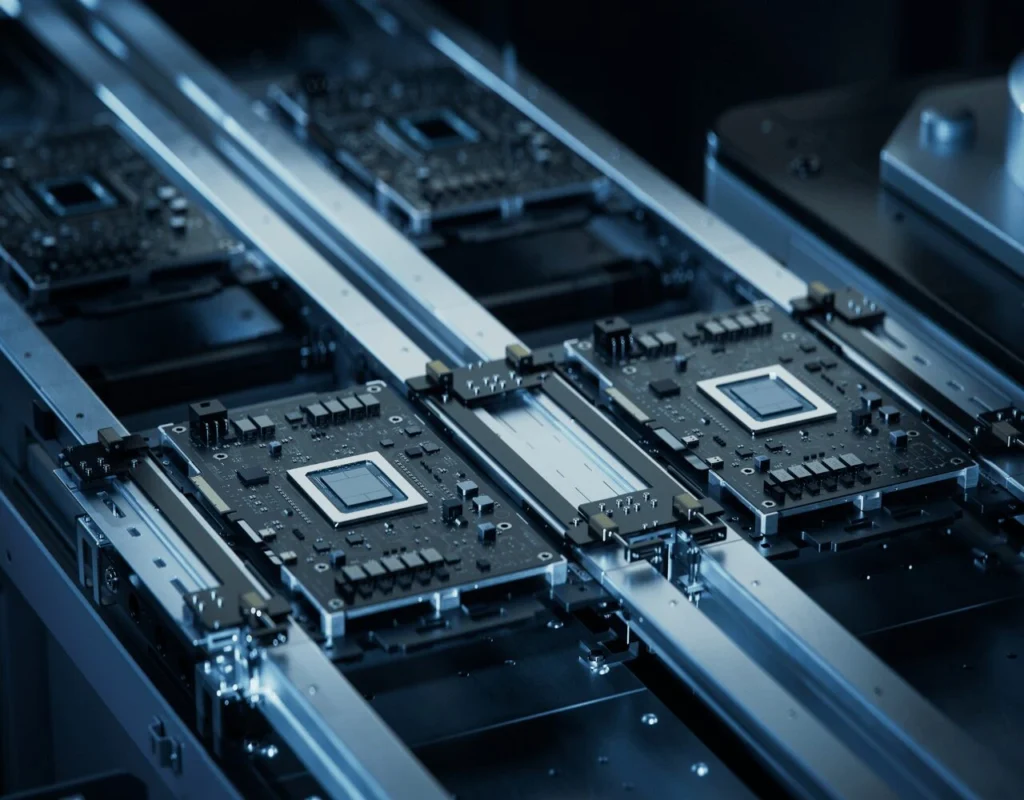
The production of multilayer printed circuit boards requires extreme accuracy and complex processes. Cedatec has addressed this challenge by integrating Rollon linear solutions into its machines, which provide accuracy, reliability and smooth linear motion, enabling the company to customise its machinery for each customer.
In the electronics sector, and particularly in the production of printed circuit boards, defects represent a significant cost factor. Error recovery is extremely complex, as the production process involves numerous delicate and intricate stages. Repeatability, reliability and accuracy are therefore essential requirements throughout the entire production process.
Cedatec, founded in 2018 by a group of experts with over forty years of experience, is well aware of the challenges facing the sector – a sector that has also undergone profound changes, shifting its centre of gravity from Europe to Asia, now the leading technological hub.
“Forty years ago, the electronics sector was very strong in Italy and Europe. Over time, however, the market gradually declined and we found ourselves competing with the Far East, while still maintaining a significant technological gap,” explains Maurizio Malnati, Head of Purchasing at Cedatec.
Despite global competition, Cedatec has managed to establish itself thanks to its extensive experience and ability to achieve high levels of accuracy in interpreting customer needs, working in depth on the customisation of machinery.
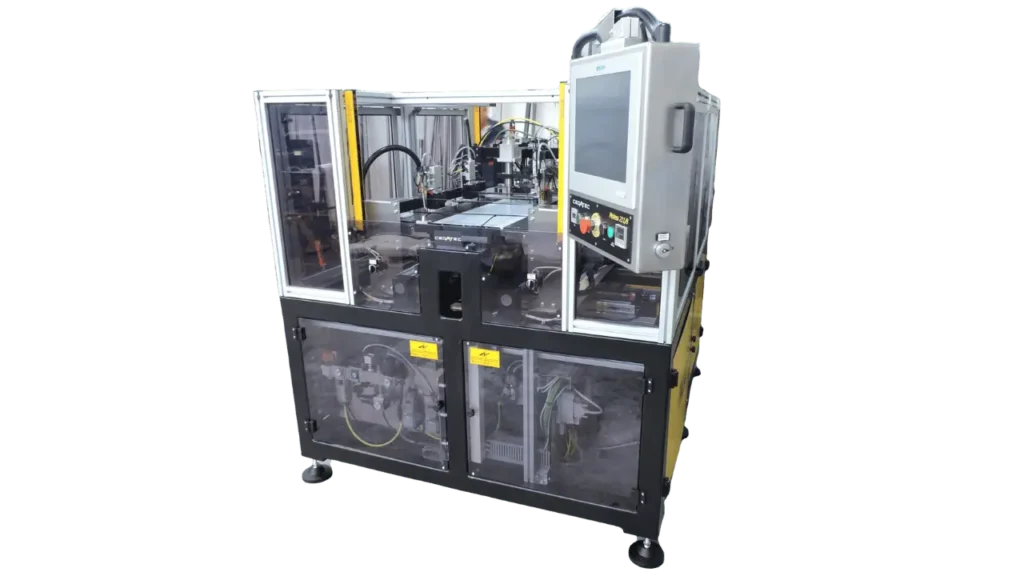
“Our machines are almost never standard. We start with reference models, but every customer has different requirements, and our strength lies precisely in our ability to adapt to different formats each time,” comments Maurizio Runchina, R&D Manager at Cedatec. “The Asian market is now our main point of reference, particularly Taiwan and Japan. In recent years, China has also been moving towards more specialised production, and India is emerging as a strategic area. In Europe, on the other hand, the most dynamic market is Eastern Europe.”
© Cedatec
The multilayer manufacturing process
The production of multilayer printed circuit boards requires accuracy and numerous steps. Cedatec focuses on stacking and polymerising the layers, preparing them for subsequent processing.
“We start with pre-processed layers, and our machines stack them to complete the build-up. These are alignment and welding machines, followed by presses that polymerise the circuit evenly,” explains Runchina.
The process begins with the removal, alignment and deposition of the inner layers. One or more sheets of pre-preg, a partially polymerised resin, are inserted between the inner layers. Next, the welding phase polymerises the multilayer at selected points, keeping the sheets aligned.
Finally, a last layer of conductive copper is applied above and below the circuit using a layup machine, which operates in conjunction with the press. Here, the multilayer – complete with the two copper sheets on both sides – is polymerised. “Instead of cutting and positioning individual sheets, we use a continuous coil. By applying current, the coil becomes a resistor and generates heat directly inside the stack,” explains Runchina. “This process, patented by Cedatec, allows us to melt the resin even at high thicknesses, maintaining a perfectly uniform temperature,” adds Malnati.
Another feature that sets Cedatec machines apart is their compactness. “The VLP press is much more compact than traditional systems: it performs the same process as an eight- or ten-chamber machine,’ explains Runchina.
Accuracy and reliability: the challenges of the sector
Cedatec’s machinery must guarantee accuracy down to 25 microns, while also achieving cycle times that meet customers’ production requirements. “Pinless alignment and welding machines must be both accurate and fast. This is not an easy combination to achieve,” explains Runchina.
In addition, smooth linear motion within the machinery is essential to avoid jamming, which would compromise accuracy and repeatability. To meet this requirement, Cedatec turned to Rollon, which supplied linear motion systems capable of delivering accuracy, smoothness and long-term reliability.
Rollon solutions
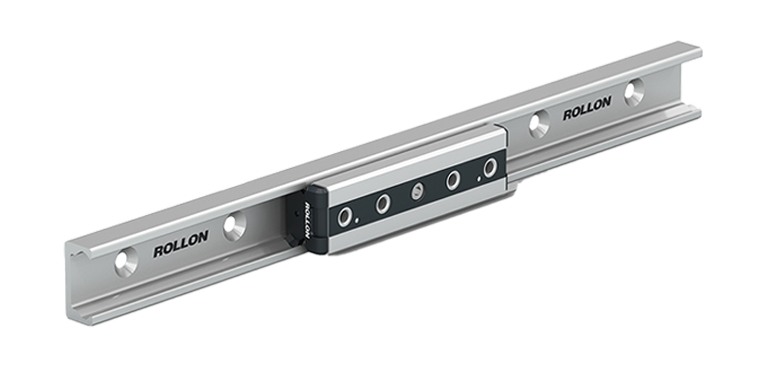
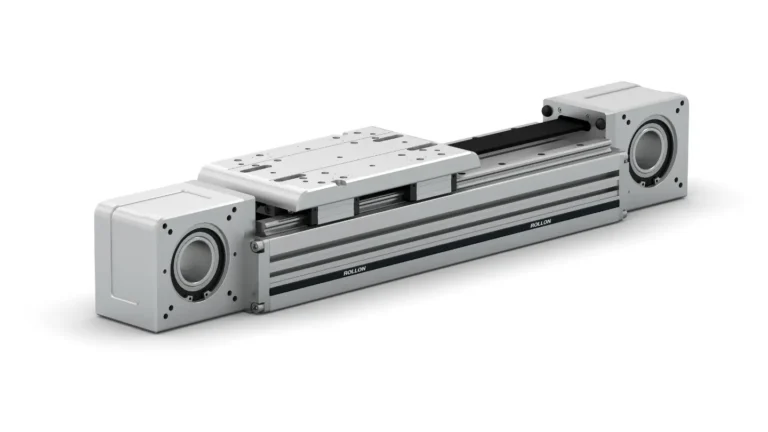
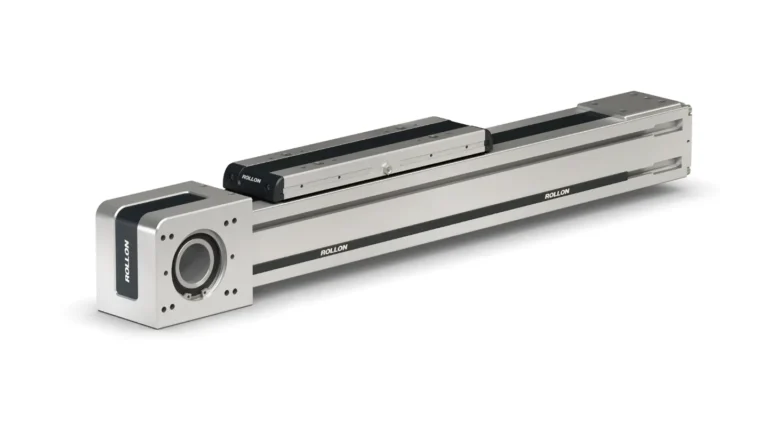
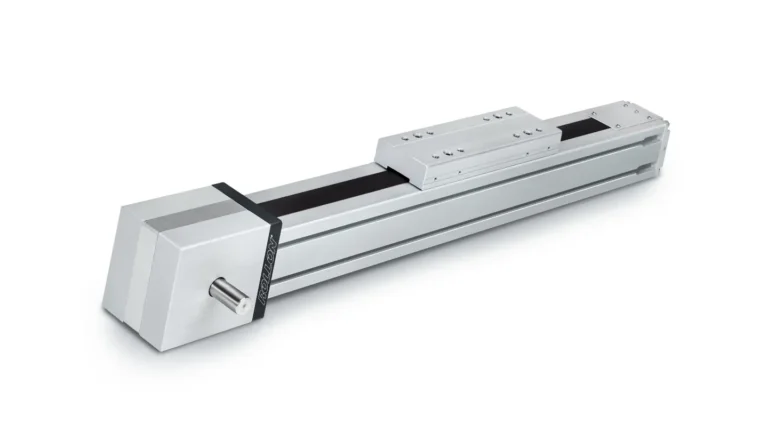
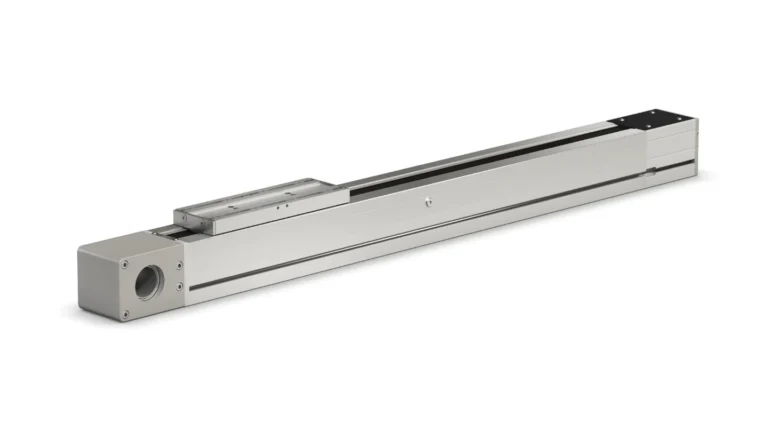
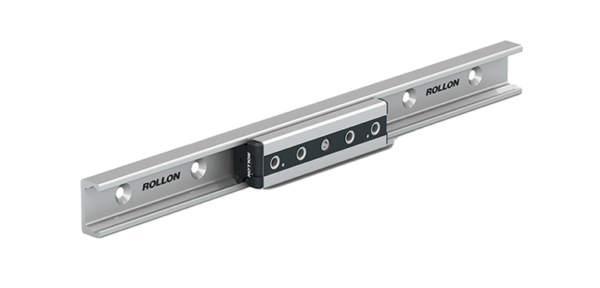
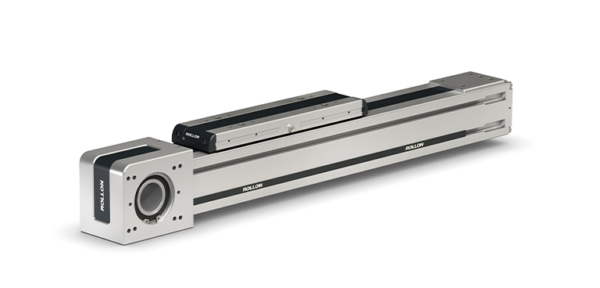
To meet Cedatec’s needs, Rollon provided two solutions in particular: ELM belt-driven linear actuator and Compact Rail ball bearing linear guide.
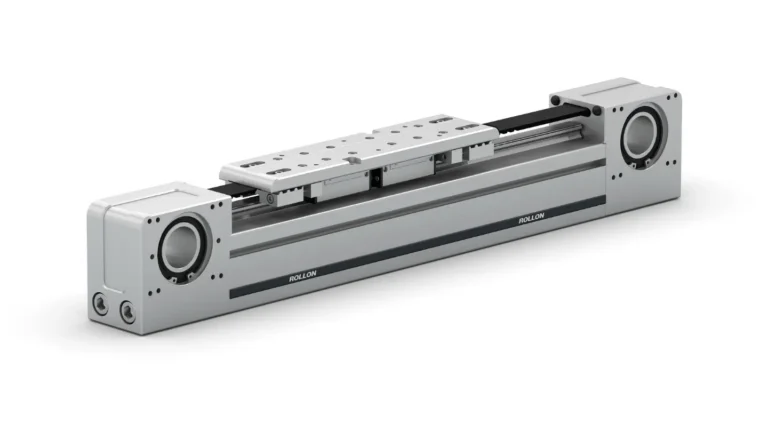
“The machine that prepares the multilayer transfers the sheets using Rollon® ELM linear unit. This solution supports smooth movement, accuracy, and ease of assembly and maintenance. In the past, we used a self-built system that required lengthy assembly, alignment and tensioning. The Rollon axis has been a major added value, simplifying the work and significantly improving performance,” explains Runchina.
ELM linear actuators are also designed with a polyurethane belt that protects the driving system and guide rail from dust, dirt and other contaminants.
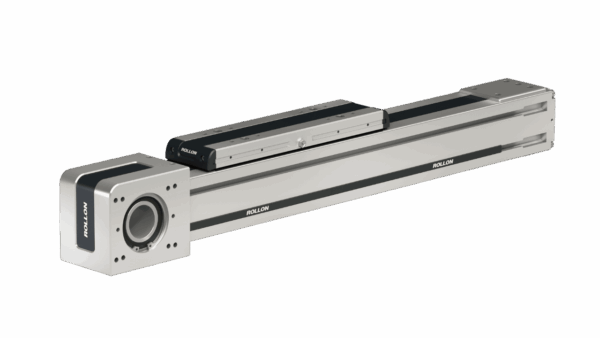
Rollon® ELM linear actuator.
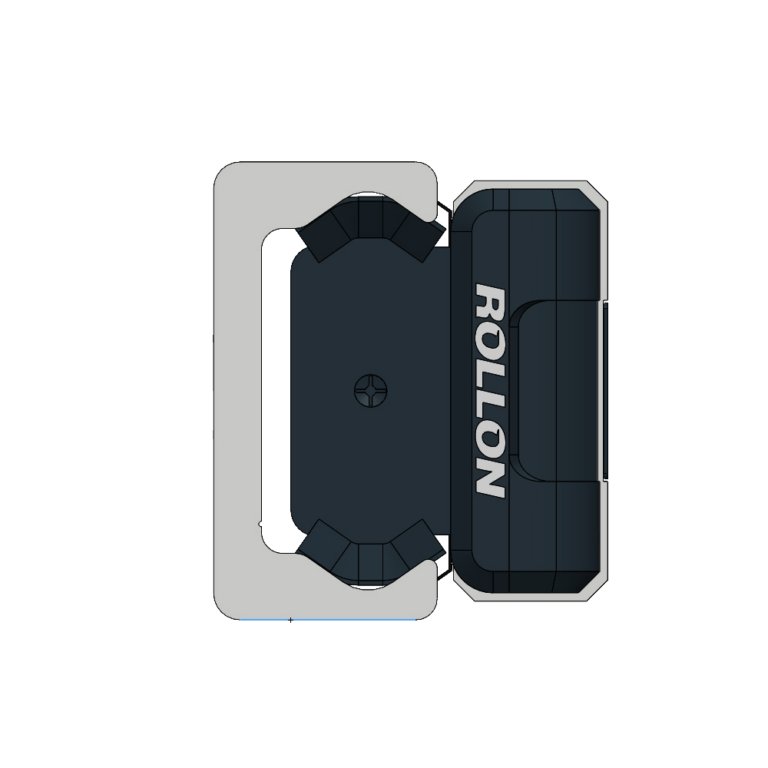
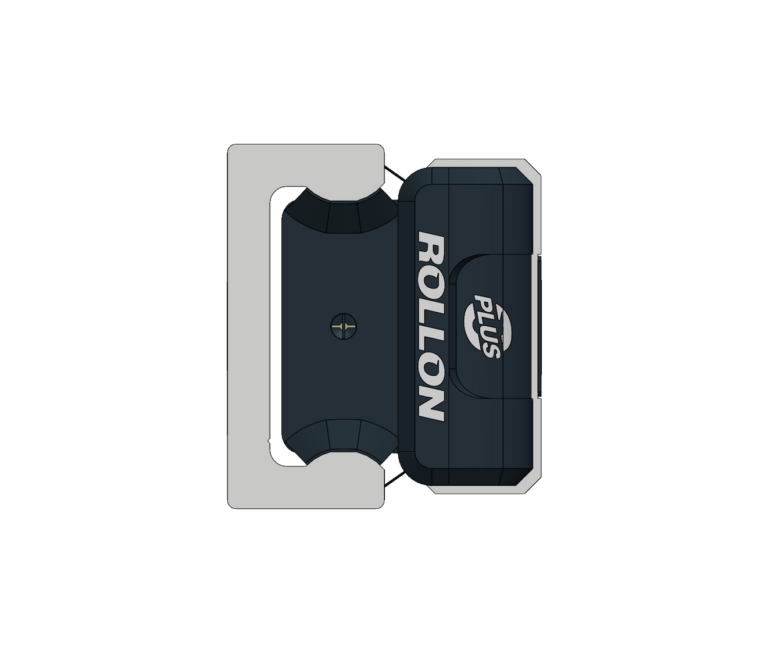
Compact Rail linear guides are used to move the two arms that mount the welding heads. Here as well, achieving smooth and precise motion capable of compensating for any misalignment errors was essential.
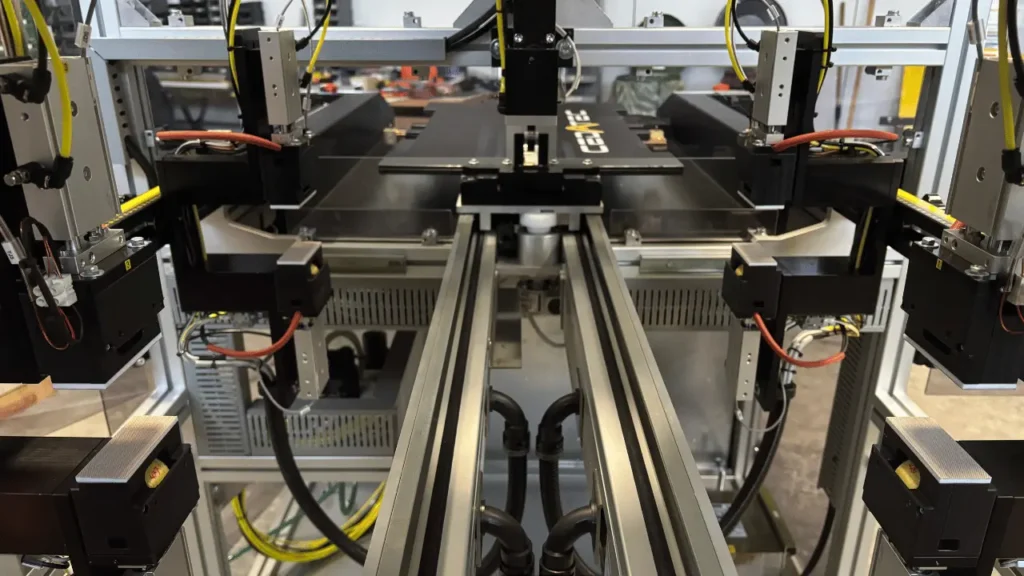
The Compact Rail T+U linear guide, capable of compensating for misalignment, installed on one of Cedatec’s machines. © Rollon
Finally, in the layup machine, the copper coils are also moved using Compact Rail. “In this application, the guide allows us to achieve perfectly smooth movement, avoiding jamming. The copper must be laid out flawlessly and with the correct tension, and Compact Rail allows us to achieve exactly that,” adds Malnati.
The advantages of Rollon solutions
Rollon is a long-standing supplier to the group that now forms Cedatec. “When we started developing and improving our machinery, Rollon was our immediate choice for the linear system. The collaboration has always been positive,” says Malnati.
“We needed very high levels of accuracy for our pinless alignment and welding machines. In the past, we used axes from another supplier, which were high-performance but not well suited to the architecture of our machine. Although they were effective, they created difficulties in maintaining positioning after repeated stress. After rethinking the structure, we chose a Rollon axis: reliable, versatile and easy to manage. Once configured, it requires very little attention,” adds Runchina.
The Compact Rail T+U series was chosen for its simplicity and versatility. “These linear guides are ideal for this type of application: they support smooth, continuous operation even in demanding environments and compensate for any misalignments, avoiding costly machining,” explains Luca Carnevali, Area Sales Manager at Rollon.
“Since we don’t have standard machines and must adapt the configuration to customer requirements each time, we needed a guide that was just as flexible. Compact Rail perfectly meets this need, enabling adaptation without complications. Our machines also operate in contaminated environments: the pre-preg releases dust that can settle everywhere, but Compact Rail continues to operate smoothly,” adds Runchina.
Future projects
The electronic components market is constantly evolving. New materials are emerging that require higher polymerisation temperatures, which is why Cedatec is upgrading the performance of its machinery to reach temperatures of up to 300 °C. These requirements are compounded by the need for improved energy efficiency and the growing demand for compact machinery.
“At Cedatec, we are working to keep pace with developments in the sector. Among our upcoming projects is the redesign of the copper coil layup machine, integrating new linear units that simplify assembly and maintenance as much as possible. Suppliers such as Rollon are essential to driving these developments forward,” concludes Runchina.
Interested in learning more about our solutions or starting a new project together?