 Linear guides
 Linear actuators
 XP Xtrem Position
 Rod ends
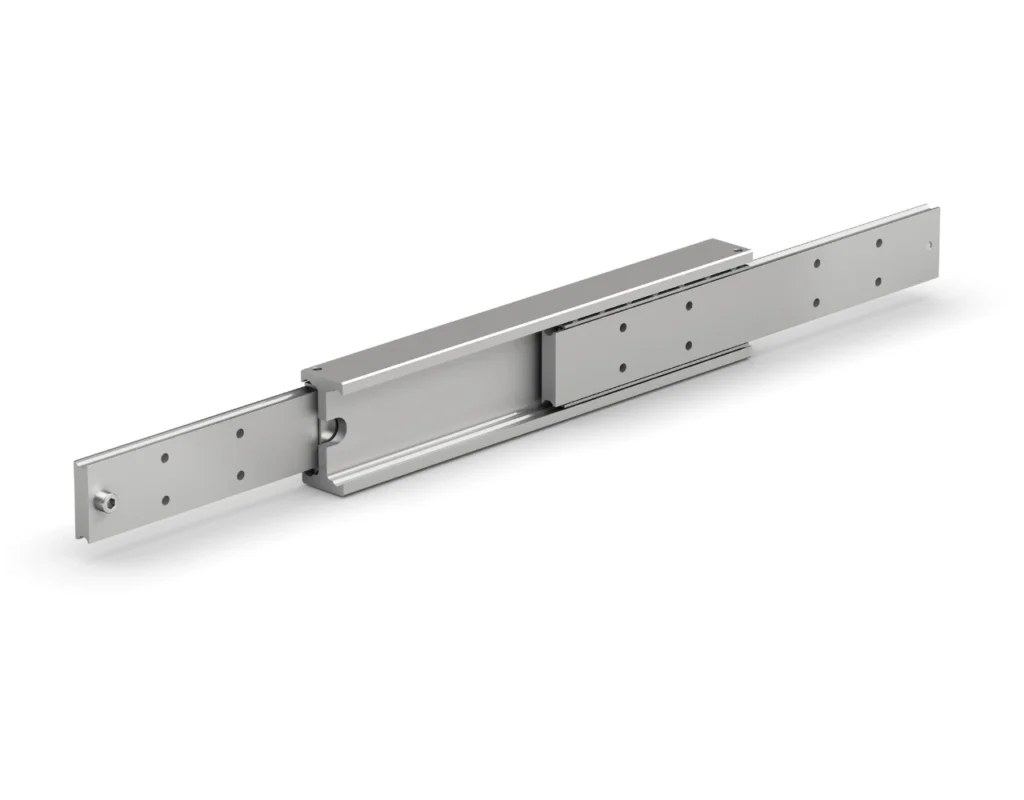 Telescopic rails
 Multi-axis
 XL Xtrem Load
 Spherical plain bearings
 Curved guides
 Robot transfer units
 XT Xtrem Transport
 Needle roller bearings
 Cam followers
 Circular systems
 Rollon RB
 Locknuts and rings
 Aerospace
 Contract & Building
 Electronics
 Food & Beverage
 Industrial machinery
 Healthcare
 Machine tool
 Material handling
 Packaging
 Railway
 Robotics & Automation
 Special Vehicles



















This whitepaper explores the key considerations involved in specifying telescopic guides for railway-maintenance systems and examines how different design approaches can address the unique challenges of rolling-stock applications.
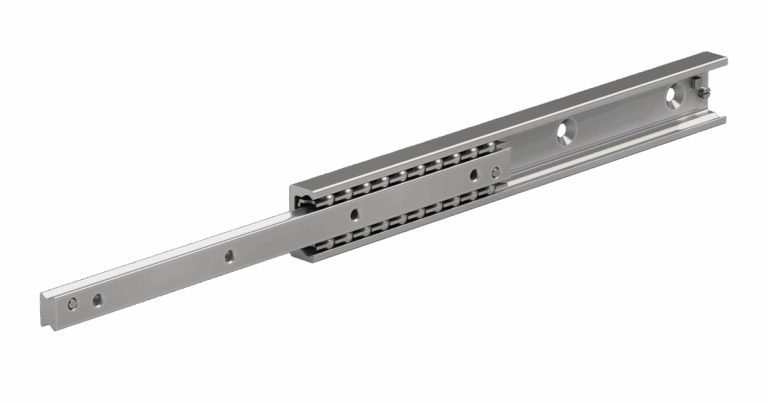
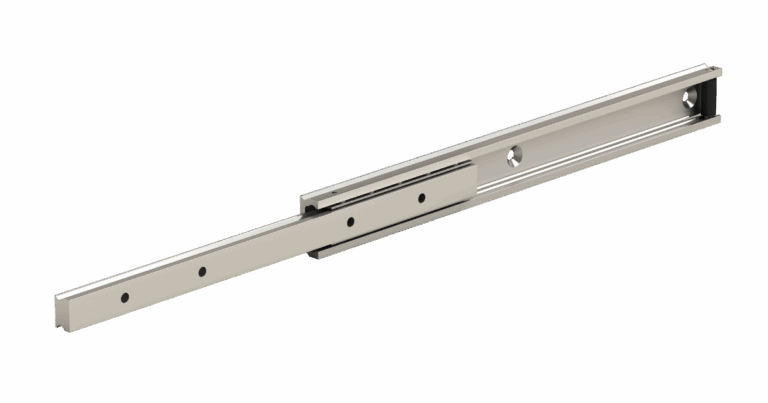
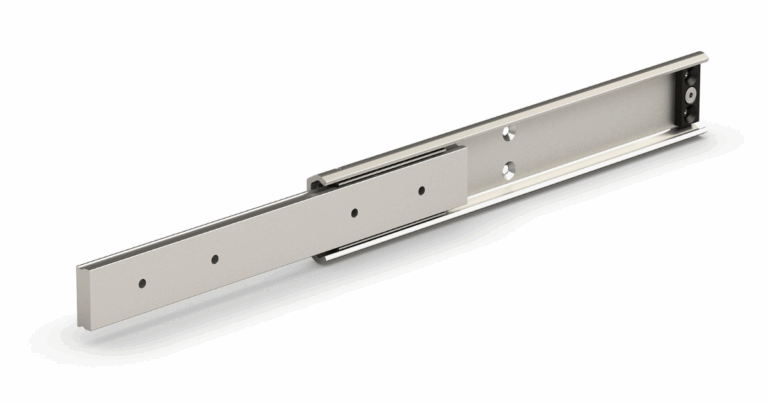
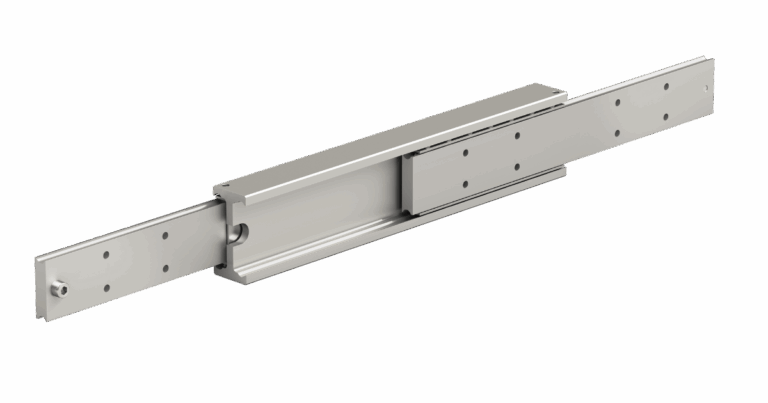
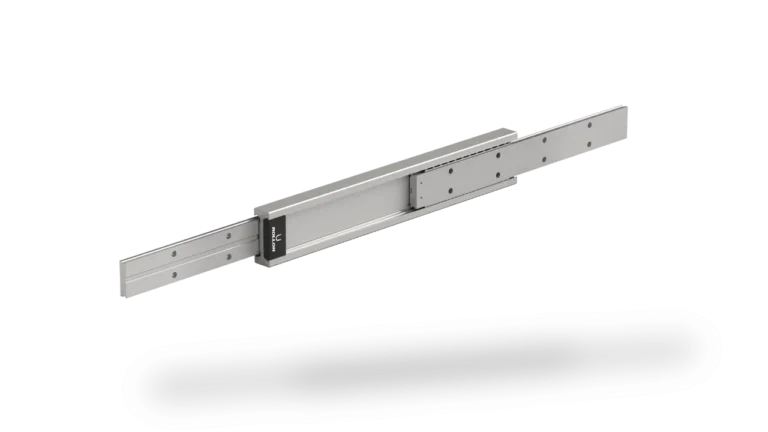
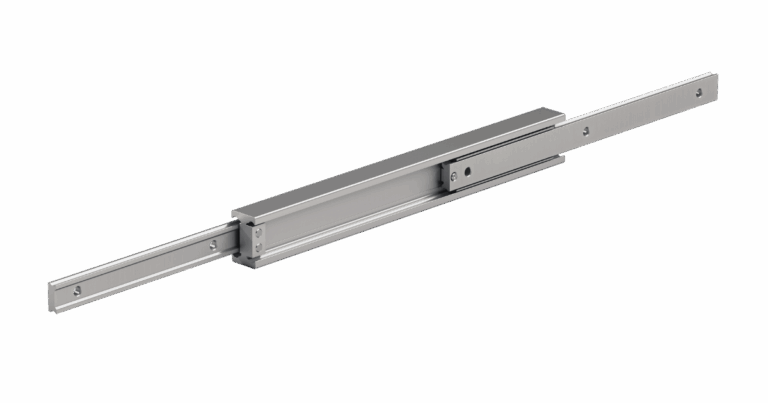
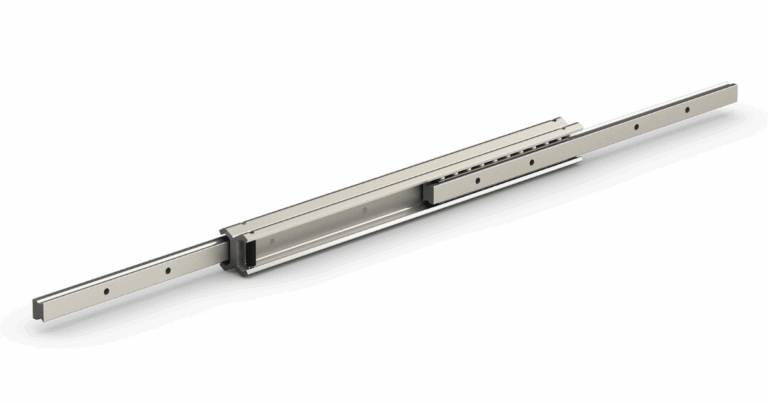
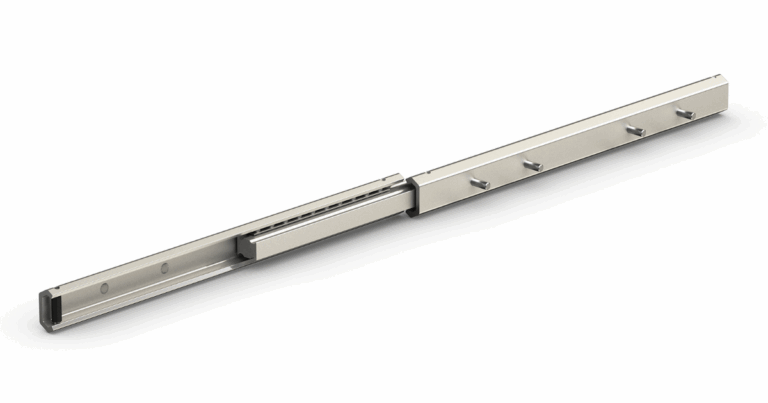
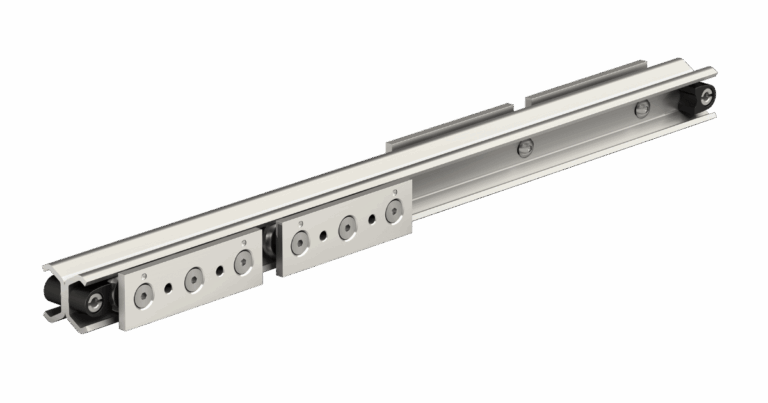
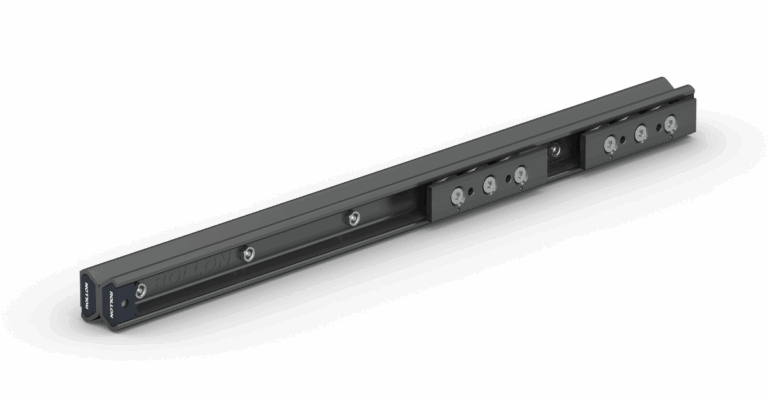
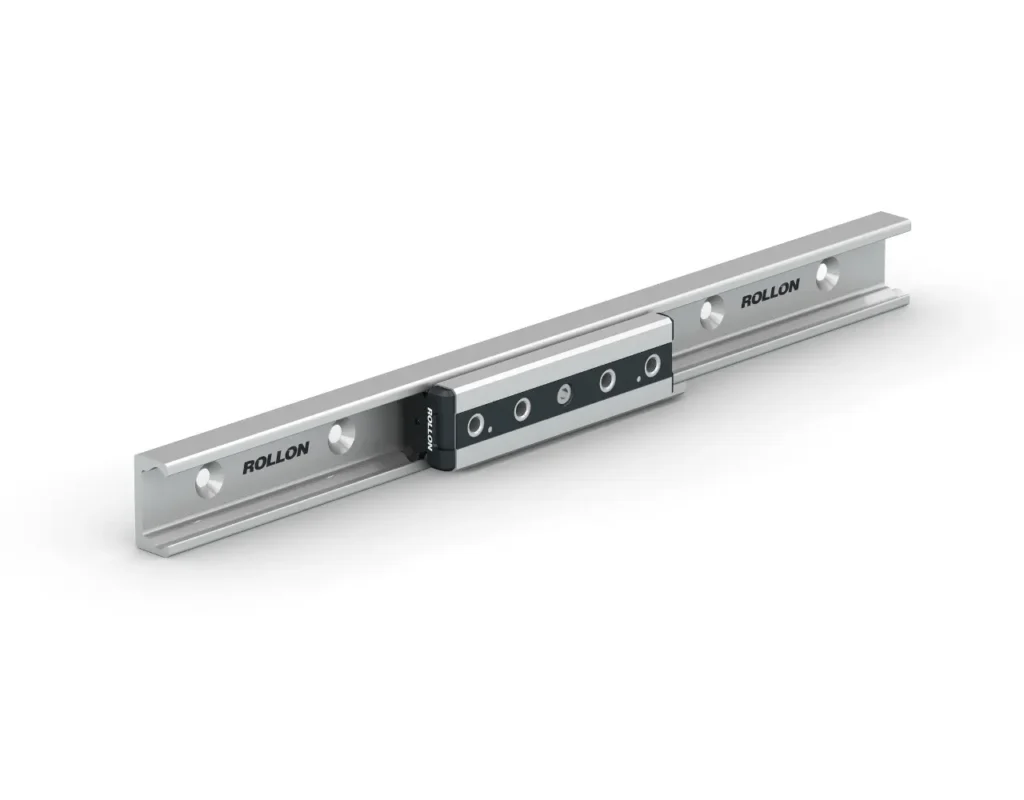
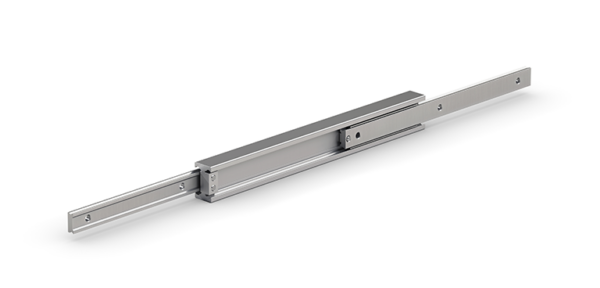
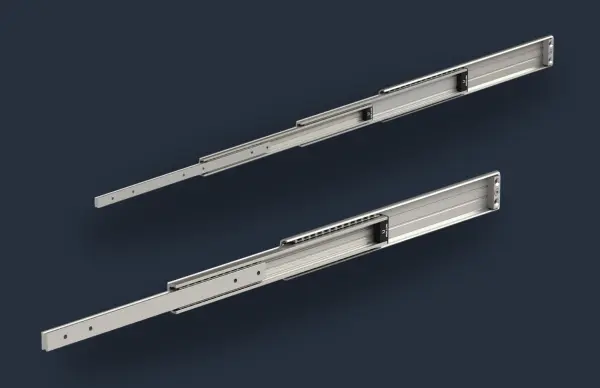
Rail vehicles commonly house electrical and mechanical systems on heavy-duty trays supported by industrial telescopic guides. These systems can include battery banks for electric trains, HVAC units, converters, generators, compressors, and a wide range of auxiliary electrical and mechanical equipment.
Telescopic guides allow maintenance personnel to manually pull these systems out for inspection, replacement, recharging, cleaning, or repair while the train is stationary, and then safely return and secure them before the next journey.
However, railway applications rarely allow for a one-size-fits-all solution. Telescopic guides must support not only the weight of the equipment itself, but also the significant static and dynamic loads generated by train movement, braking, vibration, and shock. At the same time, they must enable a single operator to safely extend and retract very heavy equipment. This requires dimensional stability and resistance to binding, even when guides are fully extended and supporting cantilevered loads.
Environmental conditions add further complexity: depending on the vehicle and its operating routes, telescopic guides may be exposed to extreme temperatures, dust, sand, snow, and other challenging conditions.
These diverse operational requirements mean that selecting the right telescopic guide involves much more than matching a load rating to an application. This whitepaper explores the key considerations involved in specifying telescopic guides for railway-maintenance systems and examines how different design approaches can address the unique challenges of rolling-stock applications.
The role of telescopic solutions in rail maintenance systems
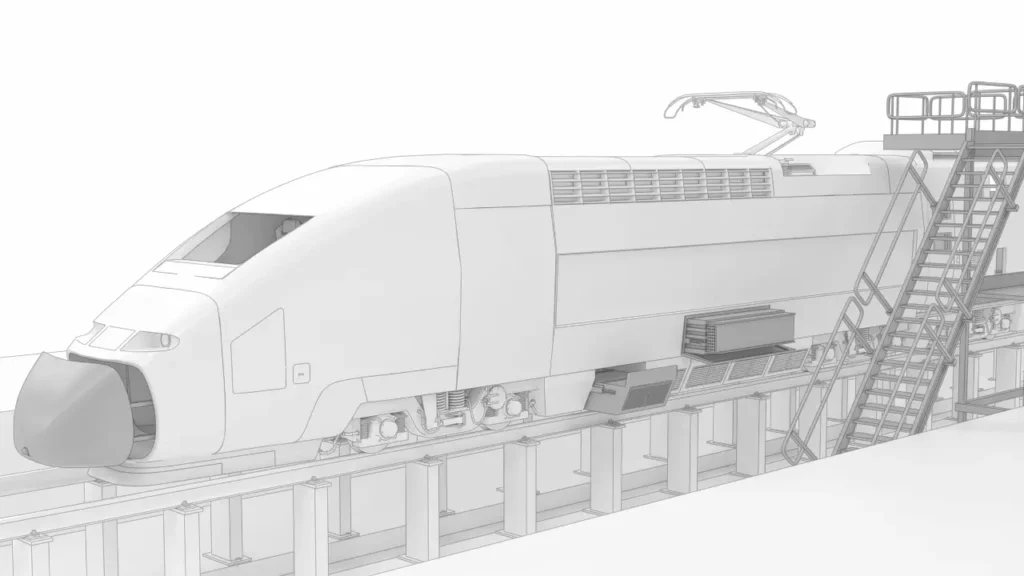
Behind the many cutouts and access doors on a train are pieces of equipment on industrial-grade pull-out trays that ride on telescopic guides. © Rollon
Many maintenance-critical systems in modern rail vehicles are mounted on pull-out trays supported by telescopic guides, allowing safe and efficient access for inspection, servicing, and replacement.
One prominent example is the starting-battery system used in some electric trains. These battery banks provide the initial energy required to start and power the locomotive before it is connected to the catenary or electrical network. They are large, heavy components that require regular inspection, cleaning, and replacement throughout their service life.
Railway personnel may rely on forklifts to remove battery assemblies for maintenance. However, forklifts are not always readily available and often struggle to operate in the confined spaces typical of stations and maintenance depots. At the same time, maintenance windows are usually very limited. For example, metro trams may return to the depot after 1:30 a.m. and re-enter service as early as 4:00 a.m., leaving little time for servicing activities.
For these reasons, it has become common practice to mount battery boxes on heavy-duty telescopic guides, significantly improving maintenance efficiency. Operators can quickly extend the battery assembly from the car body, carry out the required work, and return it to its operating position without the need for additional lifting equipment. The same principle applies to HVAC systems installed beneath the train floor or within the car body structure.
Telescopic guides also support a variety of other railway applications. In some tram designs, they allow nose cones to slide laterally, providing maintenance personnel with access to earthing switches and other internal equipment. They are also used in storage compartments accessed through side doors or body panels.
Engineering considerations for railway maintenance systems
While applications differ in function, they share a common requirement: providing reliable, safe, and efficient access to equipment in environments where space is limited and downtime must be kept to a minimum. Achieving this requires careful attention to several design and operational factors.
Want to know more? Unlock the full whitepaper now to explore all the technical factors to consider when selecting telescopic guides.