 Linear guides
 Linear actuators
 XP Xtrem Position
 Rod ends
 Telescopic rails
 Multi-axis
 XL Xtrem Load
 Spherical plain bearings
 Curved guides
 Robot transfer units
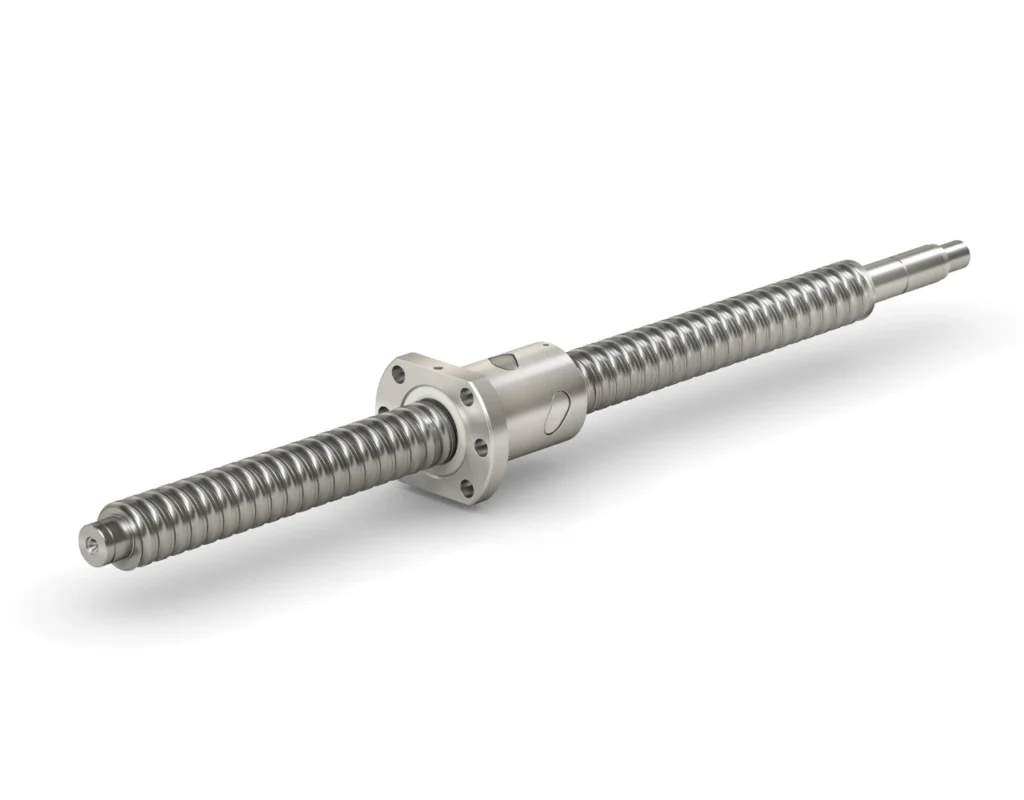 XT Xtrem Transport
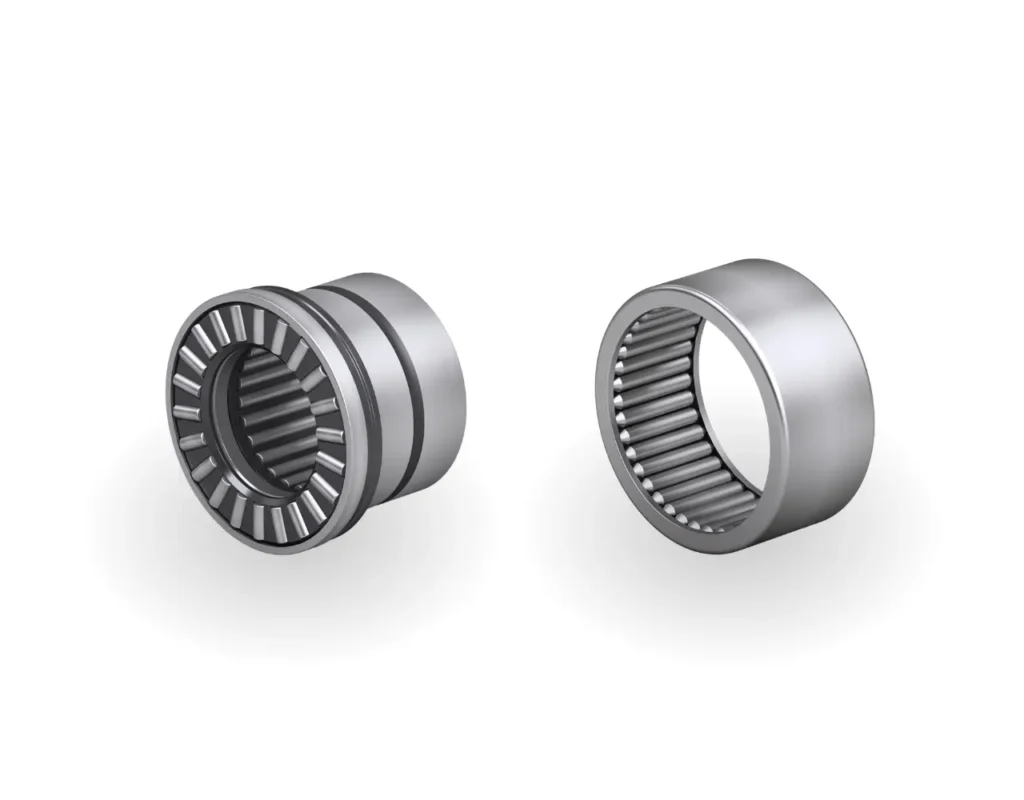 Needle roller bearings
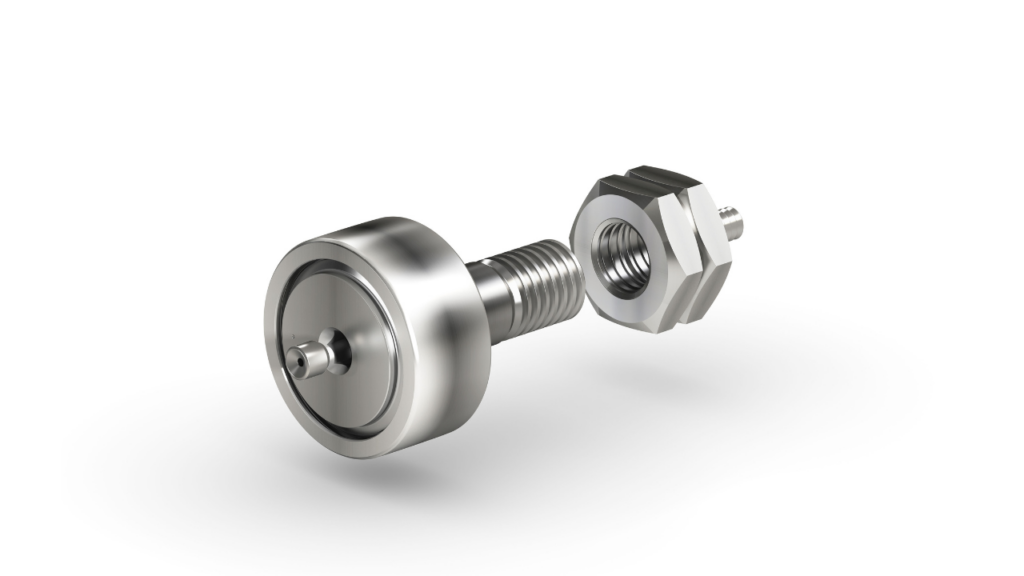 Cam followers
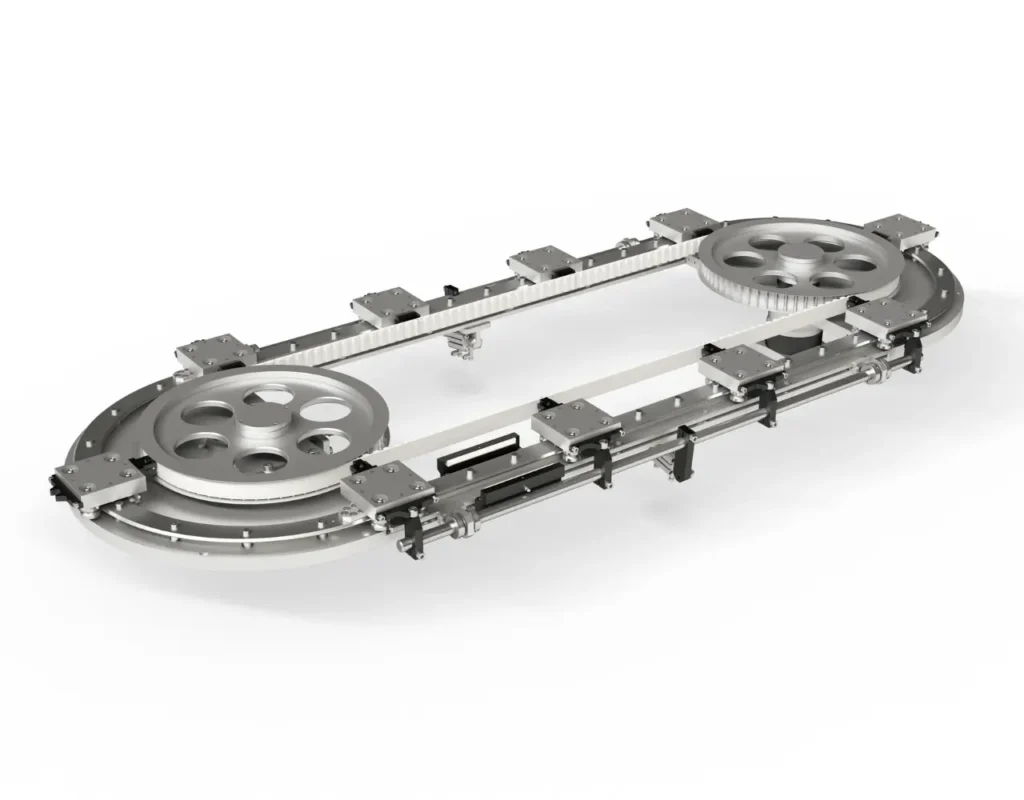 Circular systems
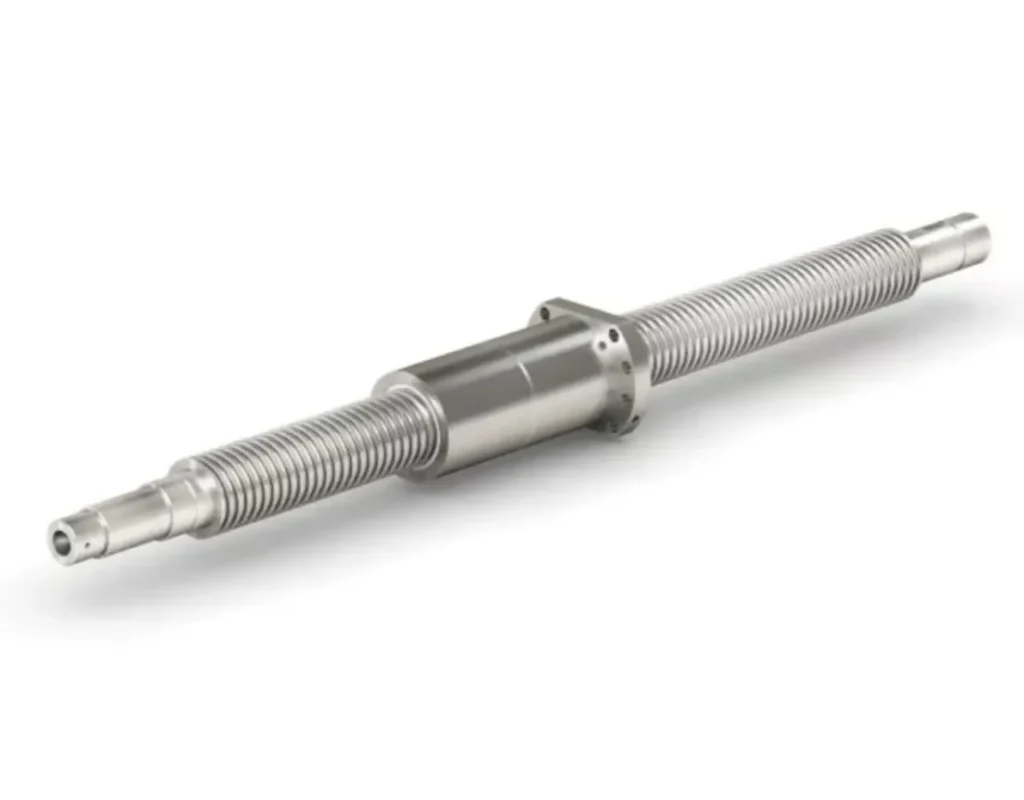 Rollon RB
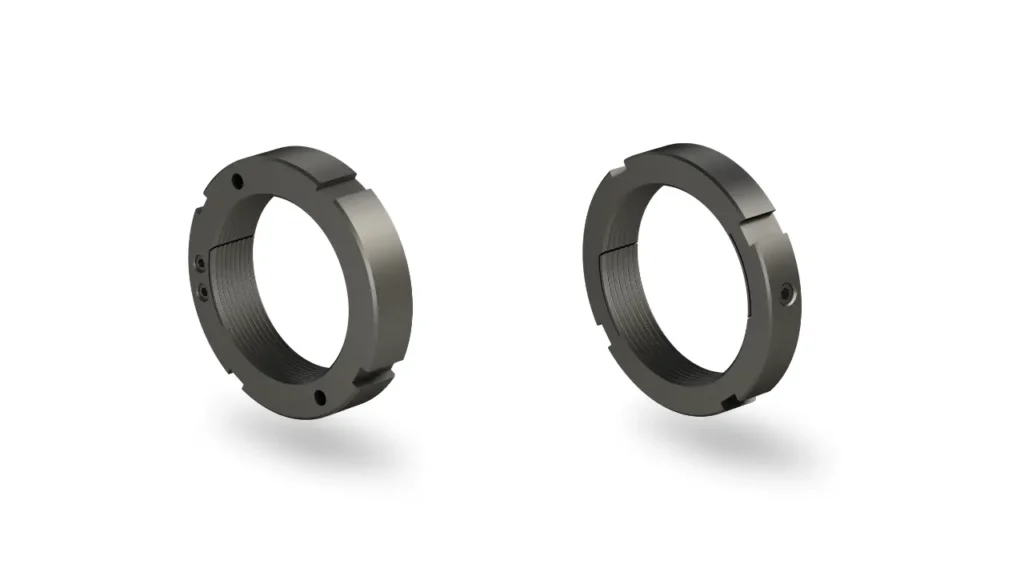 Locknuts and rings
 Aerospace
 Contract & Building
 Electronics
 Food & Beverage
 Industrial machinery
 Healthcare
 Machine tool
 Material handling
 Packaging
 Railway
 Robotics & Automation
 Special Vehicles


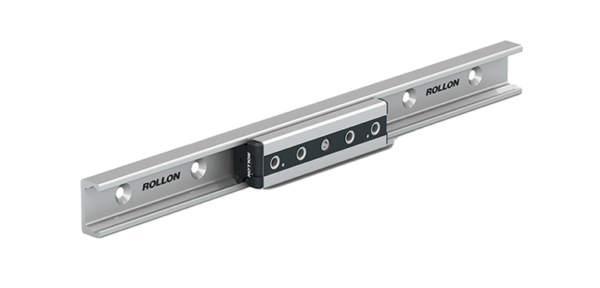
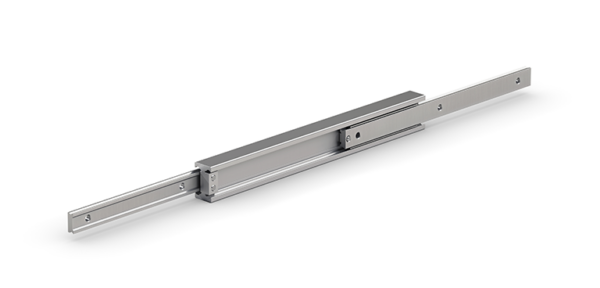
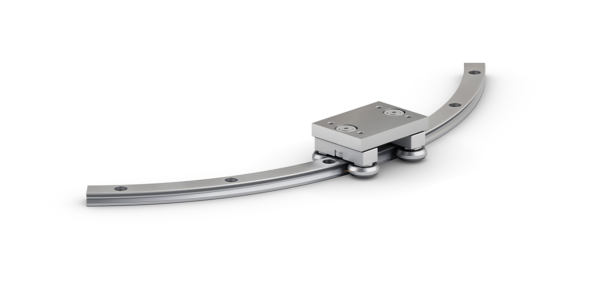
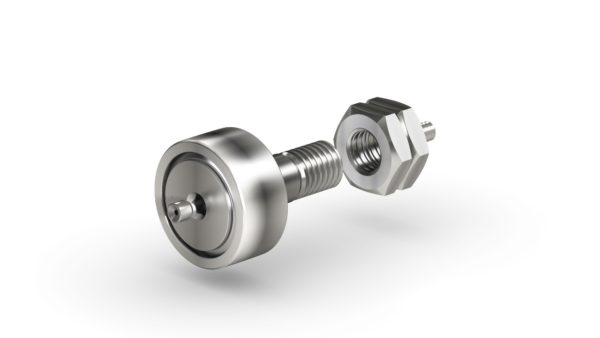
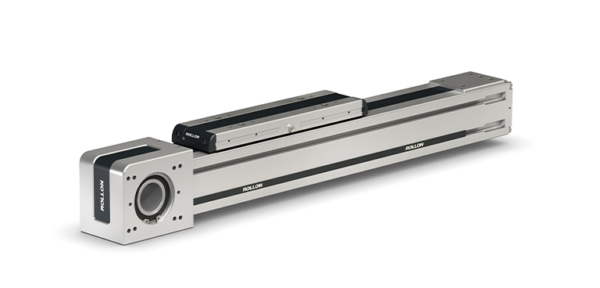
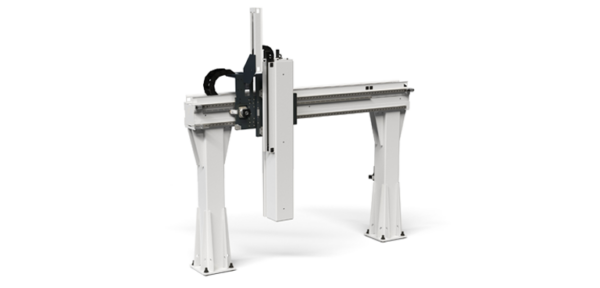
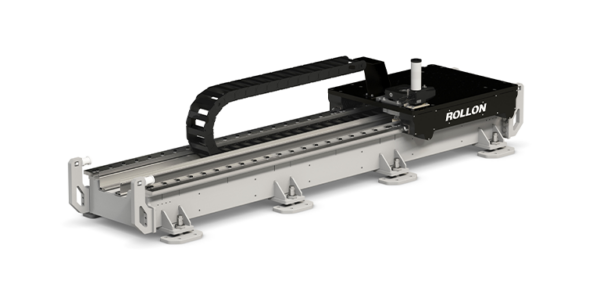
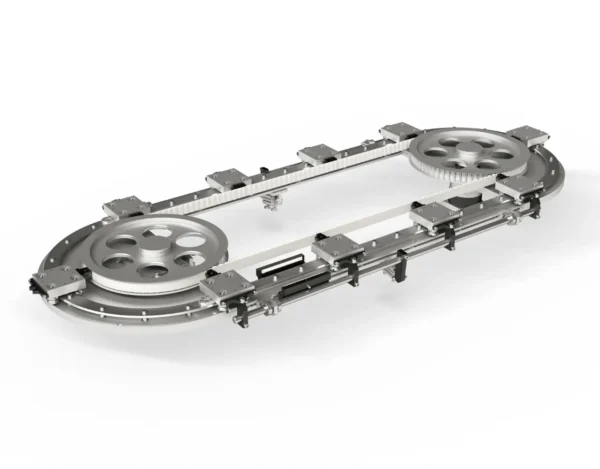














In many industrial machines, the quality of the final product depends directly on how accurately a component can move, position and repeat its motion over time. When loads are cantilevered, strokes are long and duty cycles are high, choosing the right precision linear slides and telescopic systems becomes critical. The wrong design might seem acceptable at first, but can quickly lead to excessive deflection, bearing wear and loss of linear motion accuracy.
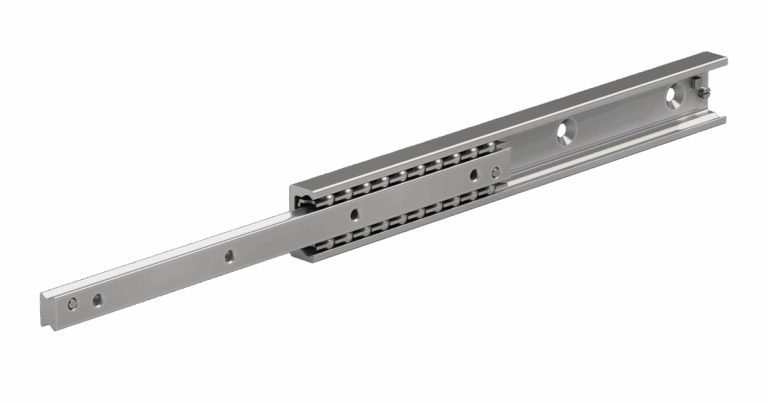
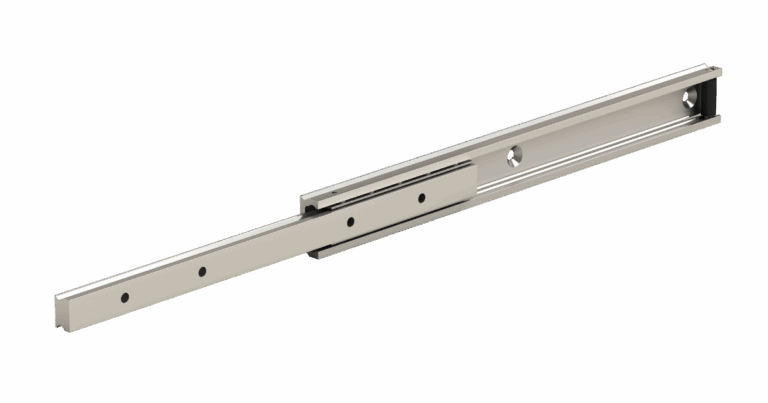
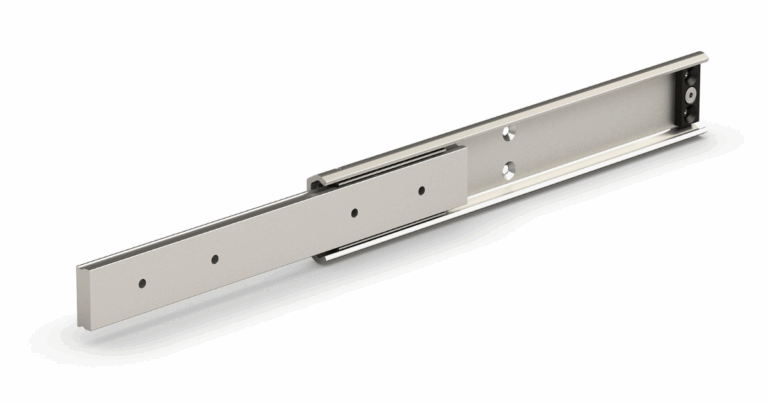
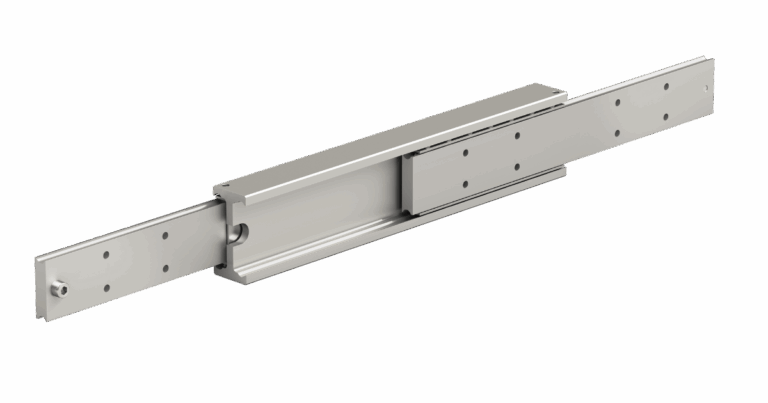
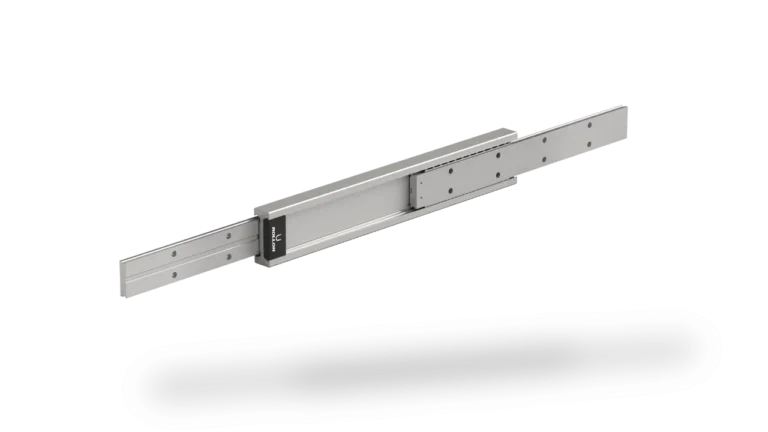
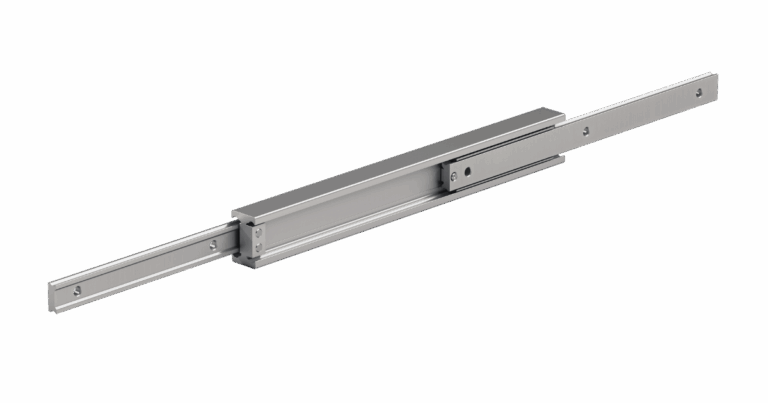
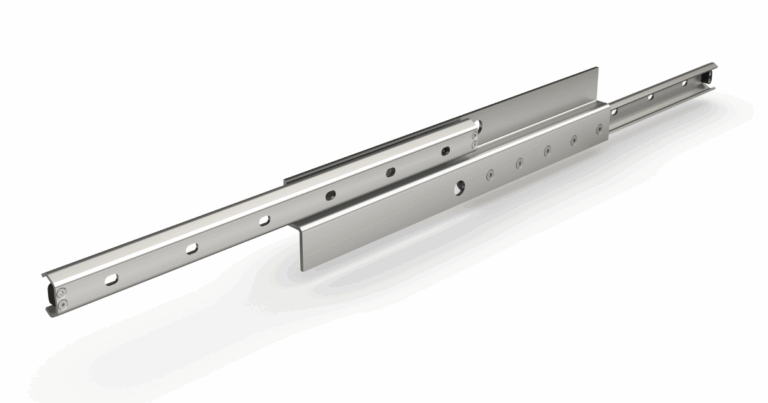
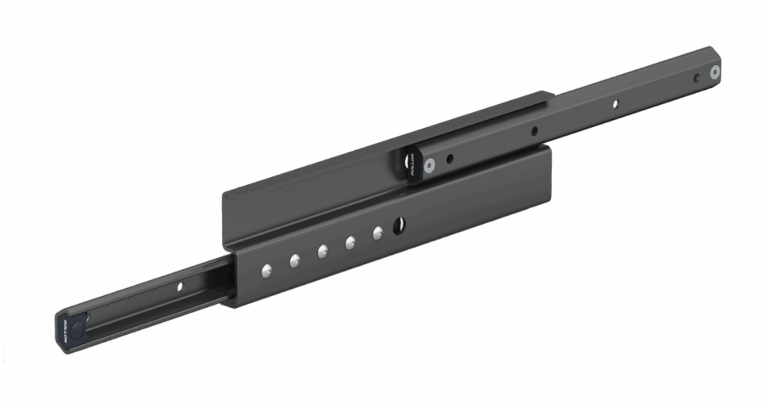
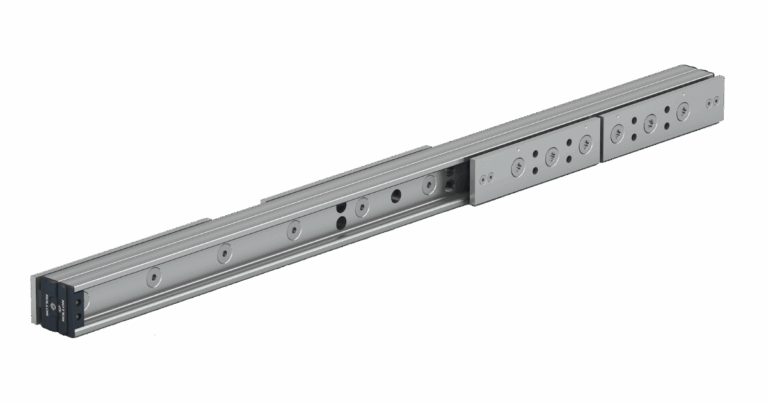
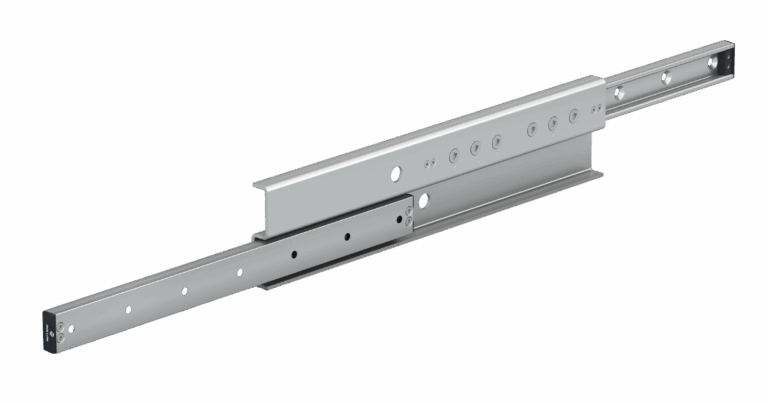
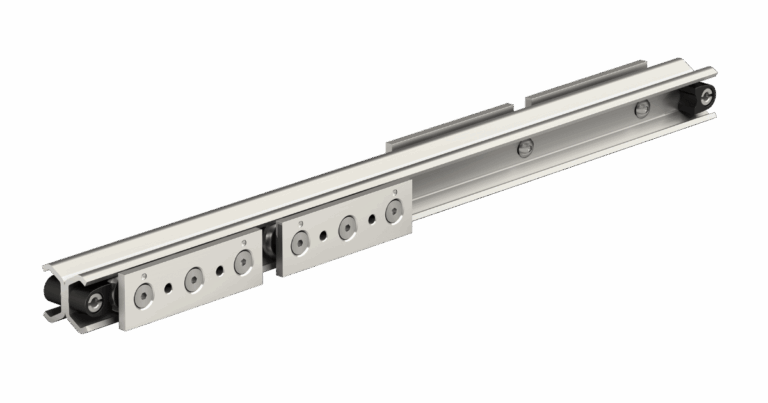
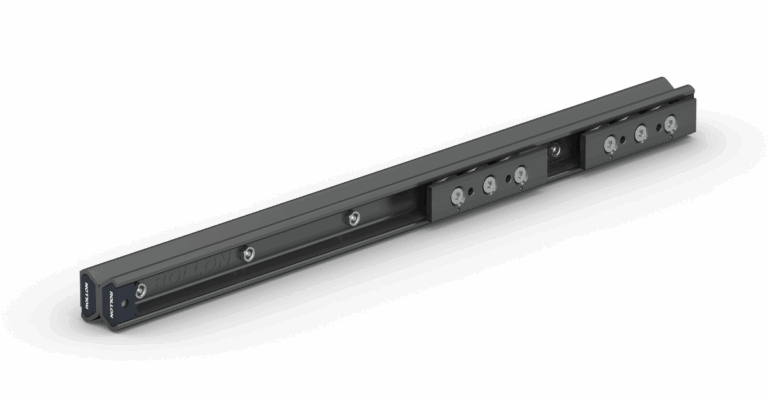
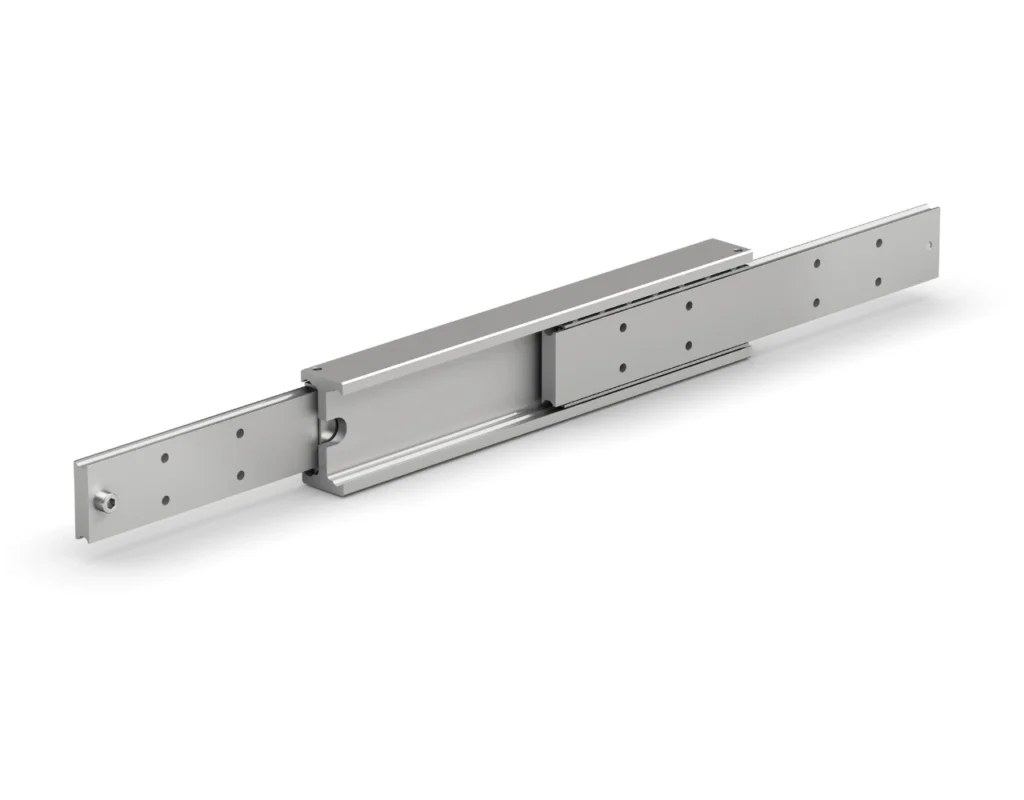
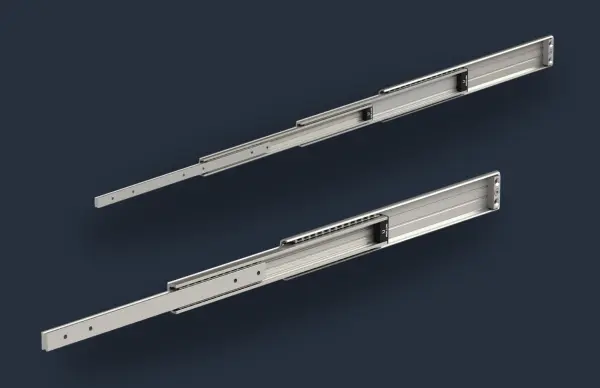
Rollon develops high precision linear slides and Telescopic Rails specifically to address these challenges. By focusing on bearing construction, raceway design and deflection control, these systems are engineered to provide robust support for unsupported loads, while maintaining consistent performance over long service lives.
The Importance of Linear Motion Accuracy in Industrial Applications
In automated production lines, assembly systems, packaging equipment and process machinery, motion is rarely just “back and forth.” In these contexts, linear motion accuracy is not only about the nominal positioning error on day one, it is also about how well the system maintains that accuracy as loads, vibrations and environmental factors accumulate over time.
When designers try to achieve long strokes by cantilevering loads on standard guides and rails, the result can be overloading at the support points, excessive bending and premature bearing wear.This is particularly problematic in applications where the load is heavy or off-centre, such as sliding platforms, tooling drawers, loading stations or pick-and-place extensions.
Selecting telescopic rails that are specifically designed for unsupported loads helps to control deflection and maintain the geometry of the motion system. Hardened materials, carefully ground raceways and optimized profiles contribute to stable, reliable movement, which in turn supports consistent product quality, reduced downtime and lower maintenance costs.
Key Factors That Influence Precision and Durability
Choosing high precision linear slides that will remain accurate and durable over many years means looking beyond basic dimensions and load ratings. Some of the most influential aspects include bearing construction, raceway design, material properties, environment and the type of load case the slide will see in real operation.
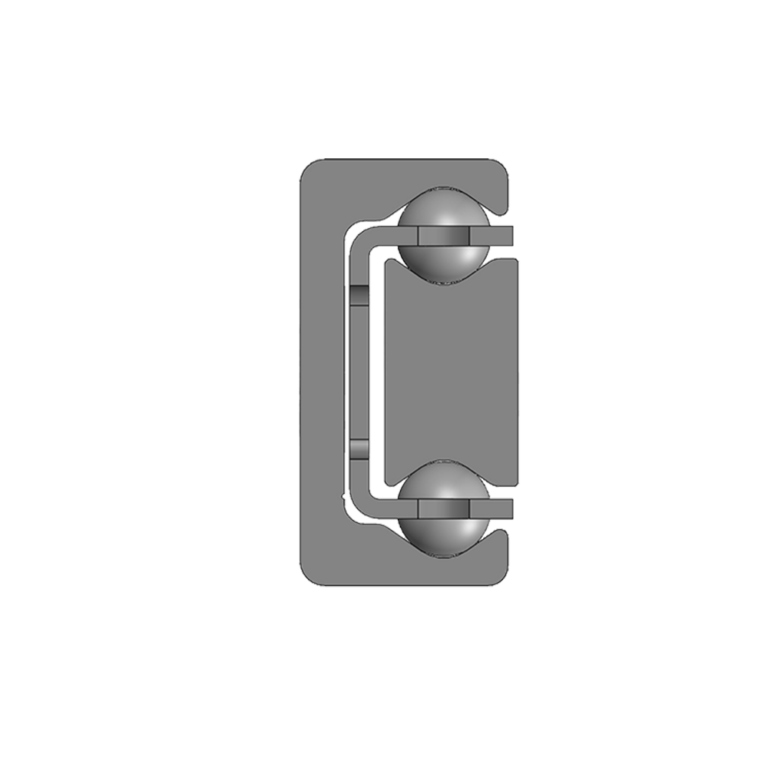
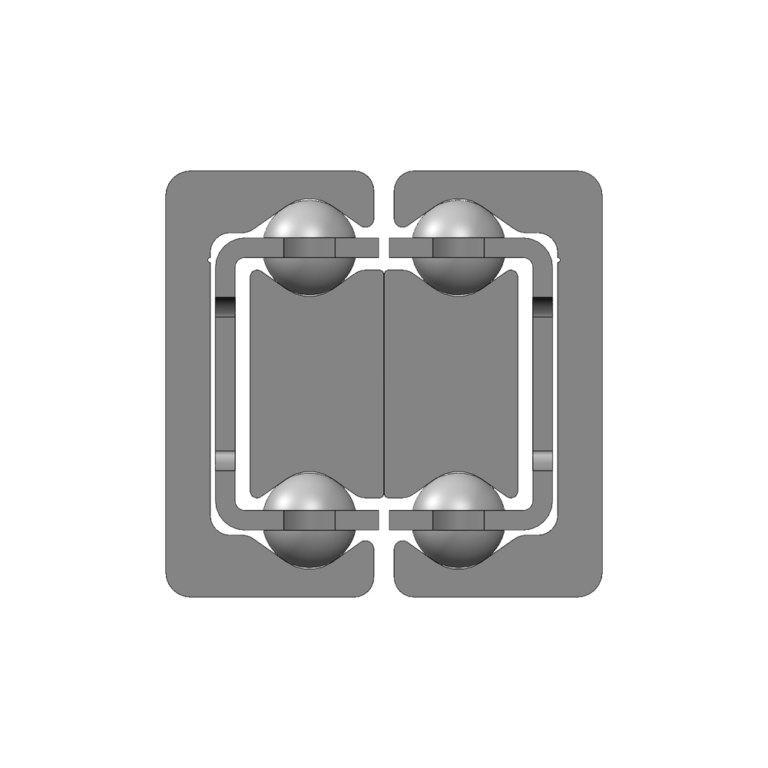
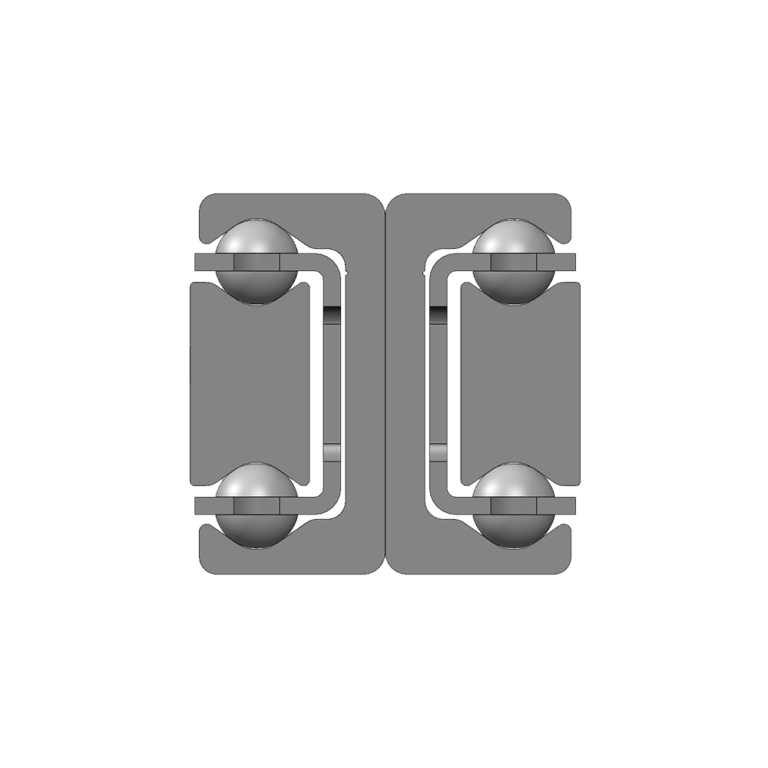
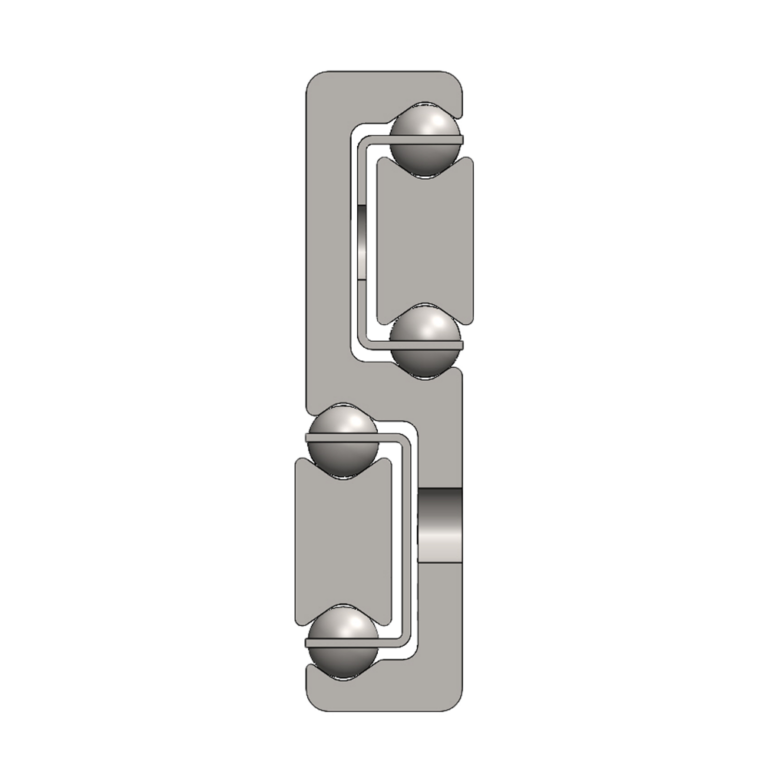
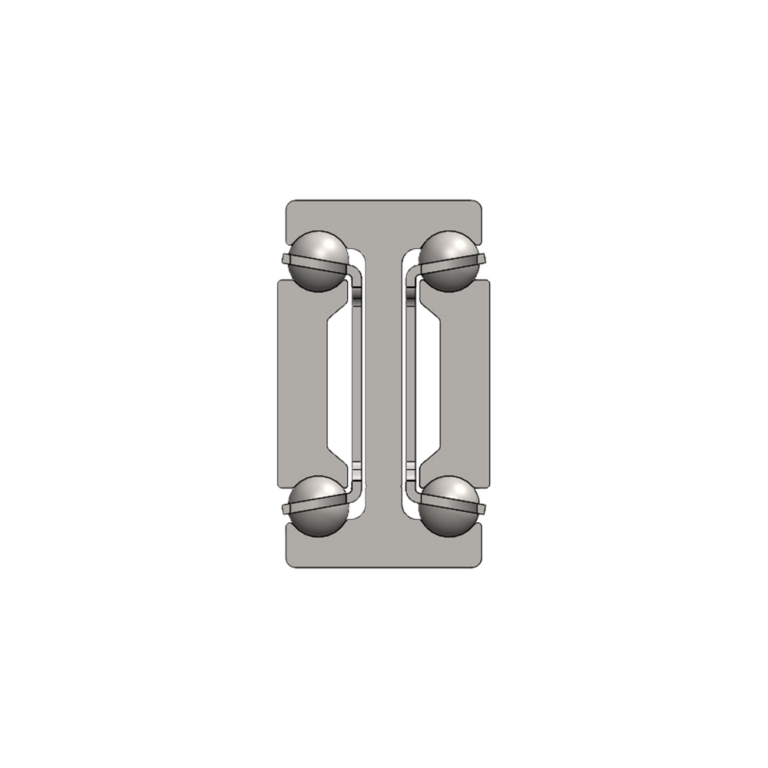
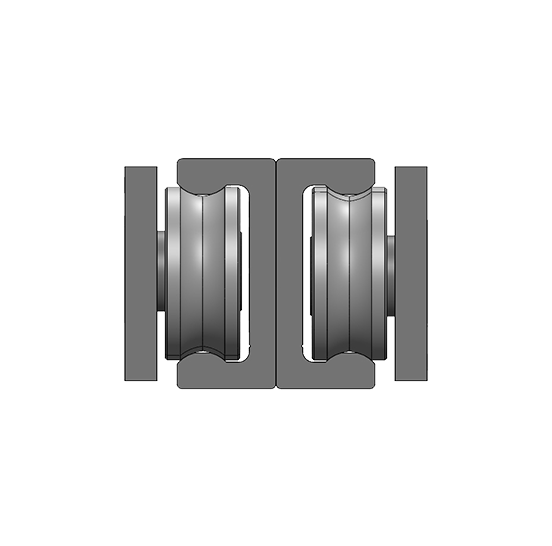
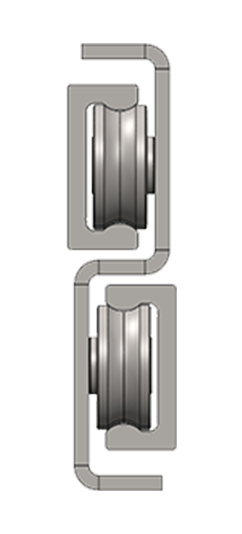
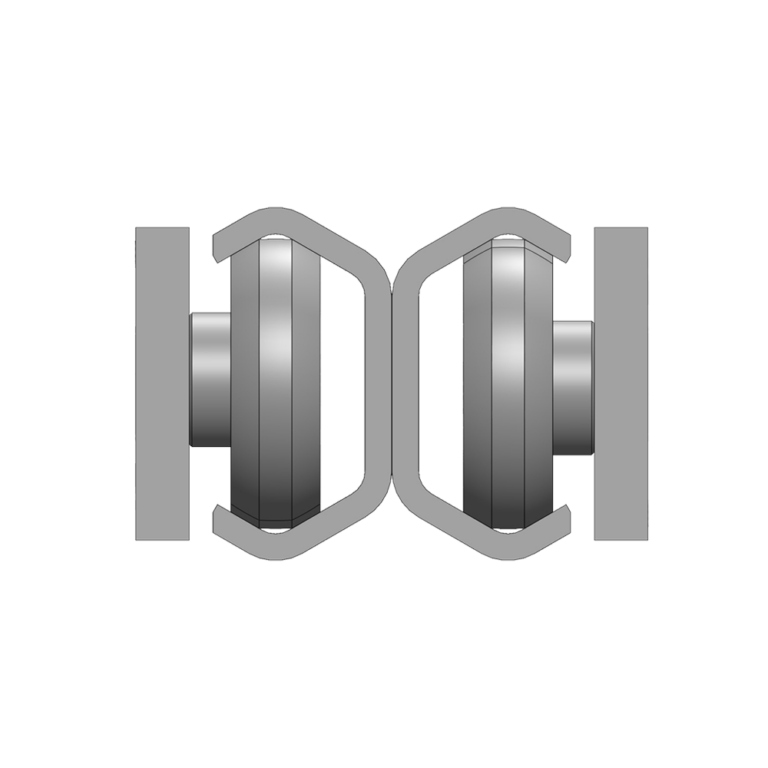
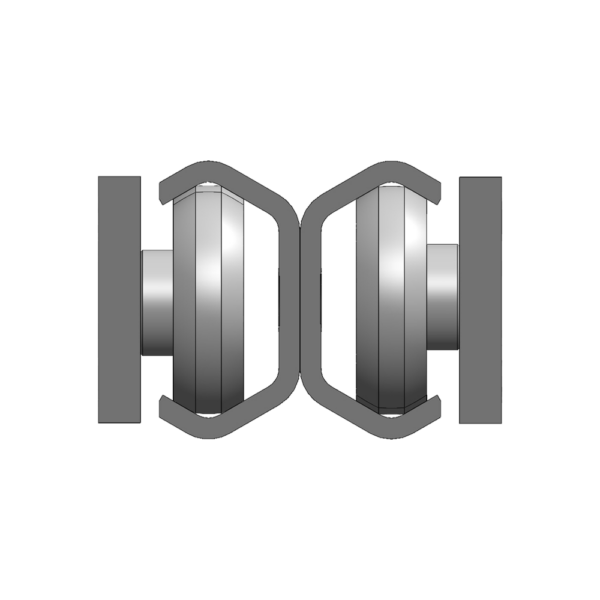
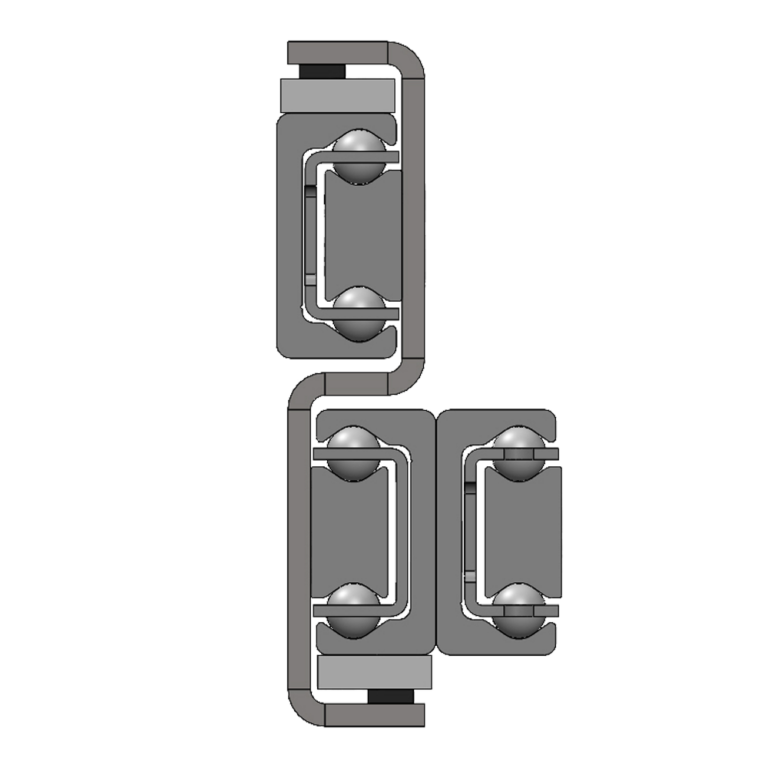
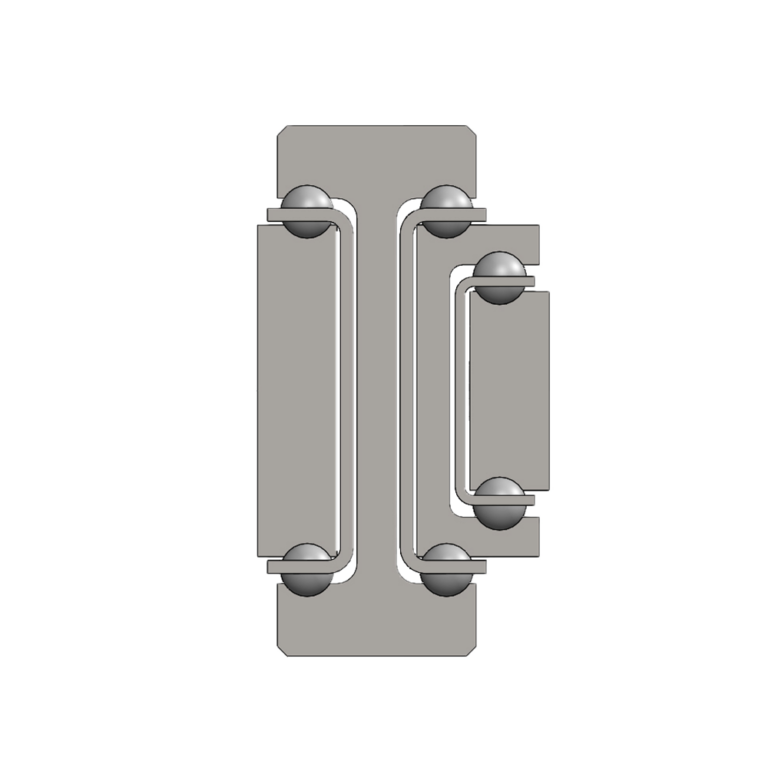
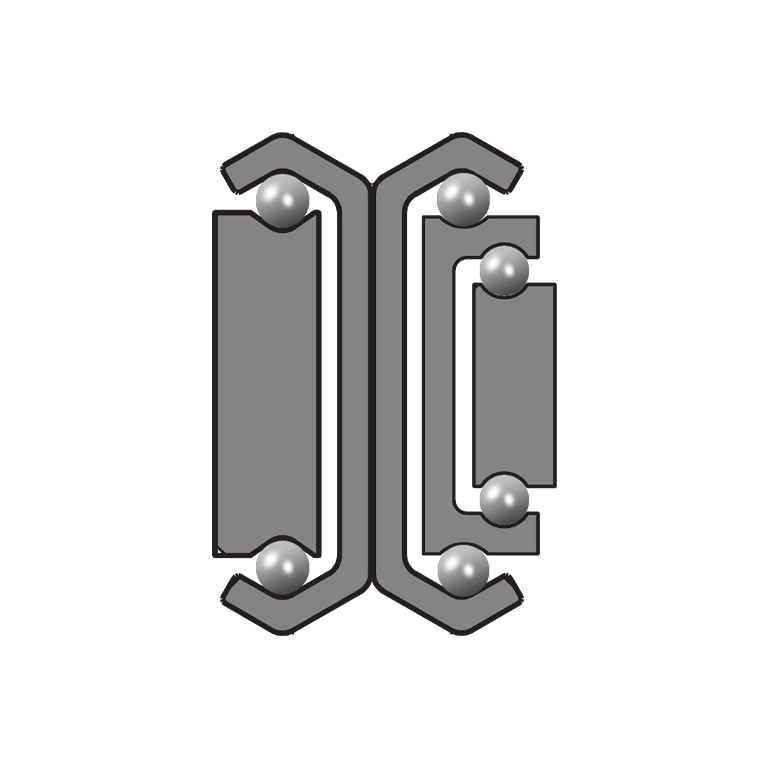
Telescopic rails used for industrial applications typically benefit from bearing elements made of hardened, cold-drawn carbon steel. This construction allows the slide to carry higher loads and resist vibration and shocks more effectively than aluminium or thin stamped steel solutions commonly used in office or light-duty applications.
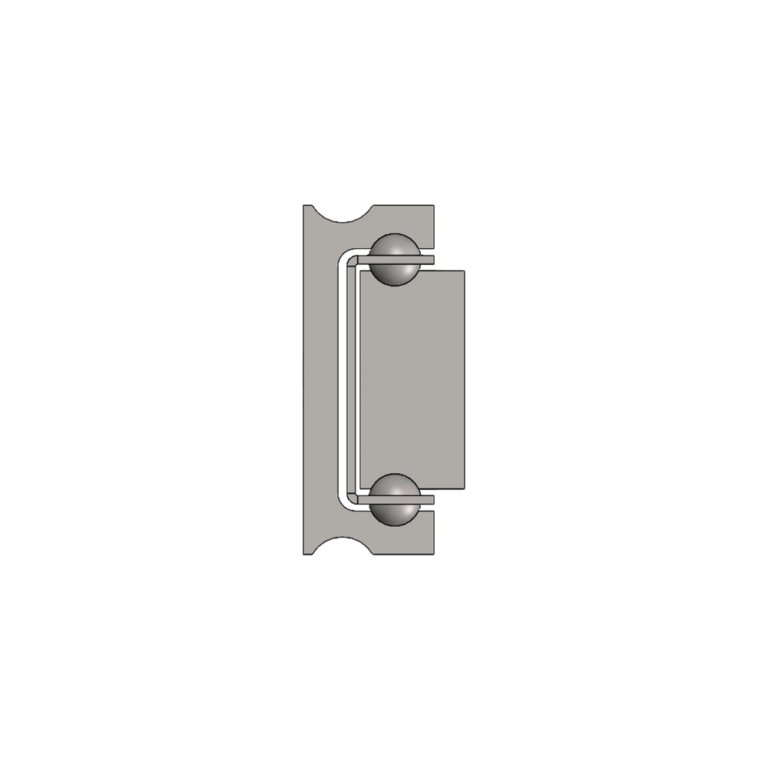
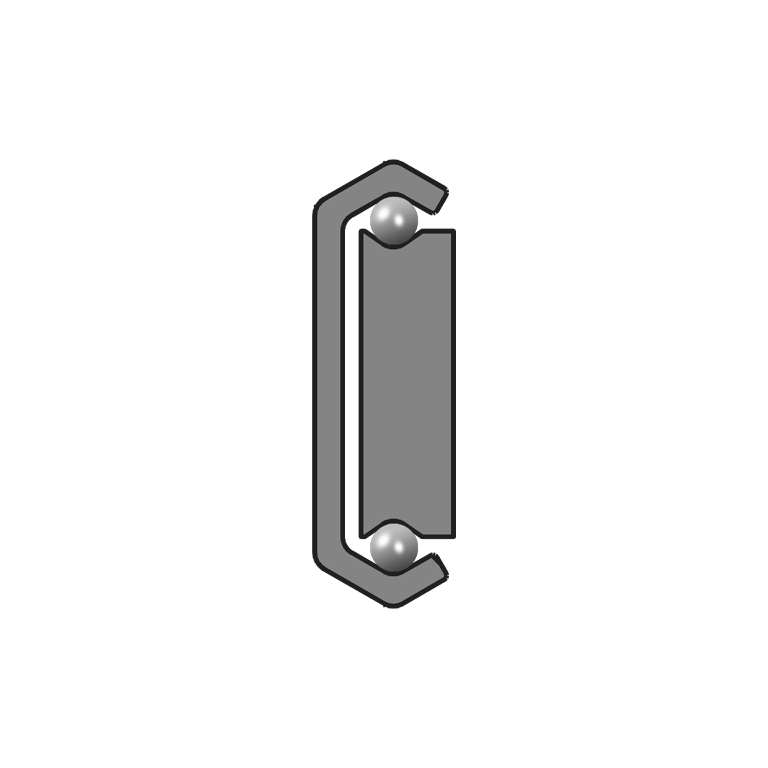
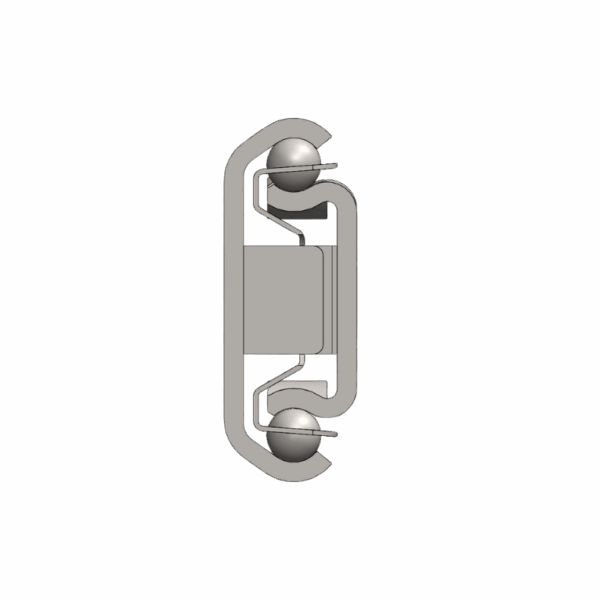
The raceways, where rolling elements actually contact the rail, are especially important for long-term linear motion accuracy. Induction-hardened raceways with high surface hardness help resist brinelling and surface damage, while precision grinding to small tolerances ensures smooth, predictable motion and minimal play
Duty cycle and environment also play a major role. A telescopic system that moves occasionally under light load can be less demanding than one that cycles continuously in a factory with high vibration and contamination. Selecting precision linear guides for industrial use usually means verifying not only static and dynamic load capacities, but also evaluating life expectancy under the actual load spectra and operating conditions.
Load Cases and Their Impact on Telescopic Slide Performance
In many applications, telescopic rails support loads that are not symmetrically distributed. A drawer or platform might be heavily loaded at the front, or a fixture may extend far beyond the last support point. These overhanging, or cantilevered, loads create bending moments that can be much more critical than the simple mass of the payload suggests.
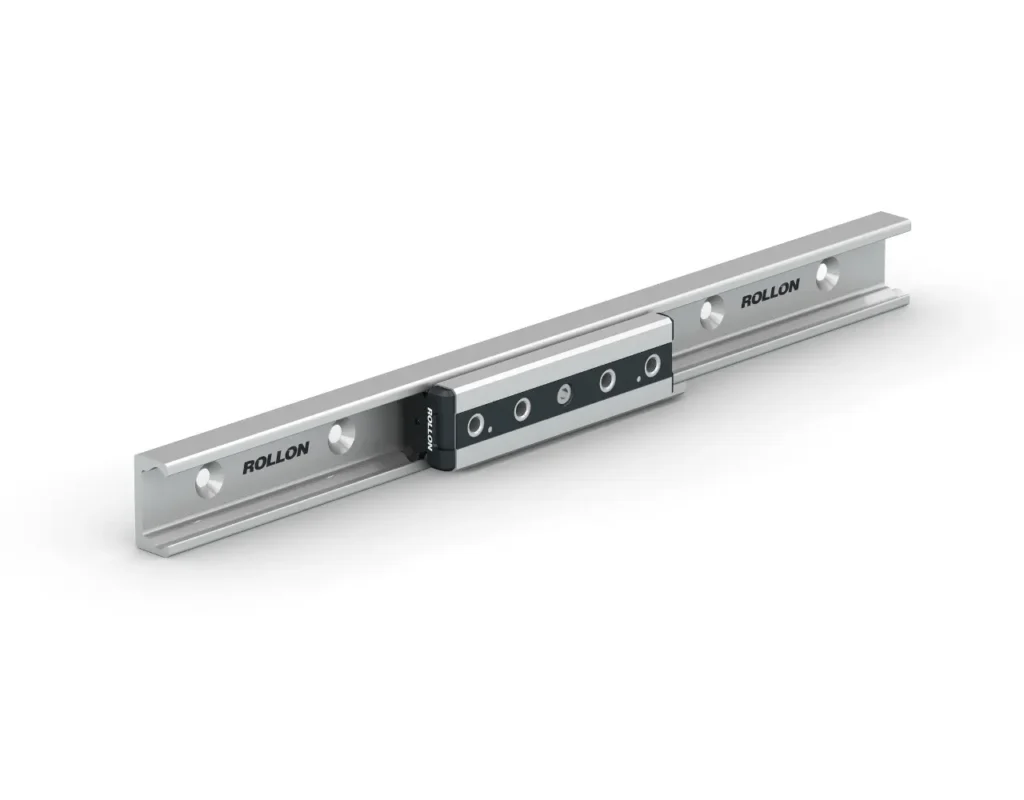
If a slide is not designed for such load cases, localized overstress can occur in the bearings and raceways, accelerating wear and leading to loss of accuracy or even failure. This is one of the reasons why industrial designers often prefer Rollon Telescopic Rails for demanding, unsupported load applications. Their profiles and bearing arrangements are developed to control bending and distribute forces more evenly along the raceways, which helps maintain alignment and smooth motion at full extension.
When selecting precision linear slides for a project, it therefore makes sense to examine not only the vertical load but also the moment loads (pitch, yaw and roll) created by the payload geometry. Using manufacturer data that specify permissible moments and combining that information with real load conditions allows the designer to choose a slide that will operate within its safe envelope throughout its life.
Managing Deflection for High Precision Linear Slides
Deflection, meaning the amount a slide bends under load, is closely linked to linear motion accuracy. In some applications, a small, predictable deflection may be acceptable while in others, especially when precise alignment with other machine elements is required, even a slight deviation can cause problems.
The stiffness of a telescopic rail depends on material properties, profile geometry, bearing arrangement and stroke length. This is a key reason why slides designed for furniture or office use are rarely suitable when the goal is to achieve high accuracy in industrial conditions.
To manage deflection effectively, designers can take several approaches. They might select a heavier or stiffer series of high precision linear slides, choose a larger rail size, shorten the stroke if possible, or adjust the layout so that the centre of gravity of the load remains closer to the supports.
Rollon Telescopic Rails are available in different series and sizes, offering a practical way to tune stiffness to the application. By comparing deflection curves and recommended load limits provided in the technical documentation, engineers can choose a solution that satisfies both mechanical constraints and linear motion accuracy requirements.
Choosing Between Full, Partial or Over-Extension Telescopic Rails
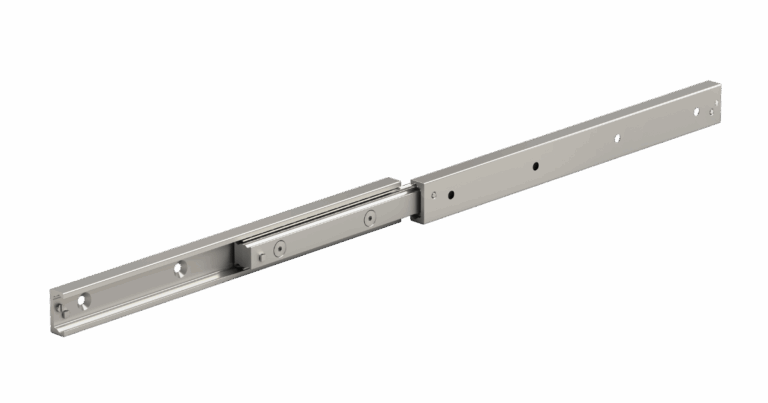
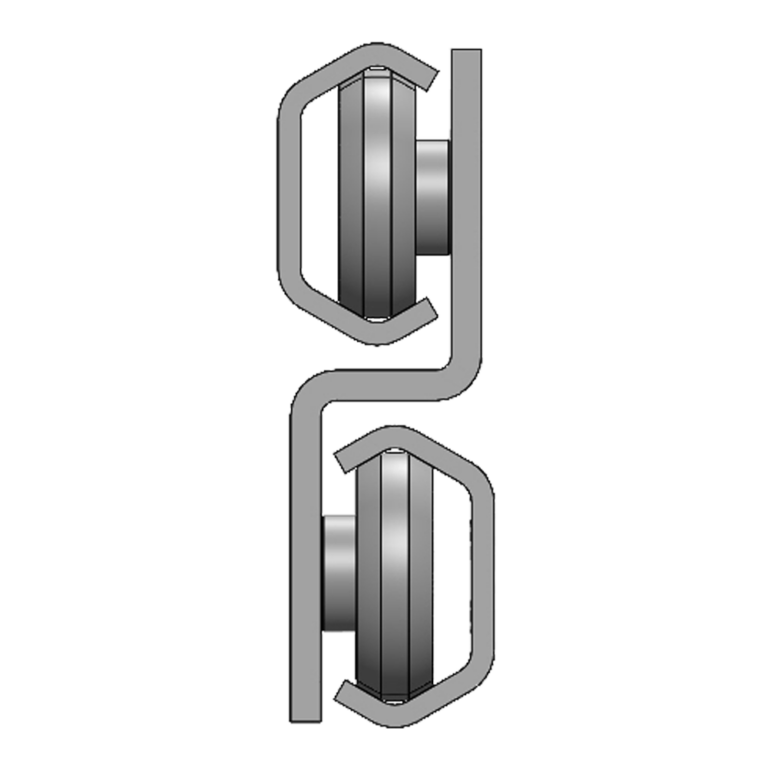
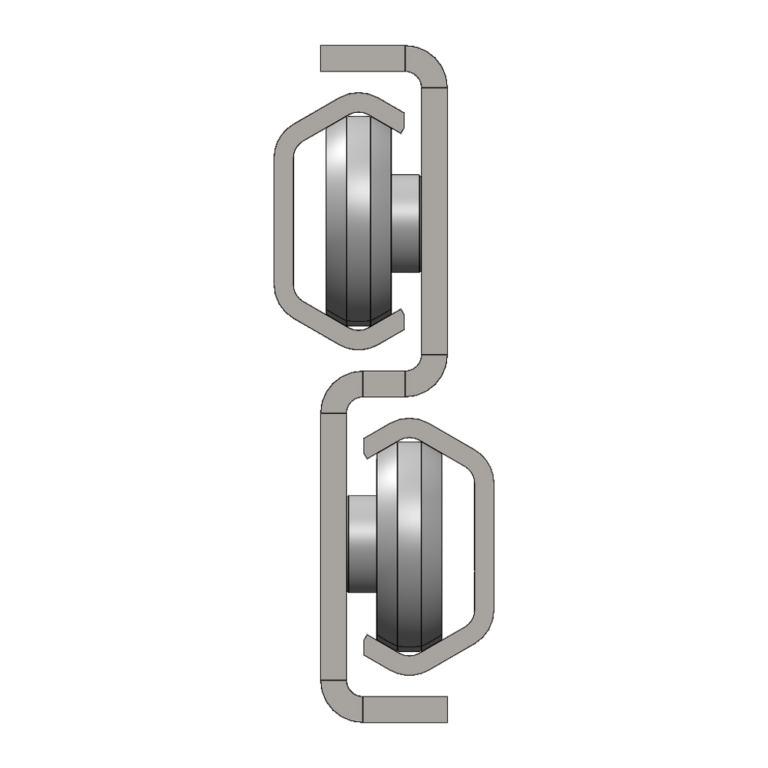
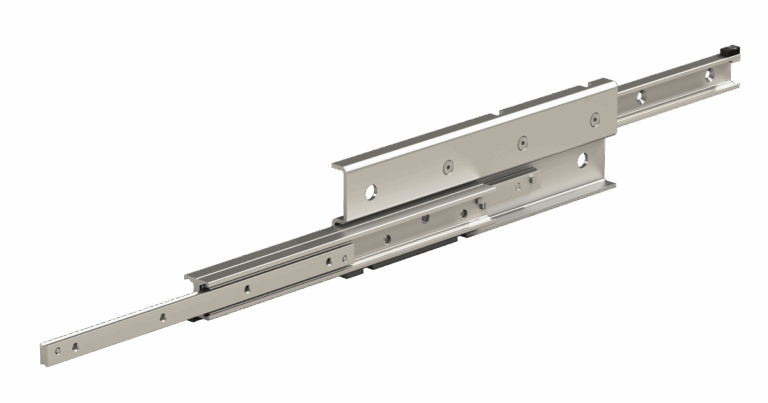
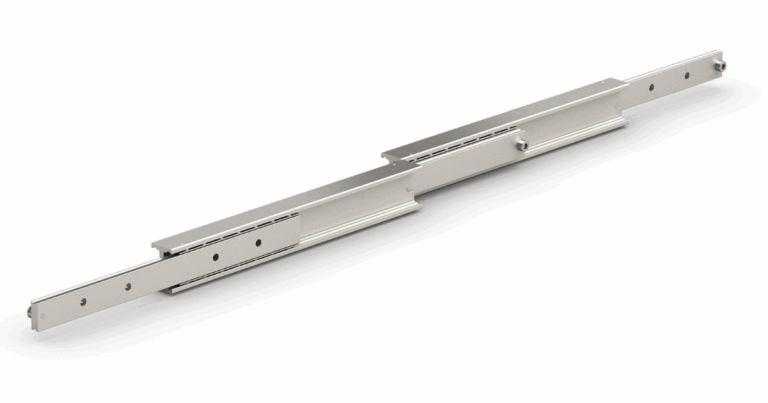
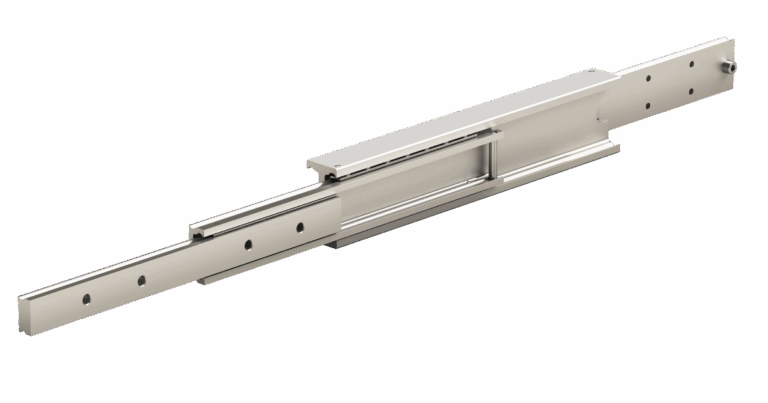
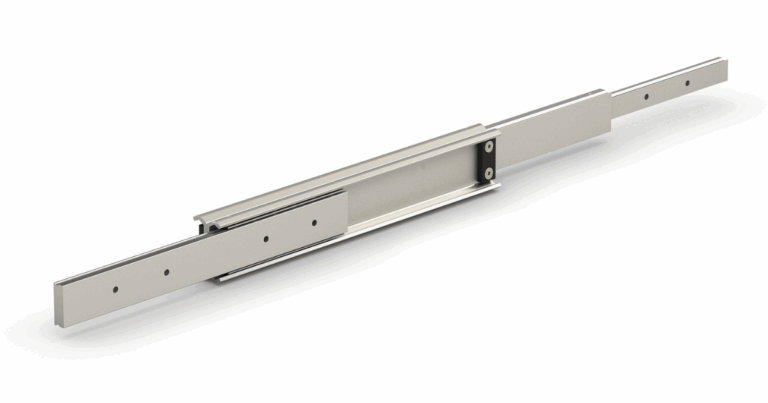
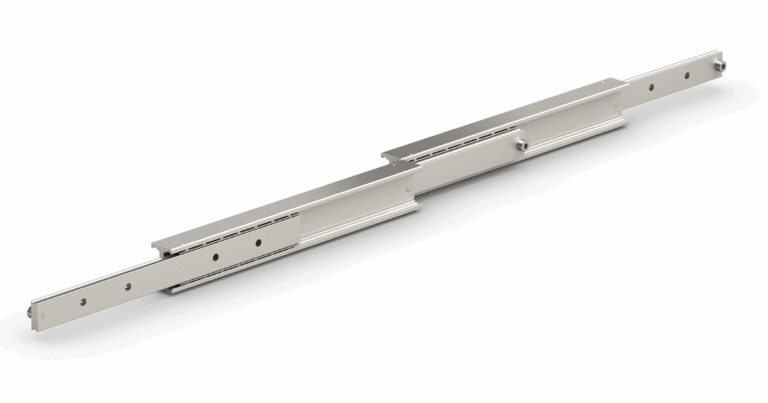
Another key decision in selecting precision linear slides for unsupported loads is the required extension. Telescopic systems can be designed for partial extension (less than 100% of the closed length), full extension (approximately equal to the closed length) or over-extension (up to around 200% of the closed length, depending on the design).
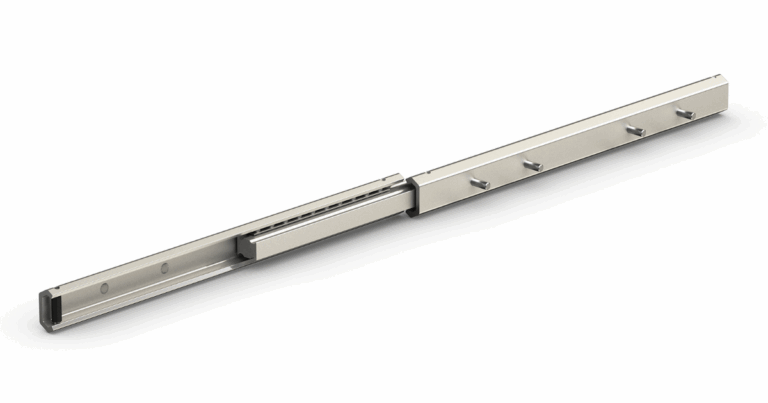
Partial extension telescopic rails may be suitable when the load only needs to move within a limited range and when maximum stiffness is a priority. They generally offer lower deflection for a given load because the centre of gravity stays closer to the supports.
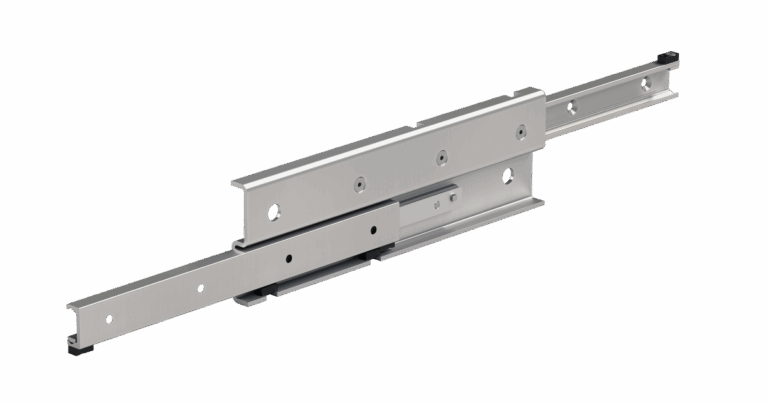
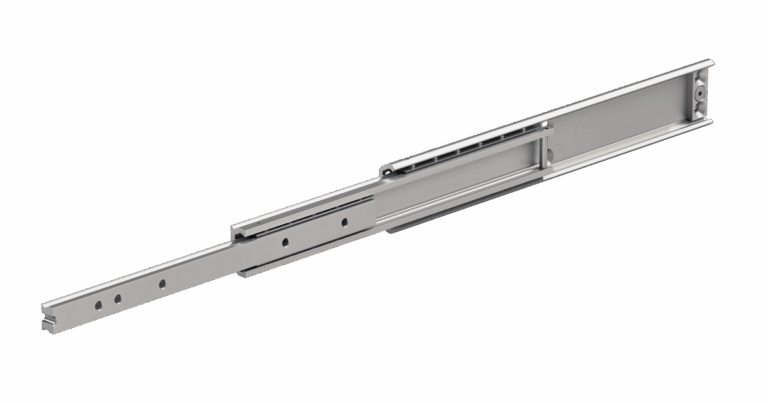
Full extension telescopic rails are often chosen when a drawer, tooling plate or module must be pulled completely clear of the surrounding structure. This is common in industrial machines where maintenance access and operator visibility are important.
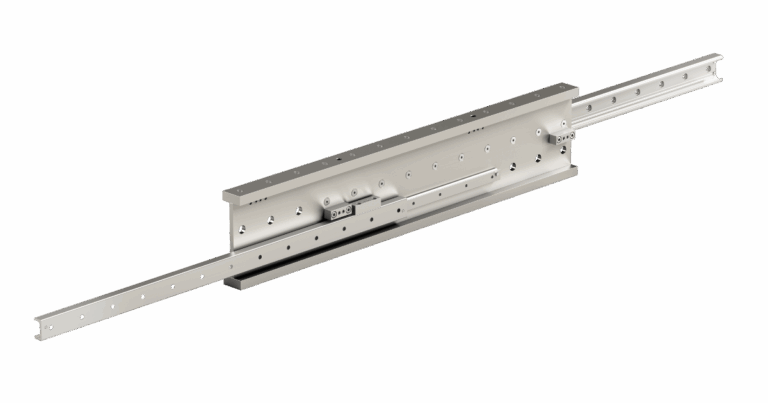
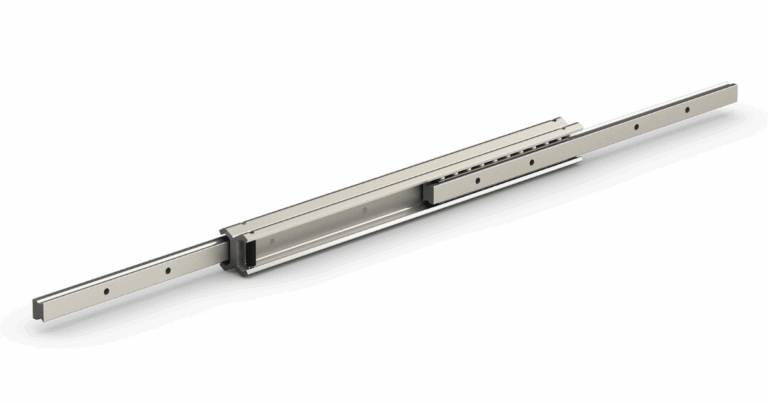
Over-extension high precision linear slides allow the moving element to travel beyond the closed length, sometimes up to about twice that distance. This can be extremely useful in applications such as loading and unloading stations, press transfers or inspection modules, where the motion element must clear obstacles or serve two different work zones from a central position.
Selecting the right combination of precision linear slides, industrial precision linear actuator slides and precision linear guides is ultimately about understanding how the load, environment, duty cycle and extension requirements interact. By focusing on robust bearing construction, hardened and ground raceways, carefully controlled deflection and an appropriate choice between partial, full or over-extension, designers can specify telescopic systems that deliver high linear motion accuracy and long service life.
FAQs
How do precision linear slides reduce deflection under load?
Precision linear slides use rigid profiles, hardened raceways and optimized bearing arrangements to increase stiffness, so the rail bends less when supporting cantilevered or heavy loads. By distributing forces more evenly along the raceways, they help maintain geometry and linear motion accuracy even at full extension.
What is the difference between standard and high precision linear guides?
Standard guides are usually designed for lighter loads and less demanding tolerances, where small play and higher deflection are acceptable. High precision linear guides and high precision linear slides are manufactured with tighter tolerances, hardened and ground raceways and more robust bearing elements, which results in smoother motion, lower play and better long-term accuracy in industrial applications.
Which factors cause wear in industrial precision linear actuator slides?
The main causes of wear in industrial precision linear actuator slides are excessive or poorly supported loads, high vibration and shock, contamination from dust or debris, inadequate lubrication and corrosive environments.