
 Linear guides
 Linear actuators
 XP Xtrem Position
 Rod ends
 Telescopic rails
 Multi-axis
 XL Xtrem Load
 Spherical plain bearings
 Curved guides
 Robot transfer units
 XT Xtrem Transport
 Needle roller bearings
 Cam followers
 Circular systems
 Rollon RB
 Locknuts and rings
 Aerospace
 Contract & Building
 Electronics
 Food & Beverage
 Industrial machinery
 Healthcare
 Machine tool
 Material handling
 Packaging
 Railway
 Robotics & Automation
 Special Vehicles



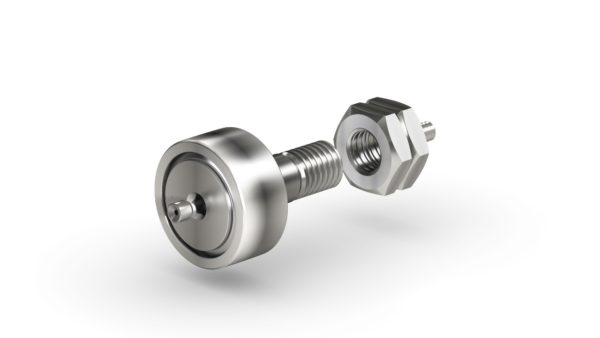
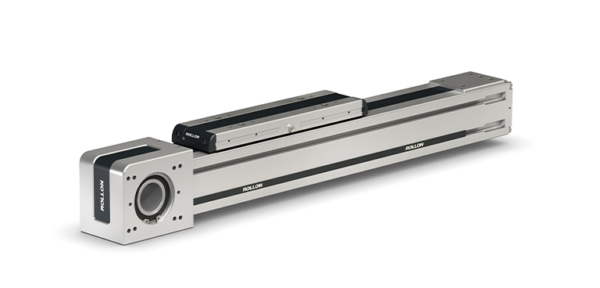
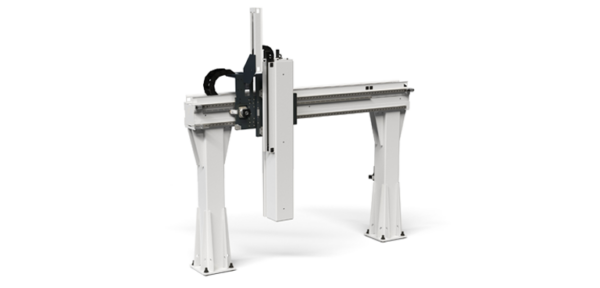
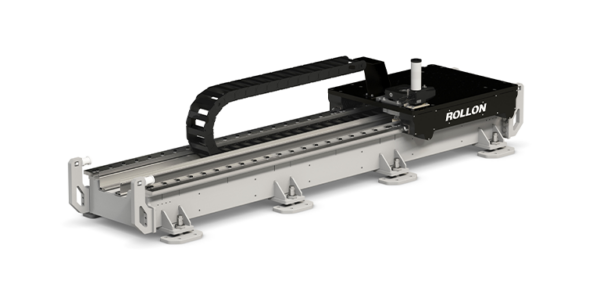
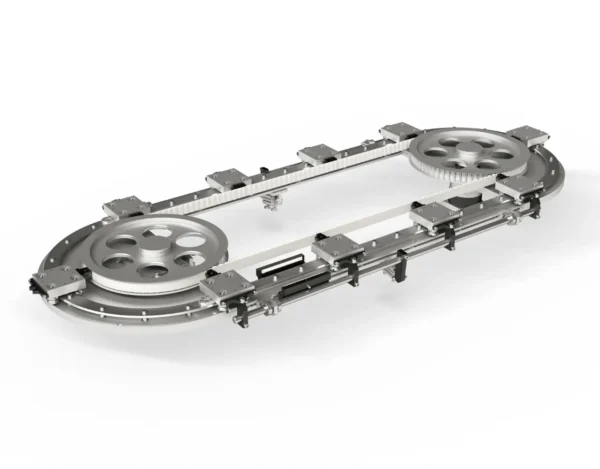
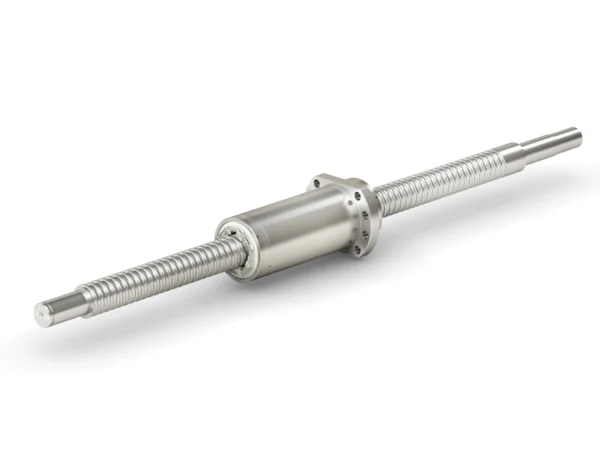
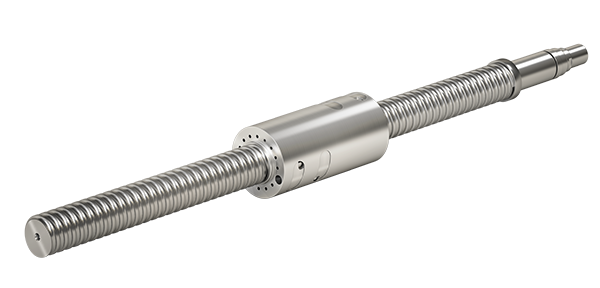
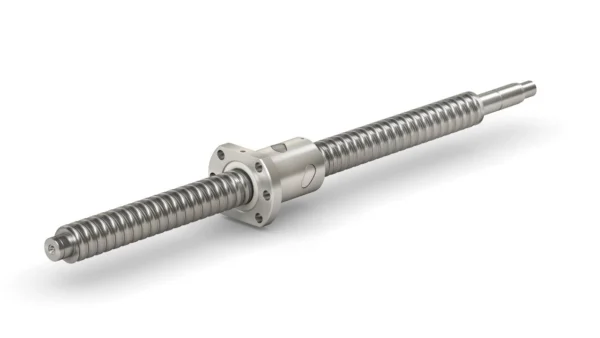
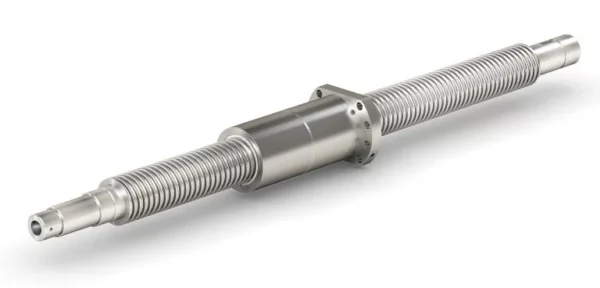

























Preloading can be a make‑or‑break factor in many linear motion applications. This article explains the purpose of preloading linear guides and actuators and offers guidance on when preloading is beneficial, when it should be minimized or avoided, and how to determine the most suitable preload level for a given design.
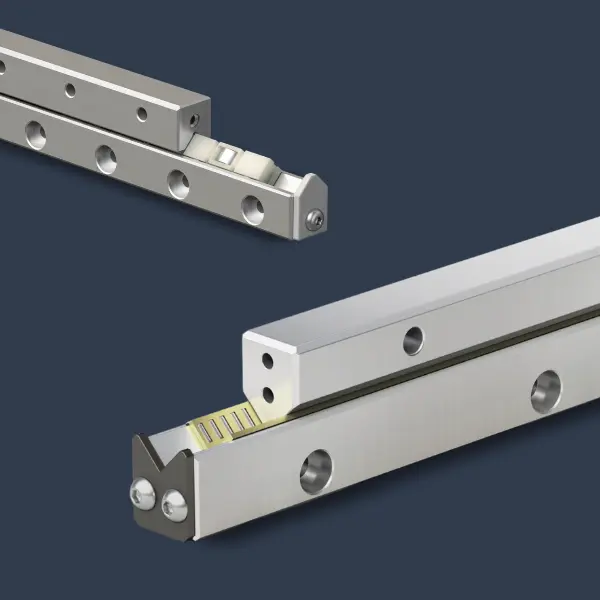
A wide variety of linear motion components can be preloaded, including track‑roller bearings, profile‑rail guides, and linear drives such as ball screws and splines. In linear bearings and guides, preload is introduced by reducing or eliminating the clearances between the slider (also called a carriage), its rolling elements, and the linear rail.
The result is a more rigid assembly that operates without backlash and exhibits reduced deflection when supporting a payload. This is critical in precision motion‑control applications that rely on accurate, repeatable positioning.
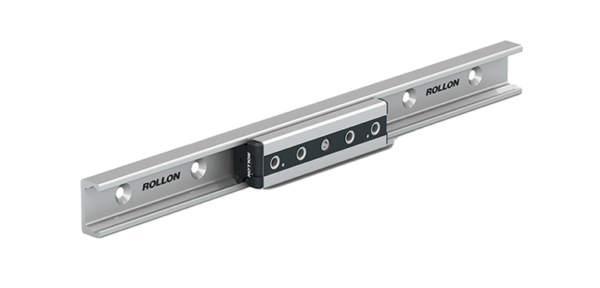
Rollon MGB and profile‑rail linear guides offer a useful example of preloading in systems requiring high‑precision positioning of light to heavy payloads. Here, the sliding element is a block containing recirculating rows of balls.
These balls may be slightly oversized relative to the distance between the rail raceway surface and the ball track inside the slider. Slightly oversized balls can impart a preload of about 2% of the linear guide’s load capacity, while oversized balls can create higher preload of around 4%.
The Rollon MGB series comes in three preload classes:
- K0: Near‑zero preload for smooth motion.
- K1: Light preload for improved rigidity, reduced deflection, and minimized vibration, balancing stiffness and fluid motion.
- K2: Elevated preload for maximum rigidity under dynamic loads or vibrations, at the cost of increased friction and reduced life or acceleration capabilities.
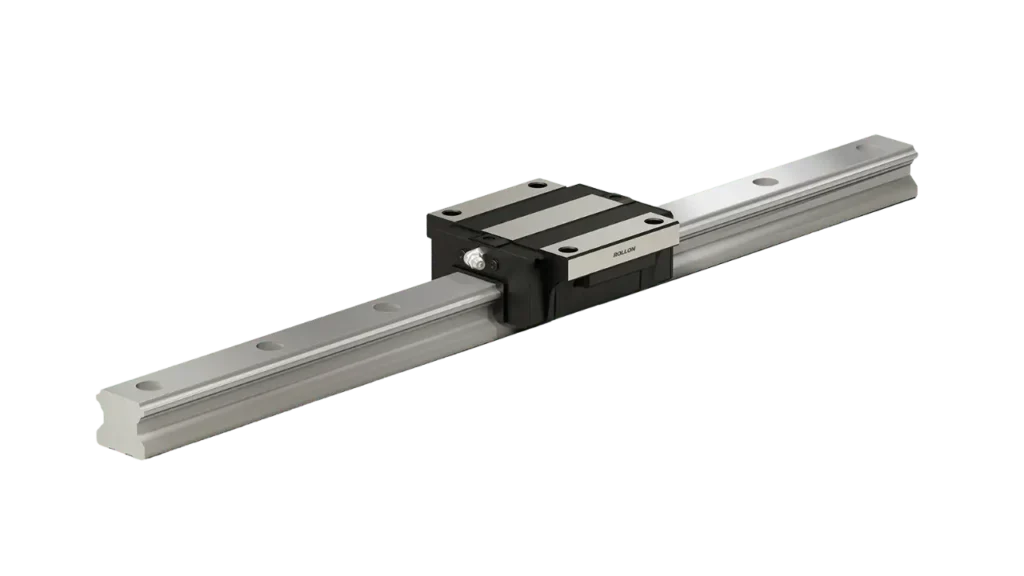
MGB linear guide.
How to select the most suitable preload
The optimal preload for a linear bearing or guide depends primarily on:
- The number of rails used on an axis.
- The achievable parallelism between parallel rails (where applicable).
For example, twin‑rail actuators, like Rollon Robot Plus or R-Smart, use pairs of carriages on parallel rails to provide four‑point support and minimize pitch, roll, and yaw. In such systems, increasing preload also increases alignment requirements. Insufficient alignment can otherwise introduce additional forces and moments that reduce lifespan.
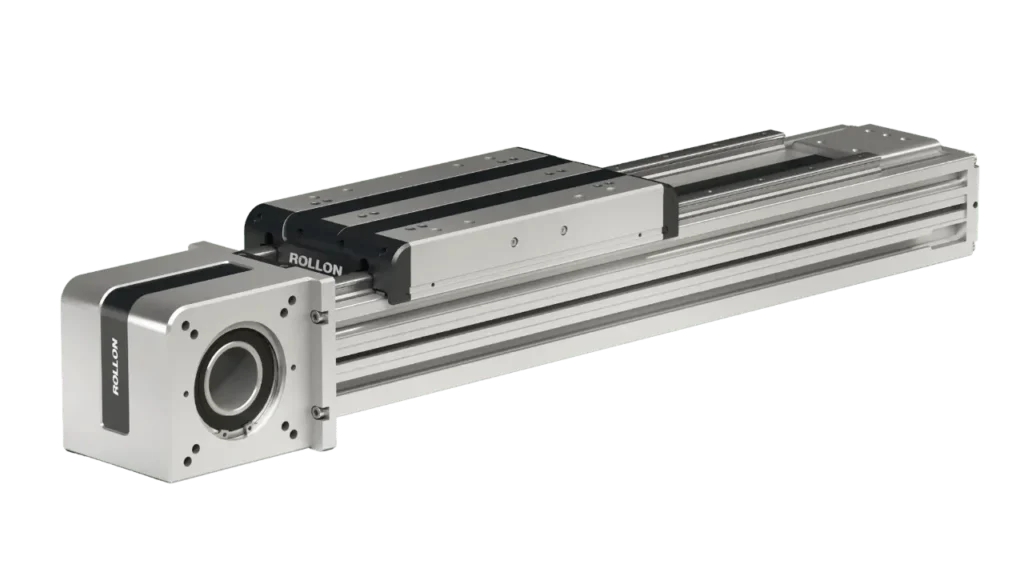
Robot Plus linear actuator.
Rigidity and application dynamics are also key factors. Ball screws and linear motors often pair with moderately or heavily preloaded guides because the application demands that justify these drives typically also require high stiffness. A precision ball screw unit like the Rollon TT linear actuator benefits from a higher preload block to achieve high rigidity.
A higher preload can also prevent rolling‑element slippage during high accelerations, such as in systems driven by linear motors.
However, there are cases where excessive preload introduces drawbacks. In miniature designs or cost‑sensitive applications, preloading may shorten expected life or require larger, more expensive motors due to increased friction forces. Where preloading causes unacceptable heat generation, it should be reduced or eliminated.
In rare cases where preload may introduce static loading that is not fully counteracted by the axis payload, its effects on load capacity and system life should be carefully evaluated before making a final decision.
When preloading is essential
Light preload – typically 2% of a guide’s load capacity – is often required to maintain positioning accuracy in applications such as cutting, printing, assembling, packaging, medical imaging, and other true motion‑control roles involving light to moderate payloads. Light preload may also suffice in applications where payloads consistently move in one direction.
Moderate to heavy preload – 5%– is commonly required to prevent guide deflection in warehousing, machining, and other motion systems that transport larger loads. Higher preload is also crucial when minimizing deflection in cantilevered linear axes, such as those found on Cartesian robot end effectors.
Selecting the right linear system for your application
When preload is a factor, choosing the correct level from the start is essential for meeting performance, life, and cost requirements. Consulting a Rollon engineer can help ensure your linear system is properly specified for your application’s needs.
Connect with a Rollon engineer to explore the best guide solution for your system.