• Contacts
  • About
    • About Us
    • Our Brands
    • The Timken Company
  • Products
    • Linear guides
    • Linear actuators
    • XP Xtrem Position
    • Rod ends
    • Telescopic rails
    • Multi-axis
    • XL Xtrem Load
    • Spherical plain bearings
    • Curved guides
    • Robot transfer units
    • XT Xtrem Transport
    • Needle roller bearings
    • Cam followersCam followers
    • Circular systems
    • Rollon RB
    • Locking nuts and rings for precision bearing clampingLocknuts and rings
  • Industries
    • Aerospace
    • Contract & Building
    • Electronics
    • Food & Beverage
    • Industrial machinery
    • Healthcare
    • Machine tool
    • Material handling
    • Packaging
    • Railway
    • Robotics & Automation
    • Special Vehicles
  • News & Media
    • Corporate & Events
    • Innovation
    • Media
  • myRollon
  • About
    • About us
    • Our Brands
    • The Timken Company
  • Products
    • Linear guides
    • Telescopic rails
    • Curved guides
    • Cam followers
    • Linear actuators
    • Multi-axis
    • Robot transfer units
    • Circular systems
    • XT Xtrem Transport
    • XL Xtrem Load
    • XP Xtrem Position
    • Rod ends
    • Spherical plain bearings
    • Needle roller bearings
    • Locknuts and rings
  • Industries
    • Aerospace
    • Building and Furniture
    • Electronics
    • Food & Beverage
    • Healthcare
    • Industrial Machines
    • Machine Tool
    • Material Handling
    • Packaging
    • Railway
    • Robotics & Automation
    • Special Vehicles
  • News & Media
    • Corporate & Events
    • Innovation
    • Media
  • Contacts
    • Connect with Rollon
  • myRollon
    • Selection Tool
    • Configurator
    • Product Center
    • Account
Search
Who we are
About Us
About Us
Our Brands
Our Brands
The Timken Company
The Timken Company
Linear Components
Linear guides
Linear guides
Telescopic rails
Telescopic rails
Curved guides
Curved guides
Cam Followers
Cam Followers
Actuators and Systems
Linear actuators
Linear actuators
Multi-axis
Multi-axis
Robot transfer units
Circular systems
Circular systems
Ball Screws
XP Xtrem Position
XP Xtrem Position
XL Xtrem Load
XL Xtrem Load
XT Xtrem Transport
XT Xtrem Transport
Rollon RB
Rollon RB
Rotational Units
Rod ends
Rod ends
Spherical plain bearings
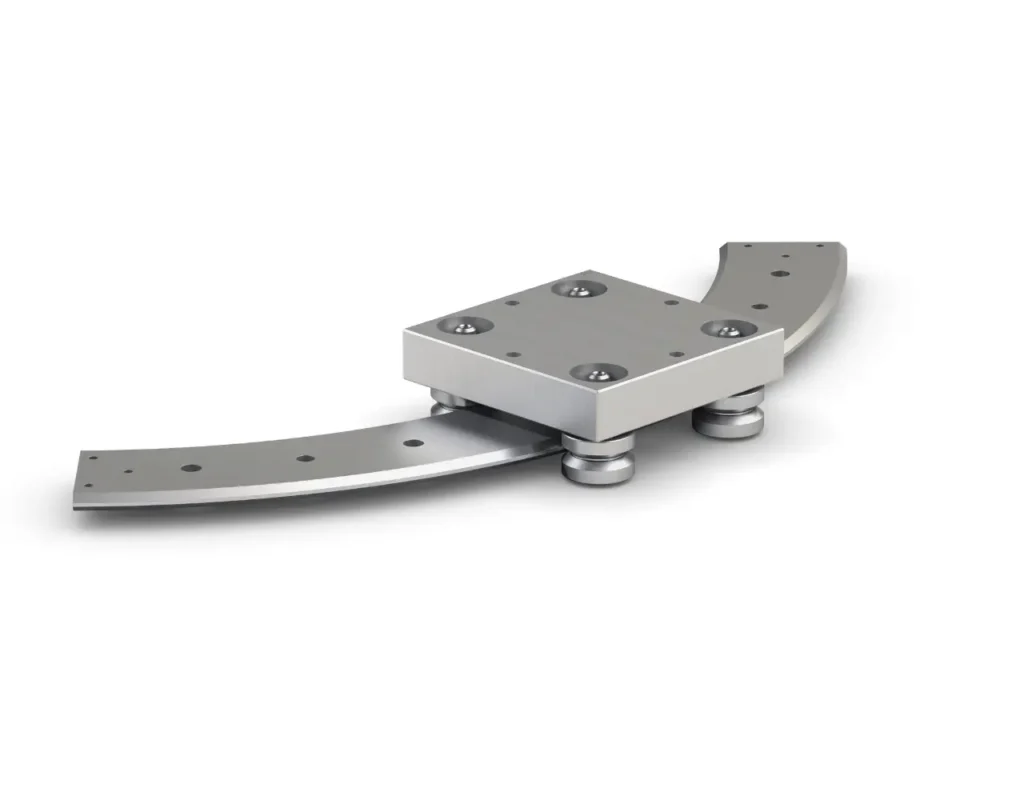
Needle roller bearings
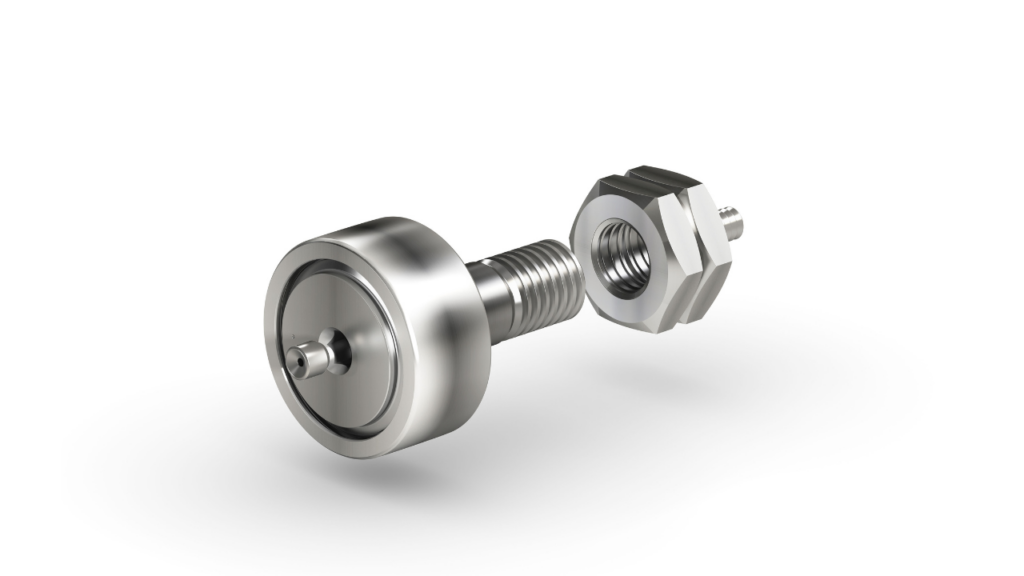
Locknuts
Locknuts
The industries we serve
Aerospace
Aerospace
Contract & Building
Contract & Building
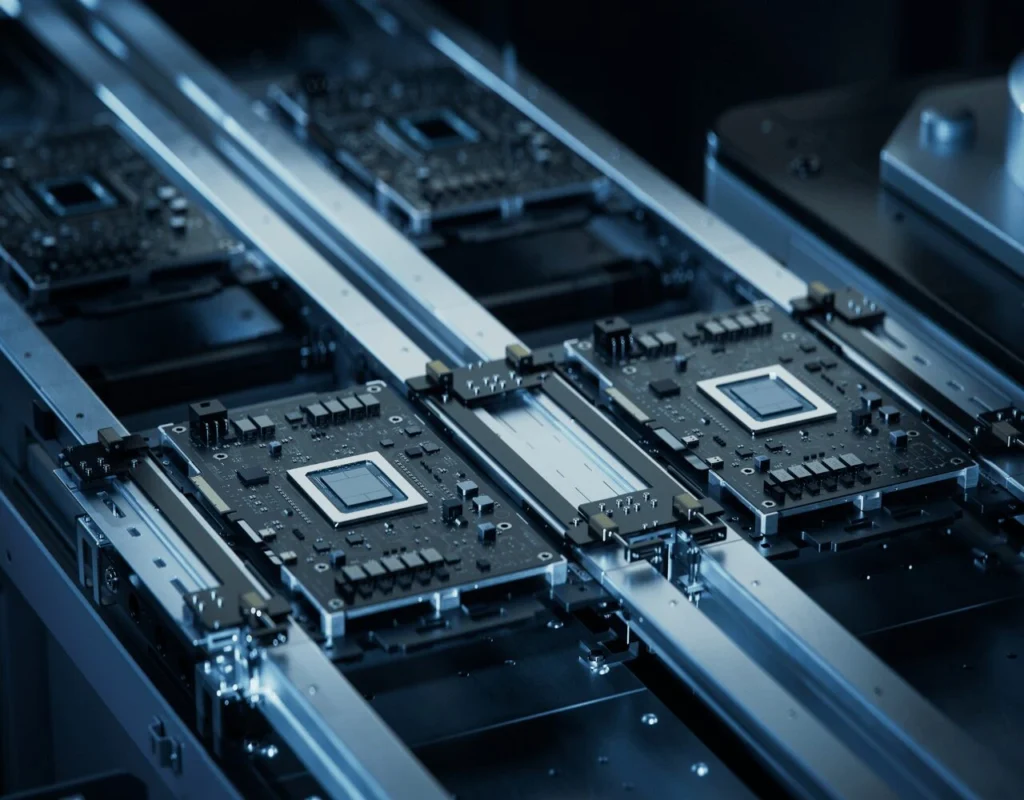
Electronics
Electronics
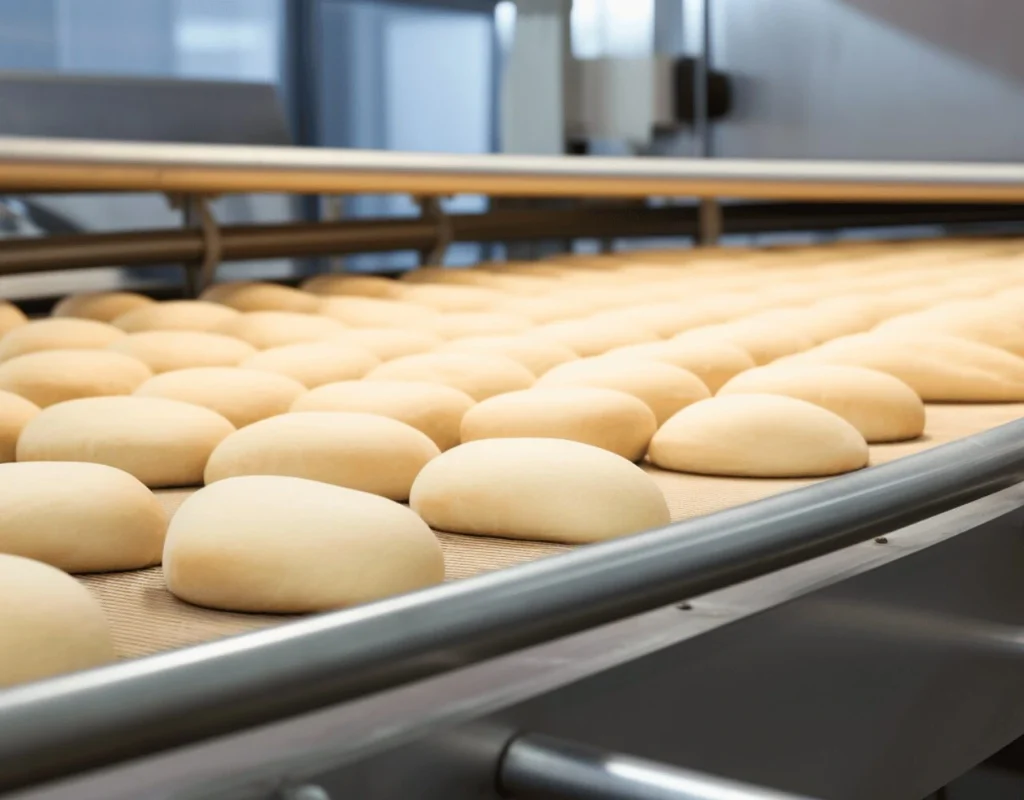
Food & Beverage
Food & Beverage
Healthcare
Healthcare
Industrial machinery
Machine tool
Machine tool
Material handling
Material handling
Packaging
Packaging

Railway
Railway
Robotics & Automation

Special Vehicles
Special Vehicles
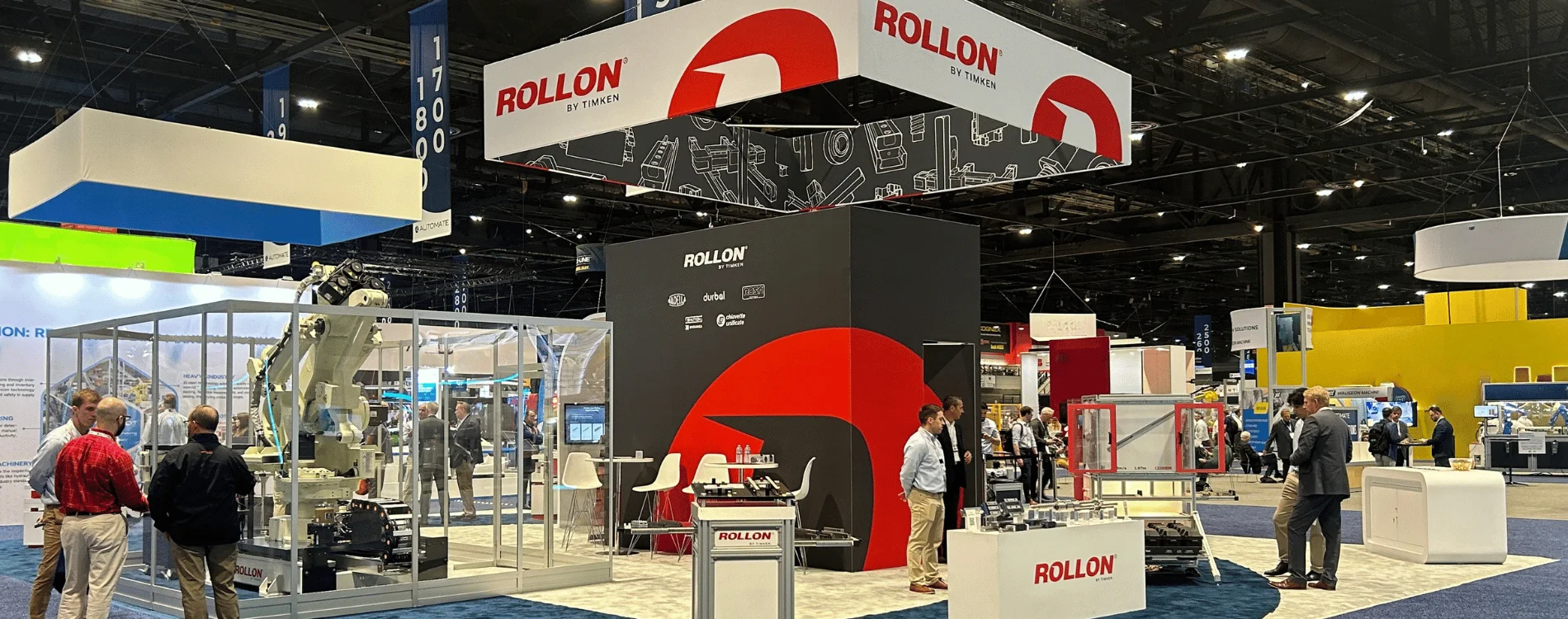

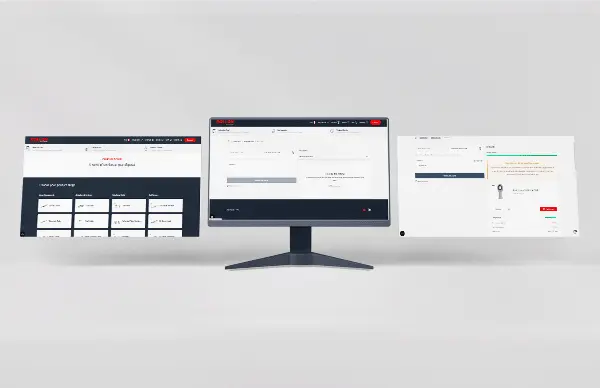
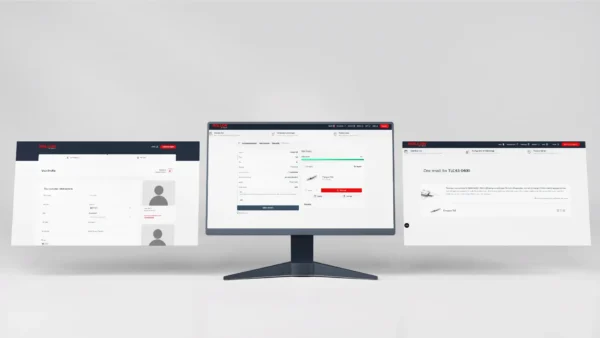
myRollon is Rollon's digital working platform designed to simplify the selection and configuration of linear and rotary motion solutions.
Selection Tool
Selection Tool
Enter your application data and get your solutions.
Configurator
Configurator
Get your reference and be ready to order.
Product Center
Product Center
Explore all product & download assets.
Account
Account
Access your private area.
?>
Latest update
Wednesday 3 June 2026
Corporate & Events
Rollon to exhibit at Automate in June
11 May 2026
Rollon to exhibit at Automate in June
Rollon at Advanced Factories, FEIMEC and All About Automation in May
2 April 2026
Rollon at Advanced Factories, FEIMEC and All About Automation in May
Rollon to attend SIMTOS, AIX, MACH and CCMT in April
9 March 2026
Rollon to attend SIMTOS, AIX, MACH and CCMT in April
Read all
Innovation
myRollon integrates roller guides in Configurator tool, releases new design for personal space and an optimized search bar
15 April 2026
myRollon integrates roller guides in Configurator tool, releases new design for personal space and an optimized search bar
myRollon launches the Interchange Feature to identify compatible solutions within Rollon’s portfolio
5 February 2026
myRollon launches the Interchange Feature to identify compatible solutions within Rollon’s portfolio
Rollon unveils CLTA, a modular circular solution engineered for flexibility and quick assembly
2 February 2026
Rollon unveils CLTA, a modular circular solution engineered for flexibility and quick assembly
Read all
Media
Rollon and CAF: designing for reliability in rail interiors
3 June 2026
Rollon and CAF: designing for reliability in rail interiors
Needle and cross roller guides: how they work and where they are used
13 May 2026
Needle and cross roller guides: how they work and where they are used
Linear motion solutions for food processing
15 April 2026
Linear motion solutions for food processing
Read all
Need to contact us?
Connect with Rollon
Connect with Rollon
Educationals

What Is a Linear Actuator? Types, Working Principles and How to Choose the Right One

The linear actuator is one of the most fundamental components in industrial automation, providing the controlled linear displacement that underpins everything from precision assembly machinery to heavy-duty material handling systems. Despite the apparent simplicity of the concept, converting energy into straight-line motion, the engineering decisions involved in selecting the correct linear actuator for a given application are consequential and multifaceted.

The wrong choice can mean inadequate precision, insufficient load capacity, excessive maintenance demands, or a service life that falls well short of the application’s requirements.

What is a linear actuator? Definition and working principle

A linear actuator is a device that generates motion in a straight line, as opposed to the rotary motion produced by a conventional motor. In industrial applications, linear actuators are used wherever a load, tool, or end effector must be moved precisely from one position to another along a linear path. The actuator integrates a guidance system, typically a profiled rail and rolling element carriage, with a drive mechanism that converts an energy source into the required linear force and displacement. The combination of these elements in a single unit simplifies system integration and ensures that the structural, kinematic, and dynamic properties of the axis are designed to work together.

The performance characteristics of a linear actuator are defined by its load capacity, stroke length, positional repeatability, maximum speed, and the nature of its drive and guidance components. These parameters are interdependent, a heavy duty linear actuator designed for high static load capacity will typically have a larger, more rigid structure that limits achievable speed, whilst a high-speed belt-driven actuator will sacrifice some stiffness under load in exchange for dynamic performance. Understanding these trade-offs is essential for specifying the correct linear actuator for a given application.

Converting rotary motion to linear motion

The majority of industrial linear actuators convert rotary input into linear output using one of several transmission mechanisms. In electric actuators, the most common conversion methods are the ball screw, which converts rotary torque into precise linear force with high efficiency, and the toothed belt, which transmits motion across longer strokes at higher speeds.

Another widespread solution is the rack and pinion, a mechanism in which a rotating pinion gear drives a linear rack; this configuration provides high thrust, excellent rigidity, and is well‑suited for long strokes and harsh industrial environments.

Belt-driven vs ball-screw vs rack-and-pinion electric actuators

Within the electric linear actuator category, the choice between belt‑driven, ball‑screw, and rack‑and‑pinion configurations is one of the most consequential design decisions an automation engineer will make.

Belt-driven linear actuators use a toothed belt looped around drive and idler pulleys to translate rotary motor motion into linear carriage displacement. This configuration achieves high axis speeds, typically several metres per second, across long strokes, with relatively low noise and vibration. The compliance inherent in the belt means that positional accuracy under varying axial load is slightly lower than a ball-screw equivalent, but for the majority of high-speed transfer and pick and place applications, this difference is within the acceptable tolerance window.

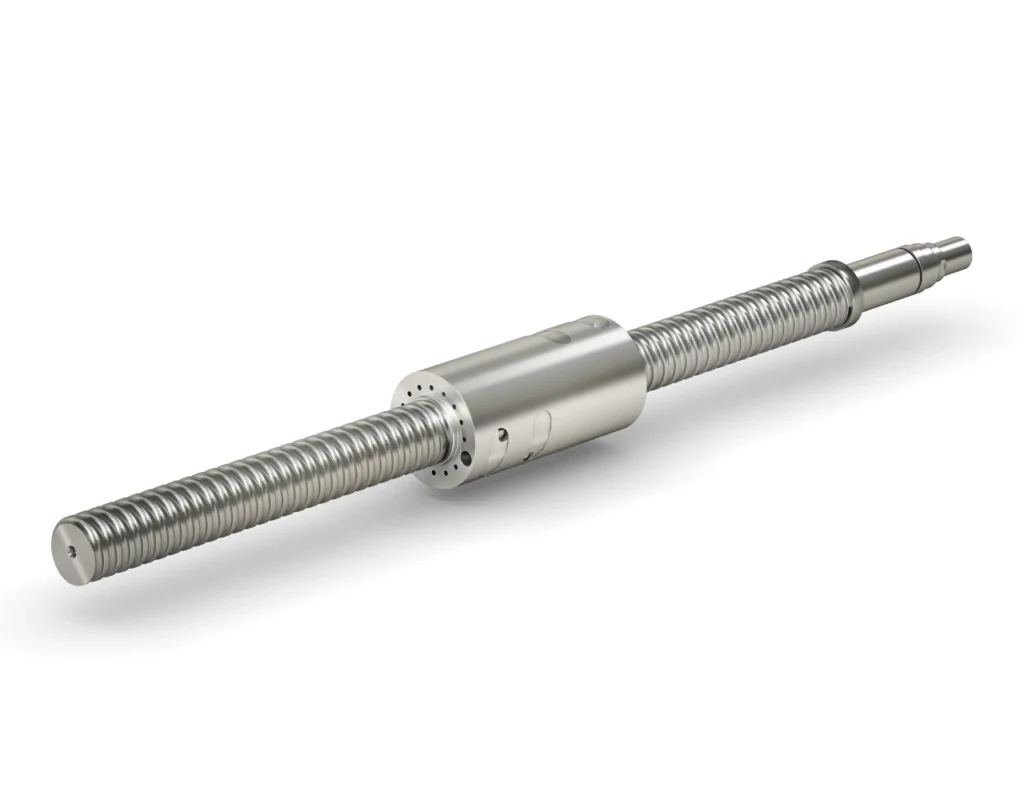
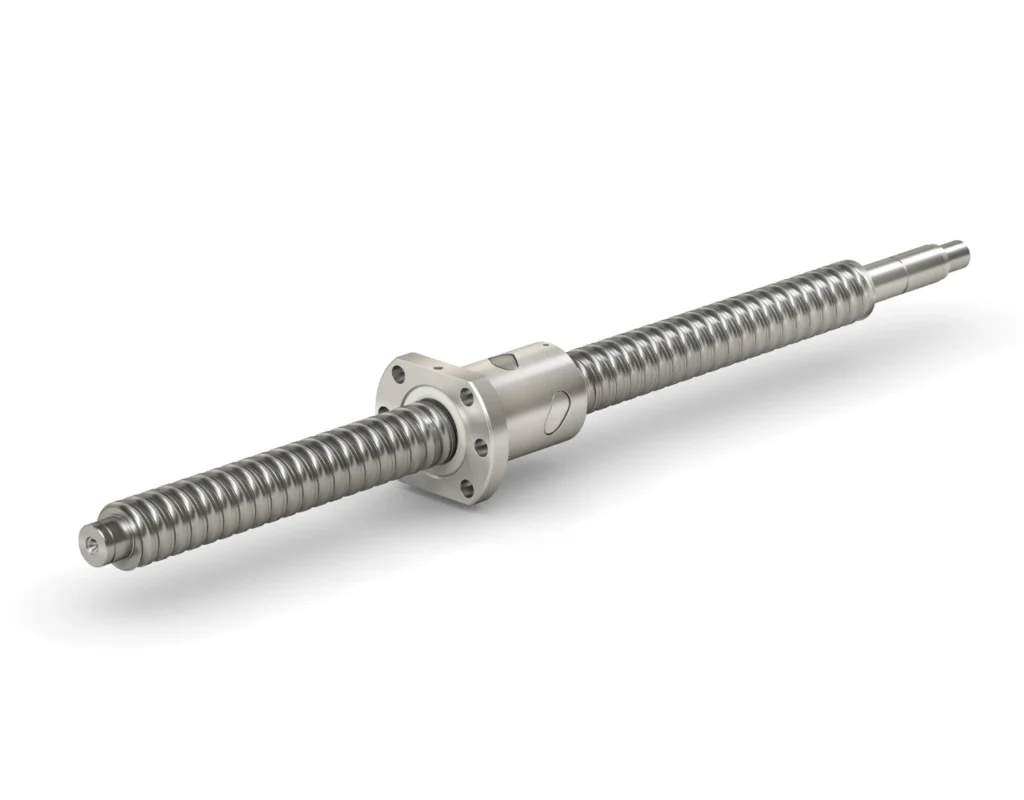
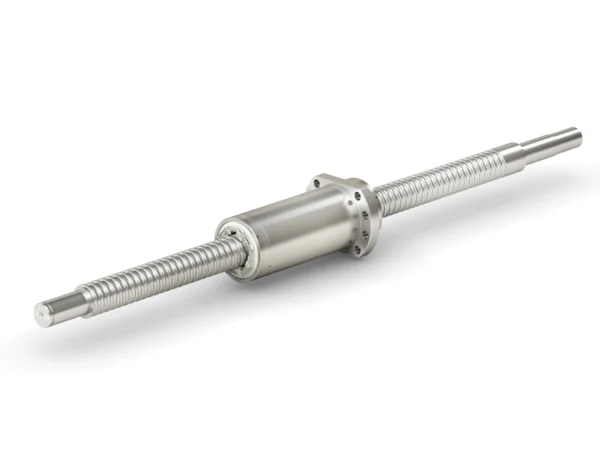
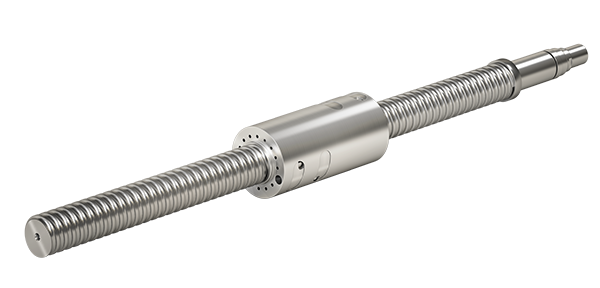
Ball-screw linear actuators convert rotary motion to linear displacement through a threaded screw and recirculating ball nut assembly. This mechanism provides superior positional stiffness and repeatability under axial load, making it the preferred drive for precision machining axes, measurement systems, and any application where the electric linear actuator must maintain its positional accuracy whilst resisting significant process forces.

The ball screw linear actuator is typically limited to shorter strokes than belt-driven equivalents beyond approximately two metres, screw whip under high-speed rotation becomes a design constraint and achieves lower maximum speeds, but within its operating envelope it delivers a level of precision that belt drives cannot match.

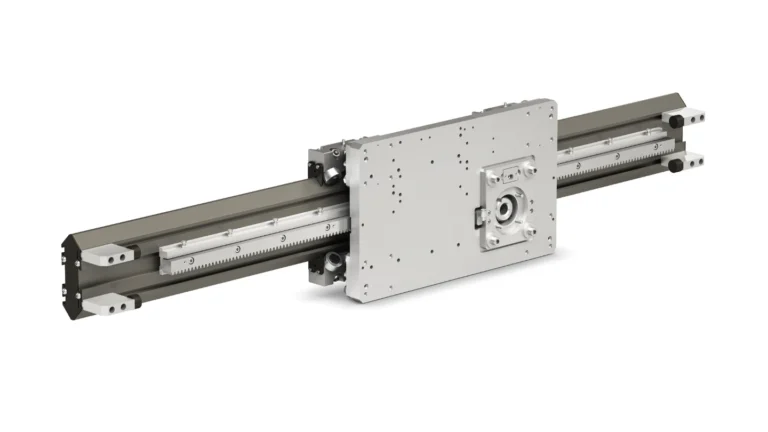
Rack-and-pinion linear actuators employ a rotating pinion gear that engages a linear rack to convert rotary input into linear motion. This architecture combines high thrust capacity with excellent rigidity and is particularly suited for long‑stroke applications where precision and robustness must be maintained without the stretch or compliance typical of belt systems. Unlike ball screws, rack‑and‑pinion drives do not suffer from screw whip at extended lengths, enabling high speeds across multi‑metre travel ranges while preserving stiffness under varying loads. Although their positional accuracy and repeatability are generally below those of high‑precision ball screws, rack‑and‑pinion actuators offer a balanced compromise of speed, load capacity, and mechanical durability, making them a strong choice for demanding industrial automation tasks, heavy‑duty gantries, and harsh environments.

Key selection criteria: load, speed, stroke and precision

Specifying the correct linear actuator for an industrial application requires systematic evaluation of four primary parameters. Load capacity covers both the static weight of the payload and the dynamic forces generated during acceleration and deceleration, a heavy duty linear actuator must be rated for the peak dynamic load, not simply the static weight, to avoid premature wear of the rolling element guidance and drive components. Speed requirements must be defined in terms of the full motion profile (acceleration, constant velocity, and deceleration phases) rather than peak velocity alone, as the acceleration phase generates the highest forces on the actuator structure.

Stroke length determines the physical size of the linear actuator and constrains the choice of drive mechanism, as described in the comparison above. Precision, expressed as positional repeatability, defines the tolerance within which the actuator must reach its target positions and is the parameter most directly affected by drive mechanism choice, preload, and the quality of the guiding components.

Matching actuator specifications to your application

A disciplined approach to linear actuator selection begins with a complete specification of the application’s dynamic load envelope, required positional accuracy, duty cycle, stroke, and environmental conditions. With these parameters defined, the choice of drive mechanism and guidance system follows logically. For applications combining long stroke with moderate precision and high speed, a belt-driven electric linear actuator will typically be the most appropriate choice. For short-stroke, high-precision tasks under significant axial load, a ball screw actuator is usually preferred. For the heaviest industrial loads, a rack and pinion linear actuator with carriages and a reinforced structural profile provides the required load rating with adequate safety margin.

Rollon linear actuators: high-performance solutions for UK industry

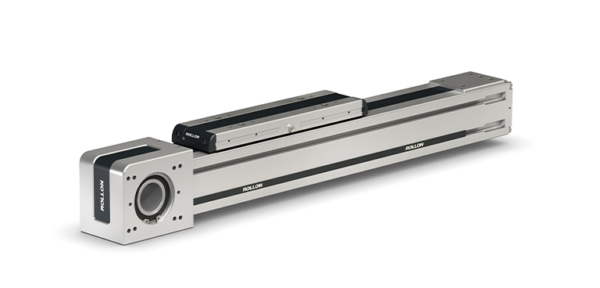
Rollon’s range of Linear Actuators is designed to cover the full spectrum of industrial automation requirements, from compact high-speed belt-driven units for packaging and assembly machinery to robust heavy-duty configurations for material handling and machine tool applications. Each product family within the range is engineered with precisely manufactured profiles, optimised preload configurations, components and materials appropriate for the intended operating environment, contributing to the reliability of the linear actuator over its specified service life without excessive maintenance intervention.

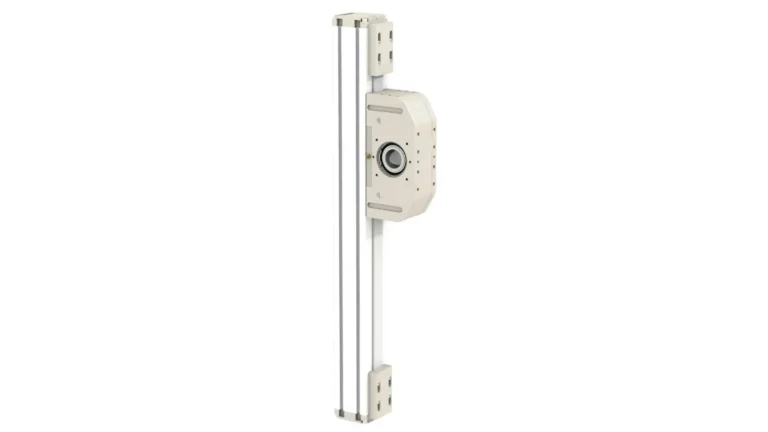
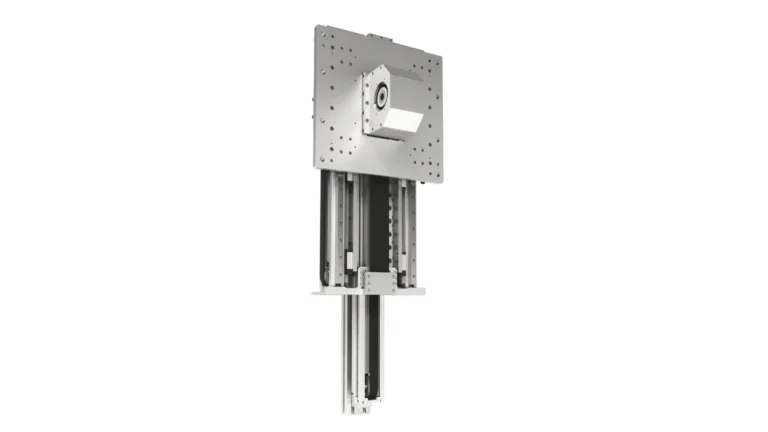
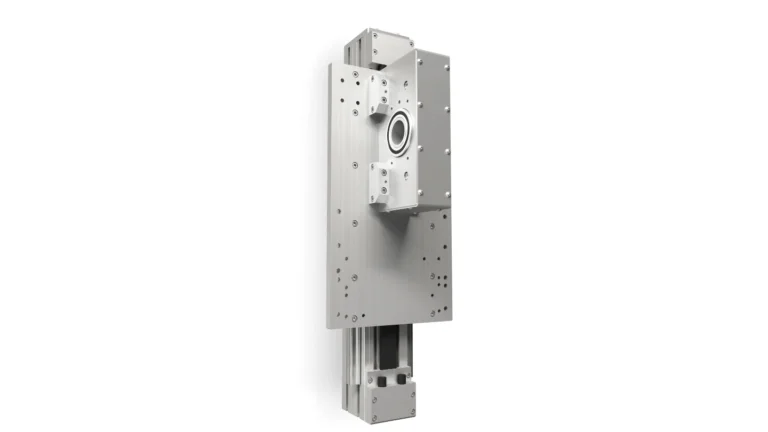
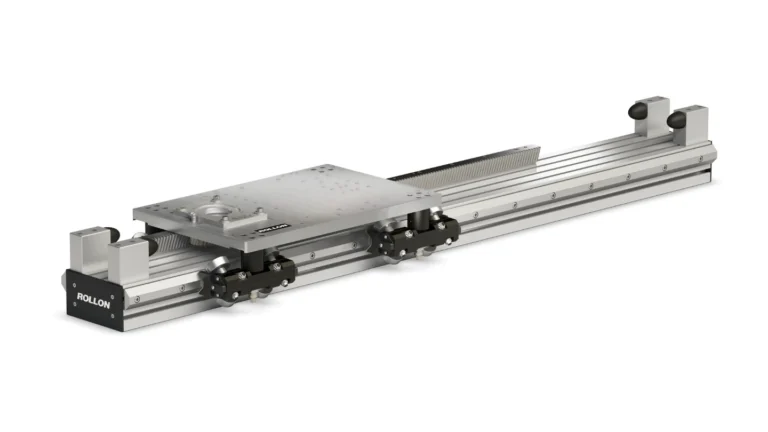
The product line includes solutions with belt, ball screw, and rack‑and‑pinion drives, available with recirculating ball guides or roller guides to meet different load, stiffness, and environmental requirements.

FAQs

What is a linear actuator and how does it work?

A linear actuator is a device that converts an energy input into controlled straight-line motion, moving a load along a defined linear path. The working principle depends on the actuator type: an electric linear actuator uses a motor combined with a ball screw or belt drive to convert rotary motion to linear displacement, whilst a pneumatic linear actuator uses compressed air acting on a piston to generate linear force directly. Industrial linear actuators integrate the drive mechanism with a guidance system to ensure accurate, repeatable motion under the dynamic loads of the application.

What are the main types of electric linear actuators?

The three principal types of electric linear actuators are belt‑driven, ball‑screw, and rack‑and‑pinion systems. Belt‑driven actuators are designed for high‑speed motion over long stroke lengths, making them ideal for dynamic handling, transfer, and pick‑and‑place tasks. Ball‑screw actuators provide superior positional stiffness and repeatability under axial load, delivering the precision required for measurement systems, controlled assembly processes, and any application that demands highly accurate, repeatable linear positioning. Rack‑and‑pinion actuators combine high load capacity with excellent rigidity and are particularly suited to long‑travel applications where belt compliance or screw whip would be limiting factors. Together, these three drive technologies cover the full spectrum of performance requirements in electric linear motion, from speed and precision to robustness over extended distances

What linear actuator specifications matter most for industrial automation?

For industrial automation applications, the four most critical linear actuator specifications are dynamic load capacity, positional repeatability, maximum speed, and stroke length. Dynamic load capacity must account for acceleration forces, not just static payload weight, particularly in high-cycle applications where peak dynamic loads may be several times the static load. Positional repeatability governs how consistently the linear actuator reaches its target positions, with demanding applications such as assembly and dispensing requiring repeatability in the range of ±0.05 mm or better. For heavy duty linear actuator applications, the moment load rating of the rolling element carriage is an equally important parameter, as eccentric loading from offset payloads places significant bending moments on the guidance system.

Related product line

Select the product line and start selecting

THTTTVTVSAMVAXNP-S

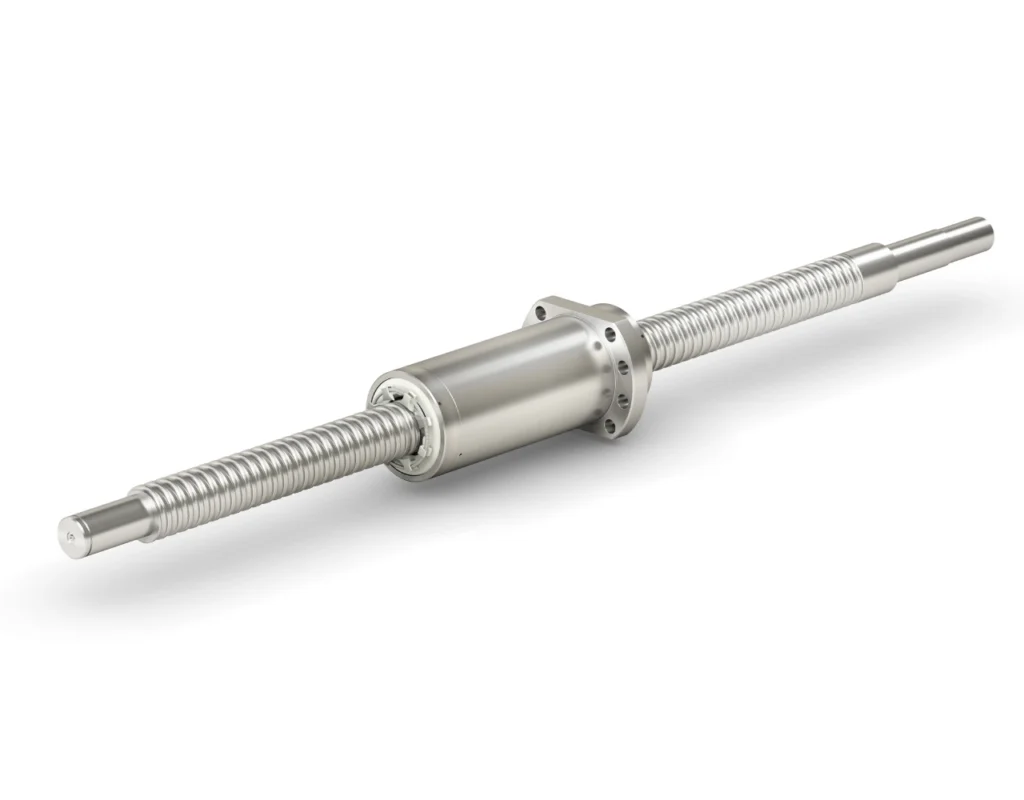
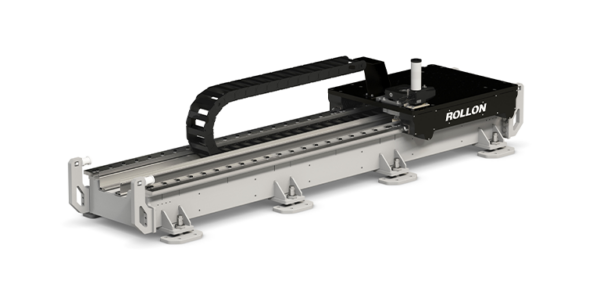
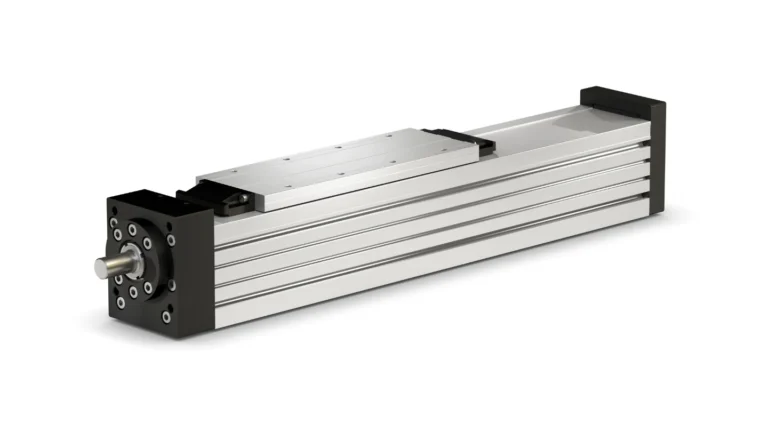
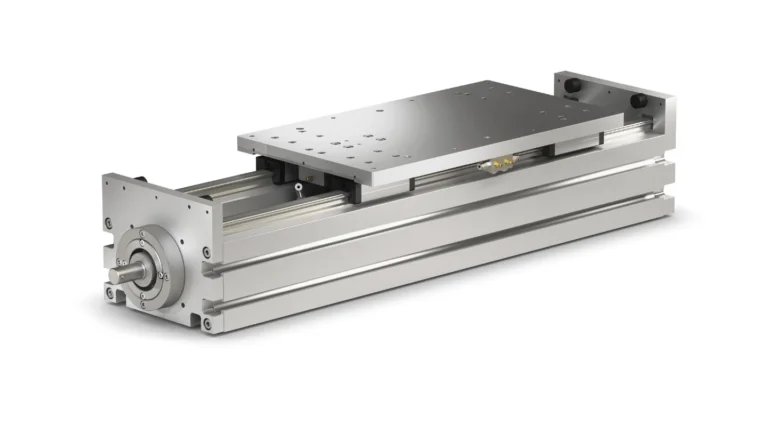
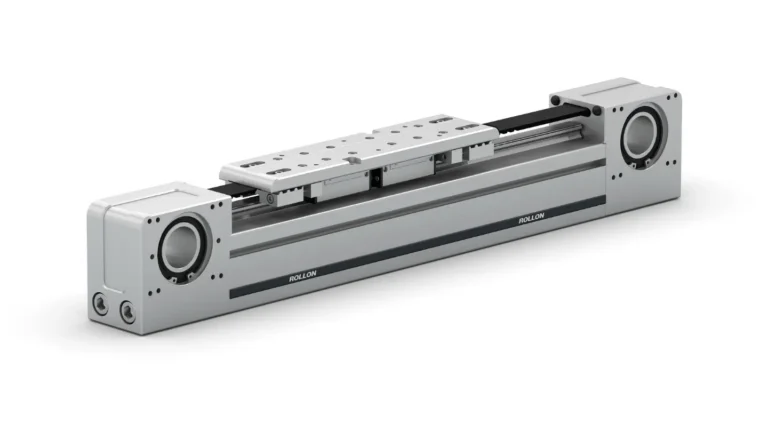
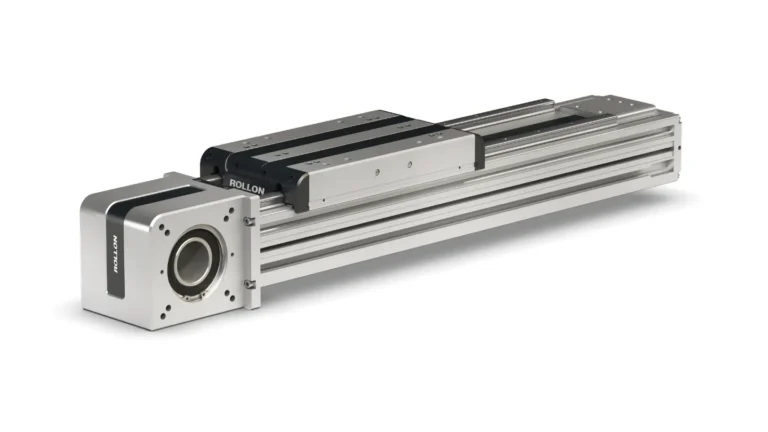
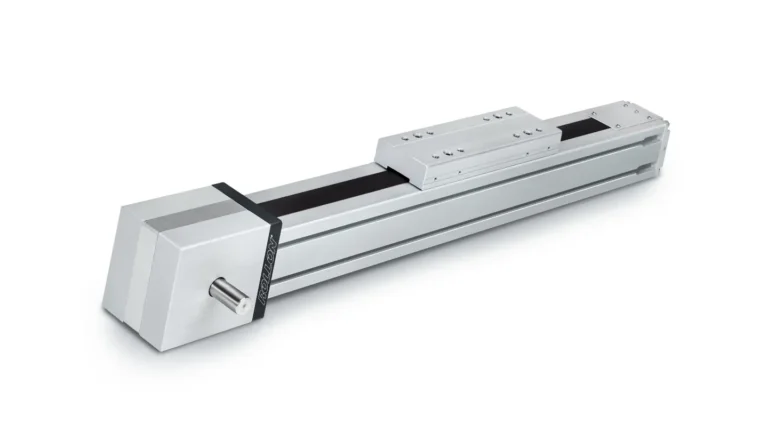
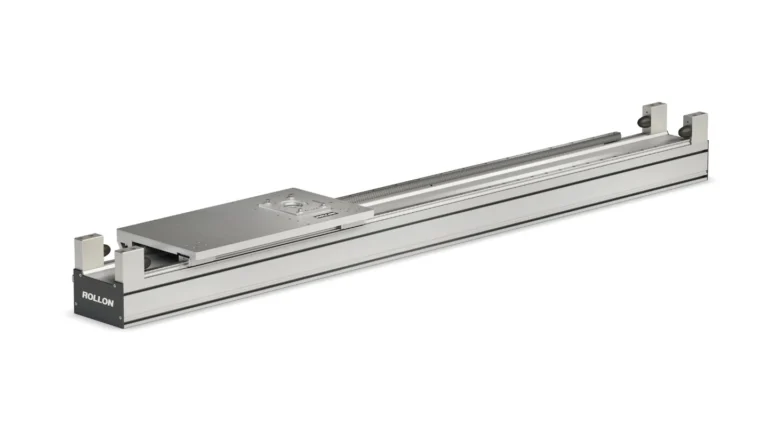
Ball screw driven linear actuators

6
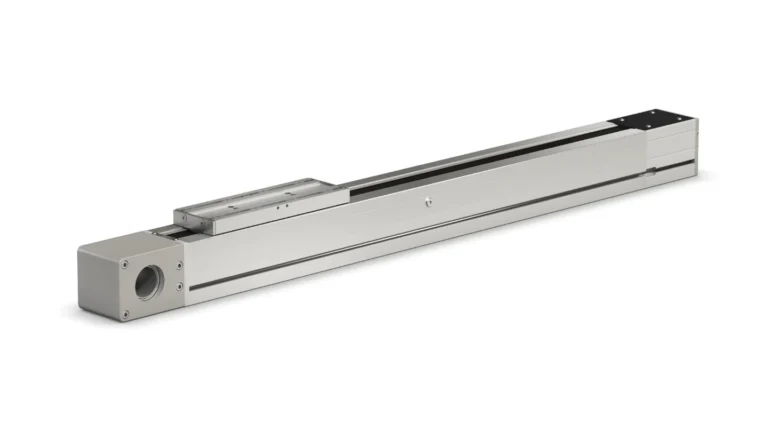
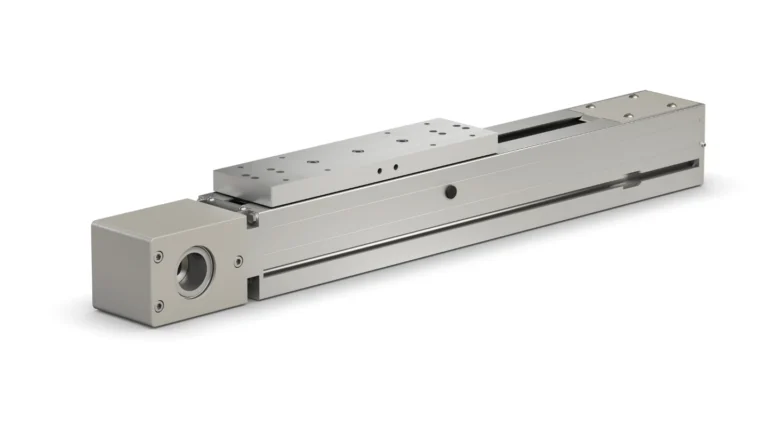
The Rollon range of ball screw linear actuators are designed to provide extreme precision and repeatability in linear movements, making them ideal for industrial automation, packaging and robotics.
E-SMARTR-SMARTR-SMART-RELMROBOTONE SeriesSABECOUNILINE AUNILINE CUNILINE EUNILINE EDMCHMCRCLSVERS-SMARTTLSZCH

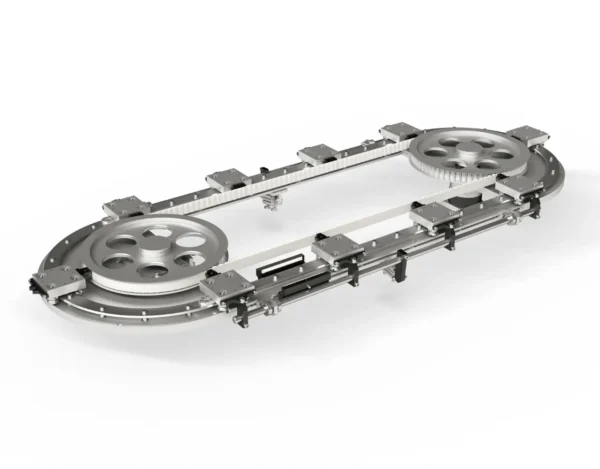
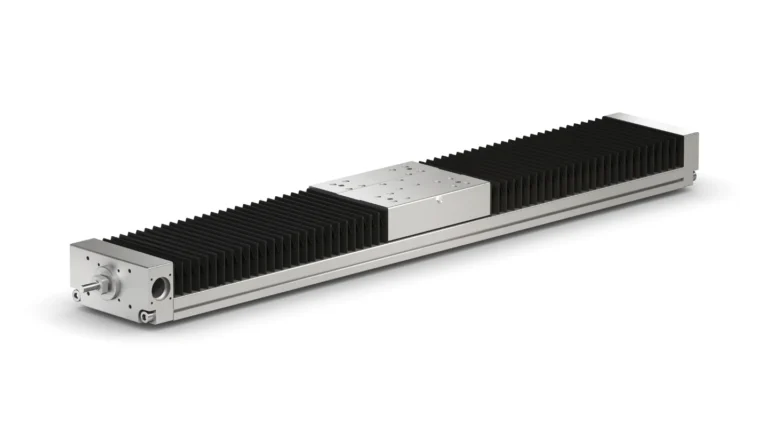
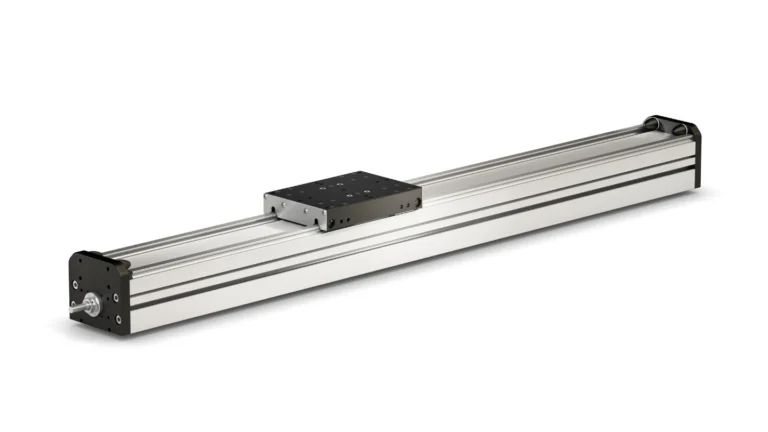
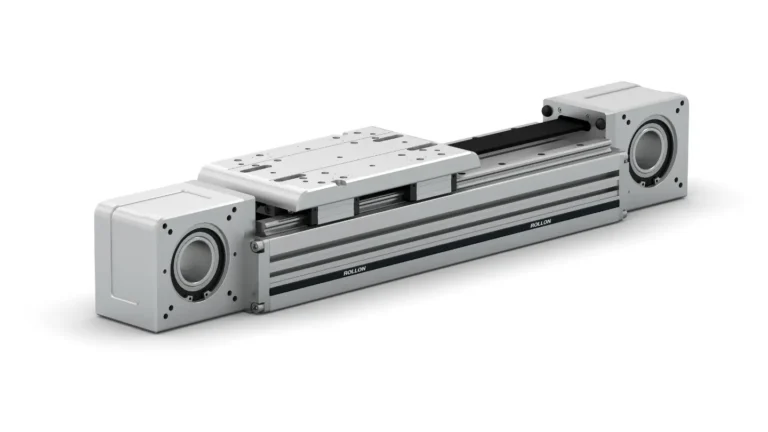
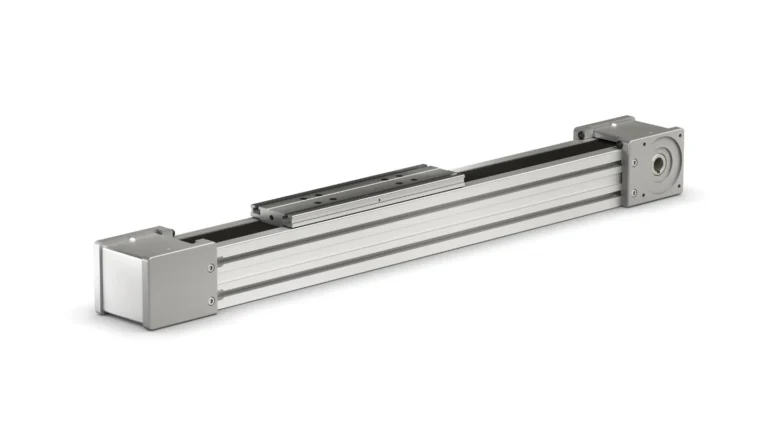
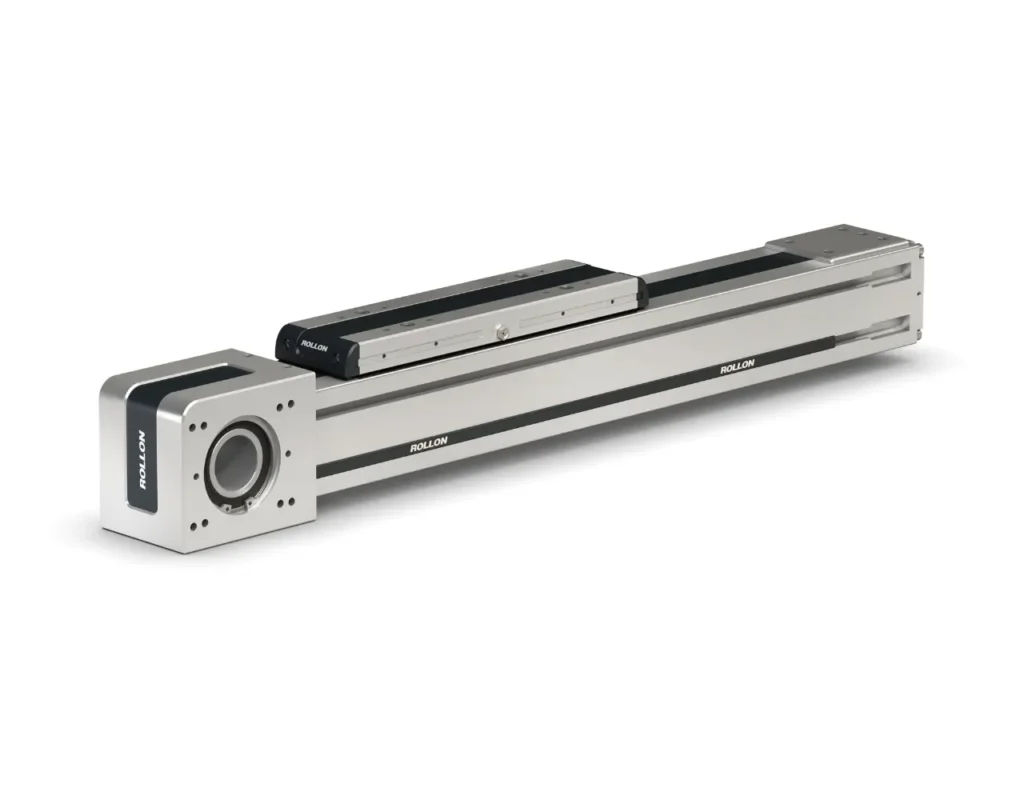
Belt driven linear actuators

22
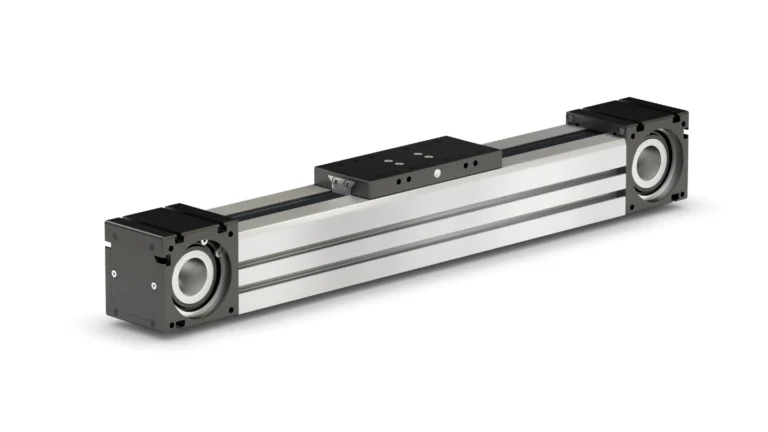
Rollon belt driven linear actuators combine performance, strength and versatility. Ideal for harsh environments and limited space, they offer high speed and precision, with steel re-enforced driving belts.
PARPASSARTLS

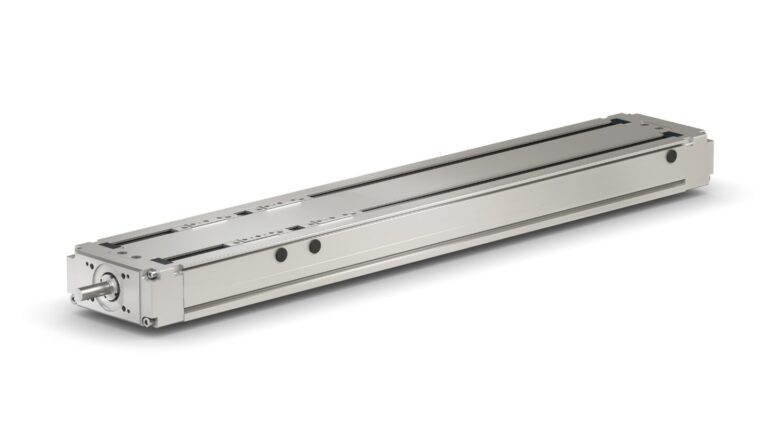
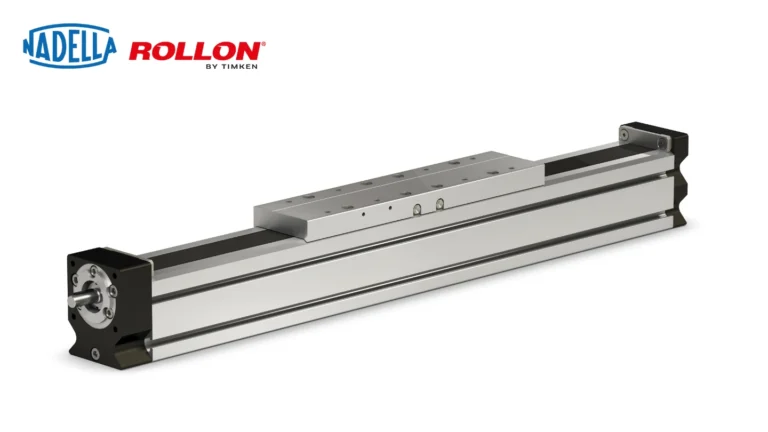
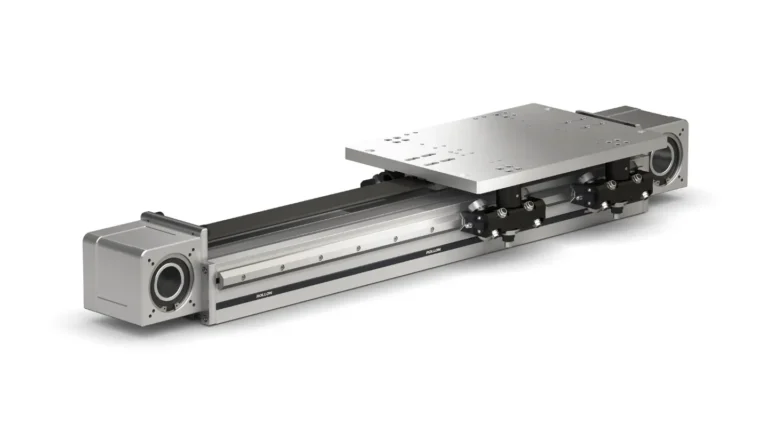
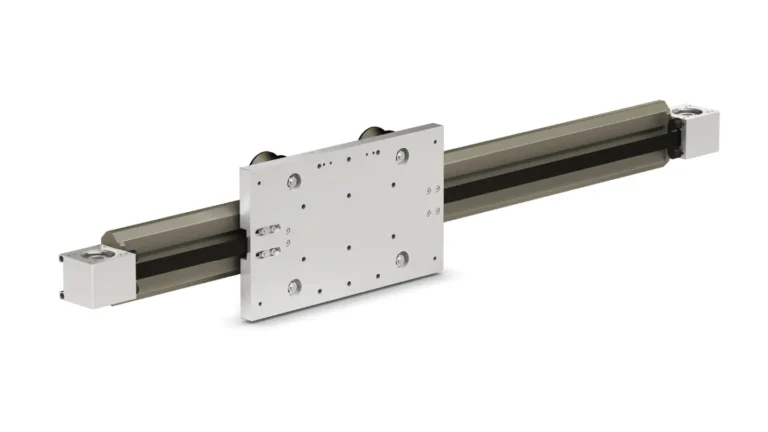
Rack and pinion driven linear actuators

4
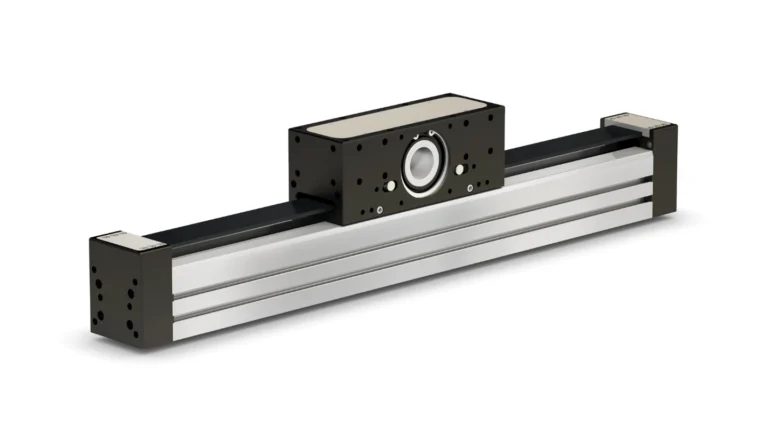
Rack-and-pinion driven actuators in the Rollon range offer an excellent balance of payload, precision and durability, ideal for applications requiring long strokes linear motion.

Solutions by Industries

  • All
  • Building and Furniture
  • Electronics
  • Food & Beverage
  • Healthcare
  • Industrial Machines
  • Machine Tool
  • Material Handling
  • Packaging
  • Railway
  • Special Vehicles
  • Robotics & Automation
  • Vertical Farming
Case Study Rollon and CAF: designing for reliability in rail interiors
Report Needle and cross roller guides: how they work and where they are used
Report Linear motion solutions for food processing
Report Preloading linear guides and actuators: when to do it and when to avoid it
Case Study Rollon Nadella and VDW: A long-standing collaboration for the precise manufacturing of root canal files

Report How to choose a bearing based on load, speed and duty cycle
Case Study A special rod end with linkage for the architectural structure of Princess Grace Hospital Centre: the Rollon Chiavette Unificate solution for Pontiggia Group
White paper Preventing corrosion with stainless-steel and other motion components
White paper Linear and curvilinear guides and systems for architectural and furnishing applications

White paper Corrosion: the right treatment for your needs
Case Study Rollon linear solutions at the service of Cedatec's multilayer PCB machines
White paper Solving precision challenges: A Design Engineer’s guide
Tech Talks Cleanroom-ready linear motion, engineered for precision
Case Study High-tech distributor taps Rollon for electronics machine
Report Monorail linear guide for high-load applications
Case Study How Rollon actuators helped a Korean multinational corporation automate its battery cell manufacturing process
Report Linear motion solutions for food processing
Report How contamination affects linear guides and how to choose the right solution
White paper How linear motion powers restaurant automation
White paper Preventing corrosion with stainless-steel and other motion components
Report MiniRoller Rail and ELM: Rollon’s answers to the Meat processing industry
Case Study How Rollon helped a food company handle leavened doughs safely and effectively
White paper Solving precision challenges: A Design Engineer’s guide
Report How contamination affects linear guides and how to choose the right solution
Case Study Rollon precision system solution helps JR Automation deliver increased medical device assembly speed
White paper Choosing linear motion components for medical equipment
White paper Preventing corrosion with stainless-steel and other motion components
Report Linear movement in the pharmaceutical and medical industry: the seventh axis for clean rooms
Case Study Rollon Nadella and VDW: A long-standing collaboration for the precise manufacturing of root canal files
Report How contamination affects linear guides and how to choose the right solution
White paper Ball screws vs. hydraulics: When to choose mechanical motion over fluid power

White paper The critical role of linear motion solutions in industrial machinery
White paper Differences between ball screws for heavy equipment, automation, and machine tools
White paper Preventing corrosion with stainless-steel and other motion components
White paper Solving precision challenges: A Design Engineer’s guide
White paper Applications for industrial grade telescopic rails
Case Study CNC Solutions and Rollon: Advancing robotic automation for heavy-duty applications
White paper Differences between ball screws for heavy equipment, automation, and machine tools
Report Monorail linear guide for high-load applications
Report Linear motion solutions for AGVs and AMRs in vertical farming and greenhouses
Case Study Midwest Engineered Systems (MWES) and Rollon: Advancing automation in heavy-duty material handling
White paper Applications for industrial grade telescopic rails
Case Study Turn-Key Solutions and Rollon: Engineering a robotic solution for an automated storage system
Case Study Rod ends for material handling: challenges, advantages and solutions
Case Study Expanding the automated warehouse offering by integrating AGVs and linear gantry solutions
Case Study How Rollon Durbal rod ends solved durability issues in GIC’s high-force VFFS packaging systems
White paper Applying linear motion components in tertiary packaging machinery
Case Study Rod ends for automatic packaging machines
Case Study Rollon and CAF: designing for reliability in rail interiors
Case Study How Rollon telescopic guides are redefining Business Class seating in rail
Case Study How Rollon’s Compact Rail enhanced visibility on maintenance locomotive
Report How contamination affects linear guides and how to choose the right solution
Case Study Enabling mobility through engineering: A custom linear motion solution for a Paralympic athlete's vehicle
White paper Preventing corrosion with stainless-steel and other motion components
Case Study Rod ends for agricultural machines
White paper Corrosion: the right treatment for your needs
Case Study HR Wallingford improves its wave-making systems with Rollon’s Compact Rail Plus
White paper How linear motion powers restaurant automation
Case Study Rollon supplies gantry system and RTU for Sangsin ENG’s brake pad production machines
Case Study Rollon precision system solution helps JR Automation deliver increased medical device assembly speed
White paper Linear motion in robotics and automation: Overview and trends
Case Study Midwest Engineered Systems (MWES) and Rollon: Advancing automation in heavy-duty material handling
Report Linear motion solutions for AGVs and AMRs in vertical farming and greenhouses
Report Rollon linear solutions for vertical farming

Ask Rollon

Rollon - Motion Technology for All Types of Automation

For over 50 years Rollon has specialized in the production and development of linear motion systems, adopted worldwide in all those sectors where product performance, efficiency and reliability are essential. With the acquisition by The Timken Company of Nadella, Chiavette Unificate, Durbal, Shuton-Ipiranga, and Rosa Sistemi, Rollon is now able to offer its customers an even more comprehensive product range – from linear components, actuators and systems to ball screws and rotational units.

  • About us
  • Products
  • Industries
  • News & Media
  • Contacts
  • myRollon
  • © Rollon S.r.l.
  • Via Trieste 26 20871 Vimercate (MB)
  • VAT Number 05999150963
  • Share Capital € 11.365.026,00 REA MB-1857623
  • Code of conduct
  • Cookies policy
  • General conditions of assistance
  • General terms of purchase
  • General terms of sale
  • Privacy policy
  • Quality policy

Select your country

Europe

cz-flagČesko fr-flagFrance de-flagDeutschland it-flagItalia nl-flagNederland pl-flagPolska pt-flagPortugal es-flagEspaña gb-flagUnited Kingdom sw-flagSweden/Nordics

Asia

cn-flag中国 in-flagIndia jp-flag日本 kr-flag한국 tr-flagTürkiye

America

br-flagBrasil us-flagUnited States

Ask Rollon

Our Experts can solve your challenges