 Linear guides
 Linear actuators
 XP Xtrem Position
 Rod ends
 Telescopic rails
 Multi-axis
 XL Xtrem Load
 Spherical plain bearings
 Curved guides
 Robot transfer units
 XT Xtrem Transport
 Needle roller bearings
 Cam followers
 Circular systems
 Rollon RB
 Locknuts and rings
 Aerospace
 Contract & Building
 Electronics
 Food & Beverage
 Industrial machinery
 Healthcare
 Machine tool
 Material handling
 Packaging
 Railway
 Robotics & Automation
 Special Vehicles


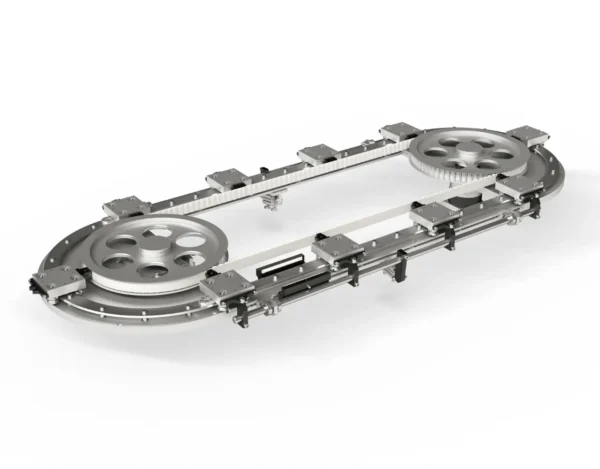
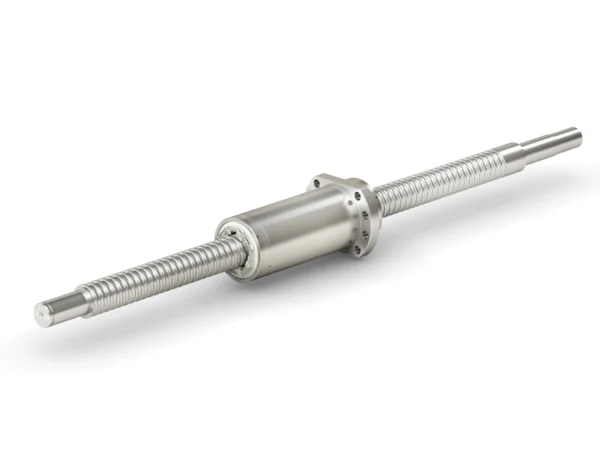
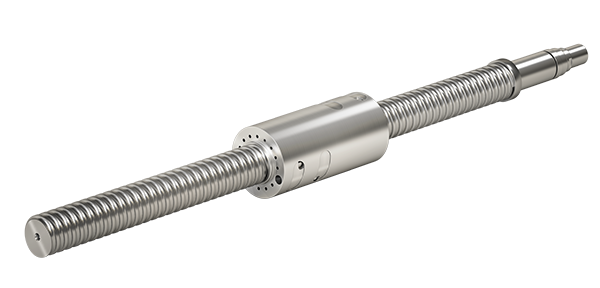
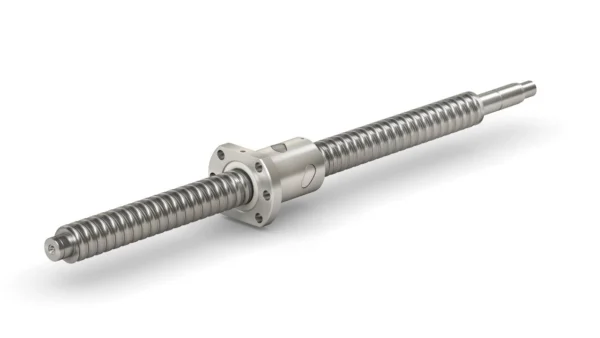


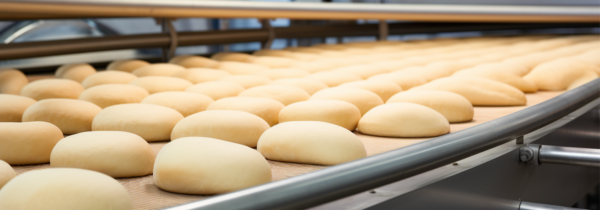
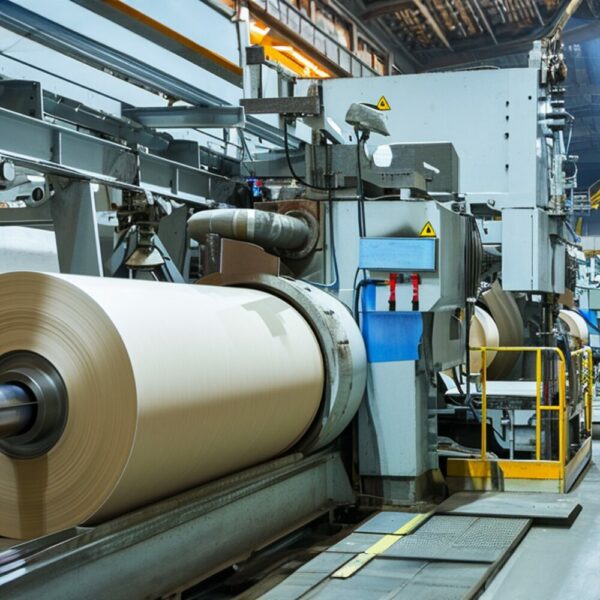
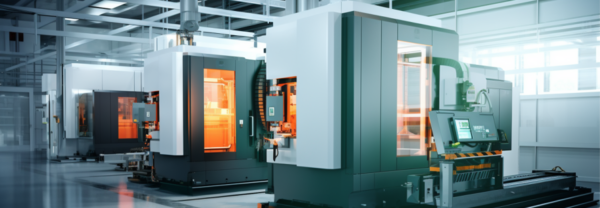

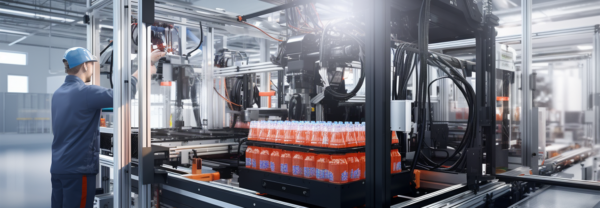

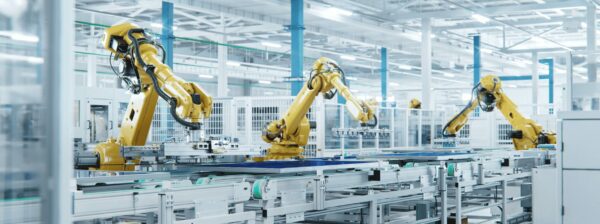








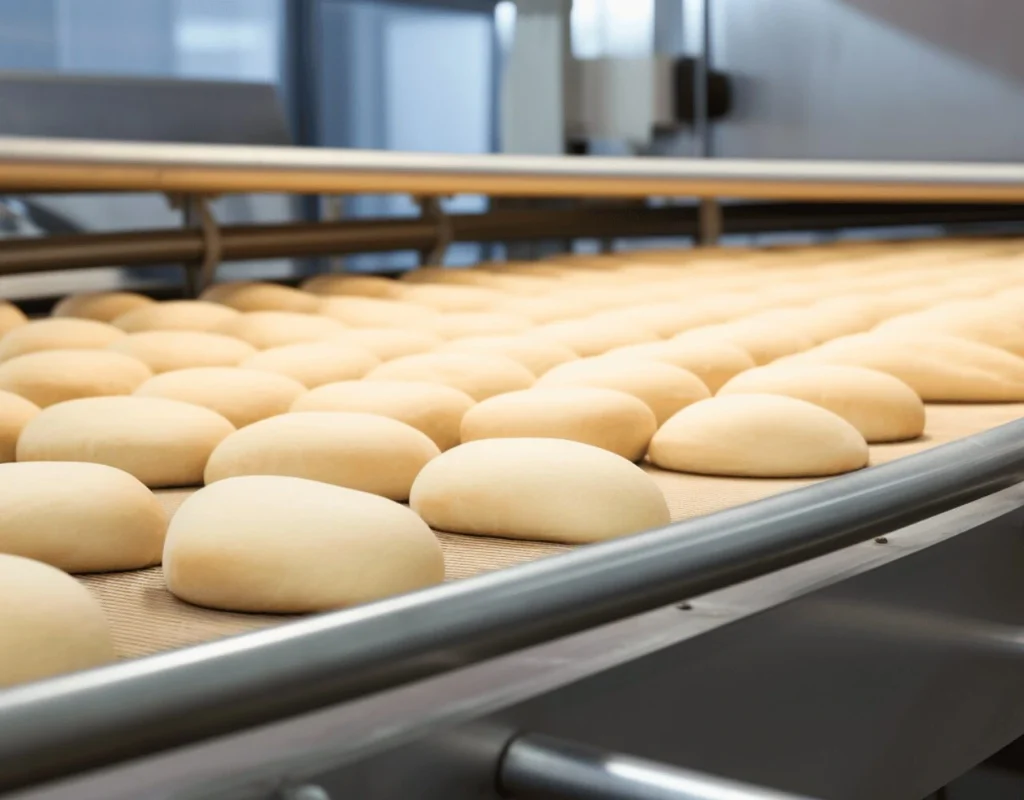
The food processing industry places stringent demands on linear motion systems: high-frequency cycles, strict hygiene standards, aggressive sanitisation processes and variable production layouts. This article explains how Rollon meets these challenges through solutions specifically designed for the food industry.
The food processing sector includes all operations related to the processing, handling, packaging, and movement of food along the entire production chain. From meat, fish, dairy, and baked goods processing facilities to packaging and palletising lines, these environments are characterised by strict hygiene requirements, high production rates, and intensive machinery usage.
Within this context, linear motion systems play a crucial role. They must deliver speed, operational continuity, and resistance to often harsh operating conditions. Key challenges include maintaining consistent performance over time, preventing food contamination, withstanding frequent and aggressive washdowns, and adapting to solutions that are often highly customised.
To address these requirements, Rollon offers a wide range of technologies developed specifically for the food processing sector, providing robust and reliable solutions that can be easily integrated into a variety of production layouts.
Speed and operational continuity
Food processing applications operate with continuous, high‑frequency cycles. Processes such as pick & place operations, rapid transfers between workstations, and synchronised movements during filling and packaging place severe dynamic demands on linear systems. These include high acceleration and deceleration rates, repeated directional changes, and high travel speeds. Under such conditions, the system’s ability to maintain consistent performance over time is essential to ensuring production continuity and quality.
Service continuity is a critical economic factor in food production plants. Production lines often run 24 hours a day with limited maintenance windows, meaning any unplanned downtime directly results in lost productivity. For this reason, component service life and predictable wear behaviour become design parameters of paramount importance.
Rollon’s solutions
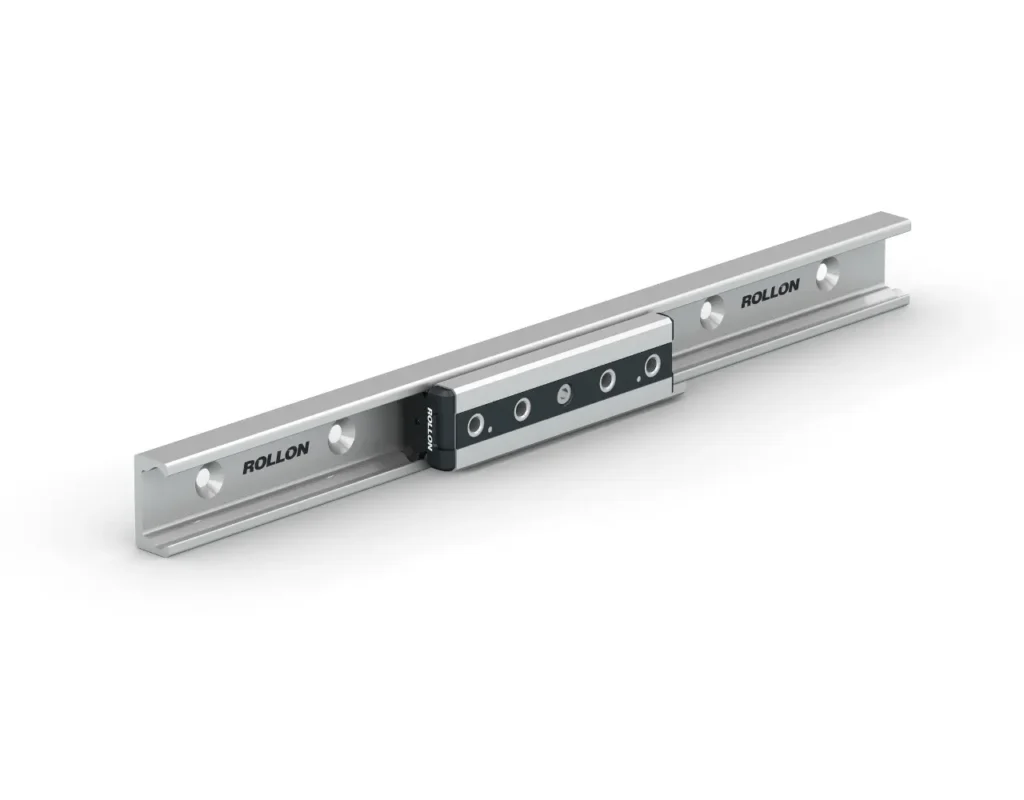
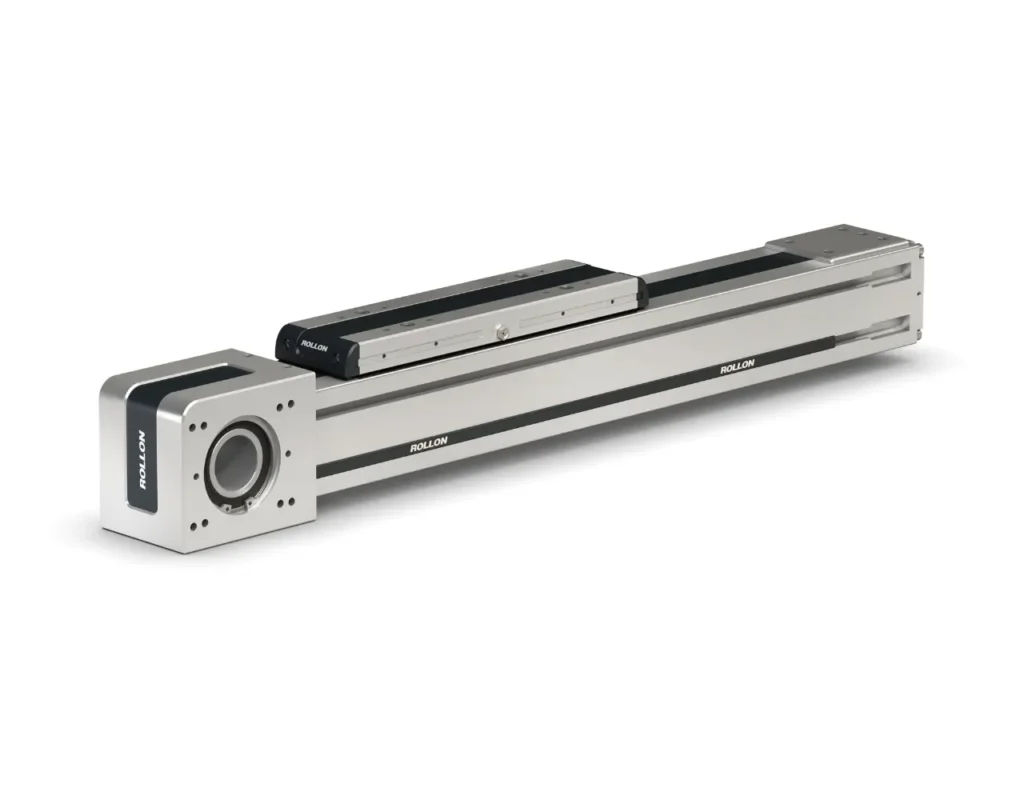
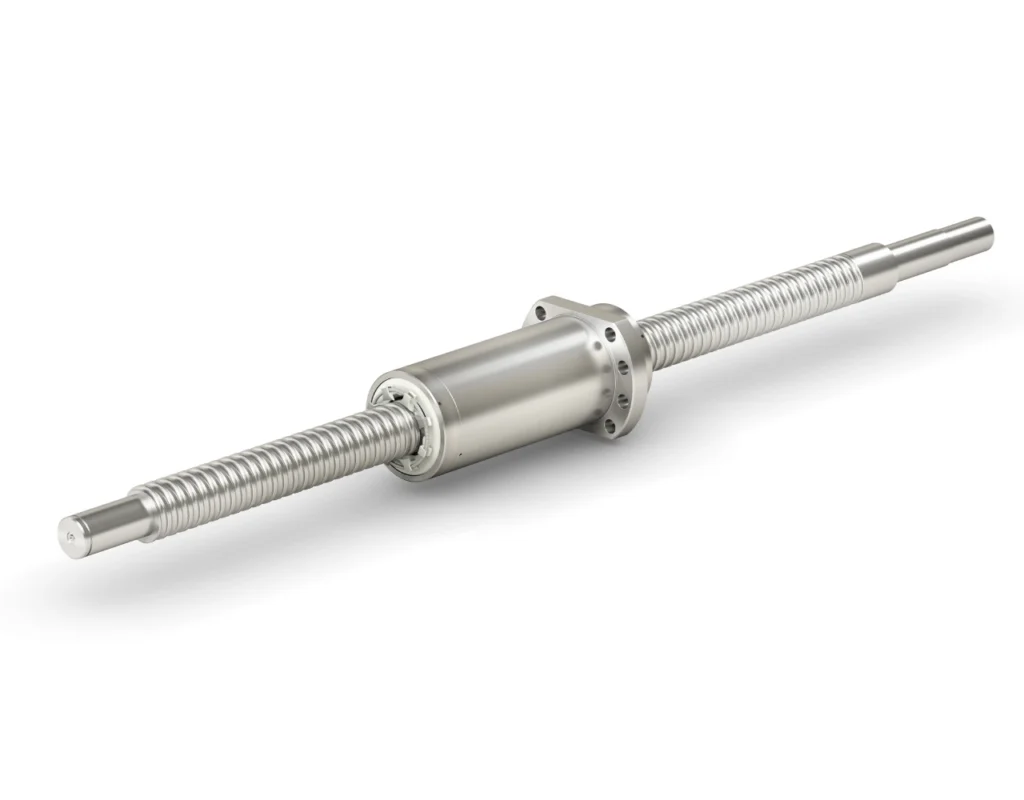
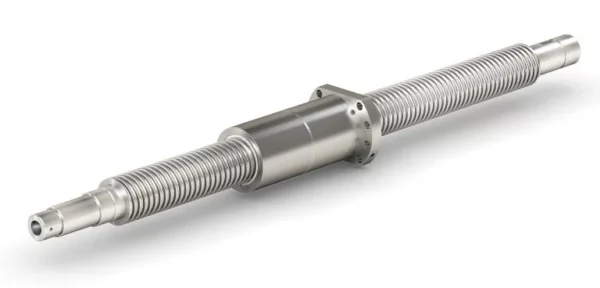
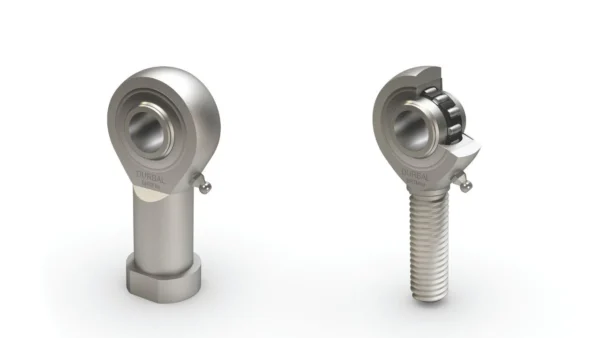
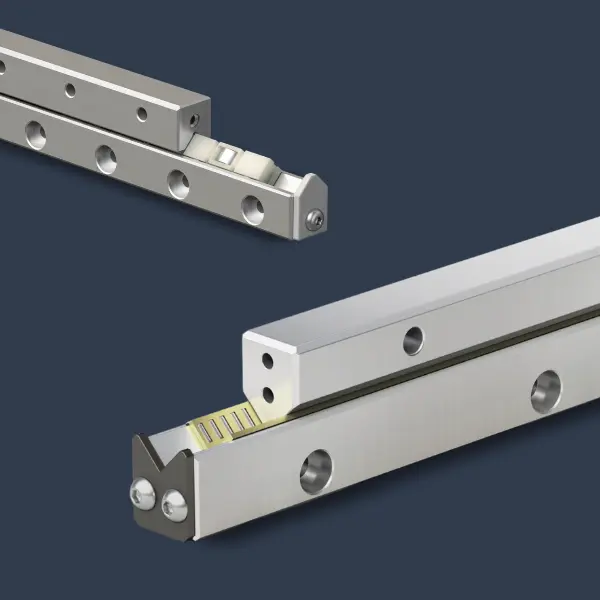
The Rollon portfolio includes actuators, linear guides, ball screws, and rod ends designed to meet demanding dynamic requirements. Their architectures are optimised to deliver fast, smooth, and precise linear motion, even under high‑frequency cycling conditions. These systems are engineered to maintain positioning repeatability over time, minimising mechanical performance drift even after a high number of operating cycles.
Particular attention is paid to the structural stiffness of the profiles, helping to reduce vibrations during acceleration and deceleration. This preserves the integrity of the handled products while reducing mechanical stress on components. A design philosophy focused on long service life minimises the need for downtime due to replacement or adjustment, contributing to maximised overall equipment effectiveness (OEE).
Prevention of contamination
In an industry governed by strict hygiene regulations, every component installed near the production line must be evaluated for its potential to cause contamination. This applies not only to parts in direct contact with foodstuffs but also to all components operating within the processing area that could release particles, lubricants, or residues into the surrounding environment.
Lubricants represent one of the primary risk factors. The migration of conventional mineral greases into the product or working environment can result in non‑compliance of the final product. At the same time, food residues that accumulate on mechanical components during processing can reduce accuracy and accelerate system deterioration.
Rollon’s solutions
Rollon supplies components lubricated with food‑grade grease that complies with FDA and European standards, eliminating at the source the risk of chemical contamination from motion systems. The Plus series of linear actuators, for example, uses recirculating ball bearings with an integrated “lifetime” grease reservoir that helps ensure continuous, controlled lubrication and reduces maintenance frequency.
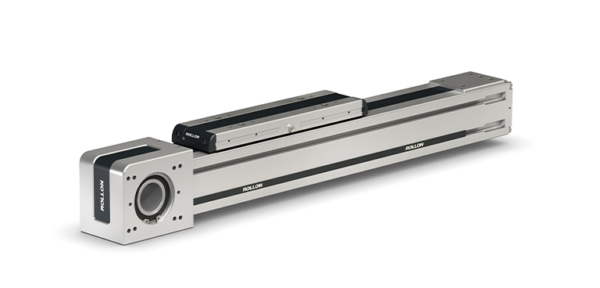
For applications requiring complete separation between the system and the external environment, Rollon offers sealed or pressurised solutions such as the the ELM linear actuator. The closed structure of this axis protects both the working environment and the internal components from liquid infiltration and process residues, providing a dual level of protection suitable for the most critical applications. The system can also be pressurised up to 0.7-0.8 atmospheres for additional protection.
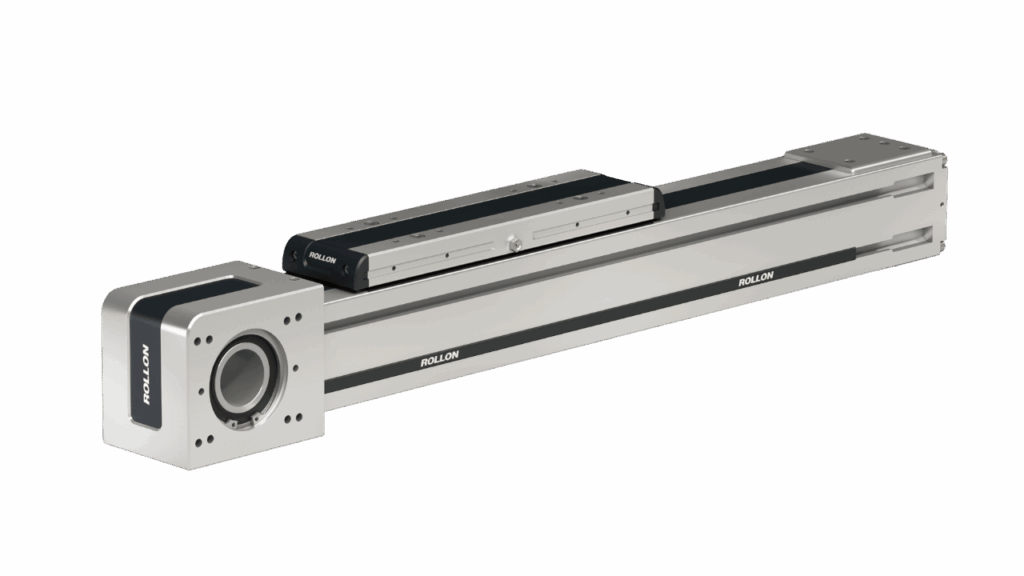
The Rollon® ELM belt-driven linear actuator.
Corrosion resistance
Sanitisation procedures in food processing plants are typically carried out daily and involve high‑pressure water, steam, and chemical detergents, which are sometimes strongly acidic or alkaline. The intensity and frequency of these cleaning cycles expose mechanical components to significant chemical and physical stress, potentially degrading surface treatments, damaging base materials, and compromising system functionality in the short to medium term.
Surface corrosion of profiles and slides can introduce unwanted mechanical play, alter positioning repeatability, and, in advanced cases, lead to premature component replacement.
Rollon’s solutions
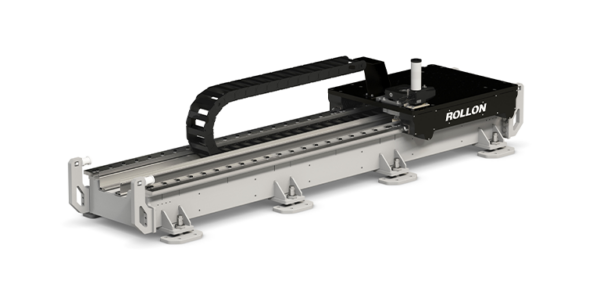
Rollon offers an extensive portfolio of solutions designed to operate reliably in environments subject to aggressive cleaning procedures. The ELM and ROBOT actuators in their Corrosion Resistance versions, for example, feature guides and carriages made entirely from stainless steel. Structural steel parts can also be treated with specific surface finishes, such as nickel plating or zinc plating, selected according to the required level of protection.
The belt drive system is likewise optimised for these operating conditions. Internal stainless‑steel strands provide tensile strength and corrosion protection, supporting consistent mechanical performance over time. The combination of stainless‑steel materials, appropriate surface treatments, and effective sealing significantly extends component service life, reducing both replacement costs and downtime caused by component degradation.
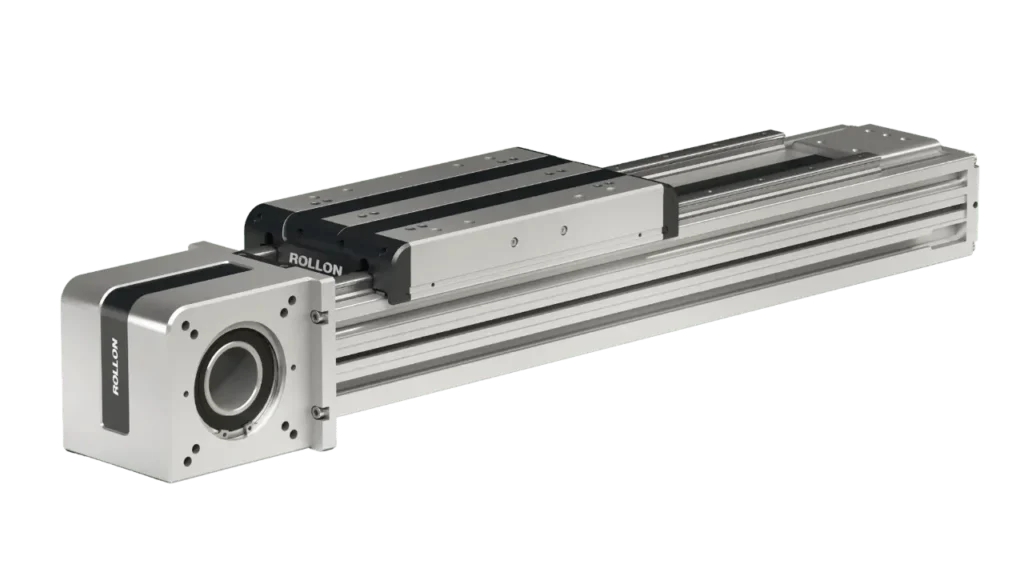
The Rollon® ROBOT belt-driven linear actuator.
Customization
There are no truly standard applications in food processing. Each production line is the result of specific design decisions based on factors such as product type, production volume, plant layout, machine size constraints, and applicable regulatory requirements. As a result, linear motion systems must integrate into highly variable configurations, adapting both geometrically and dimensionally, as well as functionally and in terms of performance.
Rollon’s solutions
Rollon provides a high degree of customization for its linear systems, working in close co‑engineering collaboration with customers from the early stages of project development. This approach allows application‑specific requirements to be translated into optimised mechanical configurations that take dynamic performance, hygiene, chemical resistance, and dimensional integration into account simultaneously.
Thanks to the technical expertise developed through years of collaboration with leading food machinery manufacturers, Rollon can contribute effectively during the design phase by proposing the most appropriate solutions and anticipating critical issues from the outset. The result is a linear system that not only meets technical specifications but actively enhances the overall efficiency and reliability of the machine.
For more information, contact our team of Application Engineers.