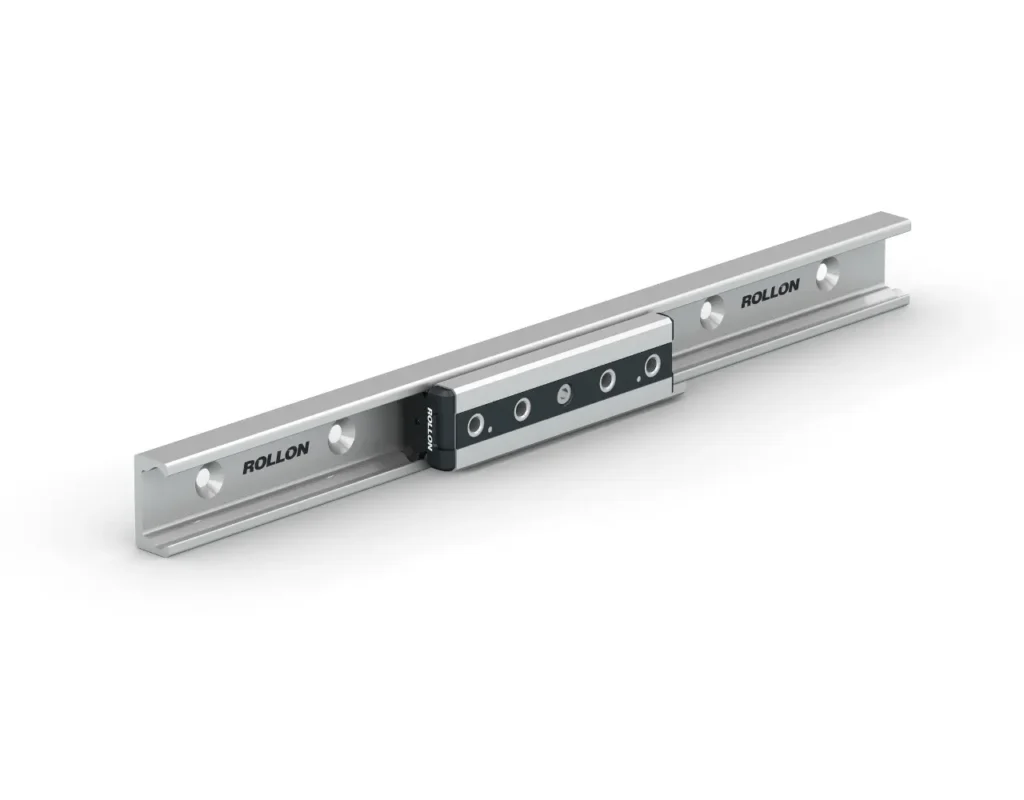
 Linear guides
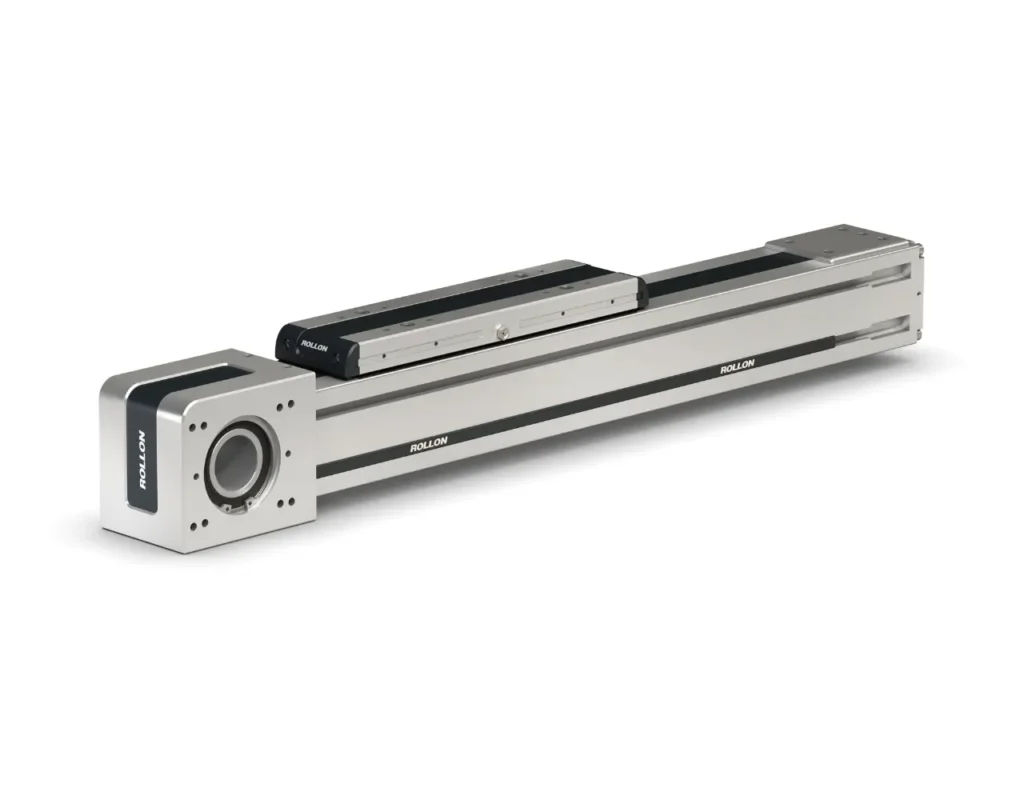 Linear actuators
 XP Xtrem Position
 Rod ends
 Telescopic rails
 Multi-axis
 XL Xtrem Load
 Spherical plain bearings
 Curved guides
 Robot transfer units
 XT Xtrem Transport
 Needle roller bearings
 Cam followers
 Circular systems
 Rollon RB
 Locknuts and rings
 Aerospace
 Contract & Building
 Electronics
 Food & Beverage
 Industrial machinery
 Healthcare
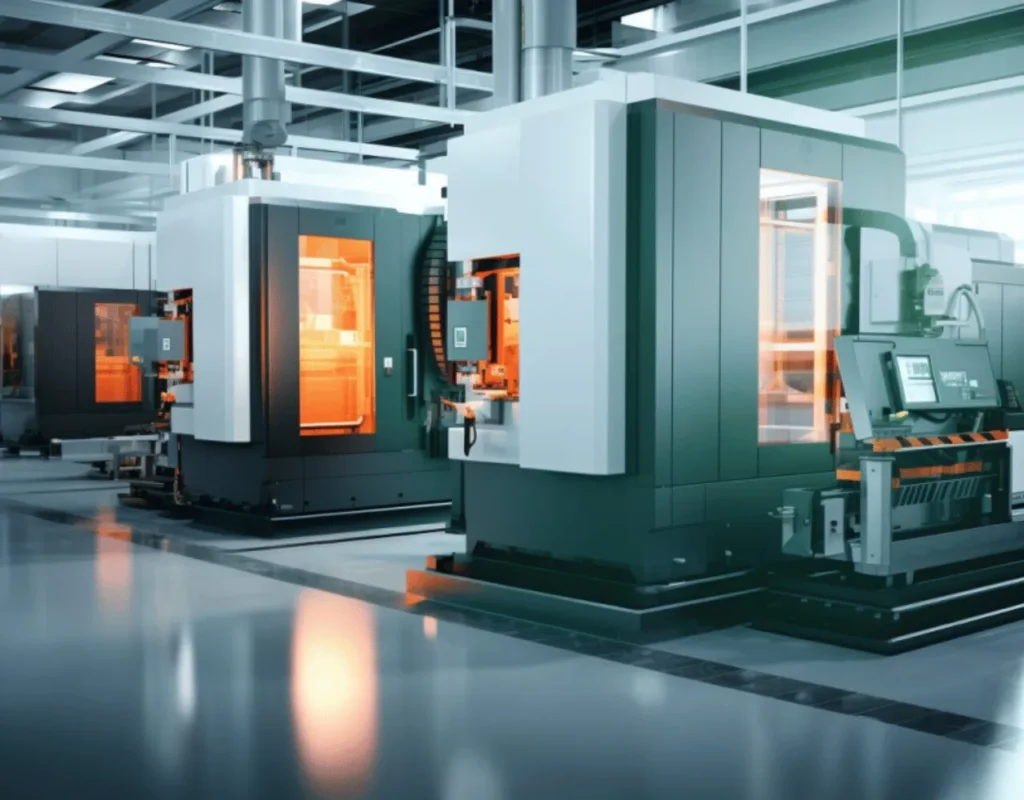 Machine tool
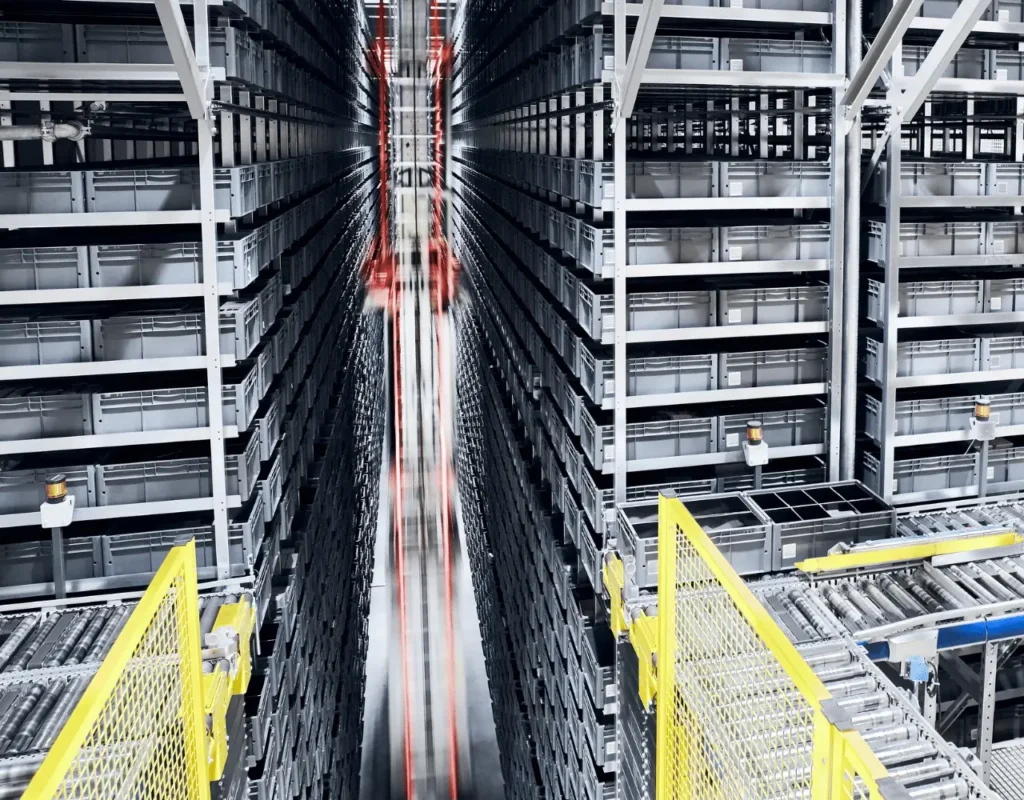 Material handling
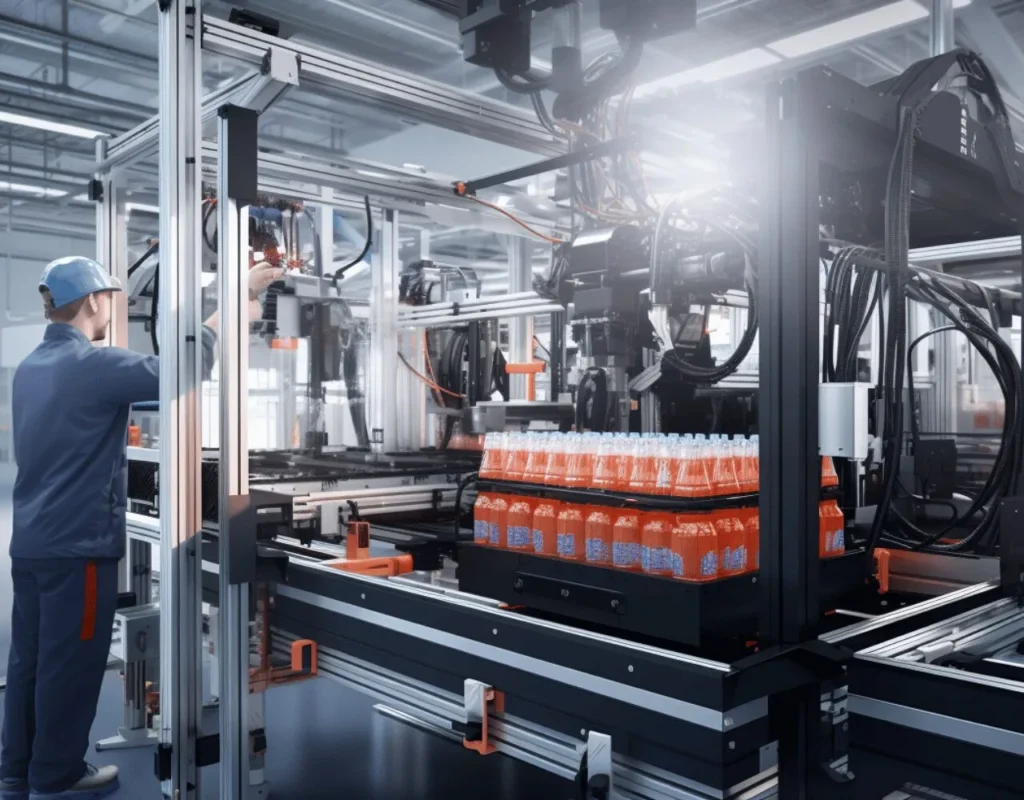 Packaging
 Railway
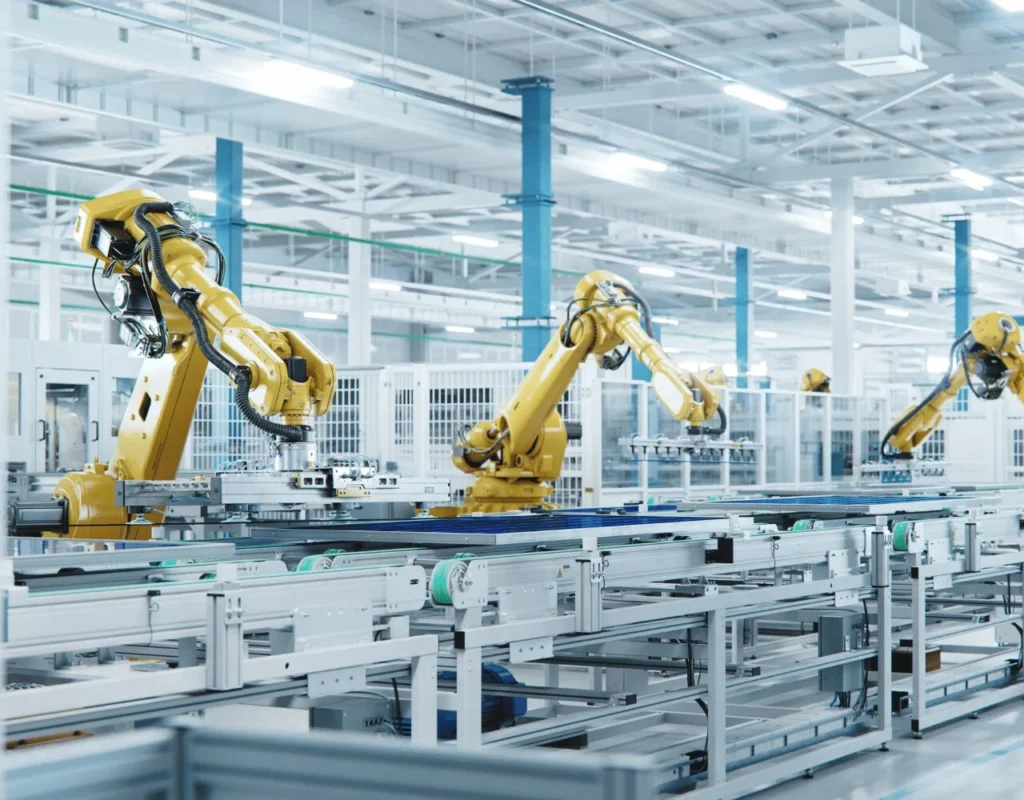 Robotics & Automation
 Special Vehicles






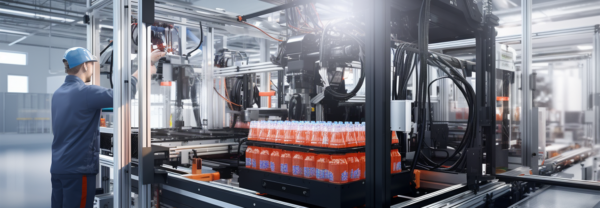

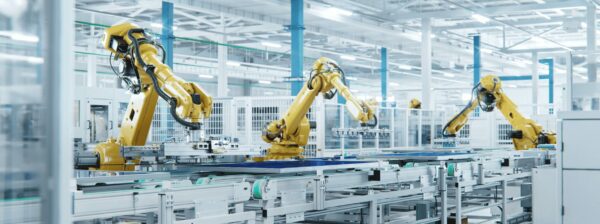








In modern factory automation reliability is often won or lost in the details of how axes move, stop, and repeat. Whether you’re building a packaging line, a pick-and-place cell, or a modular station for automation in manufacturing, the performance of your linear motion components directly impacts uptime, accuracy, and total cost of ownership.
Factory Automation and the Role of Linear Motion Components
As machine automation becomes more modular and space-efficient, choosing the right linear motion components is part of good automation engineering, because the linear guide technology determines how sensitive the axis will be to mounting imperfections, contamination, and cycle intensity.
A key reason roller-based rails are used in factory automation is their ability to handle small misalignments in mounting surfaces. Instead of turning slight parallelism or flatness deviations into friction spikes and premature wear, roller-bearing rails are built to manage misalignments which can simplify machine design and reduce application costs tied to alignment and finishing operations.
Motion Control Challenges in Automation Engineering and Machine Automation
The toughest motion control problems rarely come from a single factor. They come from combinations such as high moment loads, short cycle times, dust, compact layouts and limited service access. In production, these challenges show up as vibration, noise, inconsistent positioning, and maintenance that arrives sooner than planned.
Roller-bearing rails address several of these pain points at the same time. They’re intended to run quickly and quietly while coping with mounting misalignment, which helps maintain repeatability when motion control systems are pushed hard by acceleration profiles and rapid stops. And because roller elements have a larger diameter than typical ball-based solutions, they can be more effective at dealing with impurities.
Roller-Based Linear Motion Components for Demanding Motion Control Systems
When you’re selecting guides for demanding motion control systems, if the machine frame can’t realistically be machined to tight tolerances, or if you want to avoid complex alignment steps during installation, roller-based rails can reduce the engineering burden without compromising robustness. Rollon’s approach combines linear guides with hardened raceways, industrial-grade profiles, and self-aligning concepts to support precision and durability across a wide range of applications, including dirty and demanding environments.
How Self-Aligning Linear Guides Support Automation in Manufacturing
Self-alignment is one of the most valuable features in real-world factory automation. It doesn’t just help the axis run smoother, but it can shorten commissioning time and reduce variability from one machine build to the next.
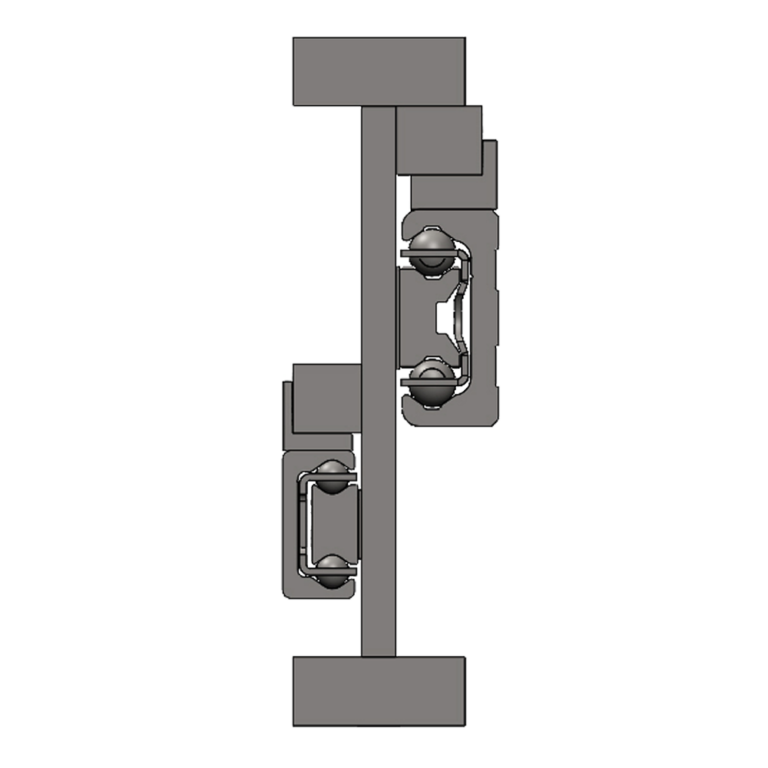
In roller-bearing rails, self-alignment is closely tied to the ability to manage mounting-surface misalignment. The result is often fewer corrective steps during installation and less reliance on perfectly machined structures which is an advantage when scaling machine automation across multiple lines or when building compact equipment where access for measurement tools is limited.
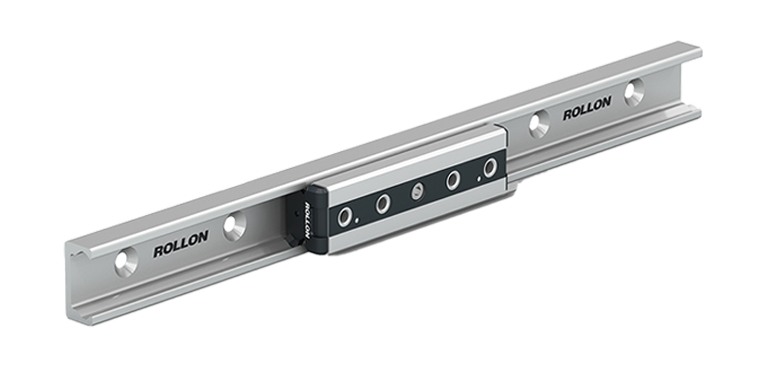
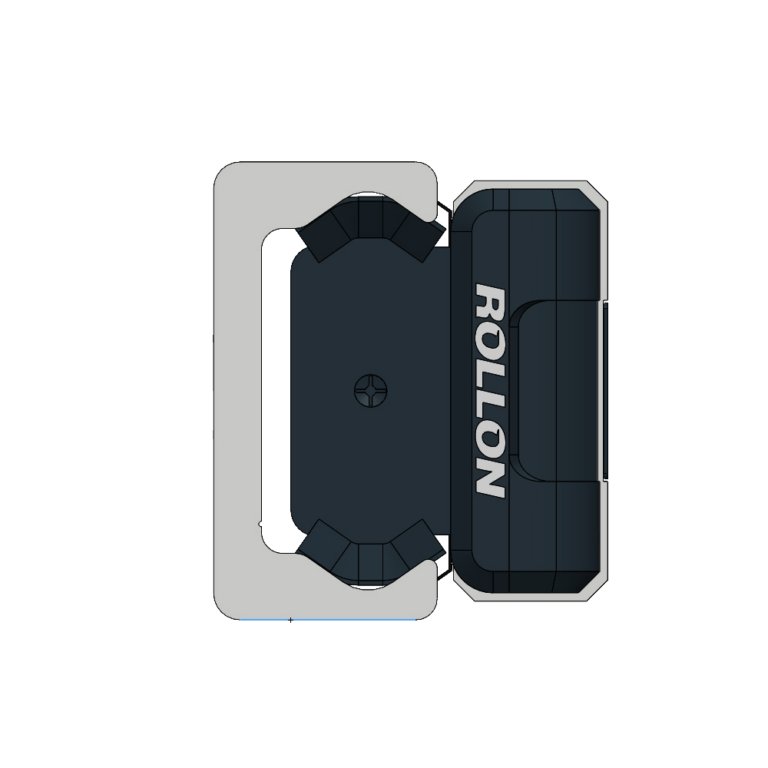
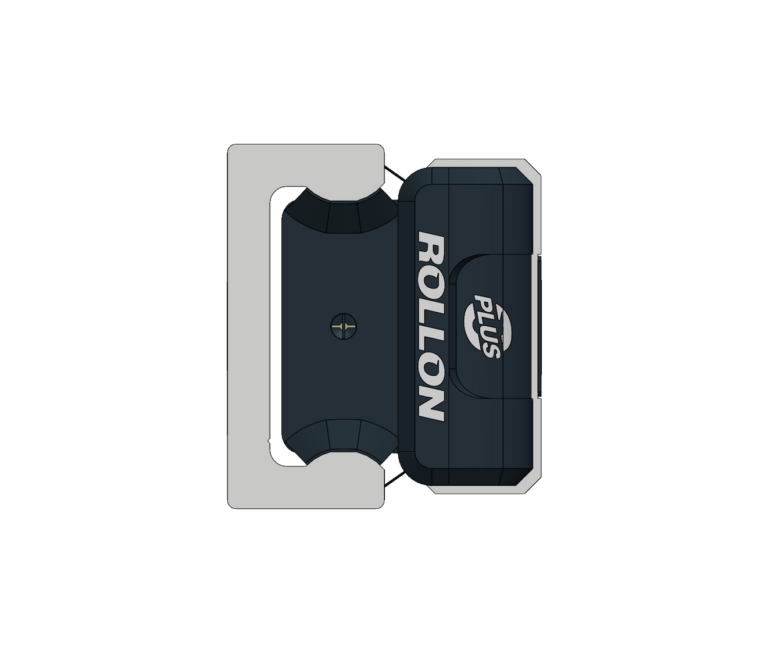
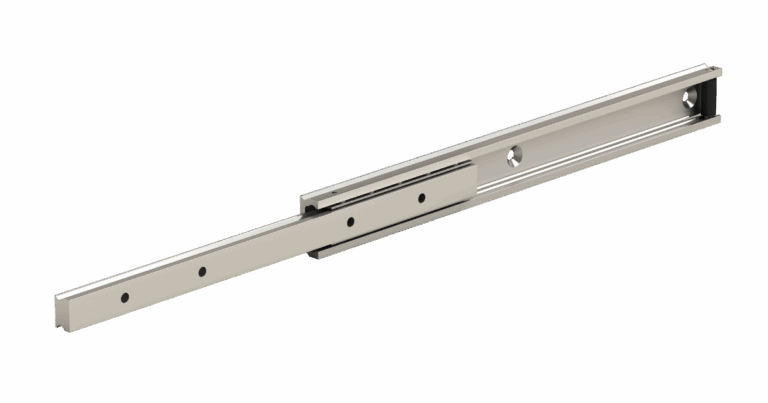
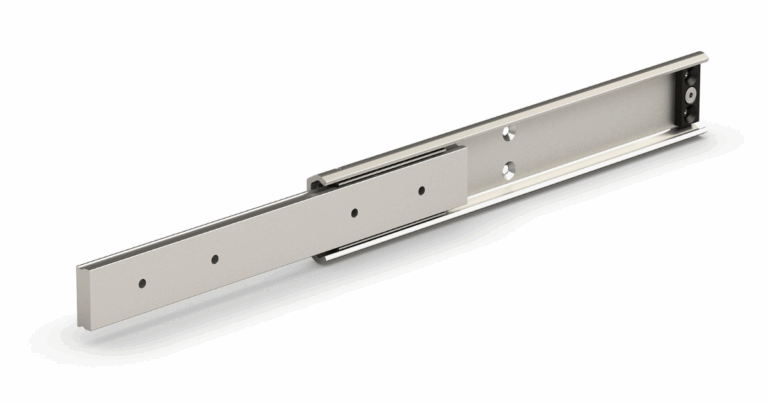
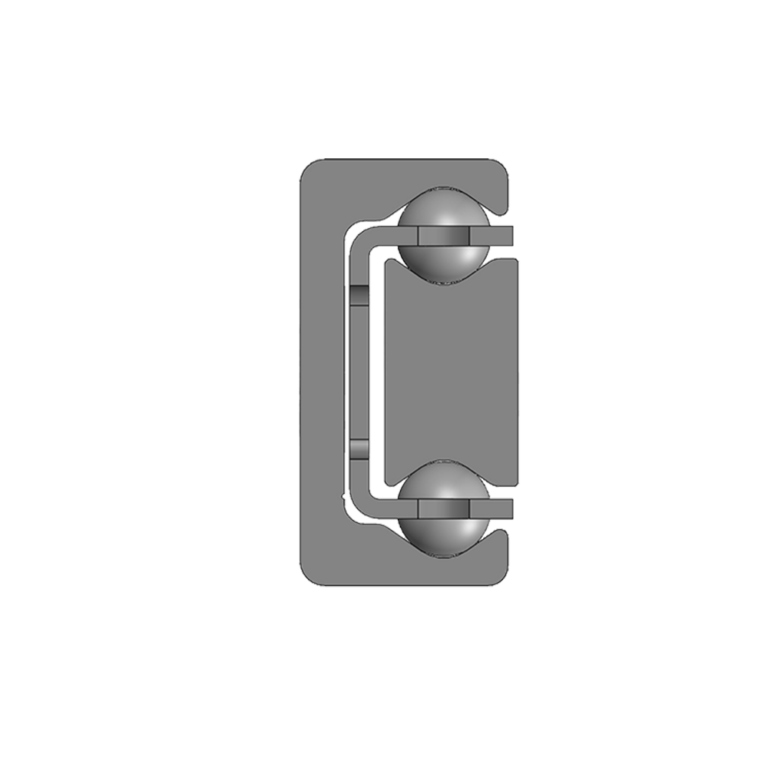
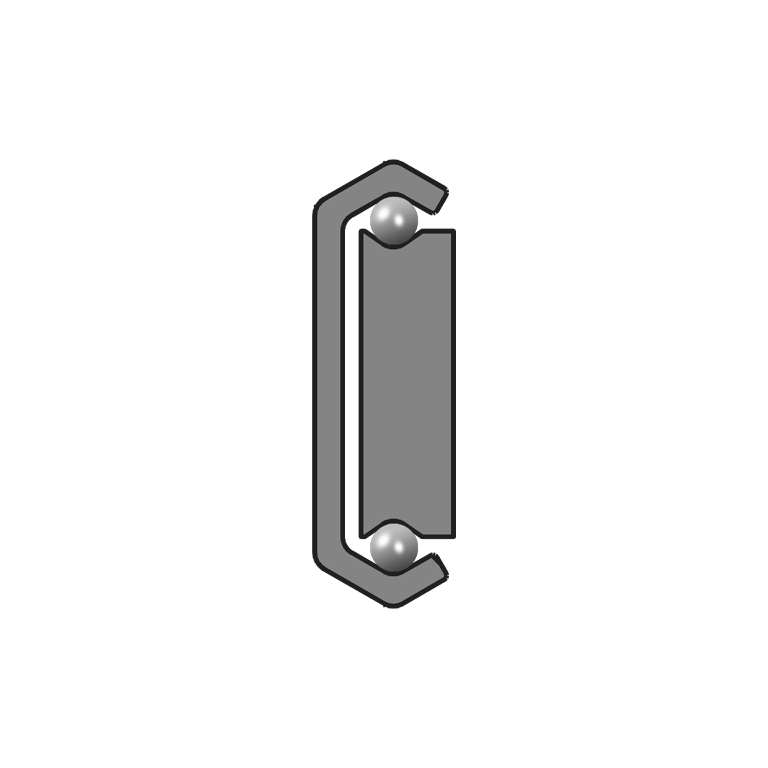
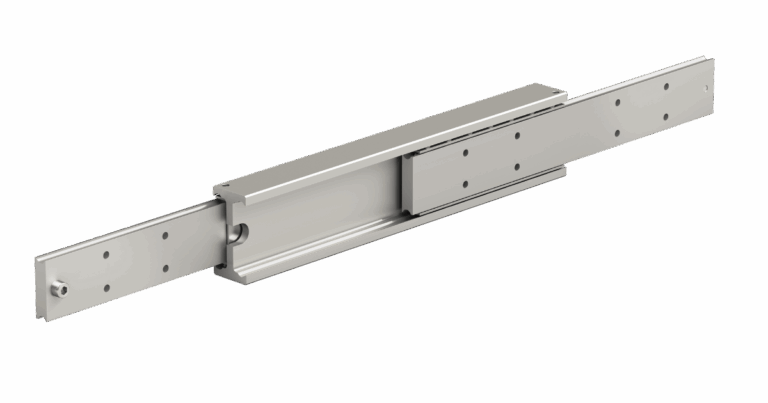
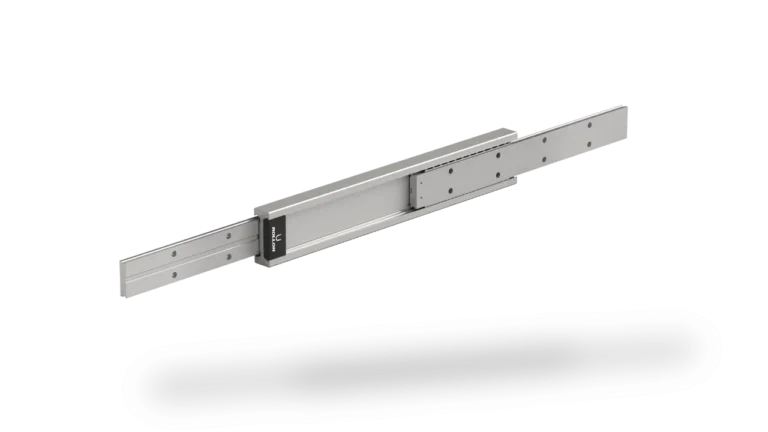
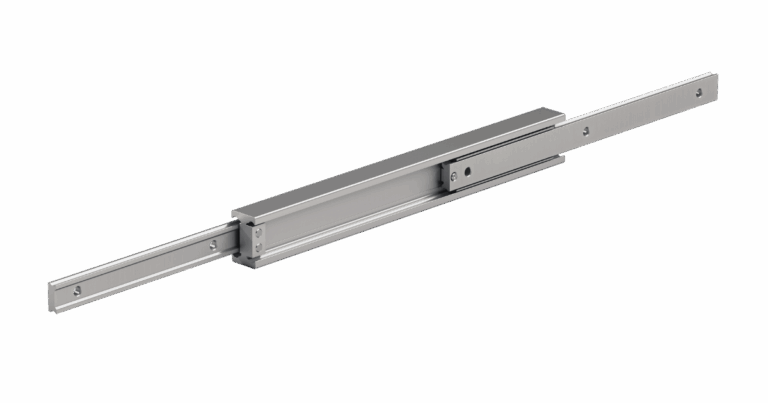
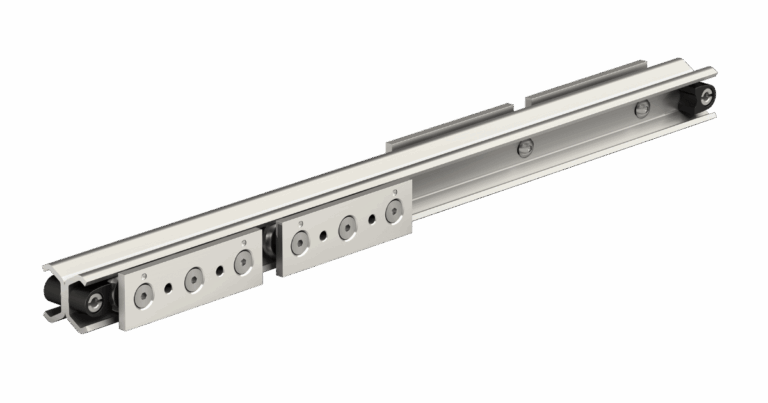
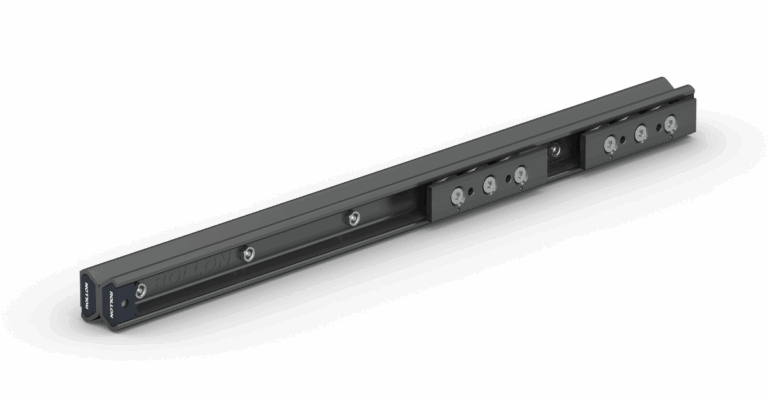
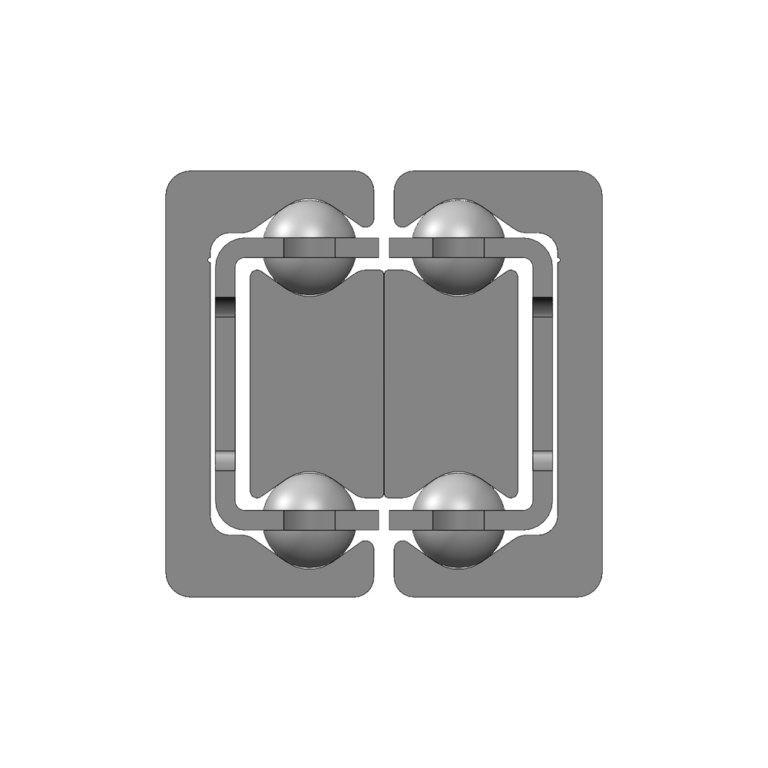
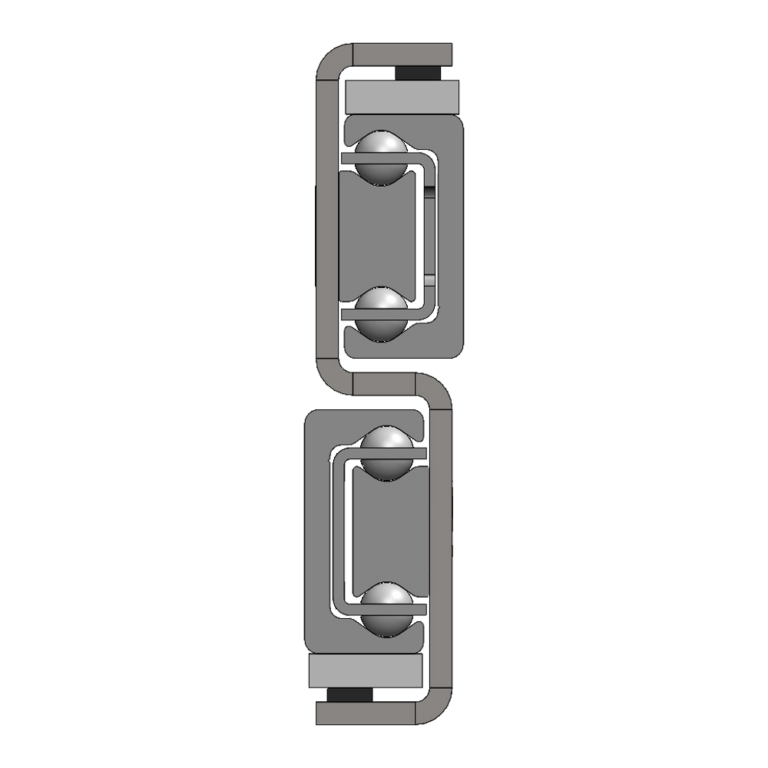
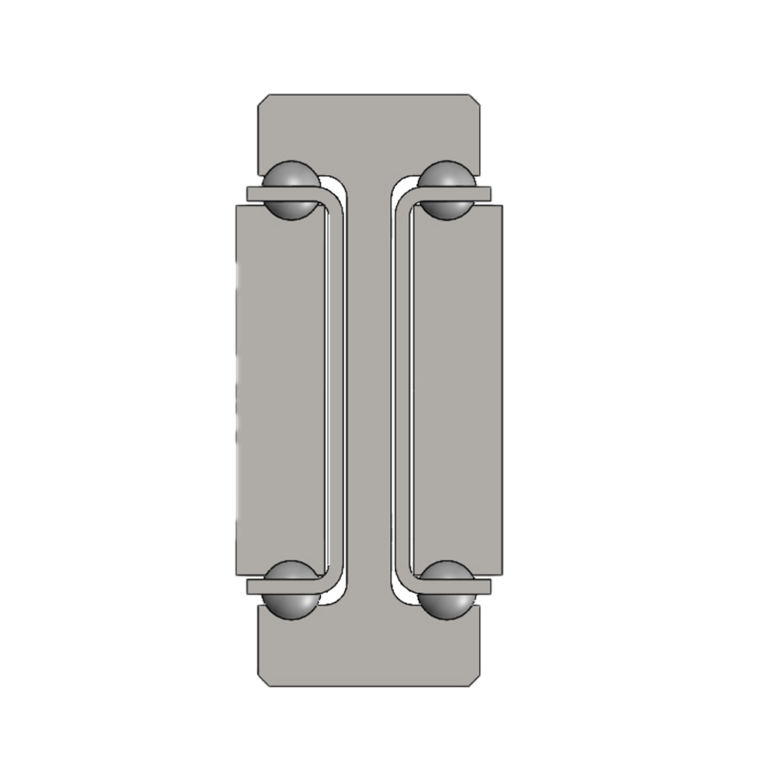
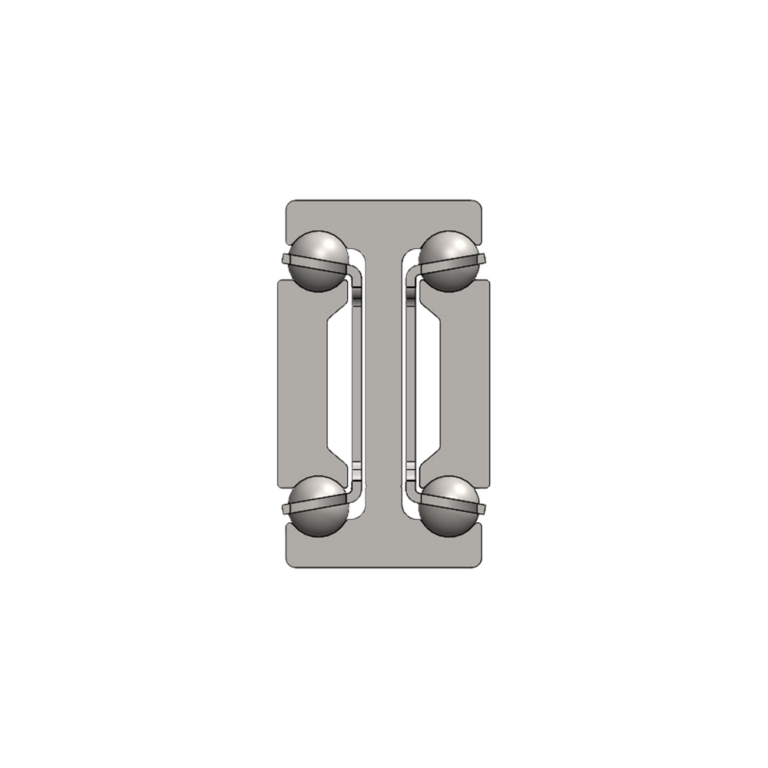
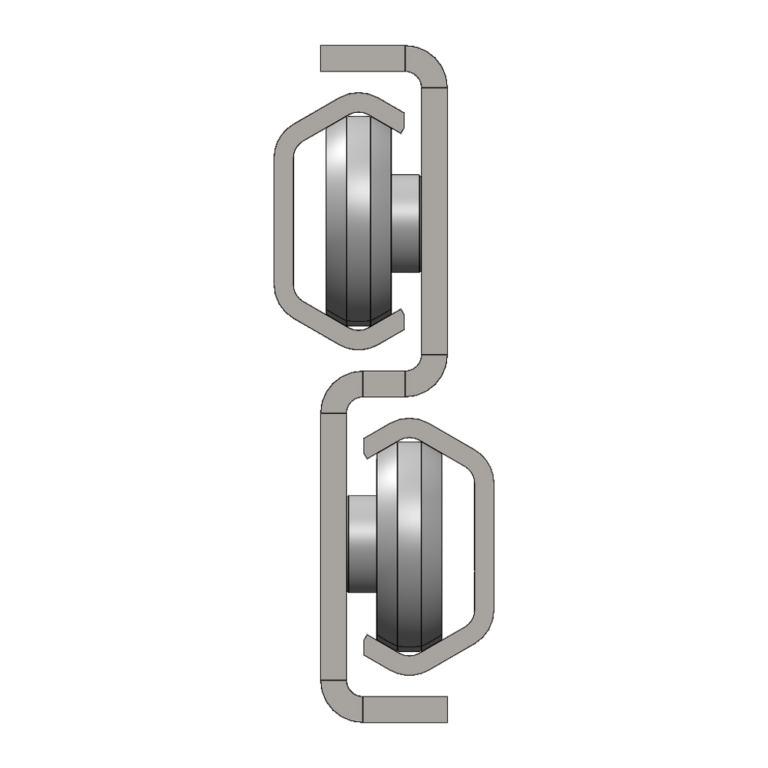
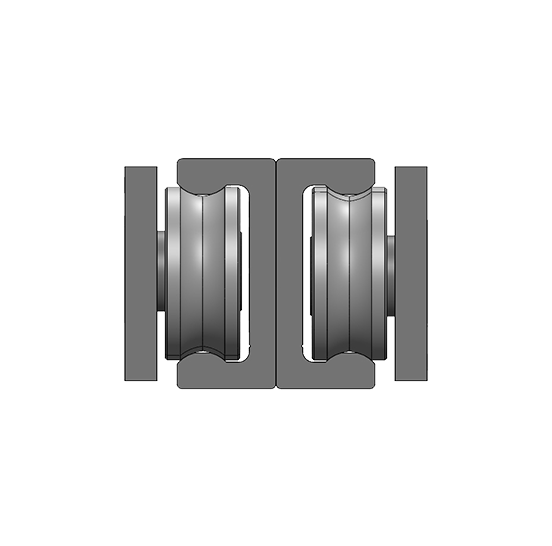
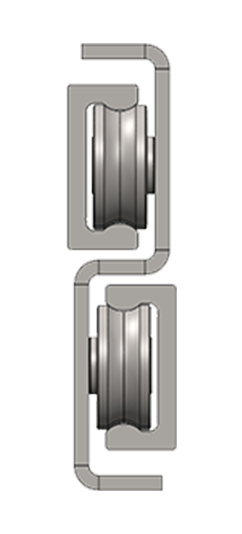
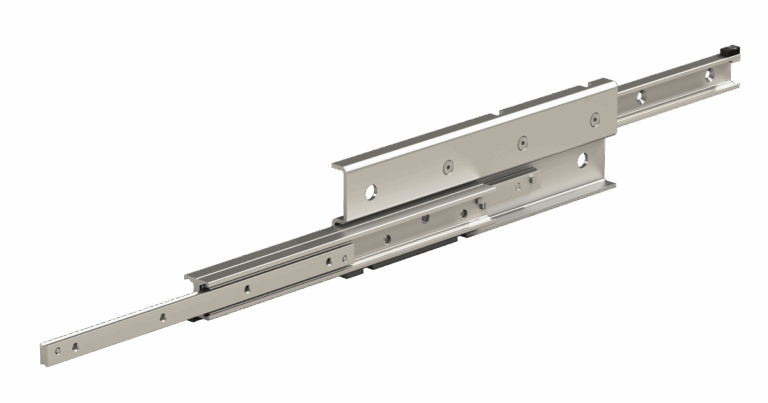
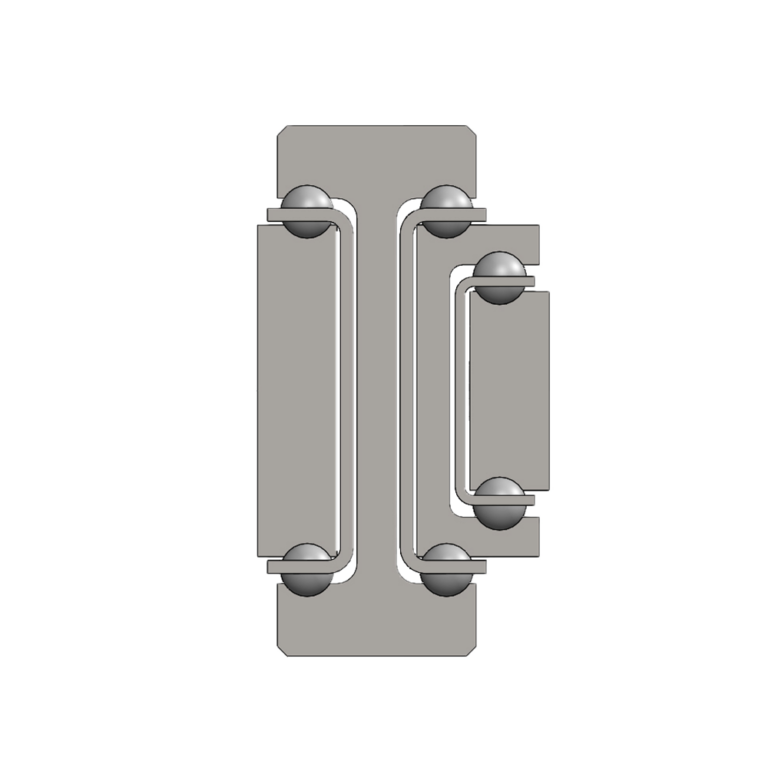
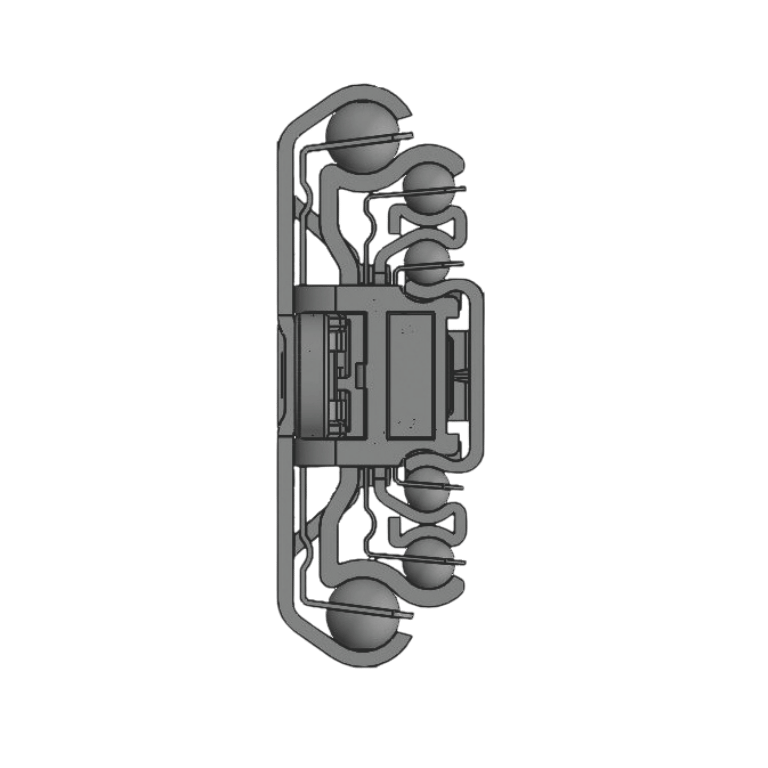
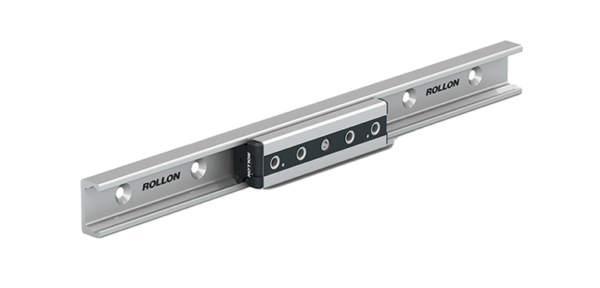
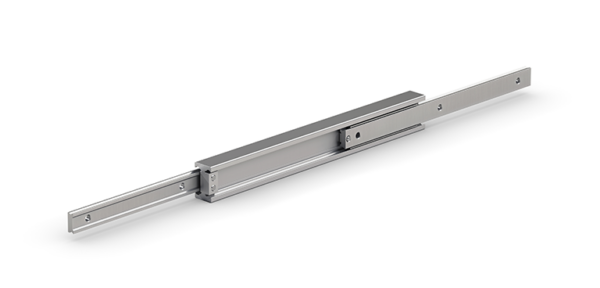
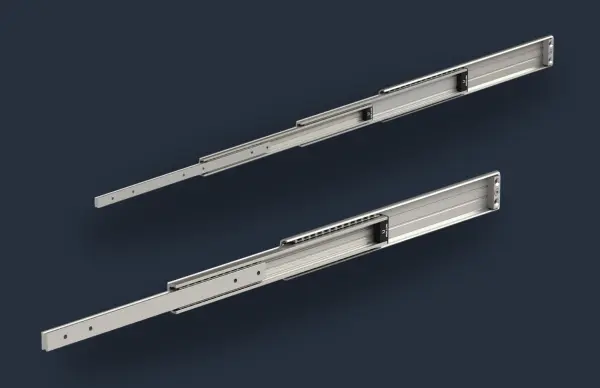
Compact Rail, a self-aligning linear guide family built around a C-profile concept that simplifies assembly and is commonly selected when misalignment is a real constraint in the project. Compact Rail is a solution that helps address misalignment issues thanks to its self-aligning system and hardened raceways.
Why Rollon Roller Rails Are a Ideal for Robotics in Packaging and Other Factory Automation Solutions
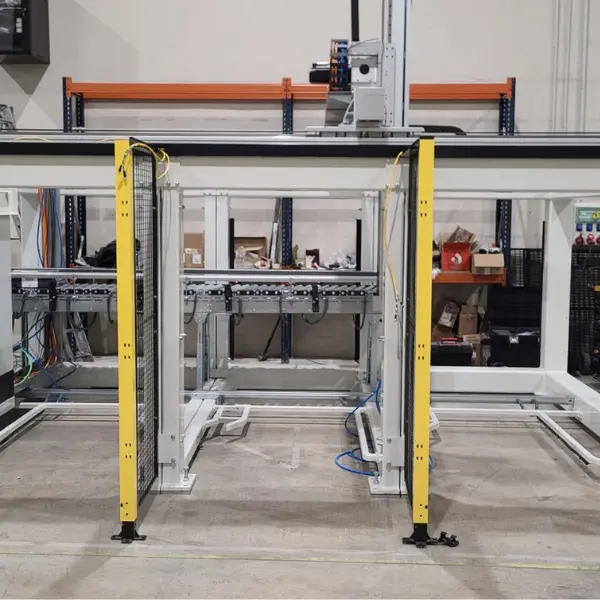
In robotics in packaging, linear motion often is used in end-of-line positioning, carton handling, infeed/outfeed management, and guided doors or guarding elements that must operate reliably at high frequency. These applications benefit from rails that tolerate imperfect mounting, remain stable under load changes, and keep moving even when the environment isn’t clean.
Roller-bearing rails are frequently chosen in packaging machinery because they combine misalignment management with strong behavior in dirty environments, dust, shavings, and processing residues are explicitly called out as conditions where roller-bearing rails can be especially effective.
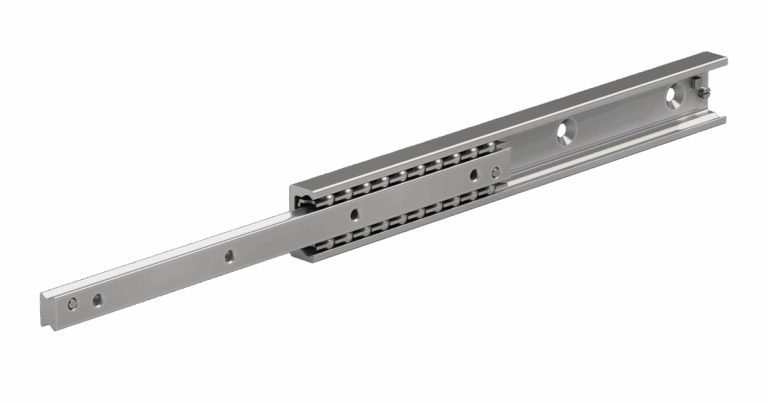
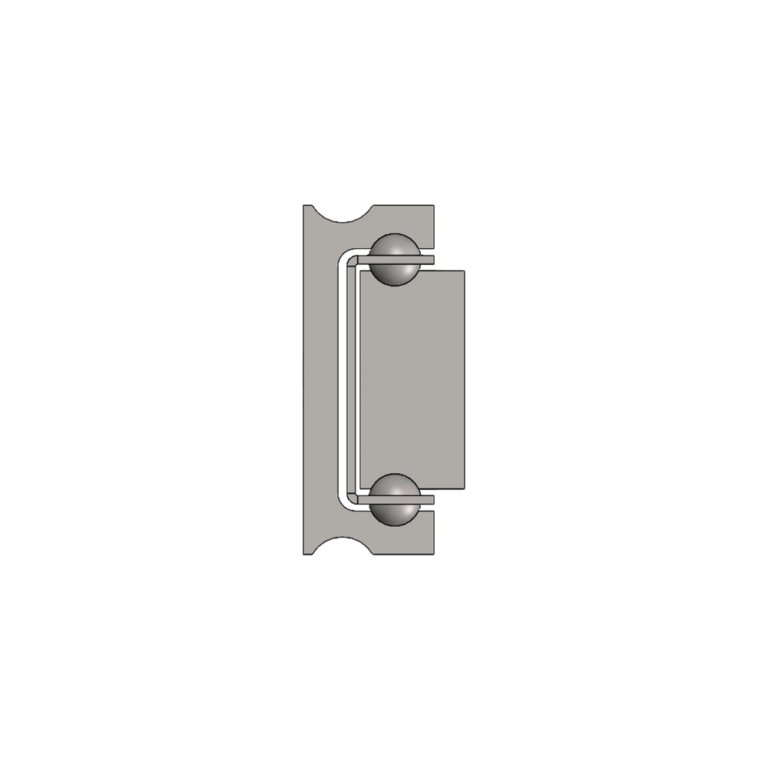
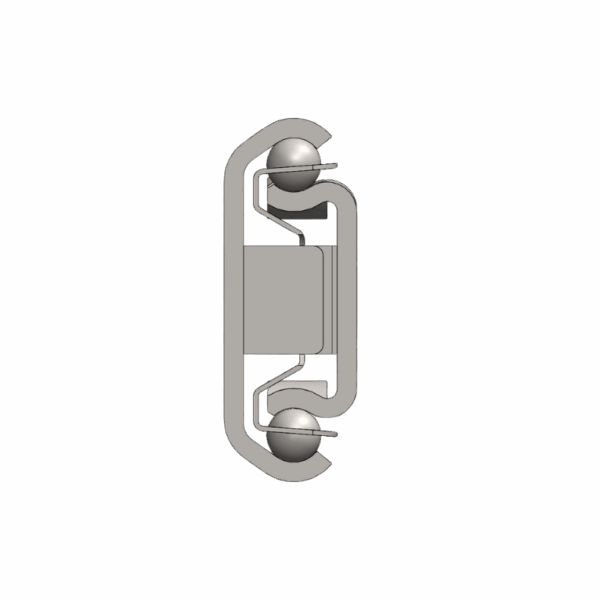
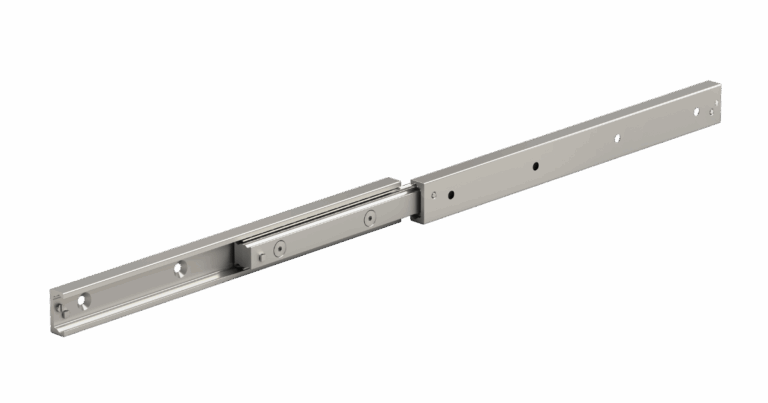
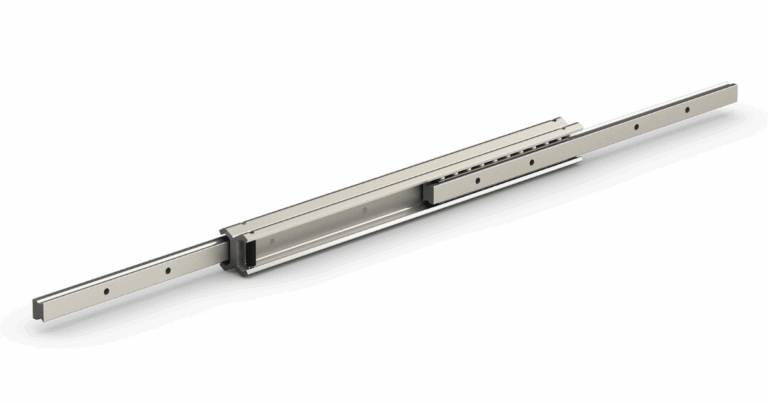
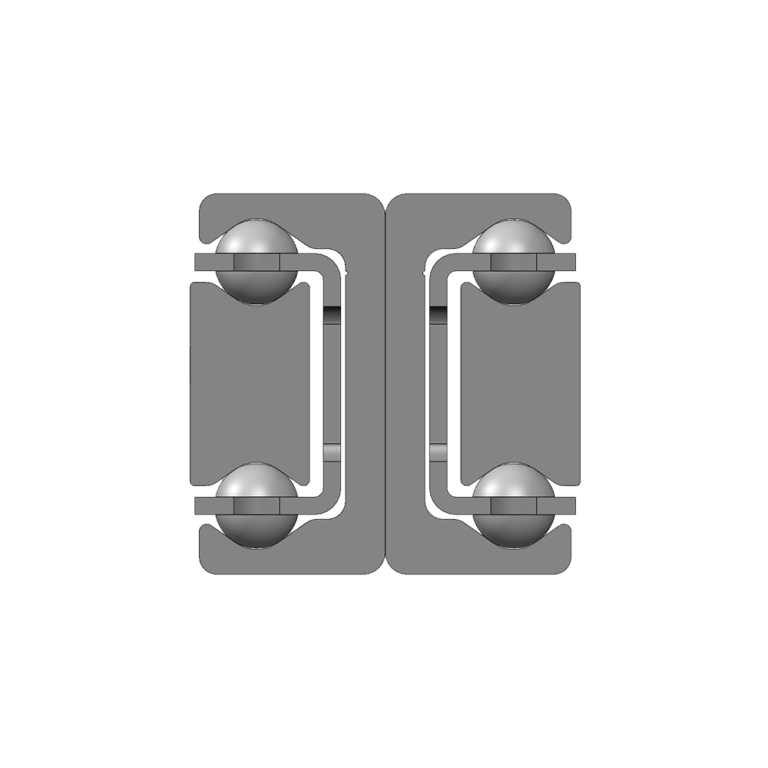
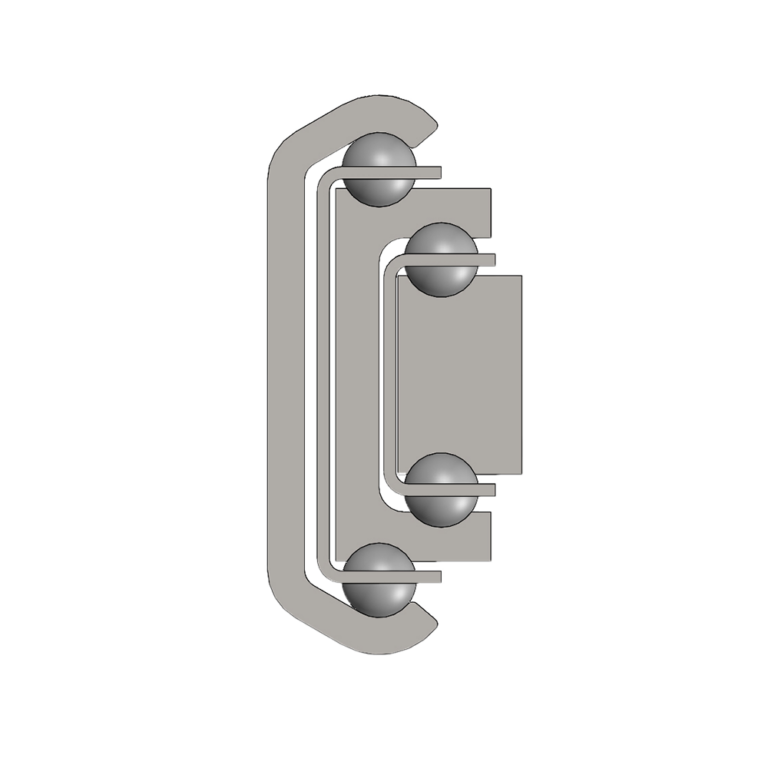
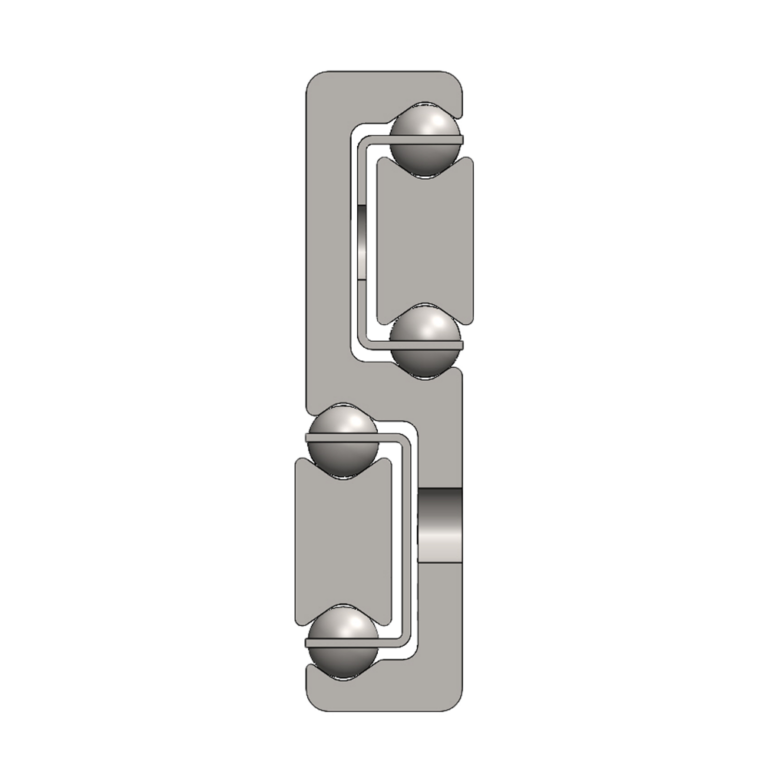
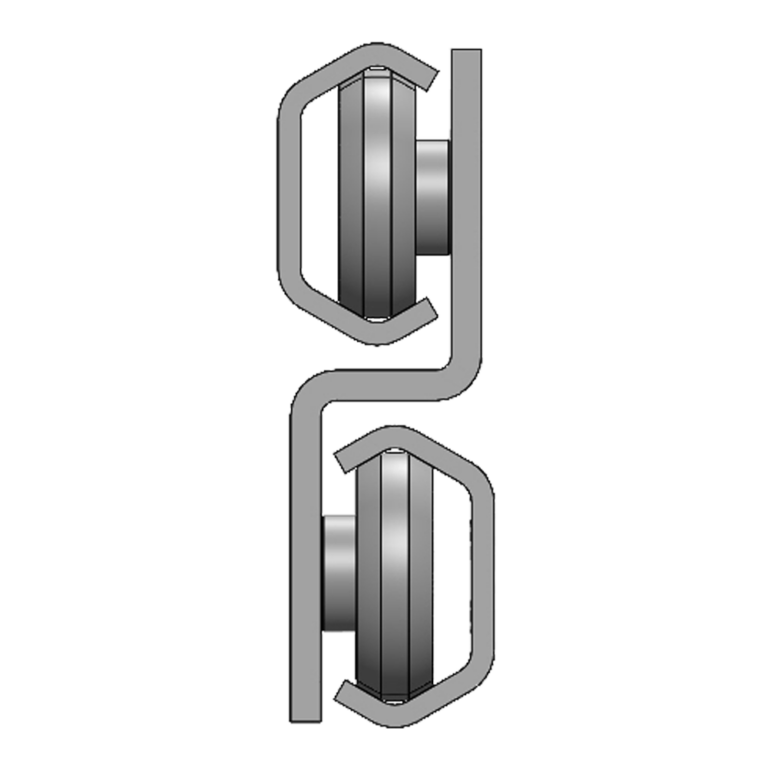
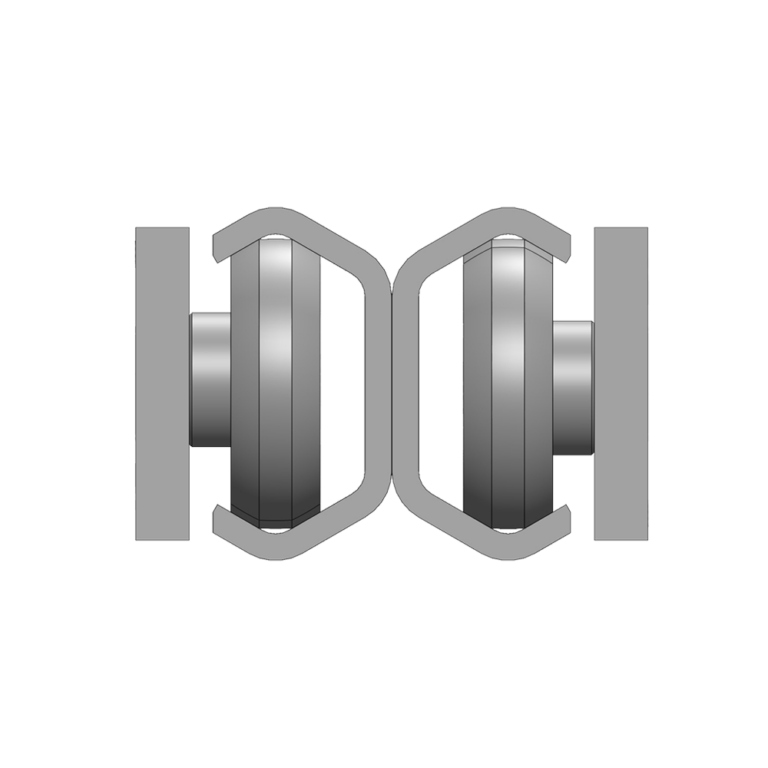
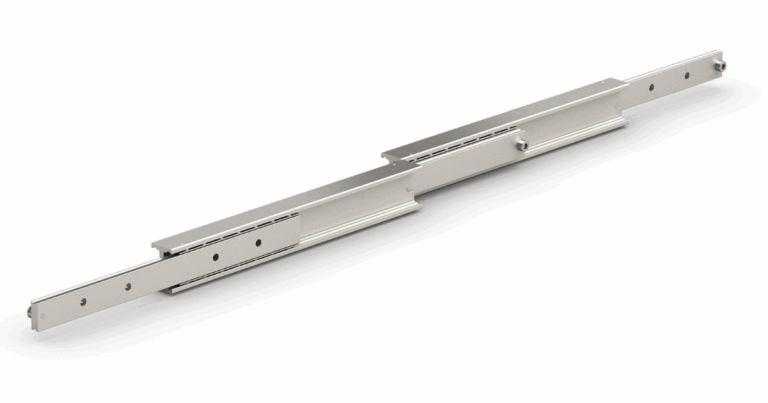
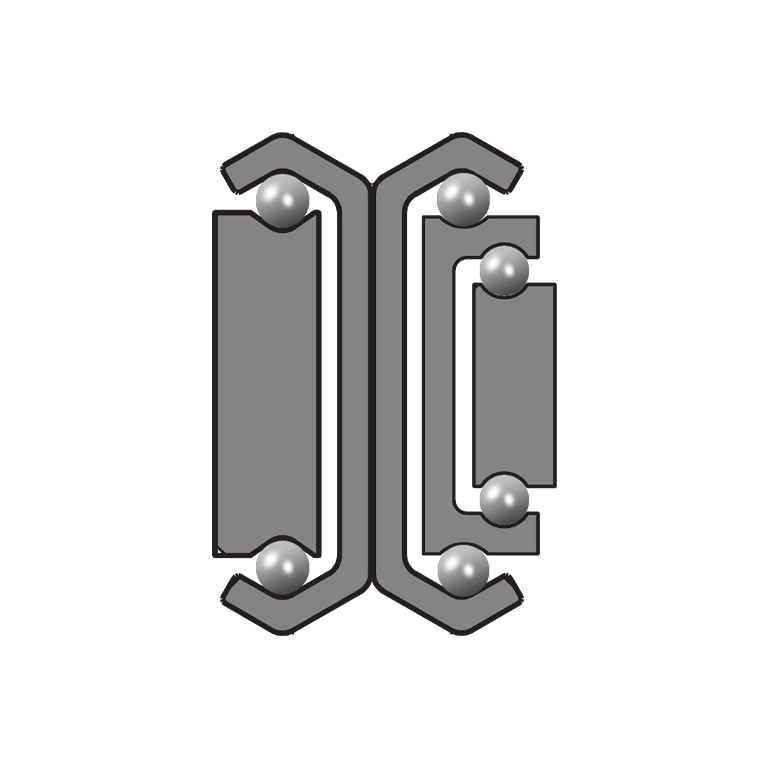
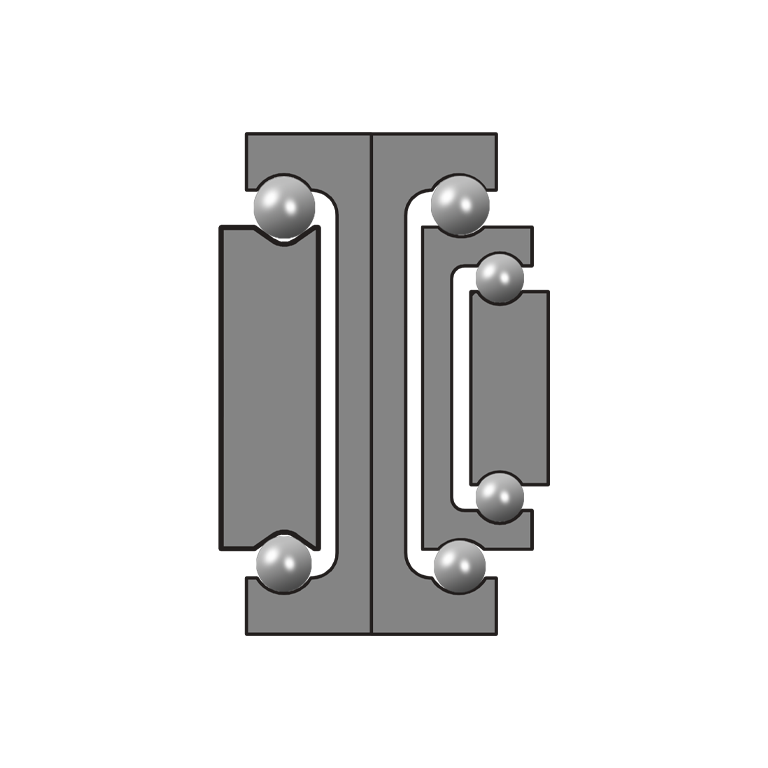
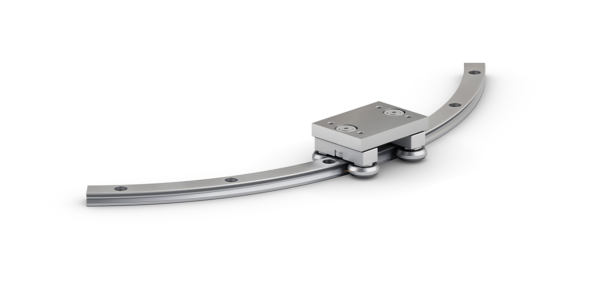
For applications that need a cost-effective self-aligning concept in a compact format, X-Rail is another relevant option within the Rollon linear guides. The idea is that the combination of rail geometries to create an easy self-aligning parallel-rail system, with additional availability in corrosion-resistant versions such as stainless steel and surface treatments designed for harsher environments.
FAQs
How do roller-based linear motion components support modern factory automation?
They provide robust, repeatable motion under demanding loads and high-cycle operation, and they’re designed to tolerate real-world mounting conditions, which helps keep motion control systems stable and reduces downtime.
How do self-aligning linear guides help automation engineering teams deal with misalignment and flexible structures?
Self-aligning designs can compensate for mounting-surface deviations so frames that are welded or not perfectly machined are easier to assemble and commission without time-consuming alignment work.
Why are roller linear rails suitable for harsh, dirty or corrosive automation in manufacturing environments?
Roller rails can perform well in dirty conditions because the roller elements can be more effective at handling impurities, and they’re available with materials/treatments suited to humid or corrosive environments.