 Linear guides
 Linear actuators
 XP Xtrem Position
 Rod ends
 Telescopic rails
 Multi-axis
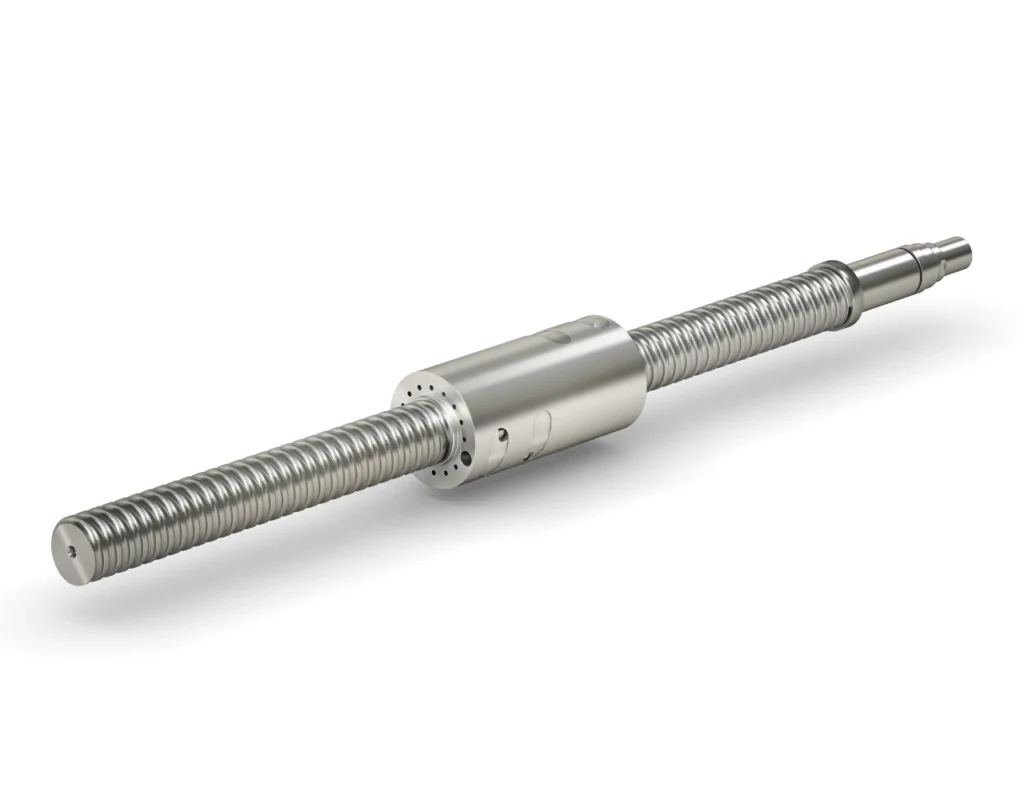 XL Xtrem Load
 Spherical plain bearings
 Curved guides
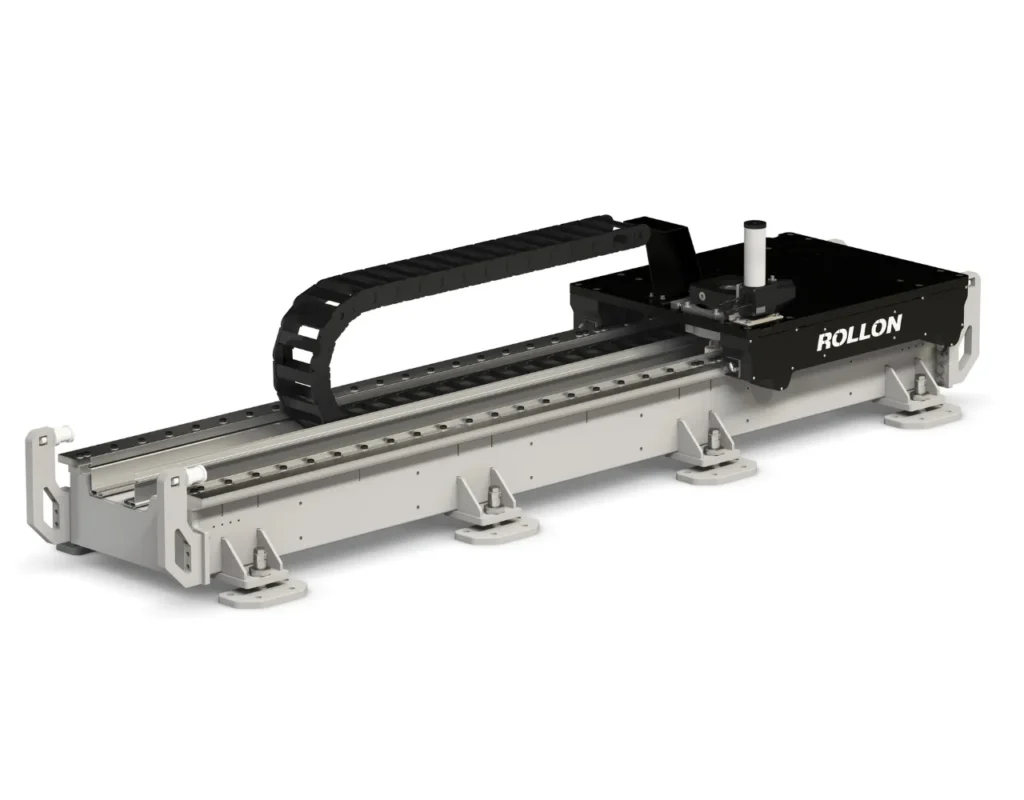 Robot transfer units
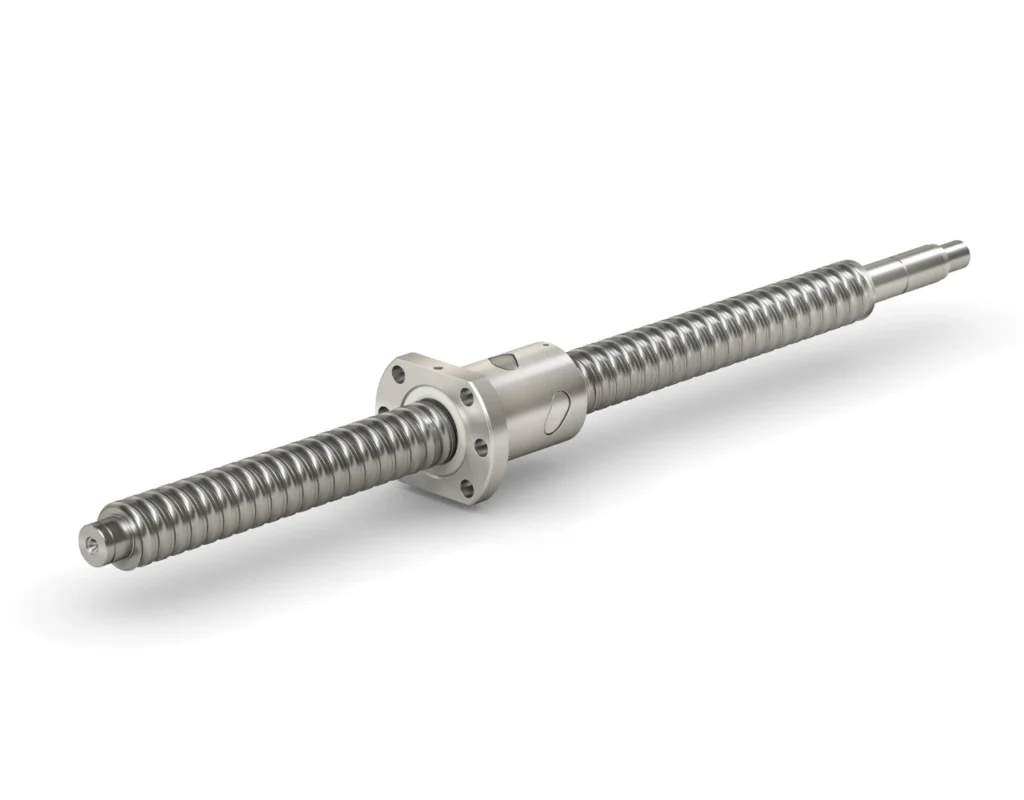 XT Xtrem Transport
 Needle roller bearings
 Cam followers
 Circular systems
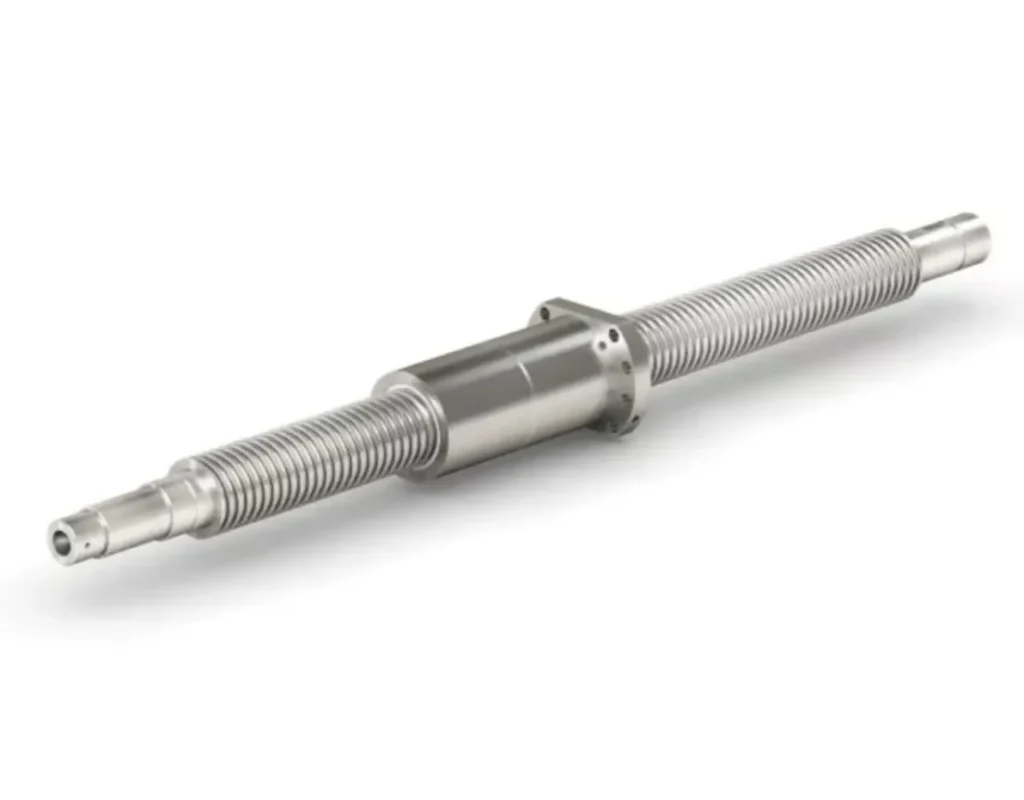 Rollon RB
 Locknuts and rings
 Aerospace
 Contract & Building
 Electronics
 Food & Beverage
 Industrial machinery
 Healthcare
 Machine tool
 Material handling
 Packaging
 Railway
 Robotics & Automation
 Special Vehicles



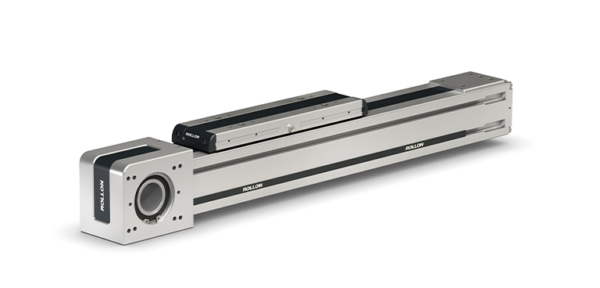
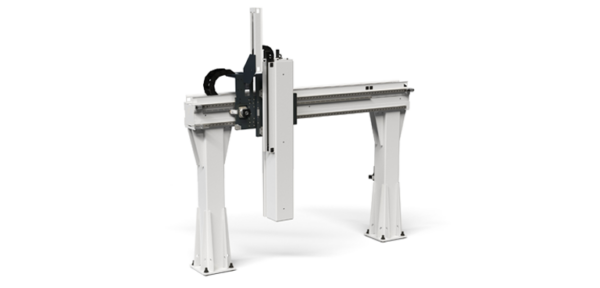
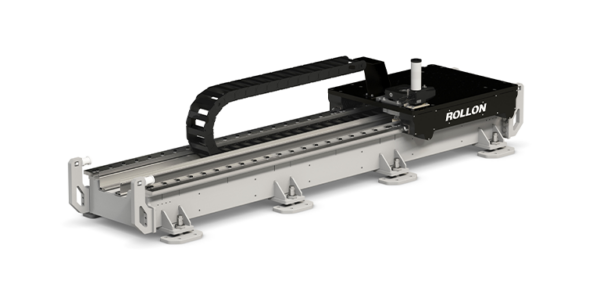
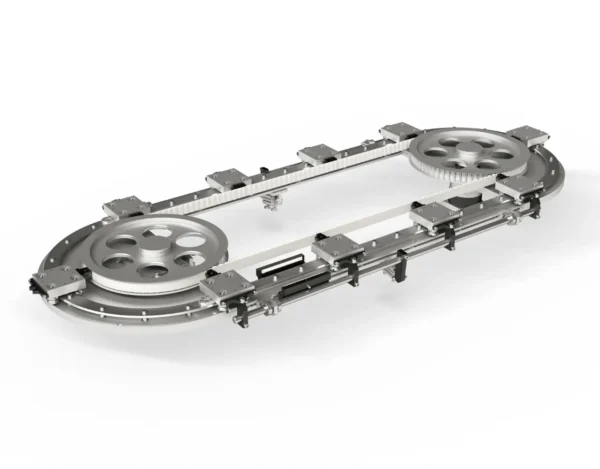


















When it comes to designing linear positioning systems and linear transfer systems, one of the most important decisions engineers face is the choice between a lead screw and a belt drive. Both technologies play a vital role in industrial automation, transforming rotary motion into linear motion, but they do so with different strengths. Understanding their performance, efficiency, and applications is key to selecting the right component for your automation actuators and ensuring long-term reliability.
Understanding Lead Screw Efficiency and Applications
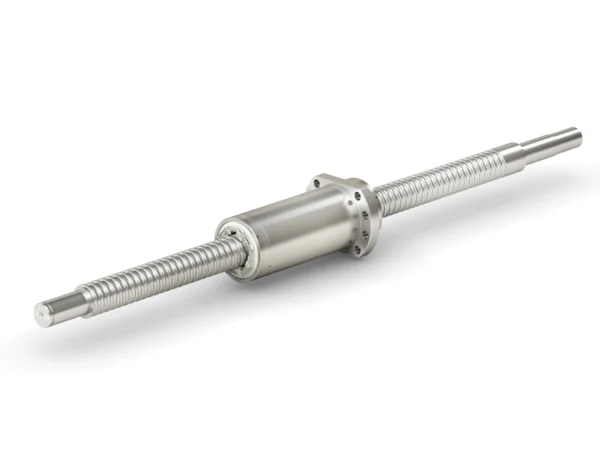
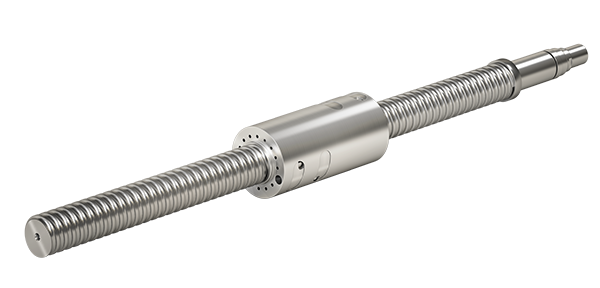
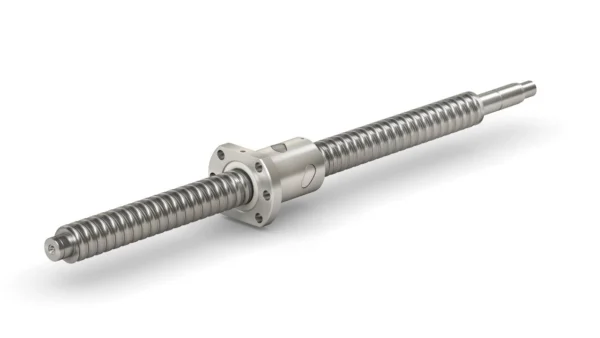
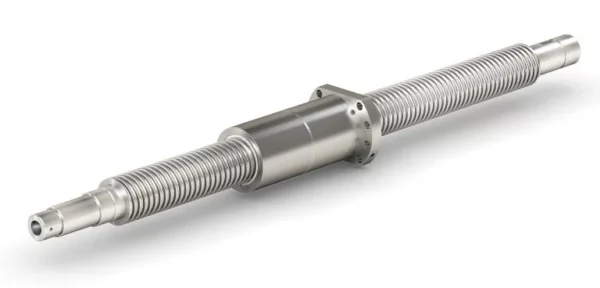
A lead screw converts rotational motion into precise linear displacement through a threaded shaft and nut system. The technology is defined by mechanical simplicity and high positional accuracy.
In terms of lead screw efficiency, these systems are typically less efficient than belt drives because of the higher friction between the nut and the screw. However, this characteristic can also be an advantage. The friction creates a self-locking effect, meaning the screw can hold its position without additional braking or power. This makes it ideal for static or vertical load applications.
Lead screw applications cover a wide range of uses where smooth, controlled motion and high load capacity are more important than speed. They are commonly used in precision machinery, medical equipment, testing devices, and machine tools. In these environments, stability, repeatability, and fine resolution are essential.
Drive Efficiency in Linear Motion
A belt drive system uses a motor-driven belt loop attached to a moving carriage. The result is a fast, quiet, and highly efficient form of linear motion that is ideal for applications where long strokes and speed take priority over the load capacity.
Regarding belt drive efficiency, these systems often reach over 90 percent efficiency since there is minimal mechanical resistance between the belt and pulleys. This makes them perfect for industrial motion control solutions that prioritize high throughput, such as packaging, pick-and-place automation, and assembly lines. The flexibility and low maintenance of belt-driven actuators make them a natural choice for dynamic environments that require frequent start-stop motion.
In dusty or humid environments, the low-maintenance design of closed belt actuators also ensures reliability. Their stroke length and quiet operation make them an excellent fit for automation actuators used in conveyors and transport systems, where consistent and smooth motion is critical for productivity.
Comparing Lead Screw Efficiency and Belt Drive Efficiency
When comparing lead screw efficiency and belt drive efficiency, it is essential to consider performance trade-offs. Lead screws excel in high-load, low-speed scenarios that require precision and rigidity, while belt drives dominate in high-speed, long-distance applications.
Lead screws are generally more compact and deliver finer control, but they generate more heat and require regular lubrication to maintain performance. Belt drives, on the other hand, provide smoother and quieter motion with less frequent maintenance, though they may be less suitable for applications demanding high positional accuracy under heavy loads.
A well-designed linear drive technology often integrates both systems in a complementary way. For instance, a lead screw actuator can handle vertical lifting, while a belt-driven axis manages horizontal motion. This hybrid setup can optimize efficiency, accuracy, and overall system performance within a linear positioning system.
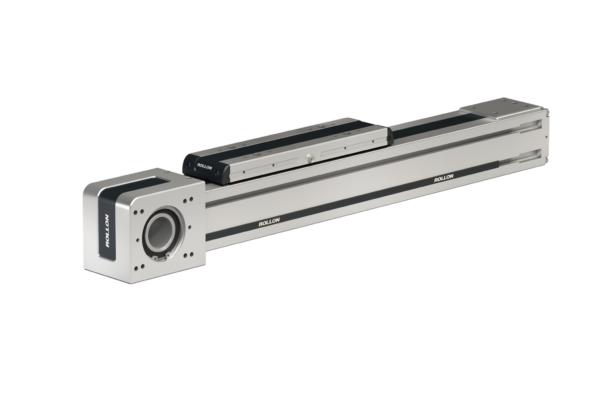
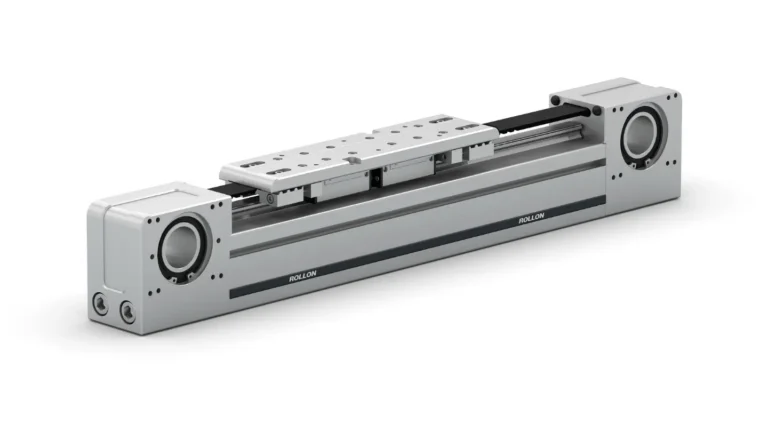
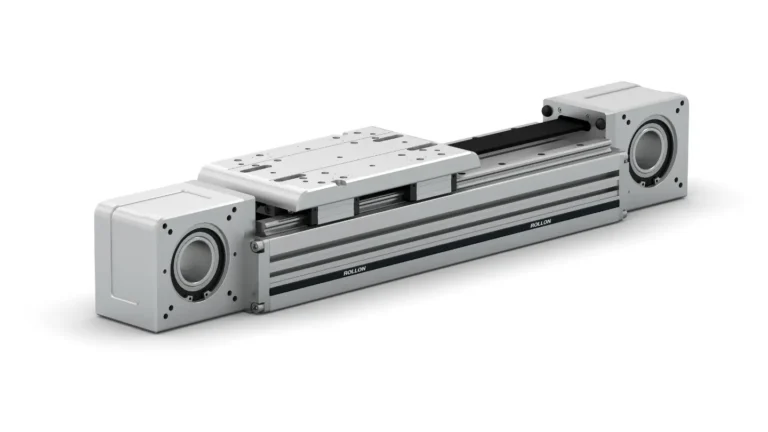
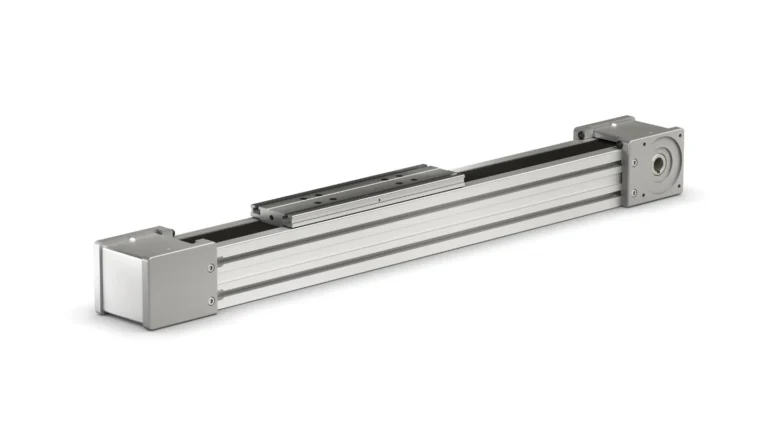
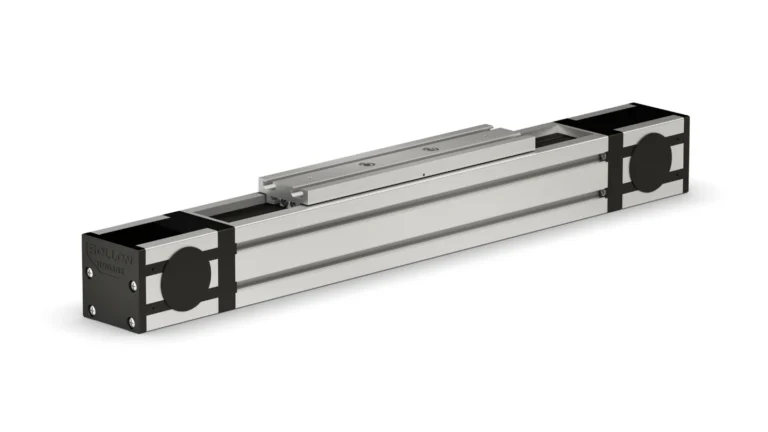
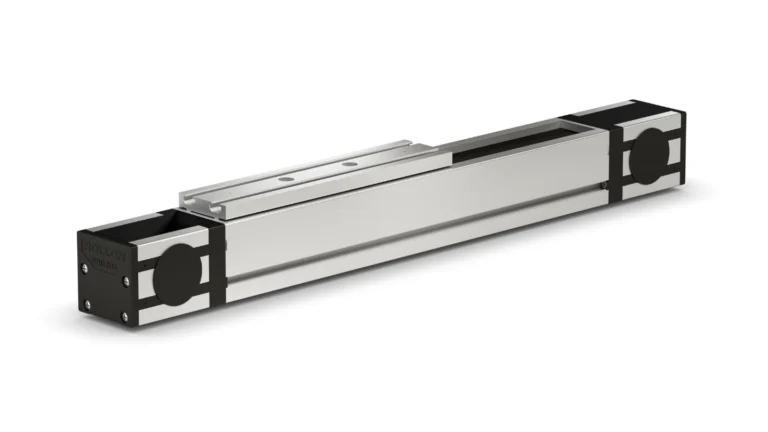
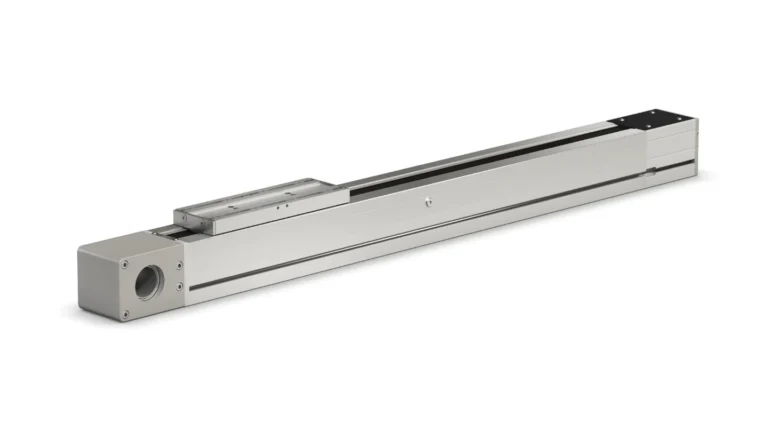
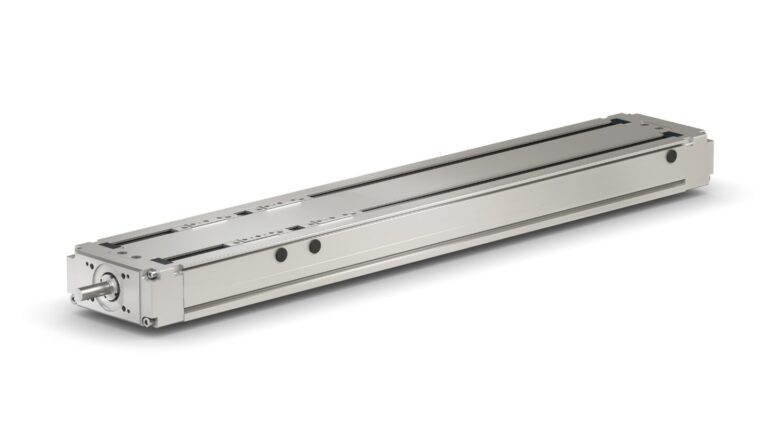
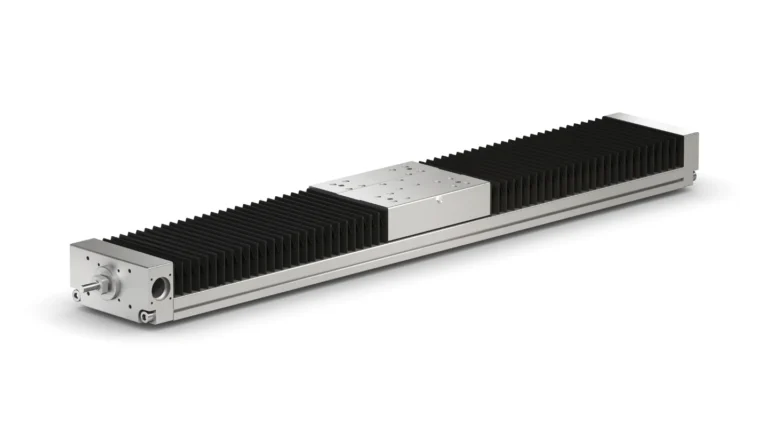
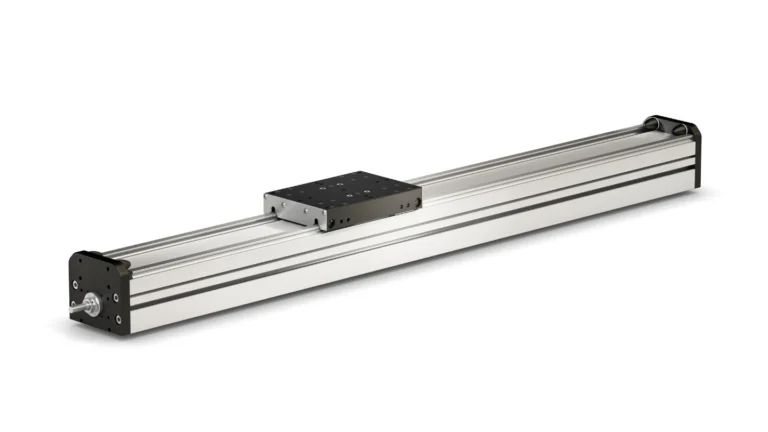
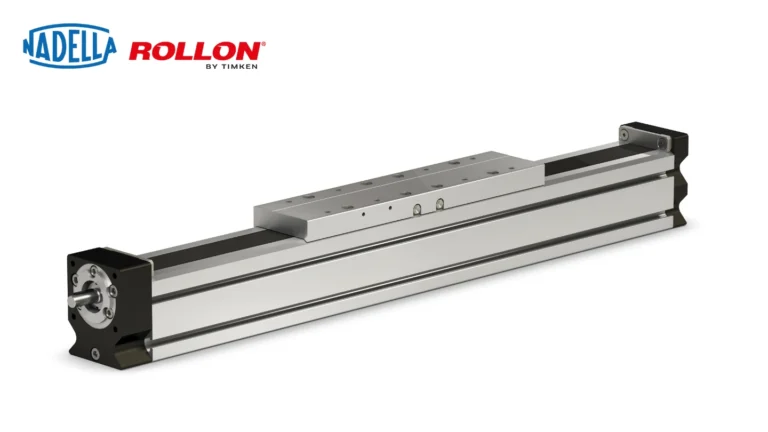
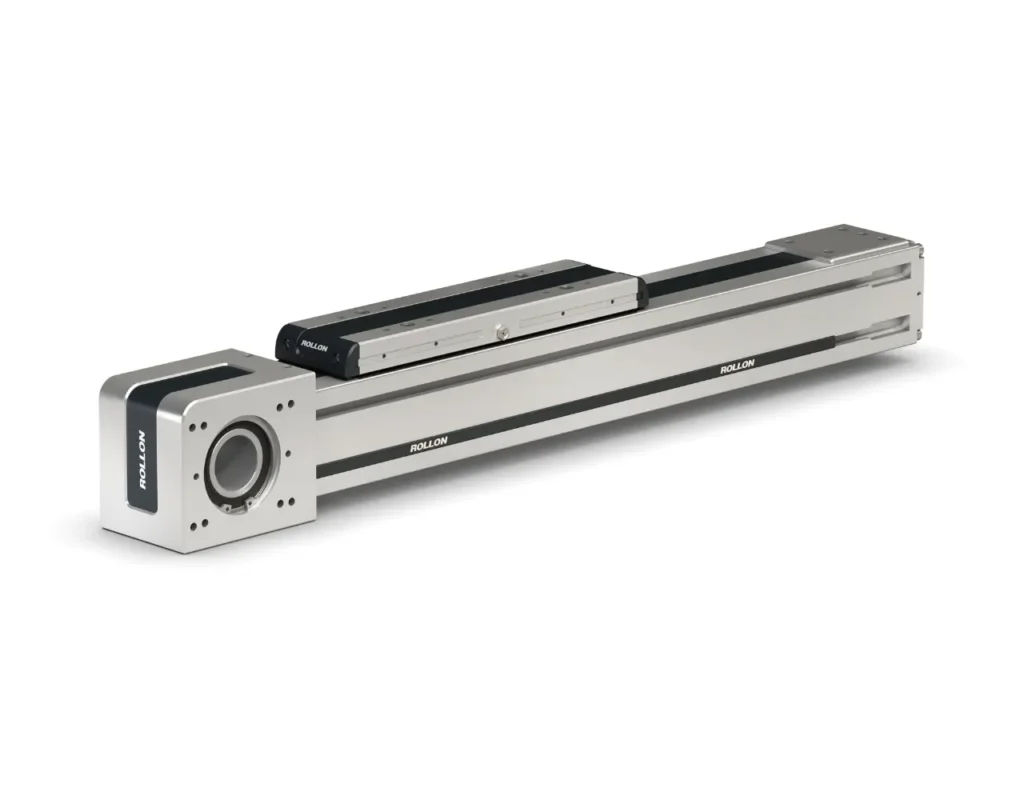
ELM belt driven linear actuator
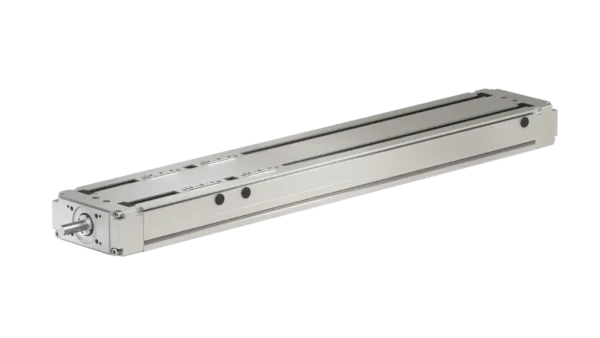
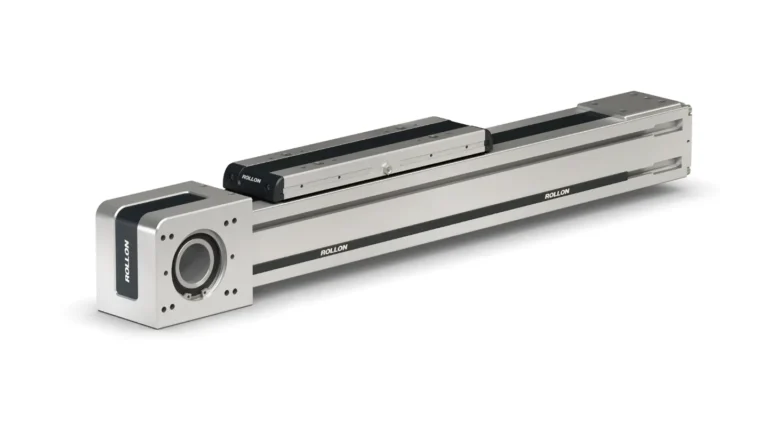
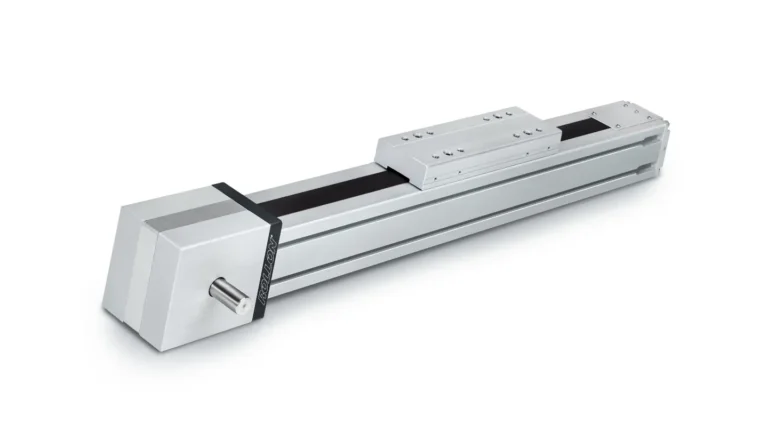
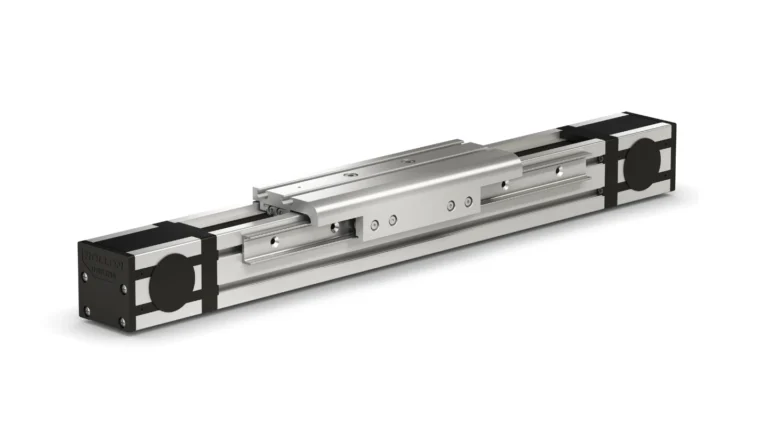
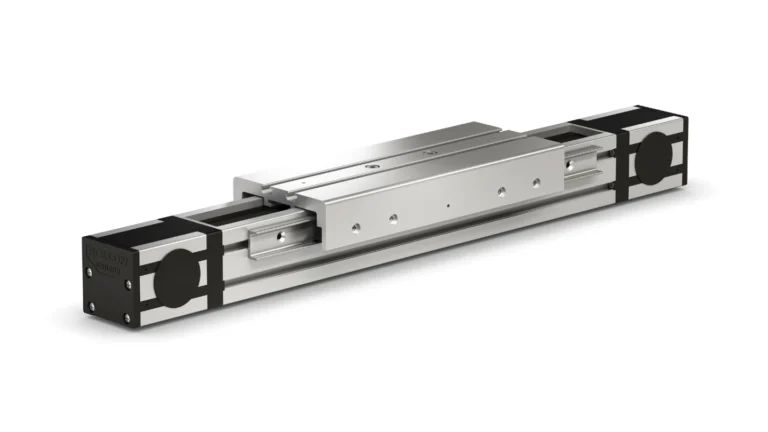
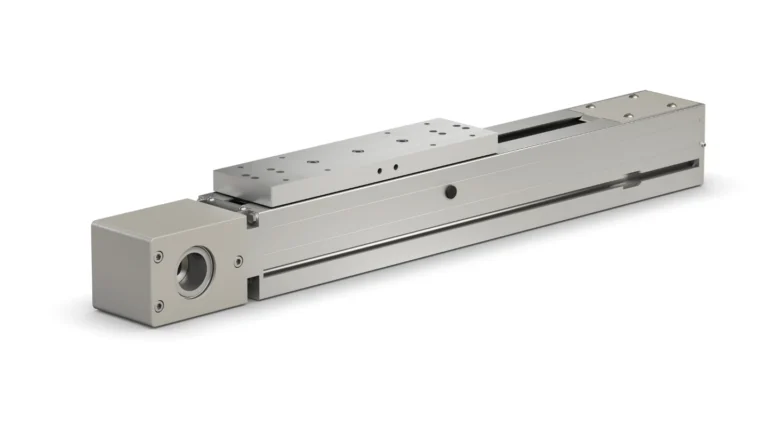
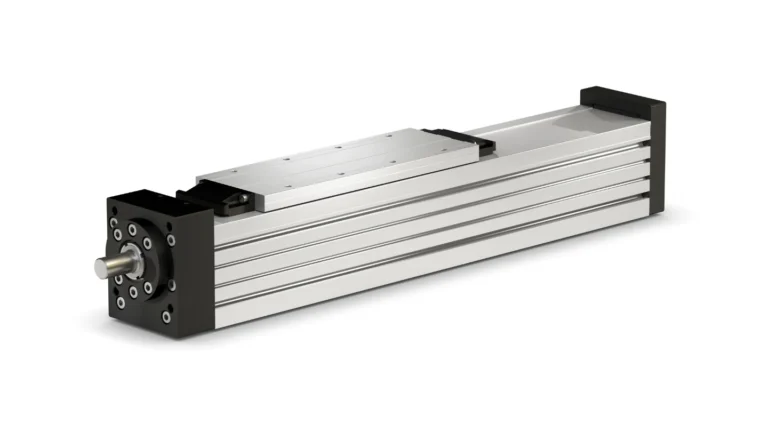
TH ball screw driven linear actuator
Integration in Modern Automation Systems
As automation continues to evolve, integrating lead screw and belt drive systems has become increasingly common. Both technologies are now widely used within industrial motion control solutions, where precision, efficiency, and repeatability are key.
Modern linear transfer systems often combine both technologies with advanced control and sensors, allowing real-time feedback and synchronization between multiple axes. In these configurations, lead screw actuators provide stability for delicate tasks, while belt-driven actuators handle speed and reach.
Rollon Solutions for Linear Positioning Systems
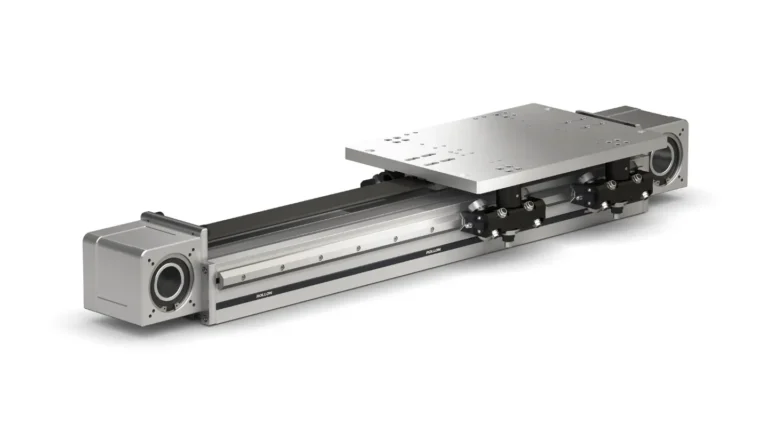
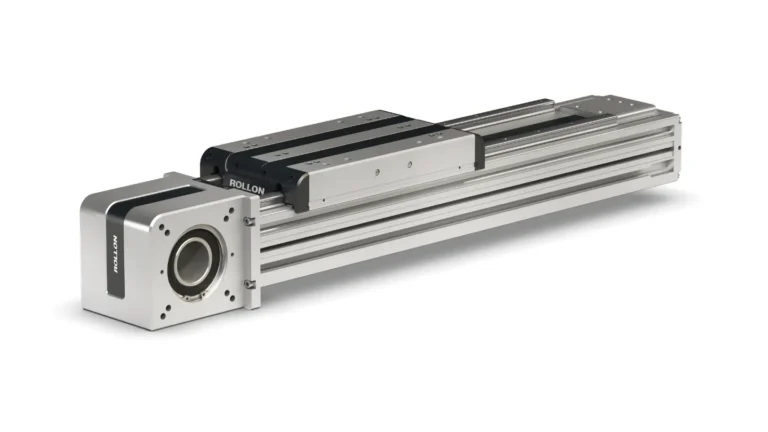
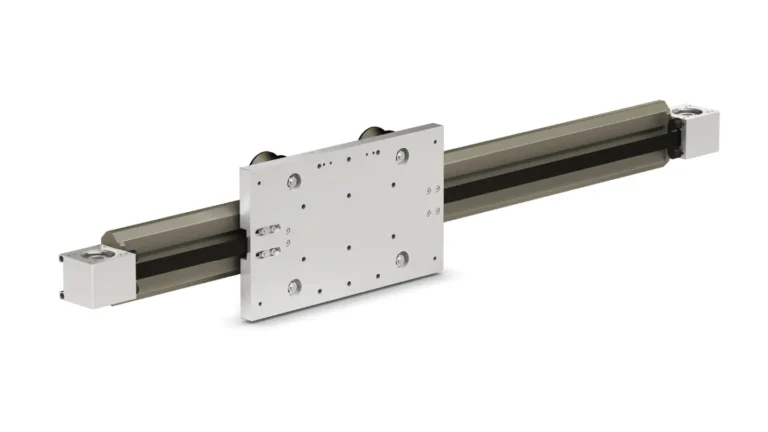
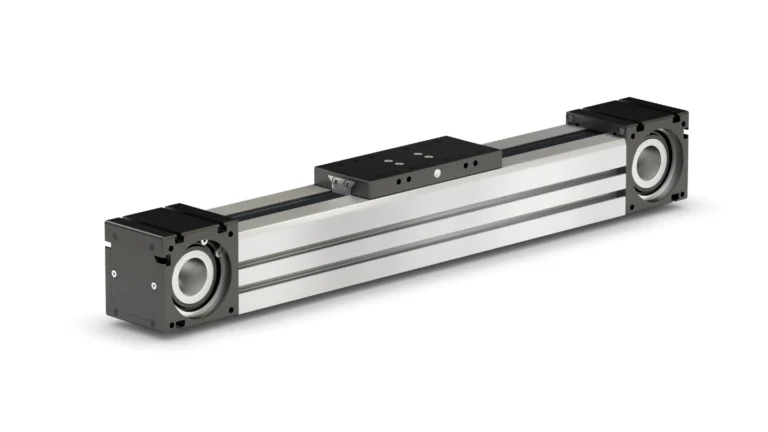
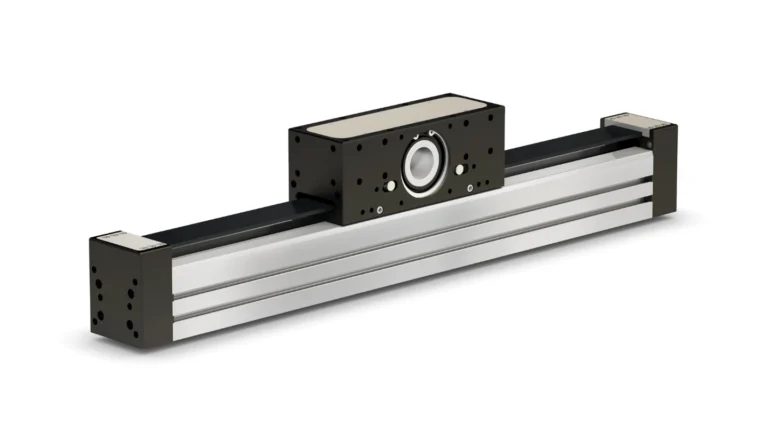
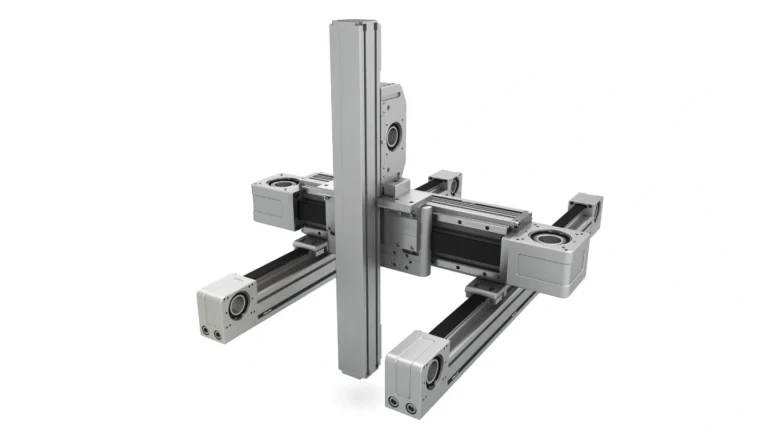
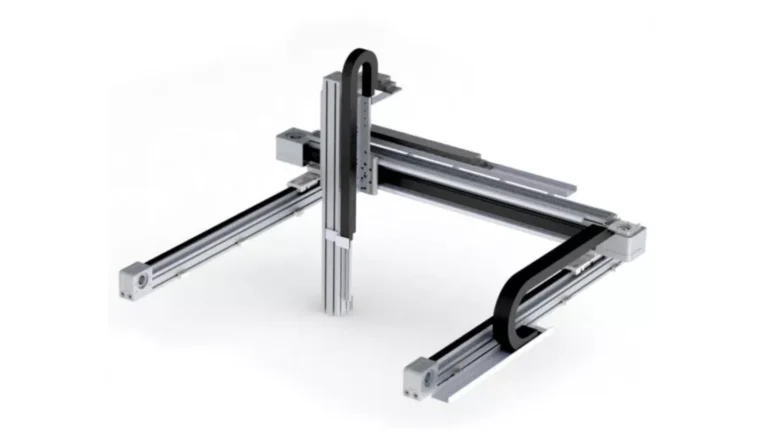
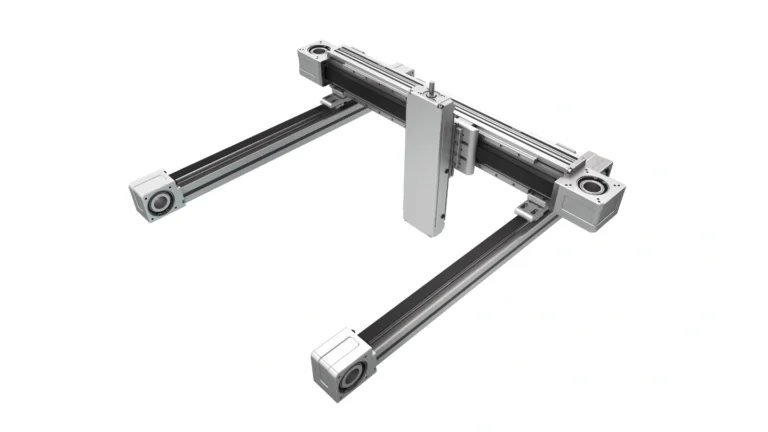
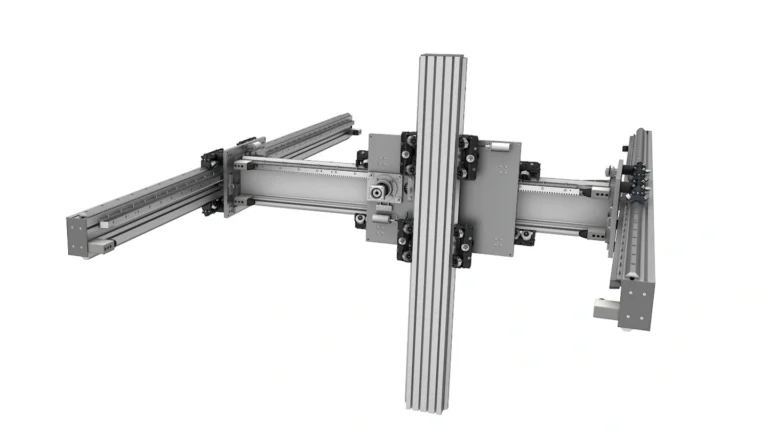
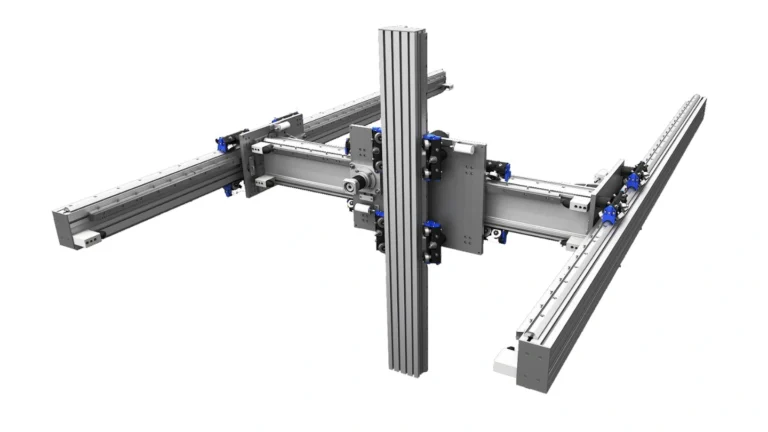
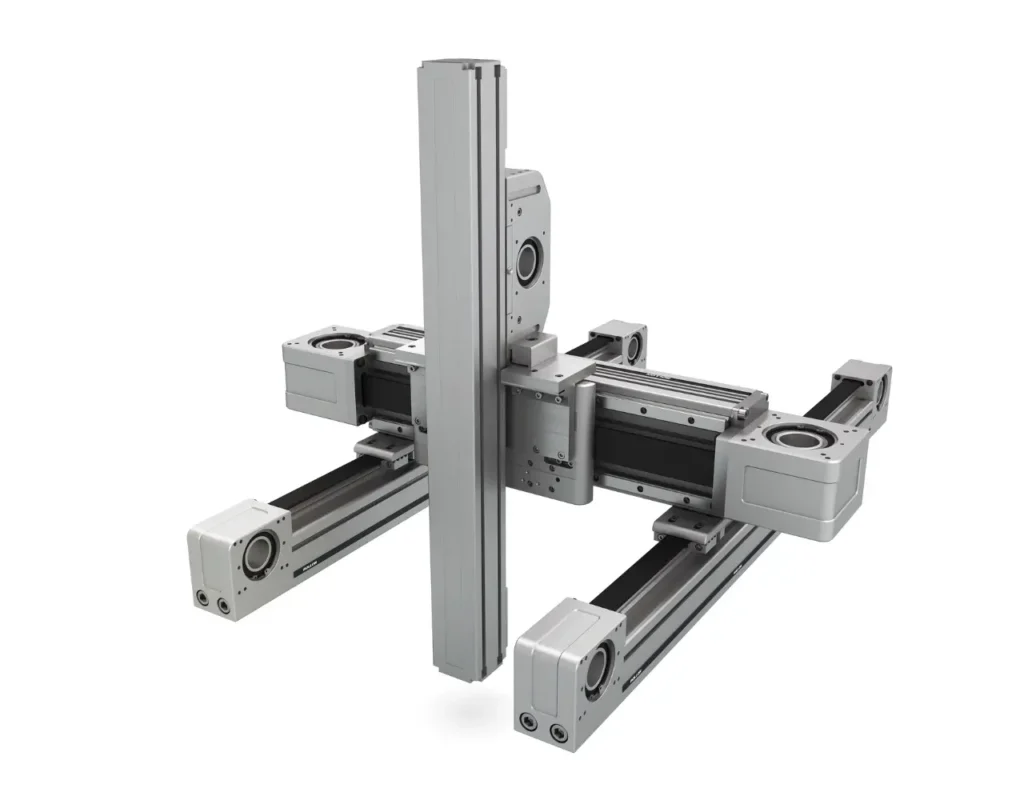
Rollon’s Multi-Axis System offers a versatile portfolio that integrates both belt-driven and screw-driven actuators, allowing engineers to create optimized automation systems for virtually any industrial need. From high-speed belt actuators for long-travel movements to ball screw-driven actuators for high-precision positioning, Rollon provides reliable solutions designed to meet performance, durability, and integration requirements across diverse industries.
By combining lead screw precision with belt drive efficiency, Rollon offers smooth and synchronized motion across axes, a crucial feature in modern linear transfer systems. This adaptability helps manufacturers develop advanced automation actuators capable of sustaining continuous operation while maintaining precision and reliability.
With Rollon’s expertise in linear drive technology, engineers can confidently design linear positioning systems that balance all these factors, achieving optimal performance, long-term reliability, and superior productivity.
FAQs
What is the efficiency of a lead screw compared to a belt drive?
Lead screws typically have an efficiency between 30–70%, depending on the thread type and lubrication, while belt drives can reach up to 95%, making them better suited for high-speed motion.
What are the most common lead screw applications in automation?
Lead screws are commonly used in positioning systems, laboratory automation, 3D printers, and vertical actuators, where precise, controlled motion is required.
How does belt drive efficiency support high-speed linear transfer systems?
Their high efficiency and low friction allow belt drives to achieve fast, smooth motion with minimal energy loss, ideal for long-stroke, high-speed transfer or pick-and-place systems.